
















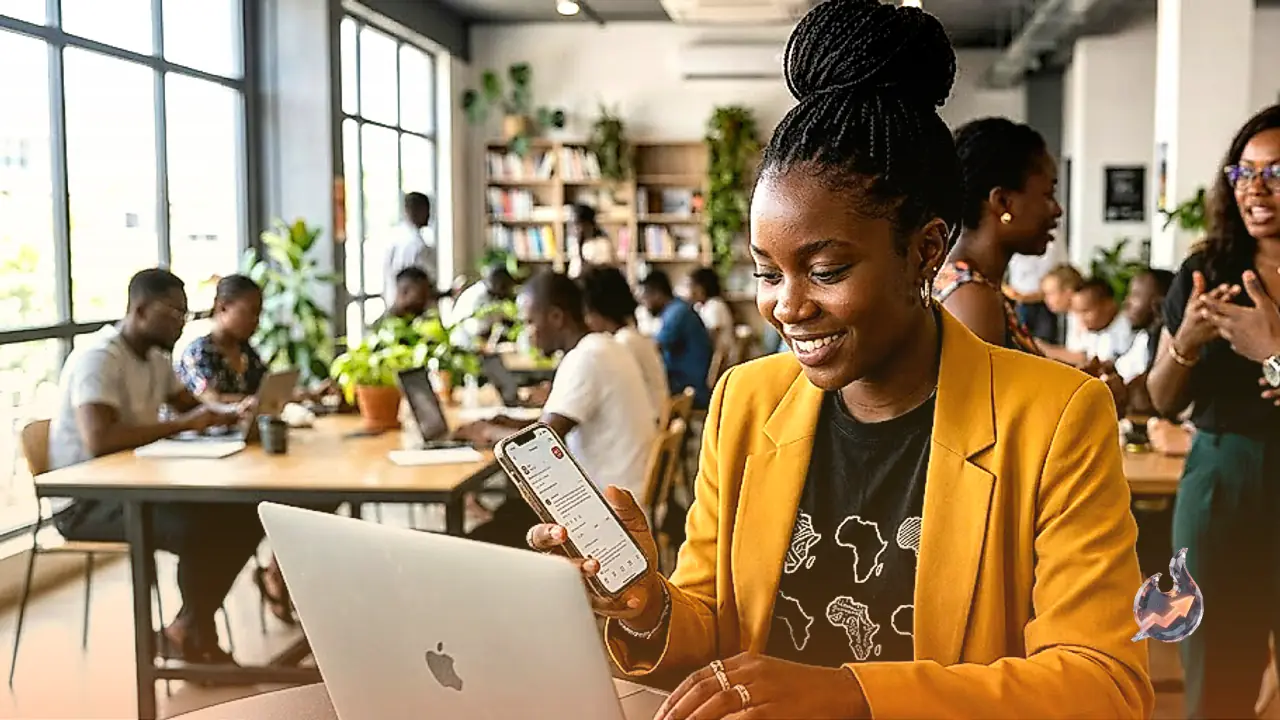

For well over a decade, Black digital culture anchored its commentary, activism, and everyday humor on Twitter under the informal banner known across the internet as Black Twitter. That landscape shifted dramatically following platform upheavals and safety debates, driving users to seek out alternatives. Today, that vibrant cultural conversation is taking firm root on Meta's text network Threads, where national discussions around racial justice and community news are once again driving major public attention.
Nolan Wells Case Sparks National Dialogue
A recent flashpoint highlighted how central Threads has become to this ecosystem. Two days after a September 21 decision regarding Nolan Wells, a user posting under the handle @_taexoxo declared that the state of Mississippi was actively covering up his murder, an incident that has triggered heightened racial tensions across the United States. Comedian D.L. Hughley added his perspective, pointing out the stark contrast in legal outcomes by noting that a grand jury issued an indictment over a swimming pool turning green, yet failed to indict anyone when a Black youth was found dead in the water.
Black Americans have historically used digital platforms to confront racial inequities, an approach that turned Twitter into an essential organizing and messaging engine when the Black Lives Matter movement expanded in the 2020s. Yet the intensity of the exchange surrounding Wells on Threads signaled a broader turning point. The application has grown into an indispensable component of Black online discourse, matching the reach and cultural weight that once characterized its predecessor.
Evolution from Obama Era to Present Dynamics
An examination of Black Twitter back in 2021 captured its multifaceted nature, describing it as an expansive digital home that combined reporting, cultural critique, community trials, comedy stages, emotional support, and family celebrations in a single space. Half a decade later, Threads is stepping into that position as a natural successor, providing an expansive environment where difficult, awkward, and pressing topics are debated without hesitation.
The feed mirrors the wide thematic range of earlier networks, flowing seamlessly from nuanced dissections of ageism faced by Black women to casual critiques of television entertainment. When discussing the HBO Max sci-fi thriller Lanterns, a user highlighted the unique dynamic of the production, calling it the first science fiction project featuring a Black chosen figure accompanied by a white magical companion archetype.
Cultural critic and author Jamilah Lemieux, who commands an audience of 208,000 followers on Threads, noted the changing political atmosphere framing these networks. She observed that Twitter enjoyed its peak during the Obama administration, whereas the current social landscape unfolds under a second Trump administration, making shared communal spaces for humor and relief just as essential as in previous decades.
The Departure from Musk's X
Lemieux spent over ten years participating on Twitter, writing on issues surrounding motherhood and gender equity. Over time, persistent hostility and harassment began eclipsing constructive interactions, prompting her to gradually step back from the service.
A profound shift in tone took place across the site in 2022 when Elon Musk finalized his acquisition and rebranded the network as X. Longtime members encountered a degraded product where locating relevant posts became challenging, moderation rules were dismantled almost overnight, and accounts promoting hate speech and disinformation multiplied rapidly. Lemieux characterized the change as an intentional move away from the progressive Black contributors who helped define the early identity of the site, comparing the current reality of publishing on X to screaming into empty space.
Seeking a more hospitable space for written commentary, Lemieux relocated to Threads and built a substantial following, addressing topics ranging from musician Chris Brown to debates over public and private schooling. She explained that she wanted a digital environment centered on words rather than visual media, and Threads provided the ability to reach an audience through prose without the need to assemble imagery.
Prominent Cultural Voices Make the Shift
Numerous high-profile figures from X have made the same transition to Threads. The roster includes author Roxane Gay, activist Brittany Packnett Cunningham, and journalist Nikole Hannah-Jones. Hannah-Jones recently authored an essay for The New York Times Magazine detailing her choice to place her daughter in under-resourced public schools serving predominantly Black students, which initiated an extensive online argument regarding whether parents should place their children inside struggling institutions to resist systemic inequities.
Television writer @theashleyray highlighted the quality of the dialogue on X, remarking that the exchange surrounding the essay proved far superior on Threads because Nikole Hannah-Jones actively engaged with commenters there. She added that working professionals had migrated to the platform, telling another commentator that Black Twitter was now situated firmly on Threads.
Bluesky and the Reach Challenges of Blacksky
Bluesky made its debut as an invite-only service in 2023 before opening broad access the following year, initially positioning itself as the primary destination for users fleeing X. Following Donald Trump's presidential victory in 2024, millions of people looking to escape polarized political discourse joined Bluesky hoping to rediscover the feeling of early social networks.
Drawing on community organizing principles and the platform's decentralized architecture, developer Rudy Fraser launched Blacksky, a dedicated feed and moderation layer that quickly evolved into a gathering spot for Black members. Although Blacksky created a safer digital environment, it did not achieve the widespread cultural leverage that Black Twitter demonstrated through viral campaigns such as #OscarsSoWhite or #IfTheyGunnedMeDown.
Rianna Walcott, an assistant professor of communication at the University of Maryland and creator of the Black Digital Migration Project, explained that scale plays a decisive role in this dynamic. Walcott noted that user exhaustion across multiple networks and the challenge of assembling a worldwide Black audience restrict the visibility of Blacksky, which lacks the built-in reach of an established corporate infrastructure like Meta.
In its initial stages, Bluesky drew heavily from progressive groups such as writers, academics, reporters, and political organizers. Data from a 2025 Pew Research Center survey revealed that 69 percent of left-leaning news influencers entered the network during its opening twelve months. While Blacksky helped drive early platform engagement, participation subsequently slowed down. Many early adopters stepped away after a few months, finding the low-key environment less compelling and growing tired of rebuilding personal networks from scratch.
The Scale Advantage of Meta Communities
In contrast to niche alternatives, Threads emphasizes direct audience engagement and provides specialized interest spaces, including Black Threads, Black British Threads, and Black LGBTQ Threads. A corporate update published by Meta in December documented over 200 distinct interest groups spanning entertainment, physical fitness, and the NBA. Walcott noted that for many Black participants, finding large numbers of peers in one centralized location outweighs theoretical concerns regarding corporate platform governance.
Other alternatives have made distinct inroads, such as Spill, a visual-first platform founded by former Twitter staff member Alphonzo Terrell that specifically targets Black users. However, Threads maintains an unrivaled advantage in bringing in new accounts thanks to its direct ties to Facebook and Instagram, networks that collectively count over 6 billion users. With more than 500 million monthly active users, Threads is positioned to surpass the 557 million active monthly users reported on X, according to data from Statista published in March.
Lemieux highlighted the accessible, sometimes unpredictable nature of the interface. She remarked that the platform frequently mixes unexpected content into the stream, noting that viral comedy does not originate solely from intentional hashtags, but often stems from everyday Facebook updates accidentally shared onto Threads by older users.
Live Commentary Gaps and Concrete Real-World Impact
Phil Lewis, an editor at HuffPost and prominent news aggregator, observed that while foundational contributors have embraced Threads, the atmosphere does not entirely duplicate original Black Twitter dynamics. Lewis explained that Twitter excelled during real-time communal viewing of live sporting events and major awards broadcasts, a phenomenon that has not yet materialized in the same manner on Threads, even if cultural momentum is clearly building.
Despite those differences, discussions on Threads have already demonstrated measurable real-world influence. In August, when Gary, Indiana, experienced a severe two-week power failure that disrupted food supplies and raised public safety emergencies in the predominantly Black community, national coverage was almost nonexistent until participants across Threads and TikTok began highlighting the blackout. Only after that groundswell did broader newsrooms step in to cover the crisis.
Walcott emphasized that members are consciously documenting and curating this digital transition, treating major moments on Threads with the same historical awareness previously applied to Twitter. User @missglowdigger praised the shift in September, calling Threads the single greatest development for Black social media, though another community voice offered a grounded counterpoint, reminding participants to maintain perspective while utilizing a corporate-owned network.