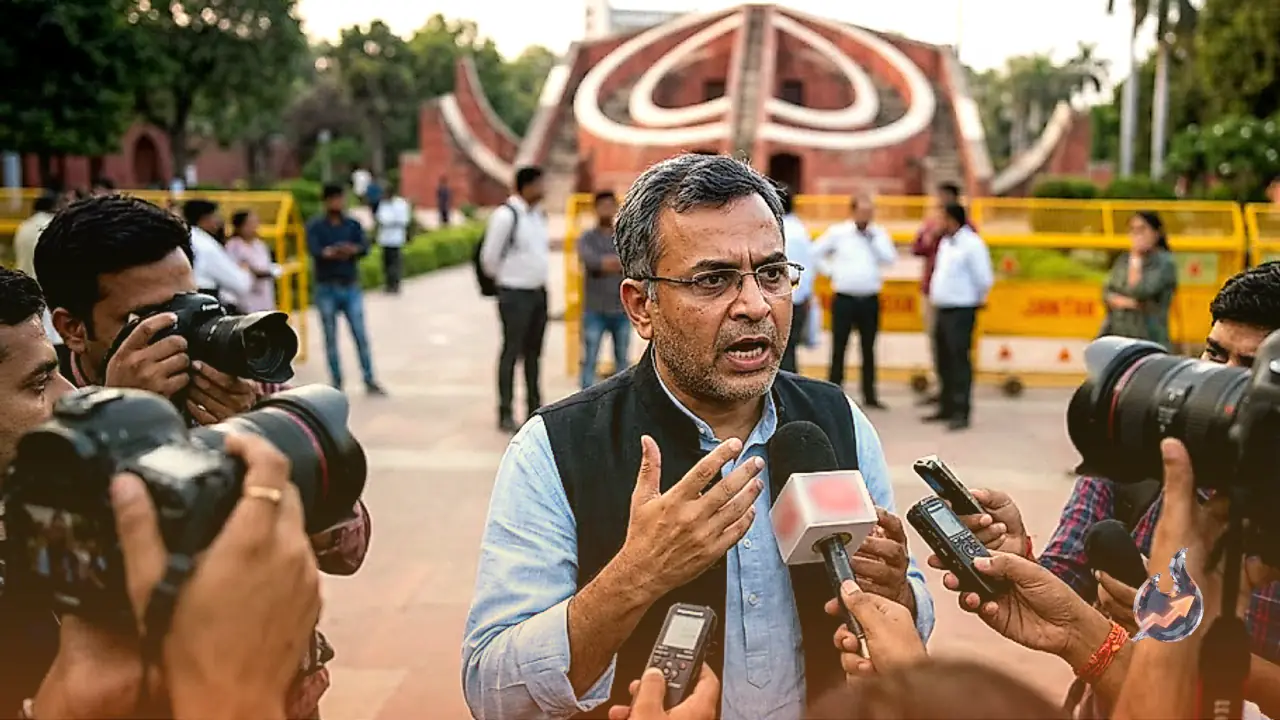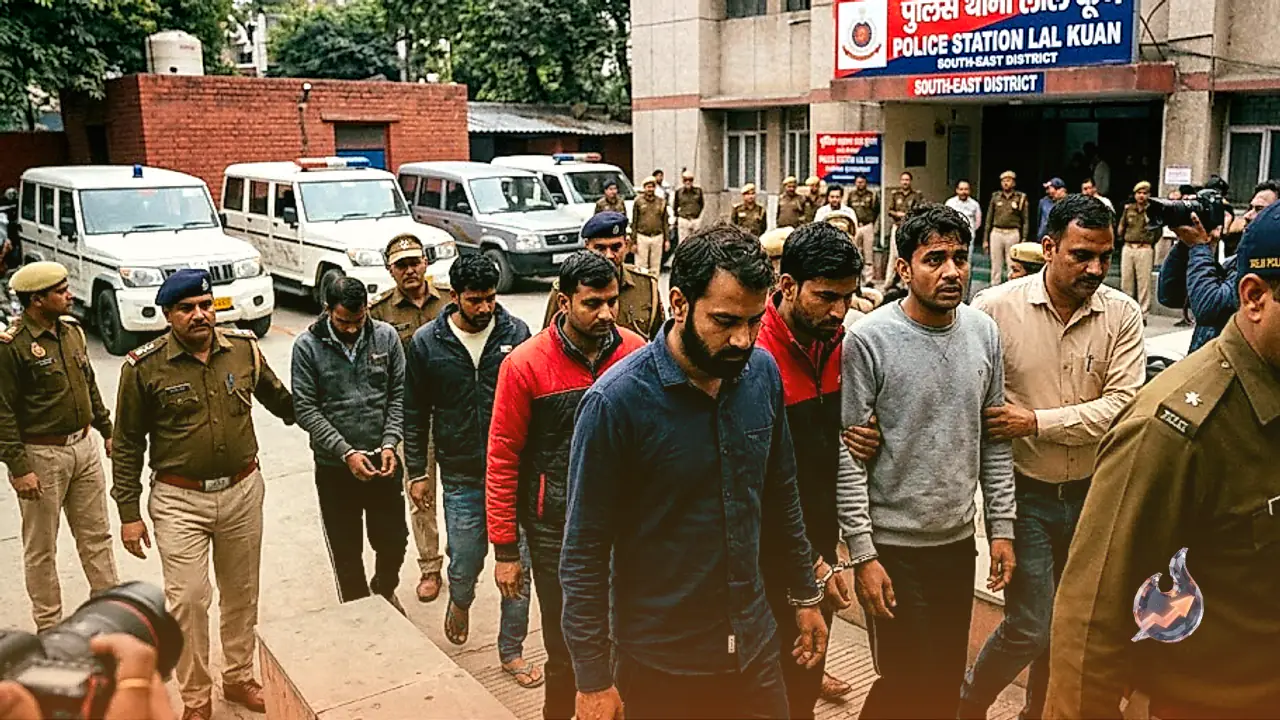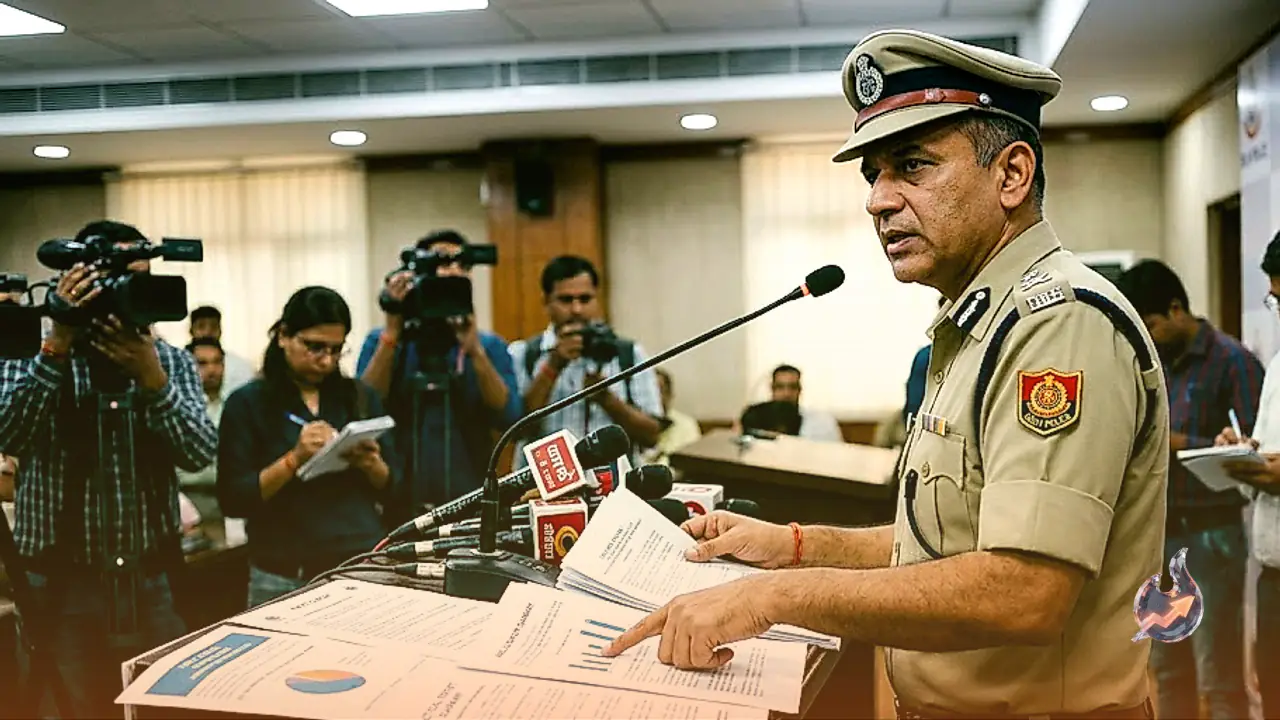






















Delhi Police has widened its investigation after violence erupted in several parts of the national capital during Monday's Parliament march called by the Cockroach Janta Party. Large numbers of policemen were injured in the clashes that followed, and by Tuesday, protesters had regrouped at Jantar Mantar even as police pressed ahead with a tougher response to Monday's unrest, registering multiple FIRs and taking several people into custody.
Identification built on more than 250 videos
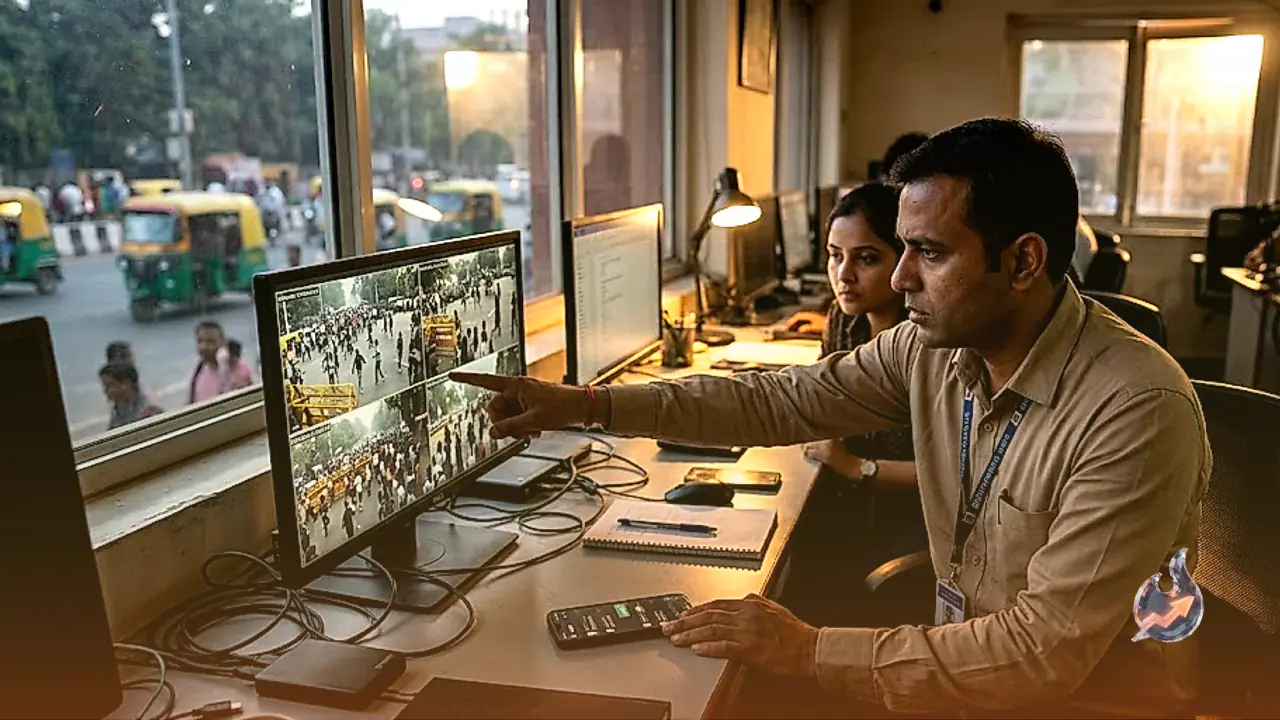
Video evidence has emerged as the single biggest tool in the investigation. Delhi Police currently has more than 250 videos to work with, a mix of mobile phone recordings shot by members of the public, CCTV camera footage from the area, aerial visuals captured by drone cameras, and footage recorded on the body cameras worn by policemen on duty. Investigators are cross checking these videos frame by frame to match faces and actions, using them to identify people who took part in the unrest during the march and to build a timeline of how the violence unfolded.
Four angles the probe is following
The investigation is currently being pursued along four separate lines. The first is to check whether any of the identified rioters already have a criminal record, which would help establish a pattern of repeat offending. The second is to determine whether the people who reached Jantar Mantar on Monday did so as part of a deliberate plan rather than spontaneously joining a crowd. The third angle looks back at the BJP's Parliament march on March 20, when some participants pelted stones, vandalised property, damaged police vehicles and attacked policemen with stones, police are examining whether that earlier round of violence was also carried out in an organised manner, possibly by the same network of people. The fourth and most significant angle is whether any WhatsApp or Telegram groups were set up beforehand to incite people ahead of the violence in New Delhi, which would point to premeditation rather than a spontaneous law and order breakdown.
Inflammatory posts traced to WhatsApp groups
The investigation has already turned up several WhatsApp groups connected to the unrest. One of them was named "Chalo Sansad", while another was called "JNU Sansad Chalo Coordination". Both groups were reportedly used to circulate messages designed to provoke protesters, including one that claimed the death of a protester would put pressure on the government. A number of other objectionable posts were also shared within these groups in the run up to Monday's violence. Delhi Police is now working to trace the individuals who authored and forwarded these posts, since identifying them could help establish whether the violence was coordinated in advance rather than breaking out on its own.
Scale of the damage on the ground
According to the details available, 118 policemen, including 6 IPS officers, were injured in Monday's violence during the Parliament march. More than 20 police vehicles were vandalised in the clashes, and 60 protesters were also injured. Delhi Police is now working to identify everyone responsible for the unrest through CCTV footage, so that those found involved can be traced and action taken against them at the earliest.