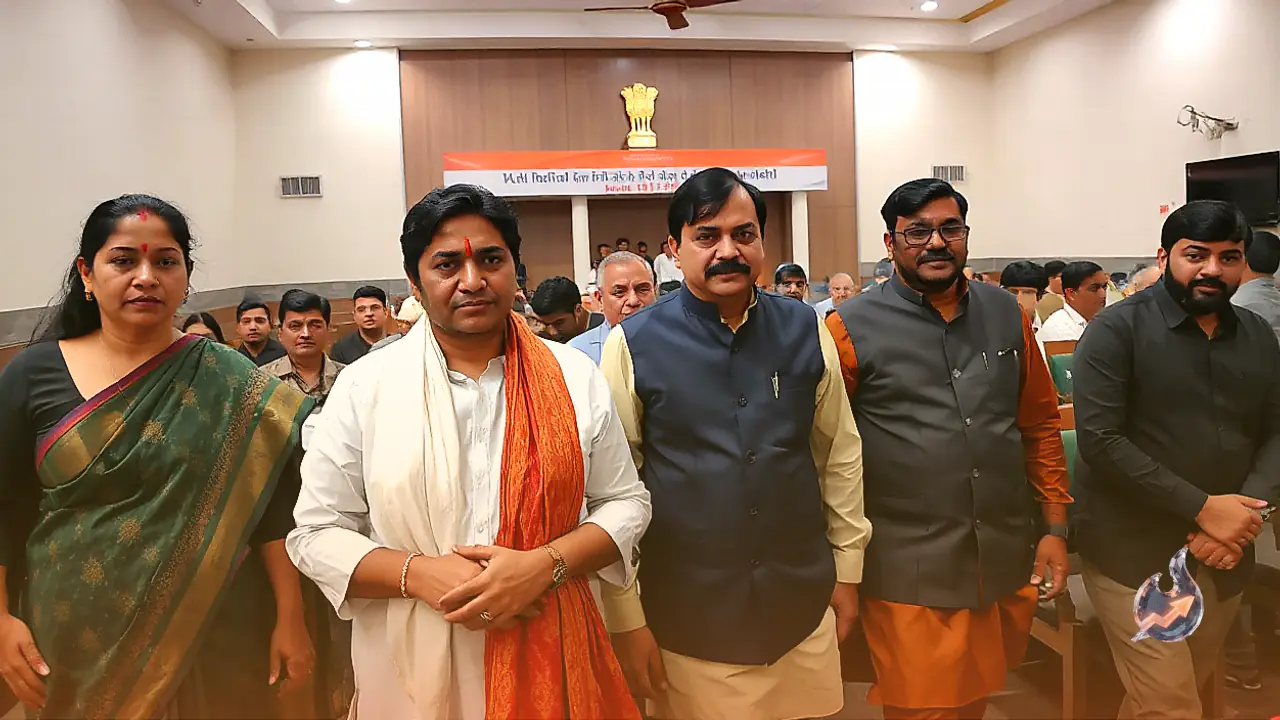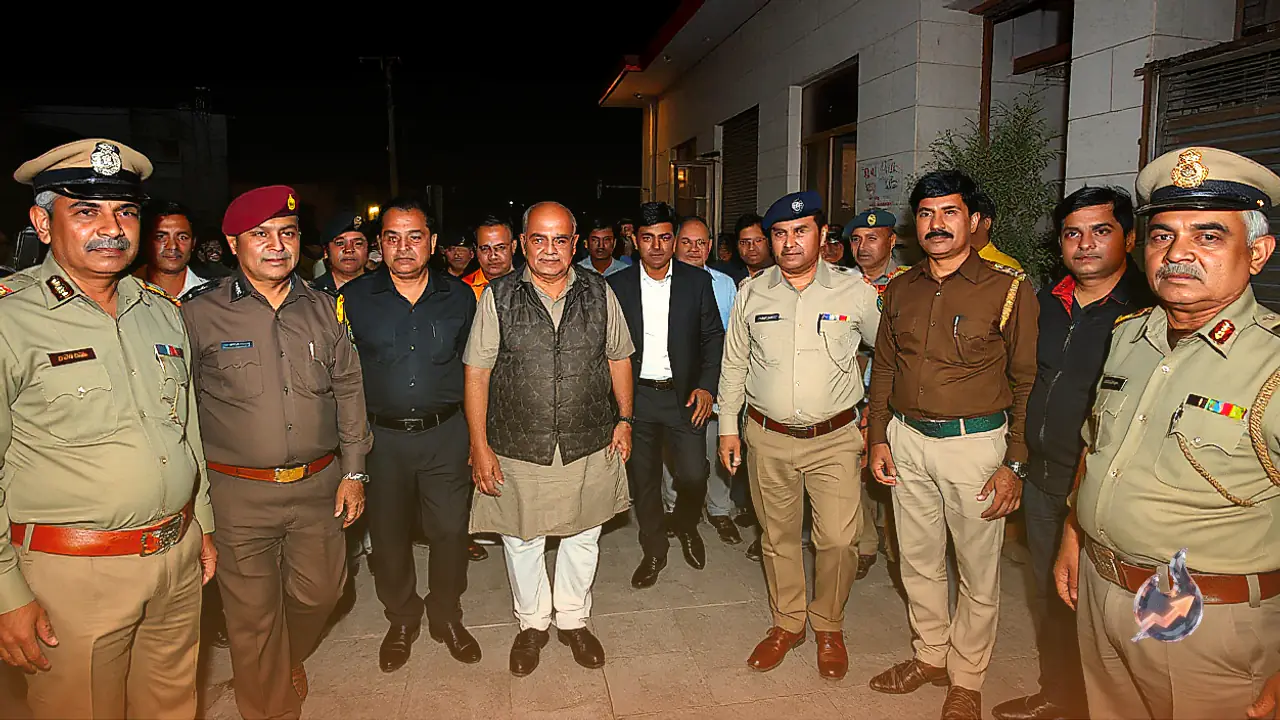

In a strategic move to fortify the security of the country's critical infrastructure against emerging aerial vulnerabilities, the Central Industrial Security Force (CISF) has partnered with the Indian Institute of Technology (IIT) Delhi to advance indigenous drone and anti-drone capabilities. A Memorandum of Understanding (MoU) was formally executed during a ceremony hosted at the IIT Delhi campus. The agreement was signed by Senthil Avudai Krishna Raj S (IPS) on behalf of CISF and Prof. Rangan Banerjee, Director of IIT Delhi. Prof. Ashwini K. Agarwal, Dean of Research and Development at IIT Delhi, was also present during the signing ceremony.
Four Core Pillars of the Technology Partnership
The memorandum signed between CISF and IIT Delhi establishes a structured operational framework to tackle modern aerial threats through cutting-edge technology. The collaboration focuses on four essential domains designed to translate academic research into actionable defense mechanisms.
- Training and Capacity Development: Special technical training modules will be created for CISF officers and operational personnel. This ensures the force gains practical expertise in operating advanced drone systems, detection equipment, and counter-drone technologies.
- Research and Development (R&D): Joint R&D efforts will focus on designing and manufacturing indigenous technical solutions tailored specifically to field requirements, fostering self-reliance in security infrastructure.
- Addressing Ground-Level Challenges: Real-world operational difficulties encountered by personnel during deployments will be evaluated and converted into academic research projects to engineer viable solutions.
- Knowledge Sharing and Consultation: Continuous exchange of research papers, technical ideas, and expert advisories will be maintained, enabling CISF to stay ahead of rapidly evolving aerial threats.
Tailored Security Frameworks Across Functional Sectors
Following its designation by the Ministry of Home Affairs as the nodal agency for protecting vital installations against aerial threats, CISF conducted comprehensive assessments of potential vulnerabilities across various domains. Recognizing that a uniform defense strategy is impractical for diverse environments, the force restructured its operational command into distinct functional sectors including Airports, Ports, Coal, and Power.
Each sector presents unique physical and operational environments that necessitate customized security equipment and protocols
- Airport Sector: Securing busy terminal areas and sensitive flight corridors requires high-precision identification tools and anti-drone countermeasure systems that operate without disrupting civil aviation signals.
- Port Sector: Coastal and maritime facilities face distinct airborne risks originating over water, demanding specialized perimeter defense mechanisms and marine-grade tracking radar.
- Coal and Power Sector: Sprawling industrial complexes and power plants require wide-area surveillance tools, continuous night-vision capabilities, and uninterrupted round-the-clock monitoring infrastructure.
Building a Collaborative Defense Network Across Five IITs
The agreement with IIT Delhi represents CISF's fifth strategic collaboration with a premier Indian Institute of Technology, establishing an extensive academic and technical defense alliance across India. Prior to this agreement, CISF established formal partnerships with four other top-tier IITs
- IIT Ropar: Focused on bolstering cyber security and technical resilience for critical aviation infrastructure.
- IIT Kanpur: Engaged through two separate agreements — one with 'C3iHub' for cyber security training, and a five-year agreement to establish a 'Center of Excellence' for drone and anti-drone technology at MPRTC Behror in Rajasthan.
- IIT Madras (Pravartak): Providing specialized technical and security training programs tailored for force personnel.
- IIT Hyderabad (TiHAN): Collaborating on autonomous navigation technologies, specialized drone handling for NISA trainees, and technical strategies to neutralize airborne threats.
Resolving Training Bottlenecks and Driving National Self-Reliance
Engaging multiple IIT institutions resolves a major practical constraint previously faced in scaling up technical training for force personnel. Individual academic institutions naturally face seat limitations in specialized courses, which constrained the pace at which large cohorts of security staff could be upskilled.
This multi-institutional network allows CISF to conduct parallel training sessions across the country, significantly accelerating the technological readiness of its personnel. The growing synergy between national security forces and leading academic institutes reinforces the vision of 'Atmanirbhar Bharat' while ensuring India's vital assets remain protected against modern aerial challenges.