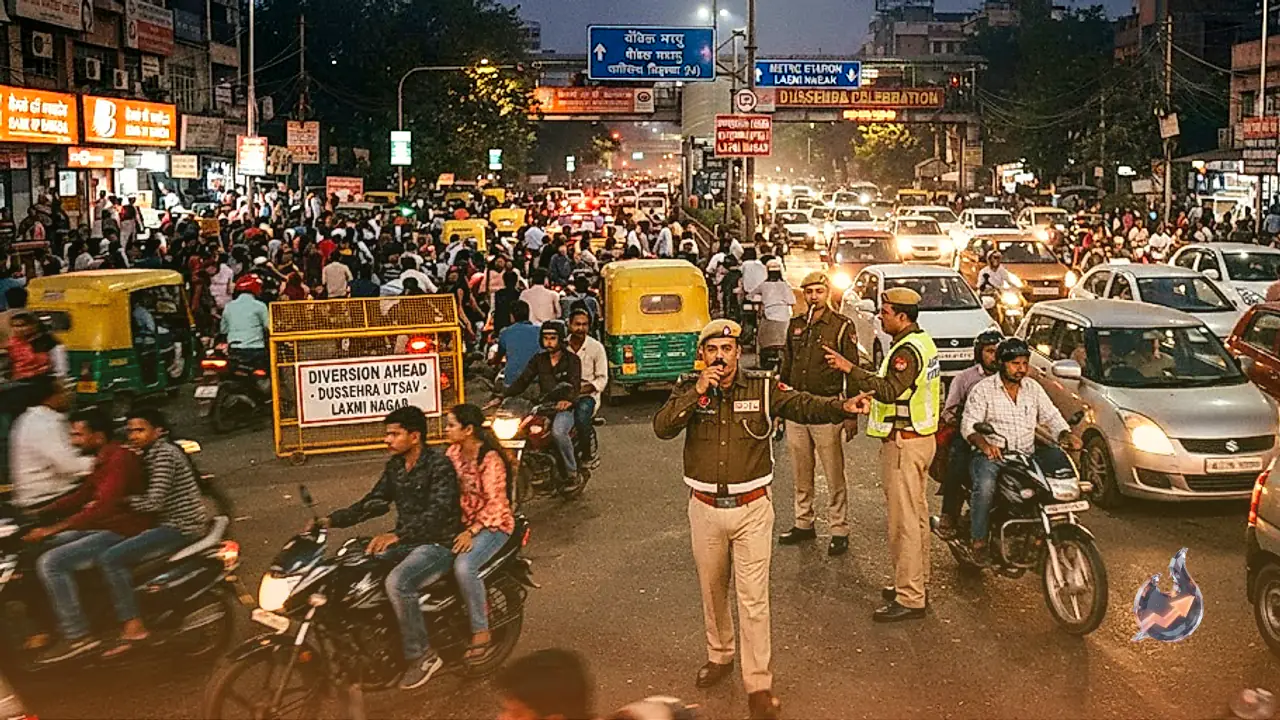






















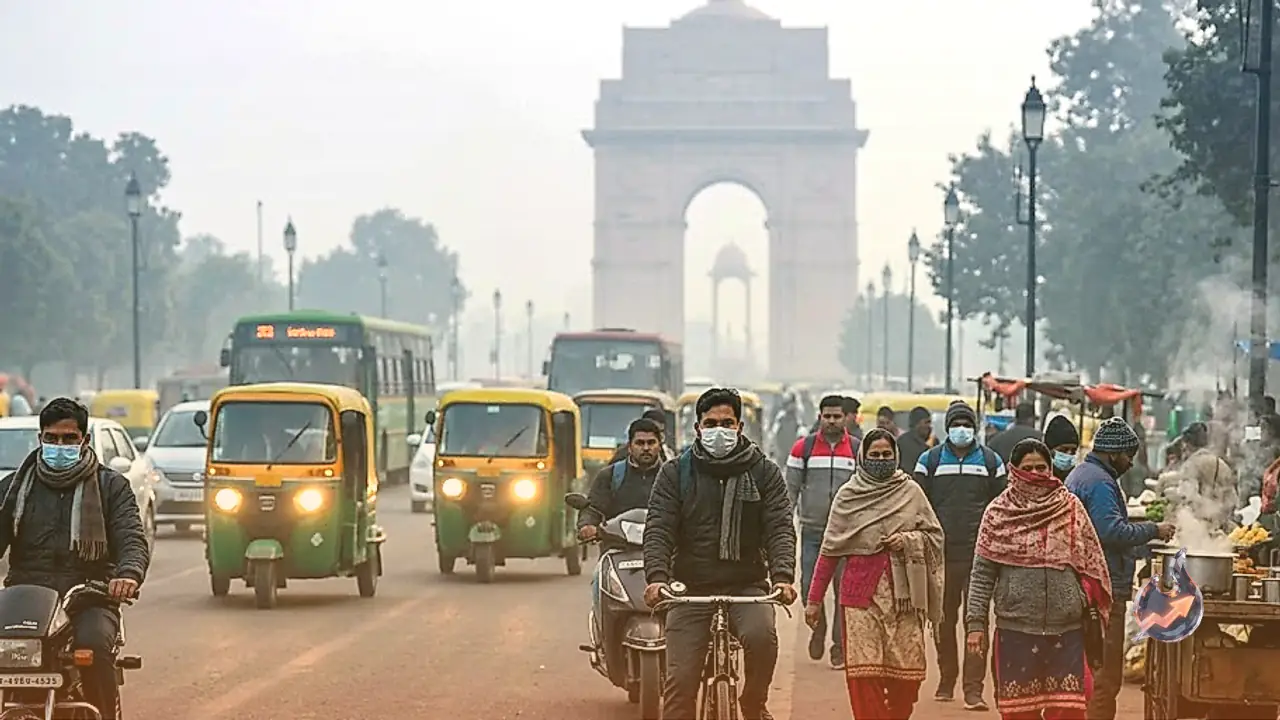

A distinct shift in weather patterns across the National Capital Region has brought an early winter chill alongside familiar concerns regarding deteriorating air quality. Following the festive period around Dussehra, the retreat of monsoon showers has paved the way for lower mercury levels. As the atmosphere cools down, pollutants have begun lingering near the ground, sparking health worries for local residents. The simultaneous arrival of cold winds and toxic particulates raises the likelihood of respiratory infections, seasonal cough, and viral illnesses, making physical precautions essential for everyday commuters and vulnerable individuals.
Forecast Details and Daily Temperature Shifts
According to forecasts issued by the India Meteorological Department, conditions across Delhi and adjoining cities on October 20 are projected to remain predominantly clear and pleasant through the afternoon. The morning began with mercury hovering around 18 degrees Celsius, while daytime maximum temperatures are likely to peak between 31 and 33 degrees Celsius under open skies. The cooling effect becomes pronounced after sunset, with night temperatures projected to dip as low as 17 degrees Celsius. Light to moderate winds during the daytime will maintain comfortable outdoor conditions despite the presence of haze.
Pollution Indicators and Rising Particulate Matter
Behind the pleasant daytime breeze lies a worsening air quality scenario. The Air Quality Index in several monitoring zones across the capital sits between 130 and 180, placing local air firmly in the moderate to poor brackets. Several designated hotspots across the territory report even higher concentrations of pollutants. Elevated readings of PM2.5 and PM10 particles pose immediate hazards to elderly citizens, young children, and individuals suffering from chronic bronchial conditions. The onset of winter inversion coupled with agricultural stubble burning in neighboring agrarian states continues to drive this steady spike in air toxicity, with specialists anticipating further deterioration over the coming days.
Practical Precautions for Commuters and Residents
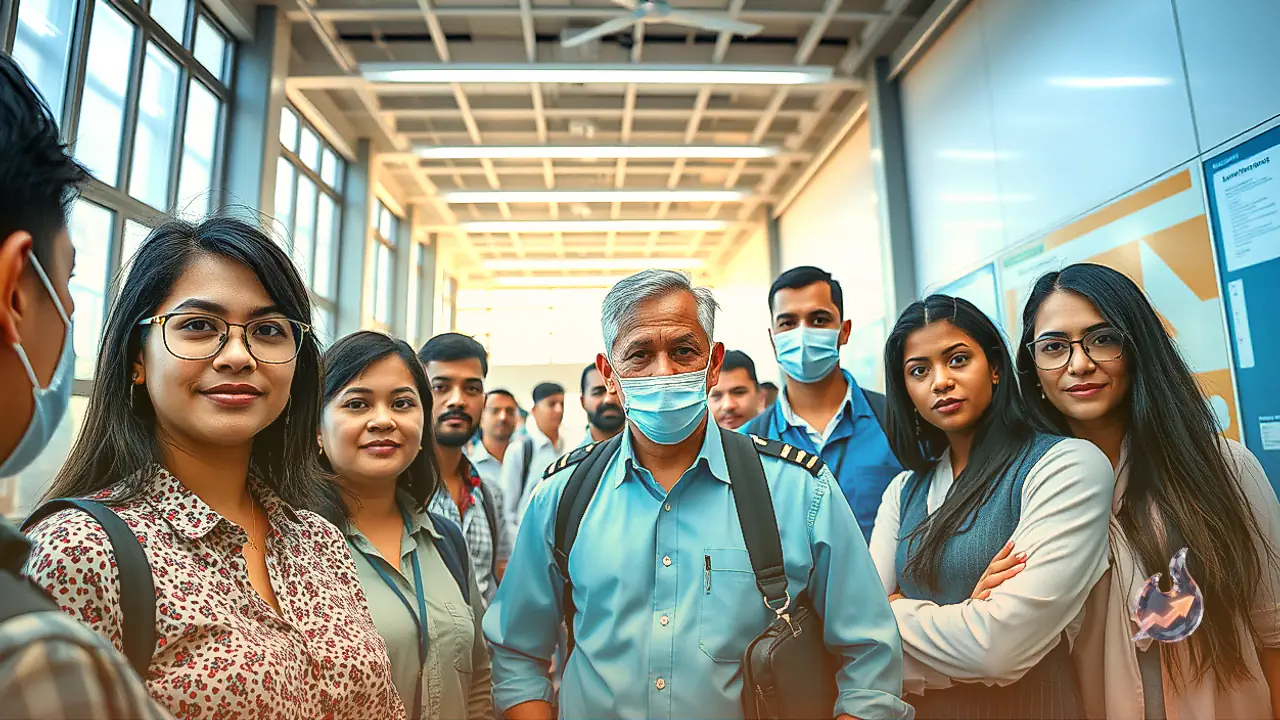
While daytime outdoor routines can proceed normally, morning and evening hours demand elevated care. Wearing a protective mask during early morning walks or evening commutes helps minimize inhalation of suspended particles. The sharp transition between warm afternoons and chilly evenings creates ideal conditions for viral spread. Consequently, students, corporate commuters, and outdoor workers are advised to carry light woollen attire to avoid sudden exposure to falling temperatures after sundown. Taking prompt preventive steps remains the most reliable defense against the dual challenges of seasonal illness and persistent pollution.