



















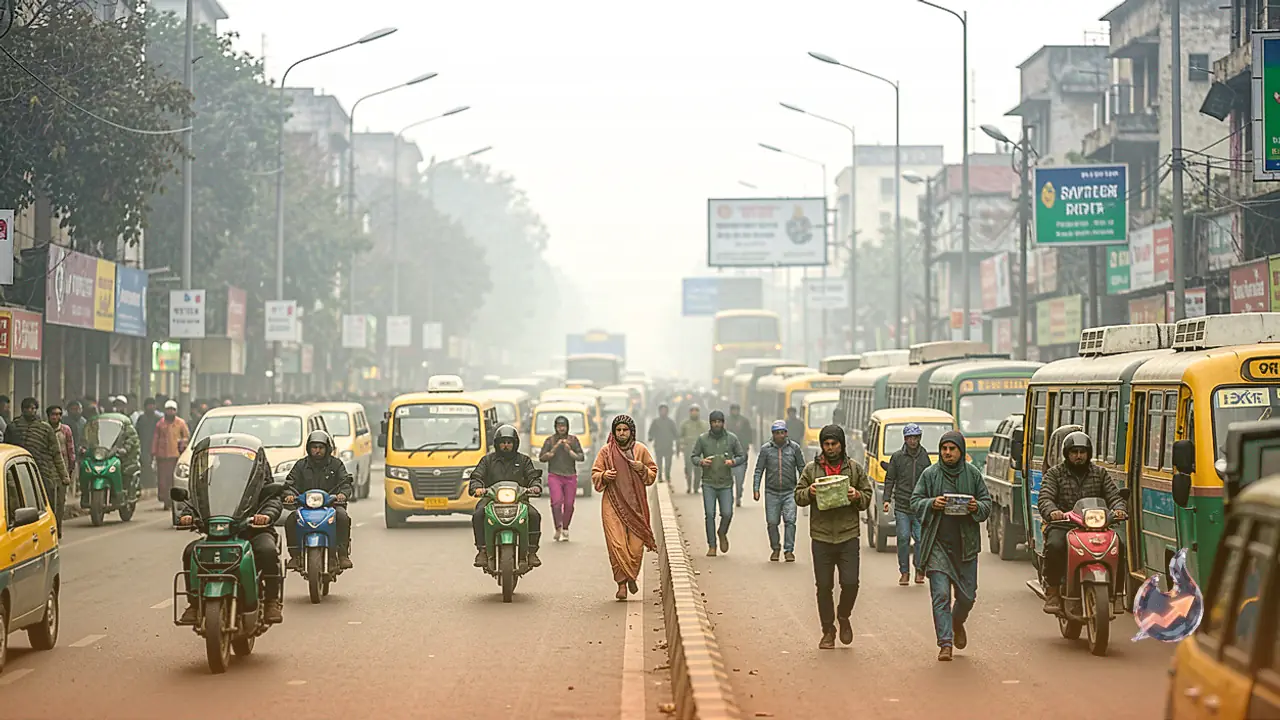

With the onset of the winter season, the air quality in the national capital of Delhi has begun to deteriorate significantly, raising serious health and environmental concerns. To tackle this escalating pollution crisis under the newly implemented GRAP-1 guidelines, the Delhi Metro Rail Corporation has stepped up its efforts. Aimed at providing commuters with a clean and safe journey while curbing the massive volume of private vehicles on city roads, the metro administration has officially announced a series of major decisions to combat smog.
Twenty Extra Daily Metro Trips Starting October 22
To actively reduce the reliance on private automobiles and strongly promote public transport as a viable alternative, the Delhi Metro Rail Corporation will operate 20 additional trips across its entire network every single day starting from October 22, 2026. This special arrangement will remain in effect from Monday through Friday each week. Because of these extra runs, commuters during both peak and non-peak hours will experience reduced waiting times at platforms, which will substantially ease station congestion and encourage more citizens to leave their personal cars behind in favor of the metro system.
Strict Monitoring at Construction Sites and Roadsides
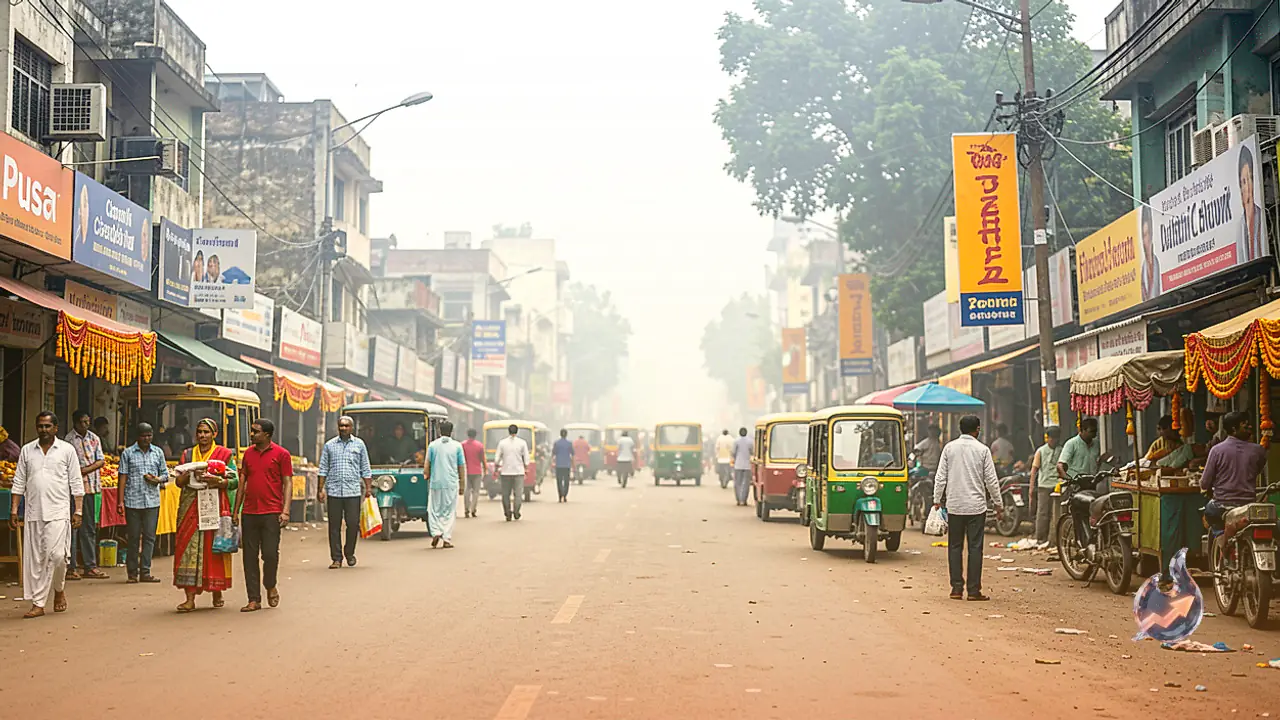
Aside from passenger transit enhancements, the metro administration has launched a special campaign to aggressively suppress dust generation around all metro construction sites and adjacent thoroughfares. Priority is being heavily placed on thorough street cleaning, clearing accumulated debris, and tidying up dirt near walkways and road dividers. Dedicated engineers from the Delhi Metro Rail Corporation are personally inspecting construction zones and surrounding roads to verify compliance. They are specifically ensuring that all building materials remain properly covered and that vehicle wheel-washing mechanisms installed at exit points of construction yards are operating without any faults.
Deployment of Anti-Smog Guns and Inspection Teams
According to figures from the Delhi Metro Rail Corporation, roughly 31 kilometers of roadways currently fall under their temporary jurisdiction due to ongoing metro infrastructure projects. Maintenance and repair work on the vast majority of these stretches has already been completed. To effectively minimize airborne dust particles, more than 250 advanced anti-smog and mist guns have been installed across various active construction sites, metro stations, and administrative offices. Furthermore, dedicated environmental department teams are conducting daily field inspections to guarantee strict adherence to all established pollution control regulations across the network.