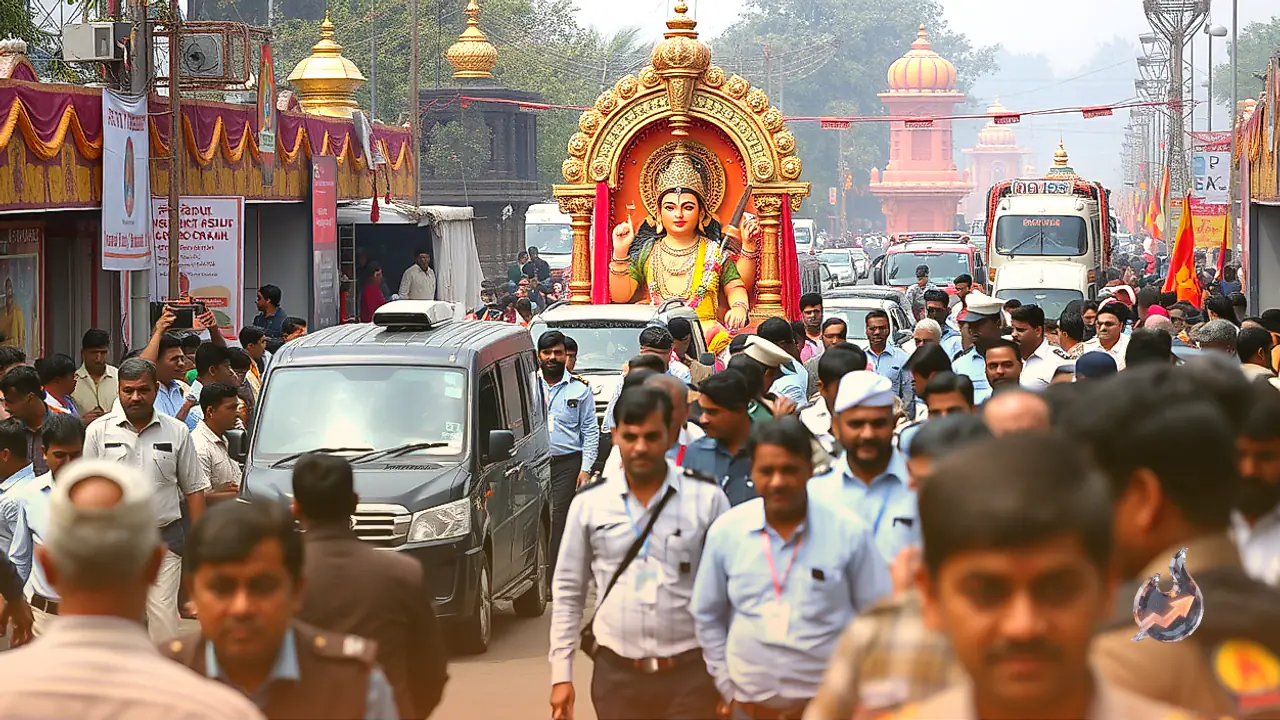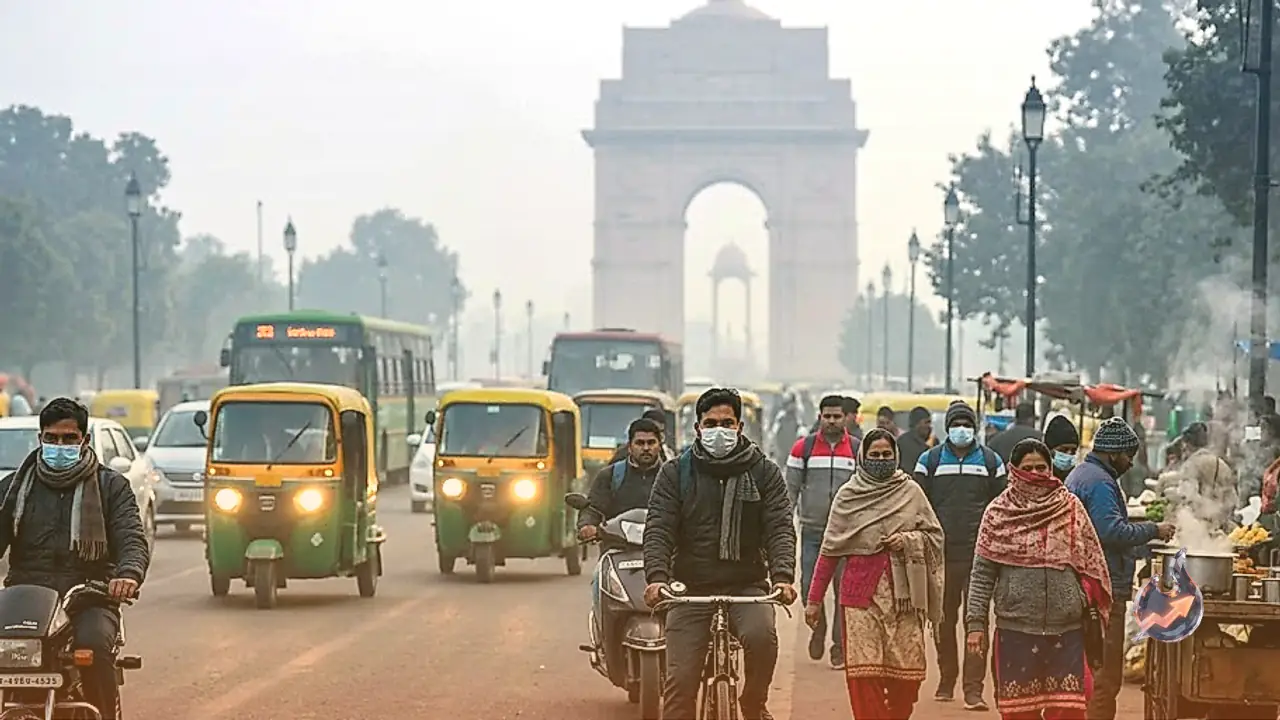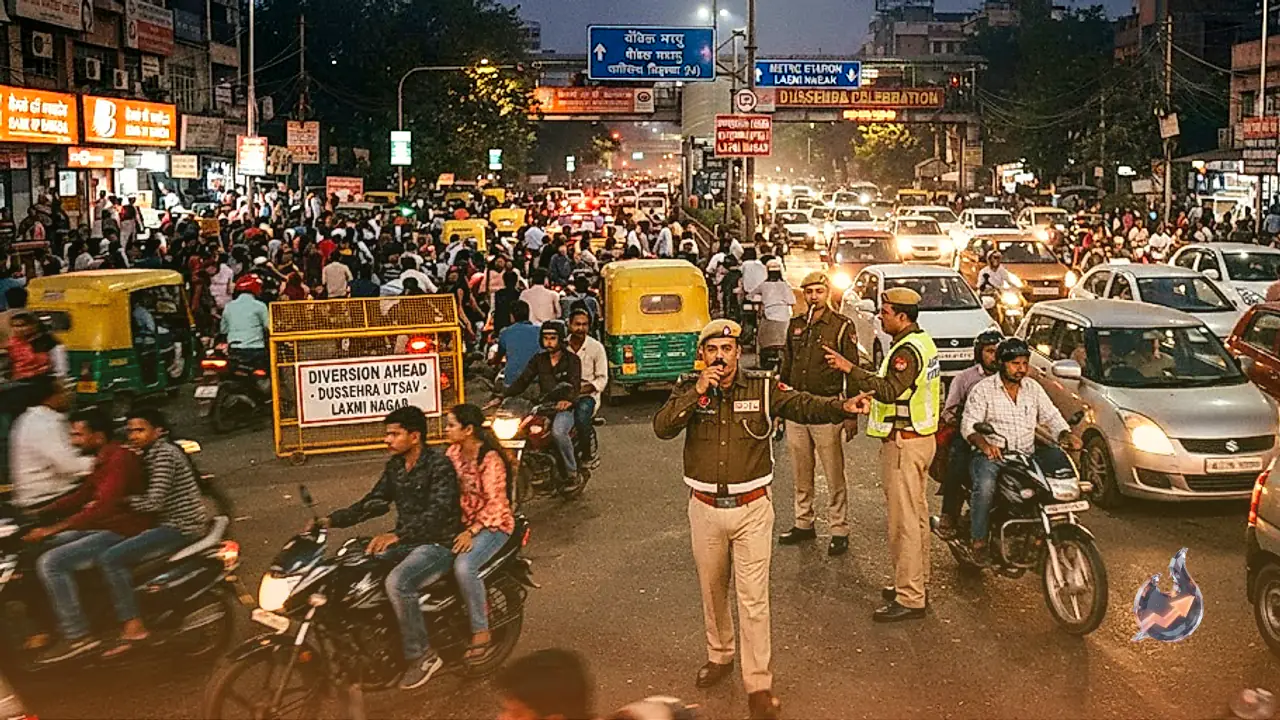







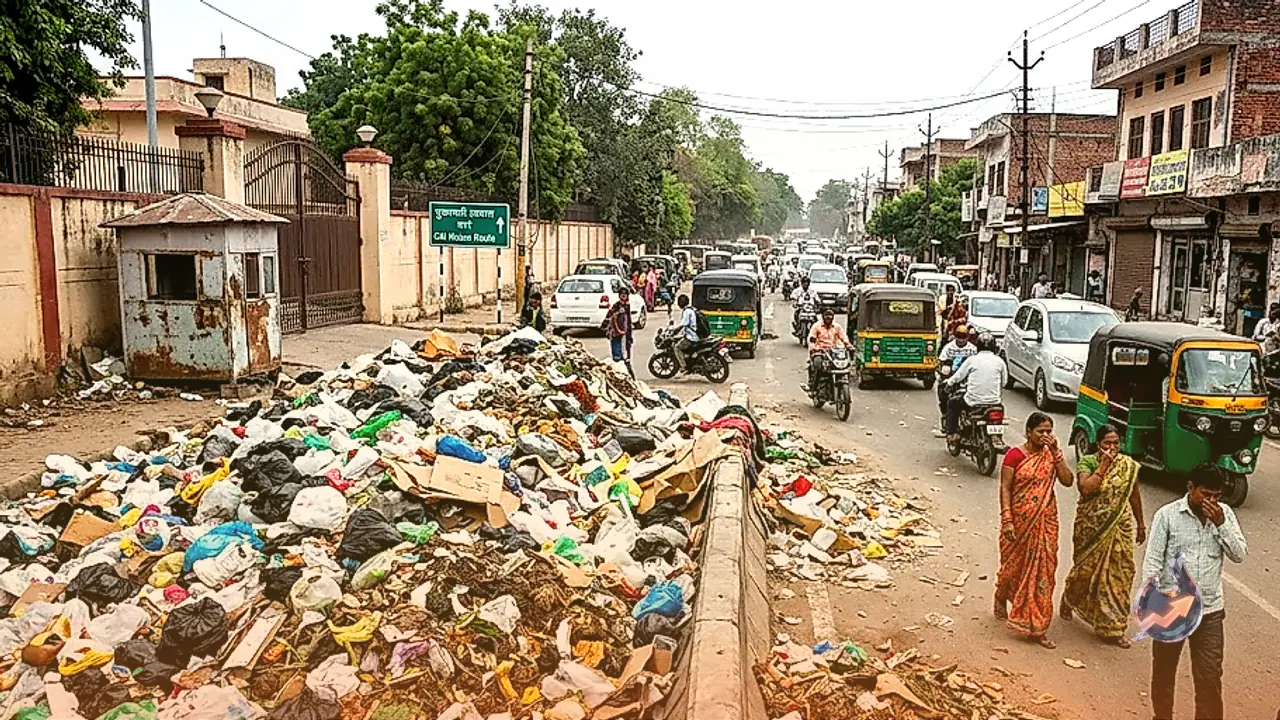














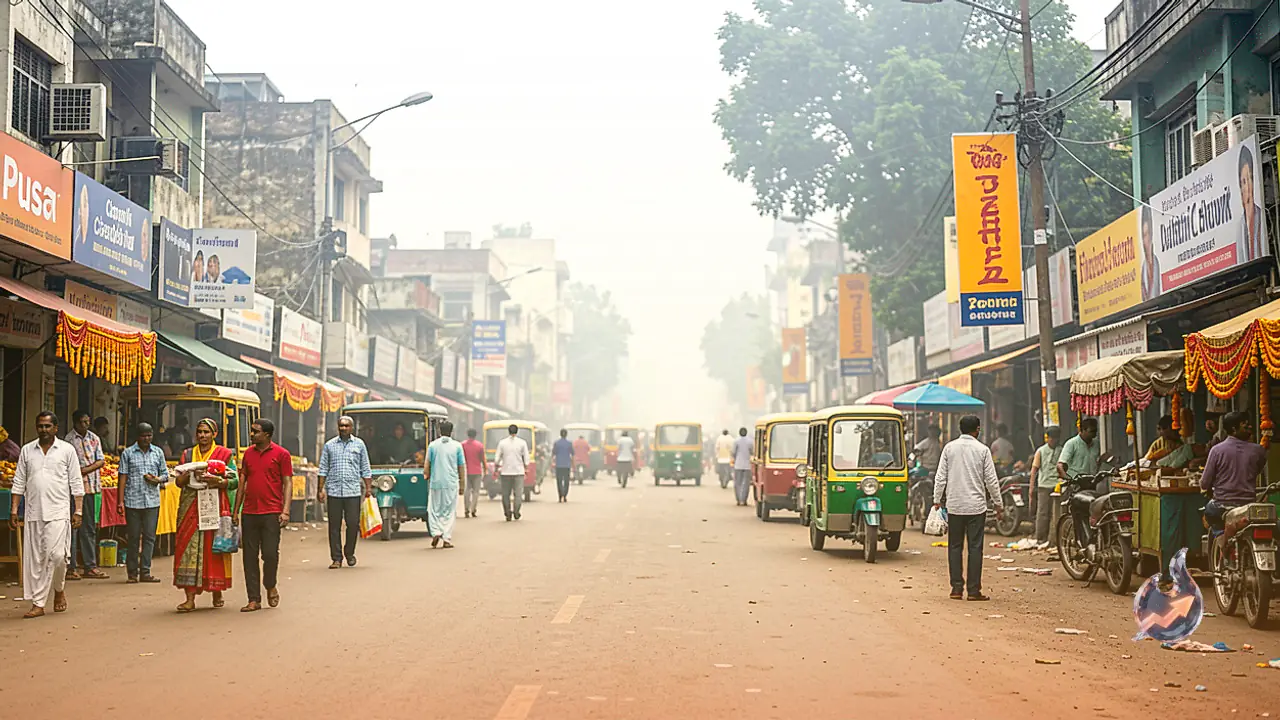

Air pollution levels across the national capital witnessed a sharp surge immediately following Dussehra festivities. On Wednesday morning, most neighbourhoods in Delhi slipped into the 'poor' air quality bracket, while specific monitoring pockets touched the 'very poor' threshold. Multiple stations across the city recorded an Air Quality Index reading at or above 300, bringing dense haze and reduced visibility to early morning commuters.
Sharp Spike Recorded During Morning Hours
Data released by the Central Pollution Control Board revealed that at 8:05 AM, the Air Quality Index at Pusa stood at 318, firmly placing it in the 'very poor' category. The commercial hub of Chandni Chowk closely followed with an index reading of 302, which also qualifies as 'very poor'. The residential area of R K Puram touched the border with an AQI of 300. By 9:00 AM, the overall average Air Quality Index for the capital was calculated at 233, falling within the 'poor' classification. Meanwhile, Delhi recorded a minimum temperature of 18 degrees Celsius, which is below the seasonal average.
Station-Wise Pollution Levels Across the Capital
The Central Pollution Control Board logged the following Air Quality Index numbers across distinct localities at 8:05 AM on Wednesday
- Pusa: 318 (Very Poor)
- Chandni Chowk: 302 (Very Poor)
- R K Puram: 300 (Poor)
- Mandir Marg: 289 (Poor)
- Dwarka Sector 8: 288 (Poor)
- Bawana: 277 (Poor)
- Rohini: 276 (Poor)
- Okhla Phase 2: 272 (Poor)
- Jawaharlal Nehru Stadium: 270 (Poor)
- Talkatora Garden: 256 (Poor)
- Narela: 255 (Poor)
- Alipur: 243 (Poor)
- Najafgarh: 242 (Poor)
- IGI Airport Terminal 3: 239 (Poor)
- Burari Crossing: 233 (Poor)
- Wazirpur: 231 (Poor)
- CRRI Mathura Road: 229 (Poor)
- Aya Nagar: 225 (Poor)
- Anand Vihar: 152 (Moderate)
Factors Driving the Sudden Deterioration
According to figures provided by the Central Pollution Control Board, the sudden deterioration in air quality developed between Tuesday night and Wednesday morning. This dip followed extensive Dussehra celebrations on Tuesday evening, during which effigies were burnt and firecrackers were set off in various open grounds across the metropolis. The emissions generated by these festive combustions lingered close to the surface overnight.
Agricultural residue burning across adjoining northern states has also begun adding to the regional pollutant load. Satellite observations compiled by NASA documented 182 farm fire incidents across Punjab and Haryana in the three-day window ending October 20. Since October 1, the total count of farm fires has reached 397, compared to 523 recorded during the corresponding timeframe last year. Dropping autumn temperatures combined with sluggish surface winds have further prevented these airborne particulates from dispersing effectively.