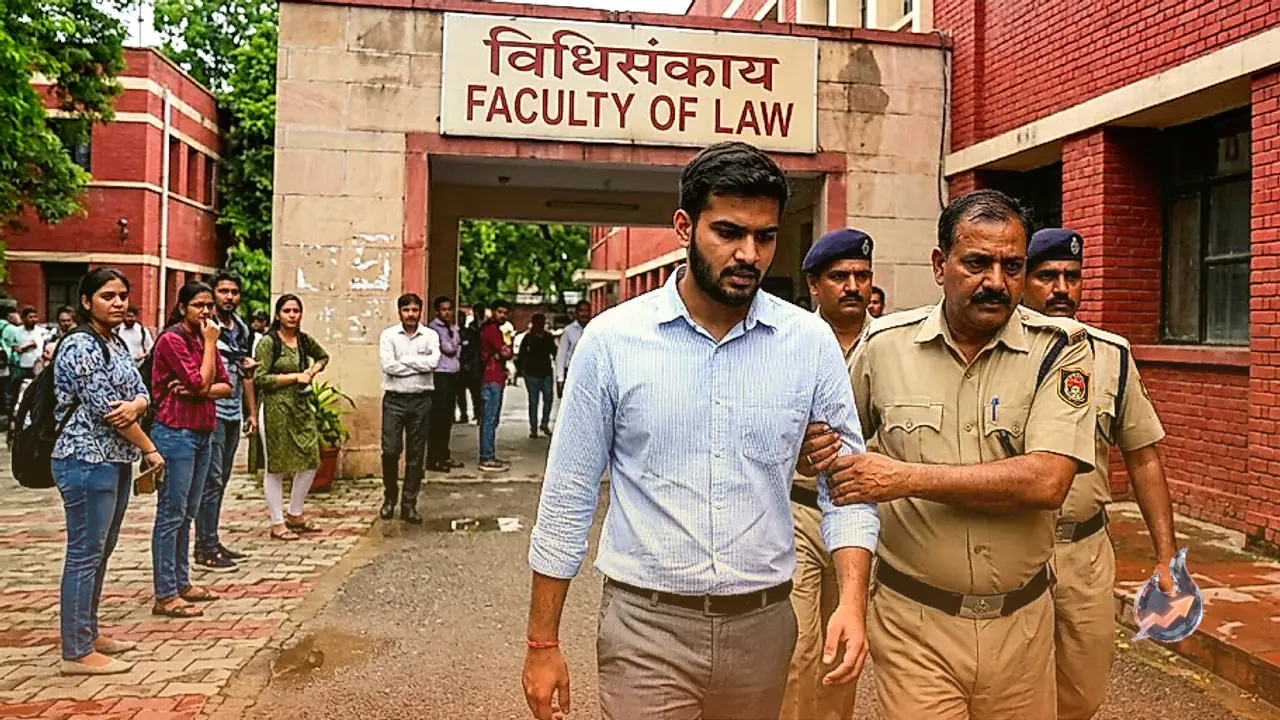
























The Supreme Court heard multiple petitions on Tuesday regarding the student demonstrations held at Jantar Mantar in Delhi, addressing various legal challenges and counter-arguments presented by different counsels representing the protesting groups and law enforcement agencies.
Formation of the High-Powered Committee
During the proceedings, the court announced its decision to establish a high-powered committee supervised by former judges and former police officials to conduct an independent and thorough inquiry. The bench noted that the panel will not merely submit a single confidential report at the conclusion, but will continuously review emerging developments and file periodic reports so that the judiciary can issue interim directions whenever necessary.
Arguments on FIRs and Legality
Advocate Vrinda Grover, appearing for the petitioners, urged the bench to issue orders quashing all existing FIRs related to the protests. Opposing this plea, counsel Syed Rizwan argued against granting blanket relief, contending that such an order would set a dangerous precedent and that the march toward Parliament was unlawful. The bench observed that all concerned parties are free to submit their complete lists of FIRs directly to the committee.
Injured Police Personnel and Action Guidelines
Solicitor General Tushar Mehta informed the court that over two hundred police personnel sustained serious injuries due to stone-pelting during the unrest. Addressing the scope of action, the Chief Justice stated that fundamental rights allow peaceful assemblies, and directed that no coercive steps should be taken against ordinary demonstrators who lack habitual criminal backgrounds, while excepting heinous offenses like murder, rape, and POCSO.
Online Threats and Technological Concerns
Several lawyers raised ancillary grievances, including online threats directed at women participants, the restriction of victims' social media accounts, and the employment of facial recognition technology by authorities. The bench noted that the newly formed committee will examine all relevant grievances comprehensively, and invited suggestions from all participating counsels to finalize the terms of reference before issuing formal orders.