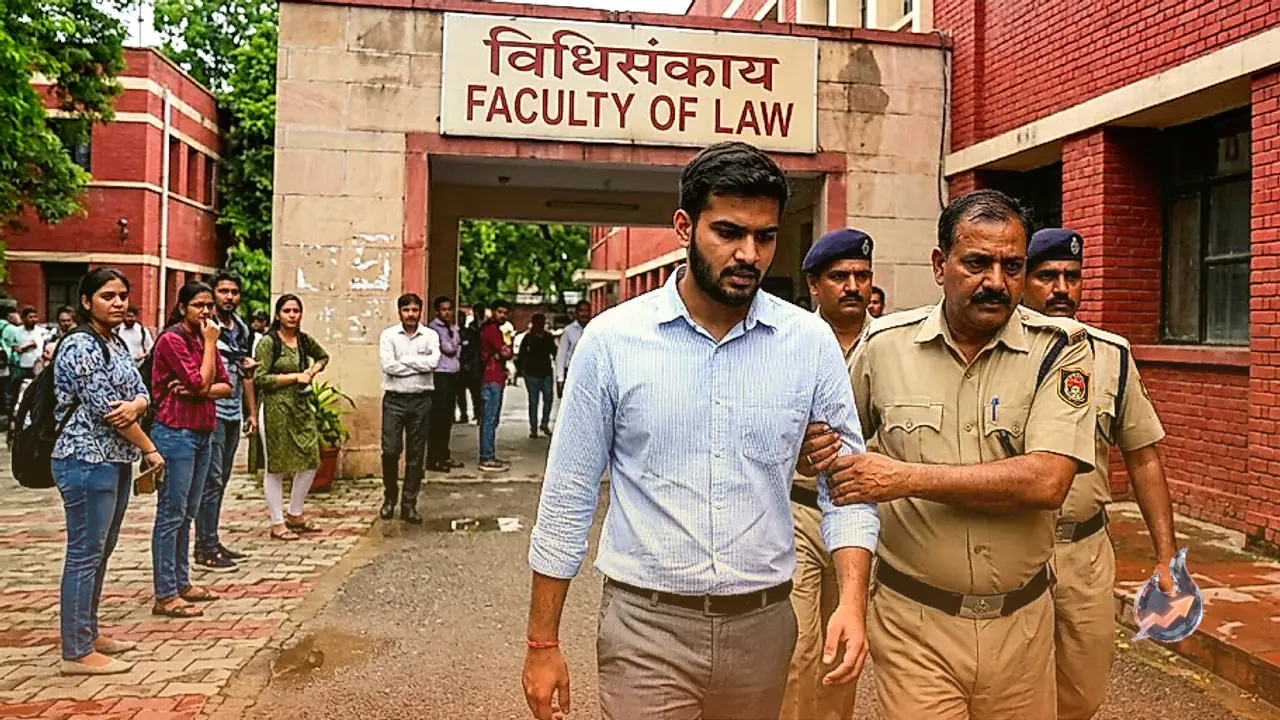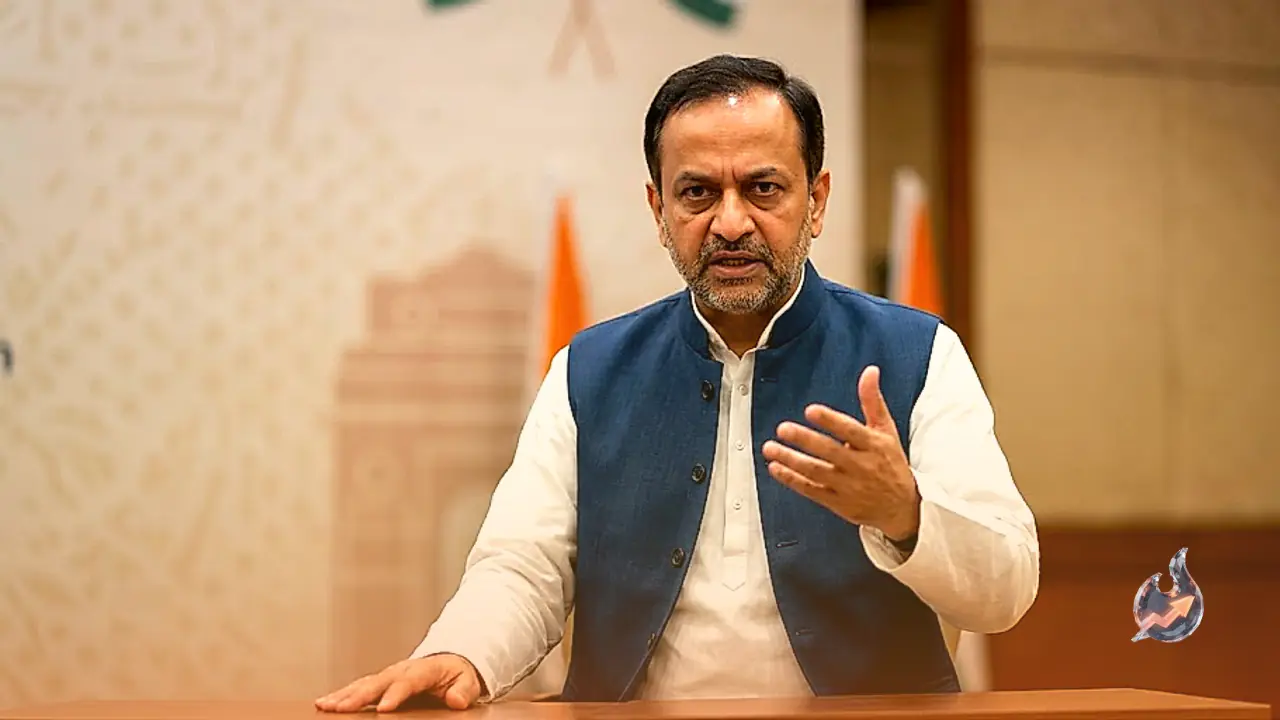



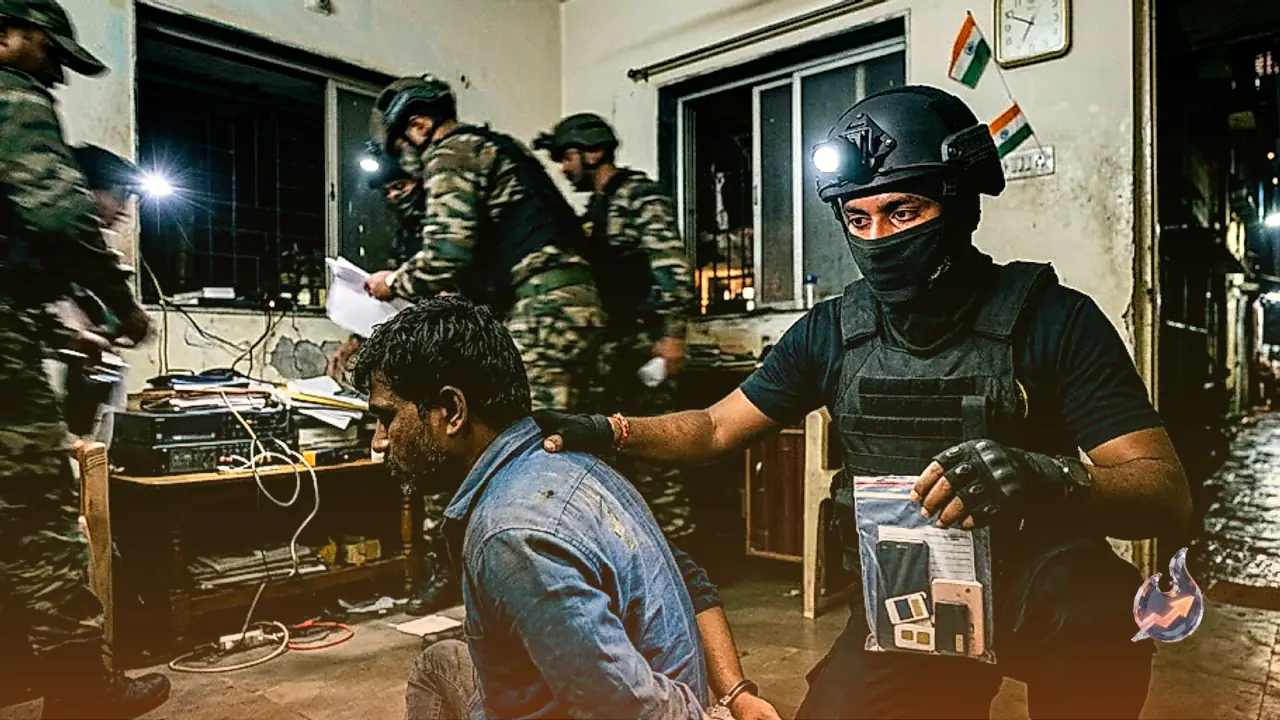

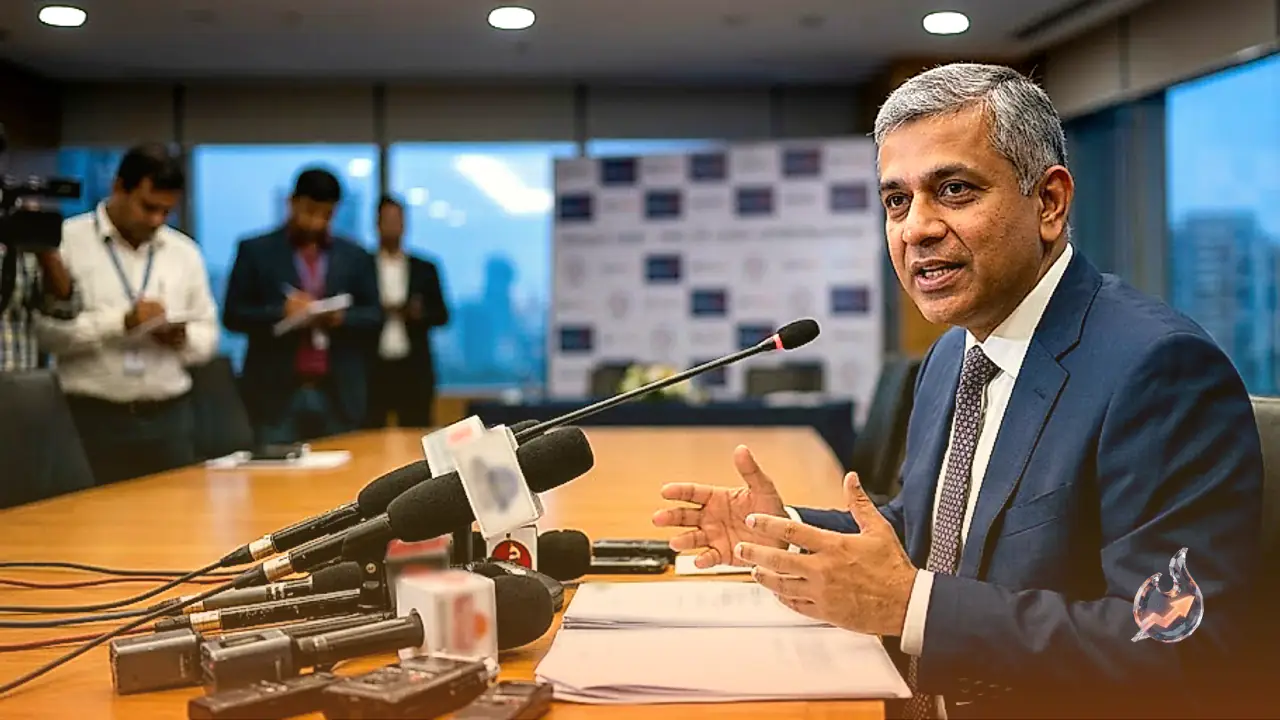















The Anti Corruption Branch (ACB) has taken major enforcement action in a high-profile corruption case involving the sewage treatment plant (STP) upgrading and expansion tenders of the Delhi Jal Board (DJB). Senior Aam Aadmi Party (AAP) leader and former Delhi Minister Satyendar Jain has been arrested following allegations of large-scale financial irregularities, tender manipulation, and criminal conspiracy. The case was formally registered based on a detailed complaint submitted by the Vigilance Directorate of the Delhi government. Investigators allege that technical parameters within the tender documents were systematically altered to restrict fair competition and provide undue commercial advantages to a favored private company. Along with Satyendar Jain, five other individuals have been taken into custody, bringing the total number of arrests in the case to six.
List of Accused and Their Roles in the Alleged Conspiracy
According to the official investigation details released by the Anti Corruption Branch, the probe has uncovered a structured nexus operating between senior public servants, consultants, private businessmen, and intermediary firms. The six key individuals named and arrested in connection with the DJB tender irregularities include former Delhi Minister Satyendar Jain and former Delhi Jal Board Chief Executive Officer (CEO) Udit Prakash Rai. Additionally, former contractual consultant to the Jal Board, Ankit Srivastava, has been arrested for his alleged involvement in drafting and altering tender conditions.
The private entities and alleged middlemen taken into custody comprise Nagendra Yadav, owner of A.N. Enterprises; Raja Kumar Kurra, owner of Euroteck Environment Pvt. Ltd.; and Pankaj Verma, proprietor of Srijanhar. Investigators state that these six individuals collaborated to influence government decision-making, manipulate formal procurement criteria, handle illicit money flows, and compromise the integrity of public infrastructure projects funded by the state treasury.
Manipulation of Tender Conditions to Favor Euroteck
The formal complaint from the Vigilance Directorate highlights extensive procedural and technical breaches during the drafting and release of tenders for upgrading DJB's sewage treatment plants. Investigators allege that the technical specifications were engineered specifically to benefit Euroteck Environment Pvt. Ltd., a company that provided a specialized technology required under the modified guidelines. By framing highly restrictive criteria, the procurement process effectively blocked competing firms, curtailed open market bidding, and funneled the contract opportunity to the chosen private beneficiary.
Furthermore, the investigation revealed that a mandatory pilot study, which was supposed to evaluate the technology before full-scale implementation, was deliberately omitted. Restrictive clauses concerning the required technology media were introduced into the tender documents, while critical standards governing treated effluent quality were surprisingly left out. Subsequent corrigendums were issued to alter technical specifications further, reinforcing terms that systematically aligned with Euroteck's proprietary offerings.
Electronic Evidence Uncovers Direct Collusion
Digital forensics conducted by the Anti Corruption Branch played a central role in exposing the underlying conspiracy. Analysis of electronic evidence recovered during the probe revealed extensive digital communications, messages, and document exchanges between private individuals, intermediaries, and government officials. These exchanges involved detailed discussions about tender conditions, technical criteria, corrigendum drafts, and internal project documentation well before their official public release.
According to the ACB, several draft clauses and modified terms discussed privately among the co-conspirators were later incorporated directly into the official tender notices published by the Delhi Jal Board. This digital paper trail provides concrete evidence of an illicit nexus designed to manipulate public procurement processes in favor of a specific technology vendor.
The 1.52 Crore Bribe Trail and Real Estate Investments
The investigation has also laid bare financial transactions involving substantial bribe payments and complex laundering mechanisms. Financial investigators report that money originating from entities linked to Euroteck was channeled through intermediary organizations, specifically Srijanhar and A.N. Enterprises, to mask the illegal nature of the funds.
Specifically, the ACB discovered that Nagendra Yadav, the owner of A.N. Enterprises, acted as a key conduit to transfer funds directly into the bank accounts of then DJB CEO Udit Prakash Rai and his close relatives. Banking records examined by the agency confirm that Udit Prakash Rai and his family members allegedly received approximately ₹1.52 crore (1.52 crore rupees) in bribe payments through formal banking channels. Investigators allege that this illicit sum was subsequently utilized by the former official to purchase immovable real estate properties. The ACB confirmed that the ultimate source of the funds routed through A.N. Enterprises was directly linked back to Euroteck. Additionally, authorities are scrutinizing meetings and communications between Raja Kumar Kurra, Nagendra Yadav, and Ankit Srivastava regarding tender terms, corrigendum modifications, and overall STP project execution.
Current Status of Investigation and Rights of the Accused
The arrest of Satyendar Jain, Udit Prakash Rai, and four co-accused marks a critical juncture in the ongoing probe into the Delhi Jal Board STP tender scandal. However, law enforcement authorities emphasize that all allegations remain under active investigation. Under the Indian legal system, every accused person retains the constitutional right to due process, full legal representation, and the opportunity to present a defense in court as judicial proceedings move forward.