



















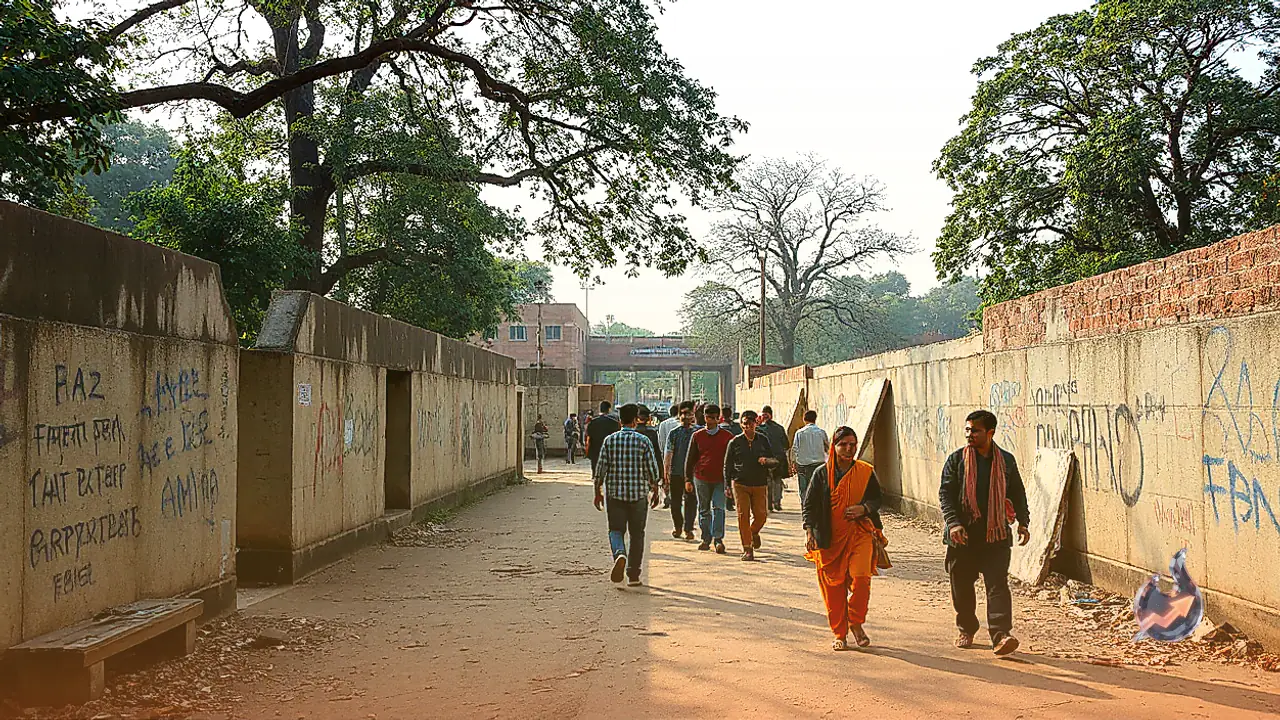

Fresh tensions have flared across the Jawaharlal Nehru University (JNU) campus following the discovery of provocative political graffiti and objectionable slogans written across public spaces and walls. Recent images from the university grounds reveal slogans such as "FREE UMAR KHALID" and "LONG LIVE NAXALBARI" scrawled across campus structures. Furthermore, objectionable remarks were targeted at a portrait of freedom fighter Veer Savarkar, an act widely attributed to cadres of the left-wing student organization AISA. These developments have triggered serious concerns regarding whether ideological disagreements within the university are straying from healthy democratic discourse into deliberate provocation and confrontation.
Controversial Slogans and Sloganeering Under the Spotlight
The defacement of university walls with calls for the release of Umar Khalid, alongside radical political references, has become a major flashpoint. The slogans have gained broader attention amid public controversies surrounding AISA national president Neha Bora, who has openly raised slogans advocating for Umar Khalid on prominent public platforms. Observers note that painting such polarizing slogans directly on campus walls poses a significant risk to the tranquil academic environment of the university. Umar Khalid remains lodged in judicial custody under orders of the Supreme Court in connection with the alleged anti-national conspiracy case tied to the 2020 Delhi riots.
ABVP Outlines Objections and Demands Administrative Measures
The JNU unit of the Akhil Bharatiya Vidyarthi Parishad (ABVP) registered a strong objection against left-wing student organizations and the left-led JNU Students' Union (JNUSU). The student outfit stated that rather than advocating for genuine student welfare and academic concerns, promoting slogans like 'Free Umar Khalid' and 'Long Live Naxal' damages the campus atmosphere. While affirming that JNU has historically been an institution celebrating debate and diverse viewpoints, the group argued that defacing public property, insulting national figures, and glorifying violent political ideologies cannot be justified. Such conduct undermines the academic culture of the campus and infringes upon the rights of students seeking peaceful study conditions.
Statements from Student Representatives
Reacting to the incident, ABVP JNU president Mayank Panchal stated that intellectual freedom cannot be weaponized to demean historical figures or other ideologies. Emphasizing this stance, he stated,
"Writing offensive remarks on the portrait of a freedom fighter like Veer Savarkar and writing radical political slogans on campus walls is an attempt to vitiate the university's atmosphere."Panchal asserted that the broader student fraternity at JNU rejects chaotic and divisive politics. He called upon the university administration to take direct cognizance of the vandalism, identify those responsible, and initiate necessary disciplinary action to preserve the decorum of the academic setting.
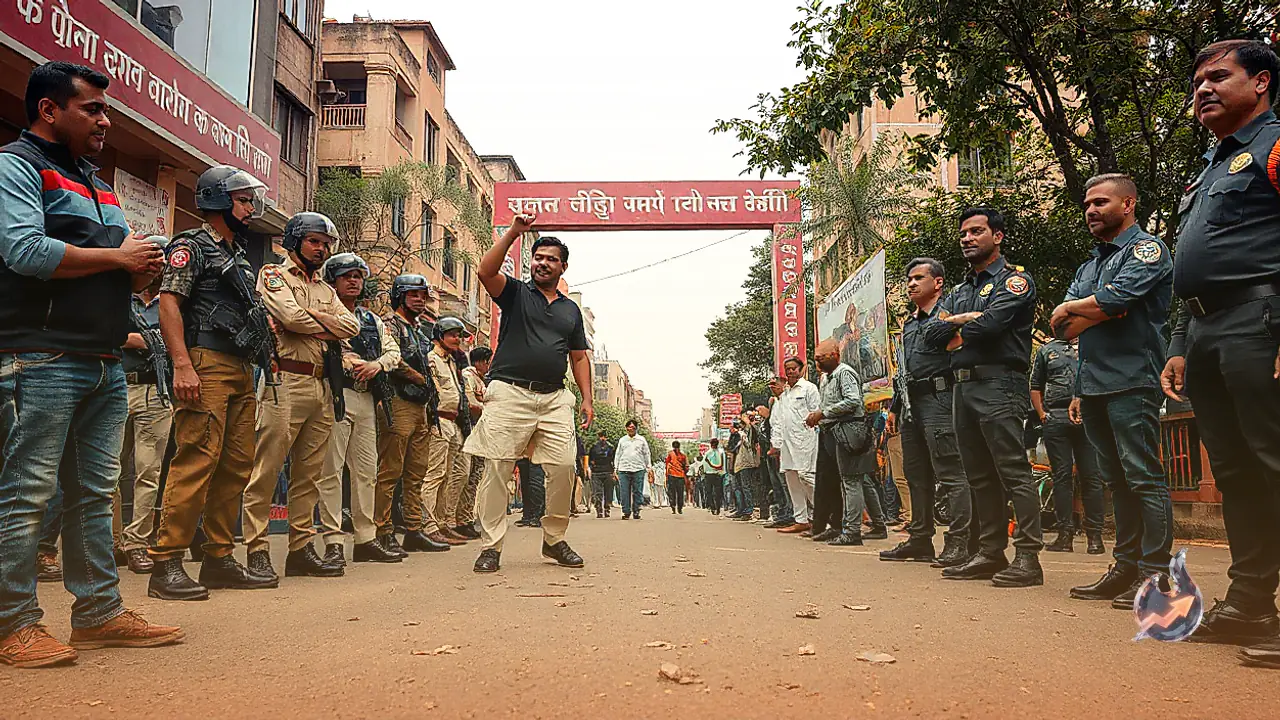
Adding to these concerns, JNU secretary Praveen Piyush observed that concerted efforts are being made by left-affiliated groups to disturb institutional harmony. He noted that the university does not belong exclusively to any single ideology. While the right to dissent remains fundamental, inflicting damage on public property, insulting national heroes, and triggering campus tensions through radical slogans runs entirely contrary to the interests of the student community. The incident follows earlier confrontations at the university, including a major clash at the JNU main gate between protesting students and the Delhi Police that involved intense physical scuffles.