



















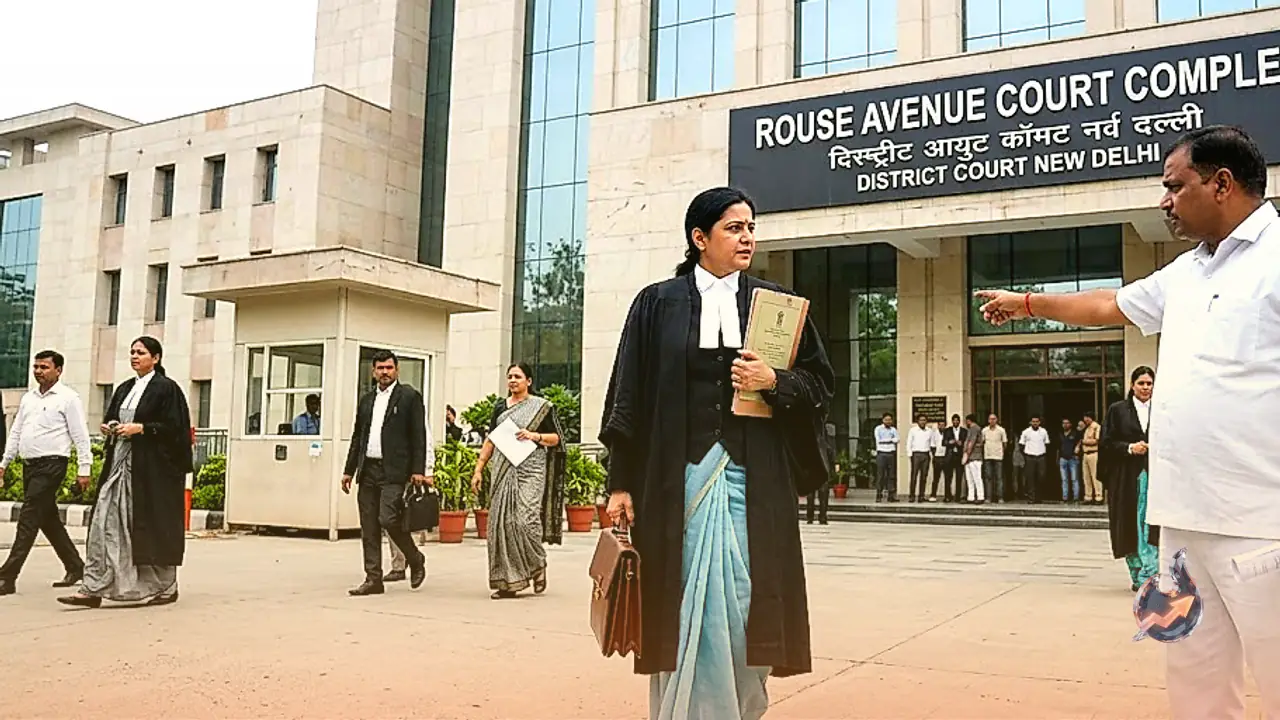

The Delhi High Court has executed a major administrative overhaul within the national capital's judicial system by issuing transfer and posting orders for 138 judges belonging to the Delhi Higher Judicial Service (DHJS). Under this extensive restructuring, the Rouse Avenue Special Court complex has been substantially reinforced, with 13 judges assigned to adjudicate high-profile and sensitive criminal cases. These judicial officers will preside over matters prosecuted under stringent special statutes, including the Unlawful Activities Prevention Act (UAPA), the National Investigation Agency Act (NIA Act), the Narcotic Drugs and Psychotropic Substances Act (NDPS Act), and the Maharashtra Control of Organised Crime Act (MCOCA).
Realignment of Fast Track Special Court for Paper Leak Cases
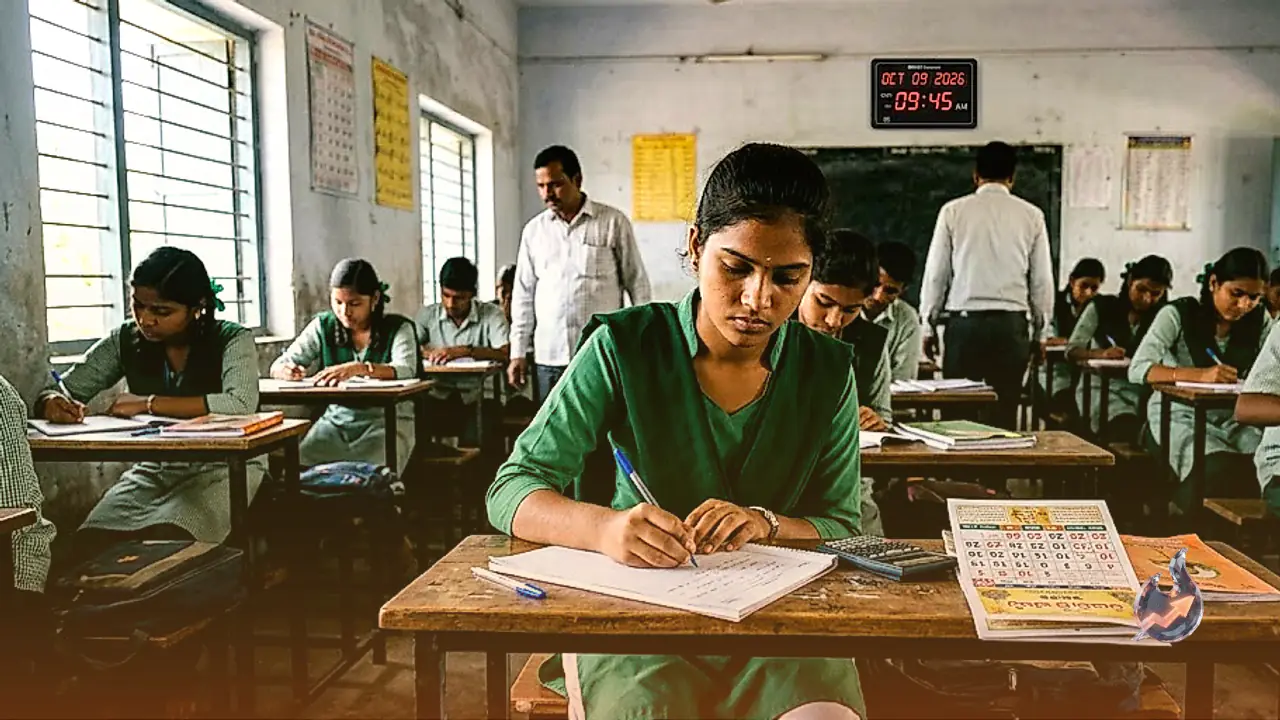
In a key judicial reassignment at the Rouse Avenue Fast Track Special Court, Judge Ajay Gupta has been appointed to preside over matters related to paper leaks. He replaces Special Judge Anu Grover Baliga, who was previously hearing these proceedings. The Fast Track Special Court at Rouse Avenue was specifically established to expedite trials involving academic and recruitment examination compromises. Notably, the court complex recently adjudicated the NEET paper leak case, where the bail plea of accused Dr. Manoj Shirure was rejected.
Six Special Exclusive NIA Judges Appointed at Rouse Avenue
As part of the High Court's directives, 6 judges have been assigned to function as Special Exclusive NIA Judges at the Rouse Avenue Court complex. The appointed judicial officers are Anu Grover Baliga, Vikas Dhul, Prashant Sharma, Amit Bansal, Kiran Bansal, and Pulastya Pramachala. According to the official notification, these 6 judges will assume their duties in the Special Exclusive NIA Courts starting August 4. The newly created NIA courtrooms at the Rouse Avenue complex are scheduled for formal inauguration on Monday.
Centralization of MCOCA, NDPS, and NIA Courts at Rouse Avenue
The administrative reorganization also involves significant structural shifting of courtrooms across Delhi. Previously, specialized NIA courts operated out of the Patiala House Court complex, but they have now been relocated to Rouse Avenue. Furthermore, courts designated for trial under MCOCA and the NDPS Act, which were earlier functioning in piecemeal fashion across various district courts in Delhi, have now been centralized under one roof at the Rouse Avenue Court complex.
Accelerating Justice and Streamlining Pending Matters
This comprehensive transfer list issued by the Delhi High Court is being viewed as one of the most significant administrative reshuffles in the state judiciary in recent years. The core objective behind these strategic postings and court realignments is to accelerate the disposal of long-pending trials under specialized penal laws. By centralizing these tribunals and assigning dedicated bench strength, the judiciary aims to ensure optimal utilization of judicial infrastructure and human resources.