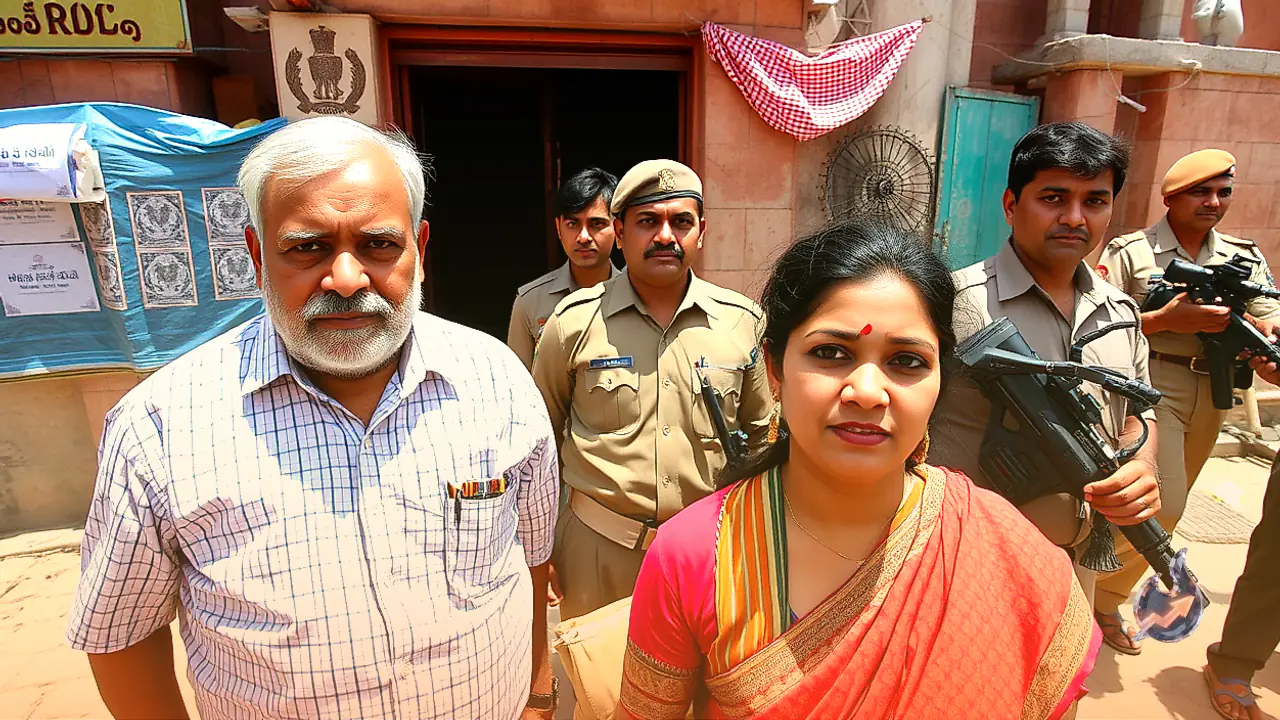




















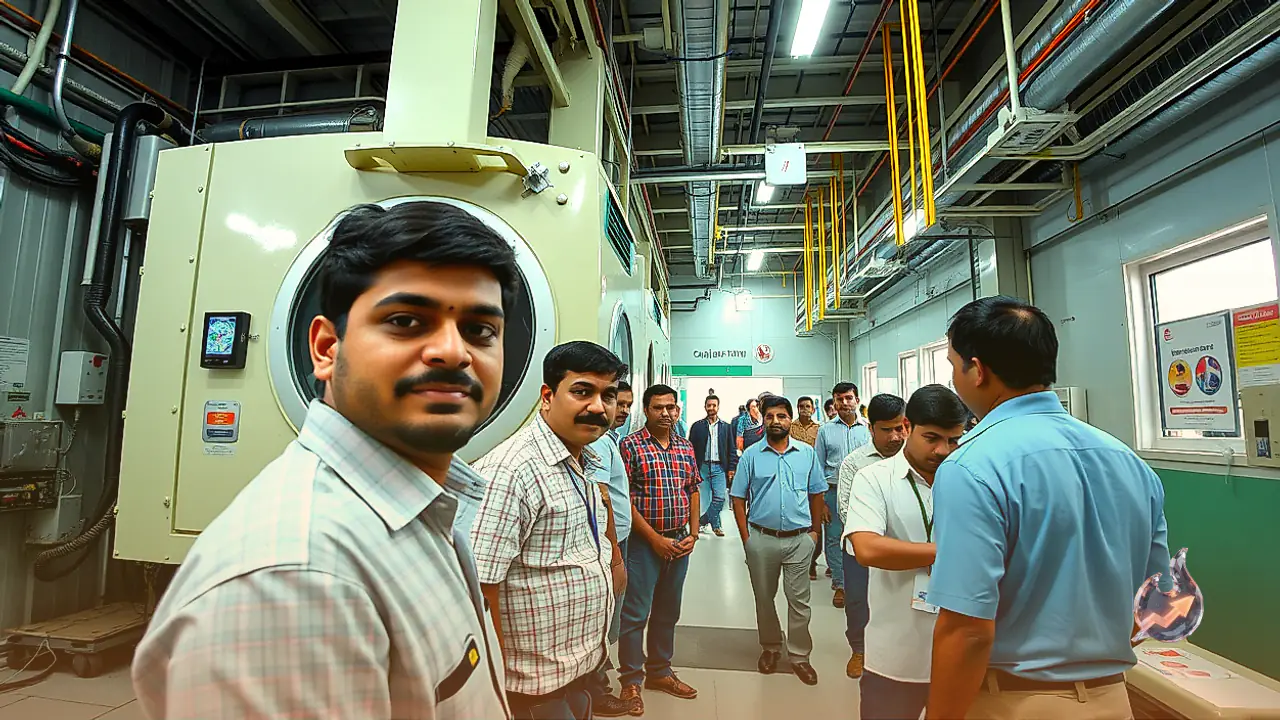

Patients seeking medical treatment at Lok Nayak Jai Prakash Narayan Hospital, the Delhi government's largest healthcare facility, have received a major boost with the installation of brand-new medical machinery. Valued at approximately 40 crore rupees, these advanced diagnostic tools are set to alleviate the prolonged suffering of individuals who previously had to endure waiting lists stretching anywhere from several months to a couple of years just to undergo essential scans. The introduction of these systems aims to drastically shorten turnaround times and provide timely medical evaluations.
Years of Waiting Lists Finally Addressed
According to reports, patients at Lok Nayak Jai Prakash Narayan Hospital historically faced agonizing delays of two to three years simply to secure an MRI scan appointment due to a severe paucity of functioning equipment. The hospital outpatient department routinely witnesses an average influx of 5,000 patients every single day. Recent administrative data from September highlighted that the facility was struggling with merely a single operational MRI machine and a single active CT scanner. Although all diagnostic procedures at the government institution are provided entirely free of charge, the chronic equipment shortages severely hampered clinical workflows and delayed vital treatments for countless individuals.
State-of-the-Art Equipment Funded via Corporate CSR
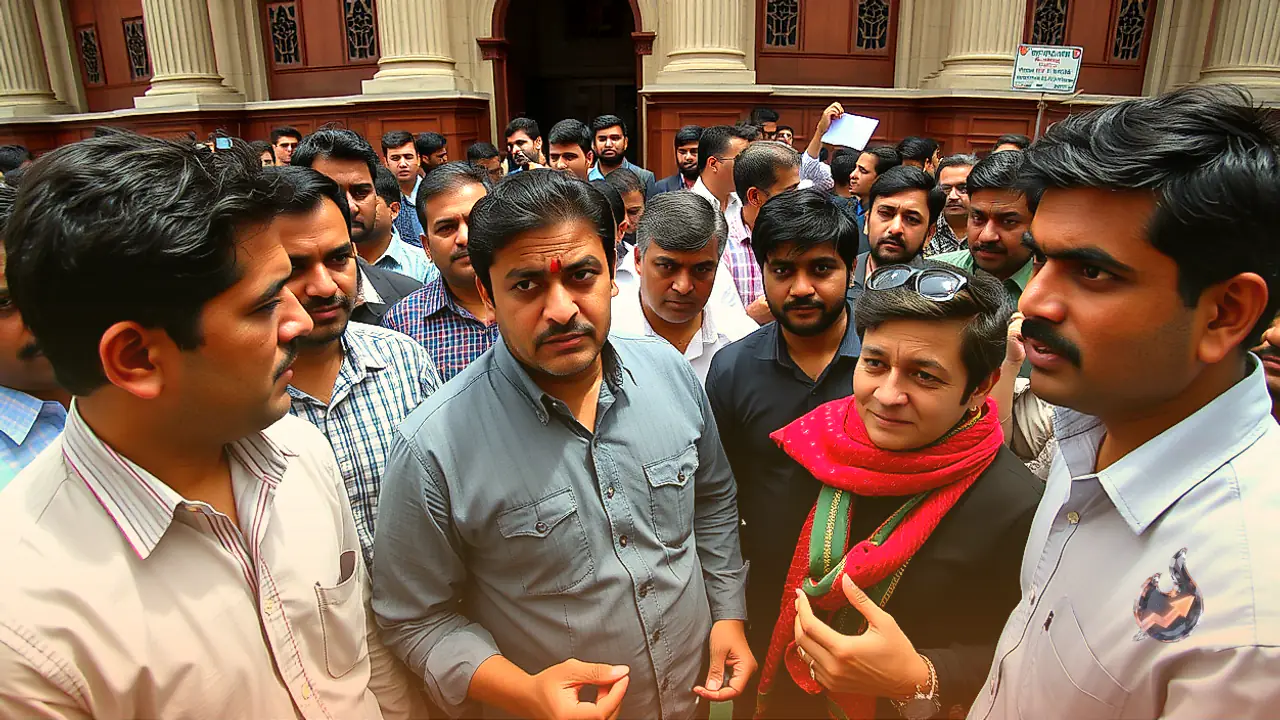
Chief Minister Rekha Gupta and Health Minister Pankaj Kumar Singh formally inaugurated the newly installed machinery at the hospital premises. The newly commissioned units comprise a cutting-edge 3-Tesla MRI machine and a high-speed dual-source 256-slice CT scanner. Both diagnostic systems were procured and installed under the corporate social responsibility initiative of Indian Oil Corporation Limited, bearing a total capital expenditure of nearly 40 crore rupees. Hospital administrators confirmed that the arrival of these advanced tools will effectively double the daily volume of MRI and CT scans performed at the facility.
Comprehensive Diagnostics for Critical Illnesses
Addressing the gathering during the launch event, Health Minister Pankaj Kumar Singh emphasized that these sophisticated machines will prove immensely beneficial for ordinary patients. The newly integrated CT scanner will enable rapid and accurate detection of conditions such as kidney stones, while the powerful 3-Tesla MRI unit will facilitate the early identification of complex and severe pathologies. He reiterated that all these diagnostic scans will remain entirely free of cost for the residents of Delhi. Furthermore, patients will no longer need to seek referrals or travel to external facilities, as comprehensive evaluations for cardiac disorders, neurological conditions, and oncological diseases can now be conducted directly on-site.
Advanced Technological Specifications of the New Scanners
The newly introduced dual-source CT scanner features a dual X-ray tube configuration instead of the conventional single-tube setup, which accelerates image acquisition speeds and considerably simplifies the diagnostic evaluation of fast-moving anatomical structures such as the human heart. Meanwhile, the 3-Tesla MRI machine boasts double the magnetic field strength of standard 1.5-Tesla systems, delivering exceptionally high-resolution and sharp imaging of the brain and the broader central nervous system.
Patient Comfort and Anxiety Mitigation Features
Beyond raw diagnostic power, the newly installed units incorporate thoughtful design elements aimed at enhancing patient comfort during scans. The bore aperture of the MRI machine measures 70 centimeters in width, a structural modification designed to substantially mitigate claustrophobic anxiety in confined spaces. Additionally, integrated display screens inside the scanning chamber stream calming videos or soothing music to keep patients relaxed throughout the procedure, while also reducing overall scan durations and accelerating report delivery times.
Substantial Expansion in Daily Testing Capacities
Hospital officials outlined that the daily operational capacity for MRI scans will surge from a previous range of 30 to 40 procedures up to between 80 and 100 scans per day. Similarly, the daily volume for CT scans will expand from roughly 150 procedures to approximately 300 scans. This major enhancement will compress waiting times to less than half of their previous durations, effectively alleviating diagnostic bottlenecks and ensuring patients receive prompt clinical evaluations and timely reports.
Specialized Pediatric and Genetic Healthcare Initiatives
Elaborating on broader infrastructural upgrades, the Health Minister noted that a dedicated medical genetics department was established at the facility in May, marking a first-of-its-kind initiative across all Delhi government hospitals. This specialized unit is capable of diagnosing complex hereditary disorders from a single drop of blood. Concurrently, the ongoing Anmol Mission is being scaled up to screen newborns for a total of 63 rare genetic conditions, reinforcing early pediatric healthcare interventions.
Dedicated Human Milk Bank and Lactation Management
Recent hospital audits from September indicated that the genetics laboratory at Lok Nayak Jai Prakash Narayan Hospital processes biological samples for over 14,000 newborns every month. Highlighting another critical service, Chief Minister Rekha Gupta pointed out that the institution houses the city's sole dedicated lactation management unit. This specialized facility caters specifically to premature infants, low birth weight babies, and critically ill newborns, providing expert breastfeeding counseling, safe milk collection protocols, and a reliable supply of donor human milk to those in urgent need.