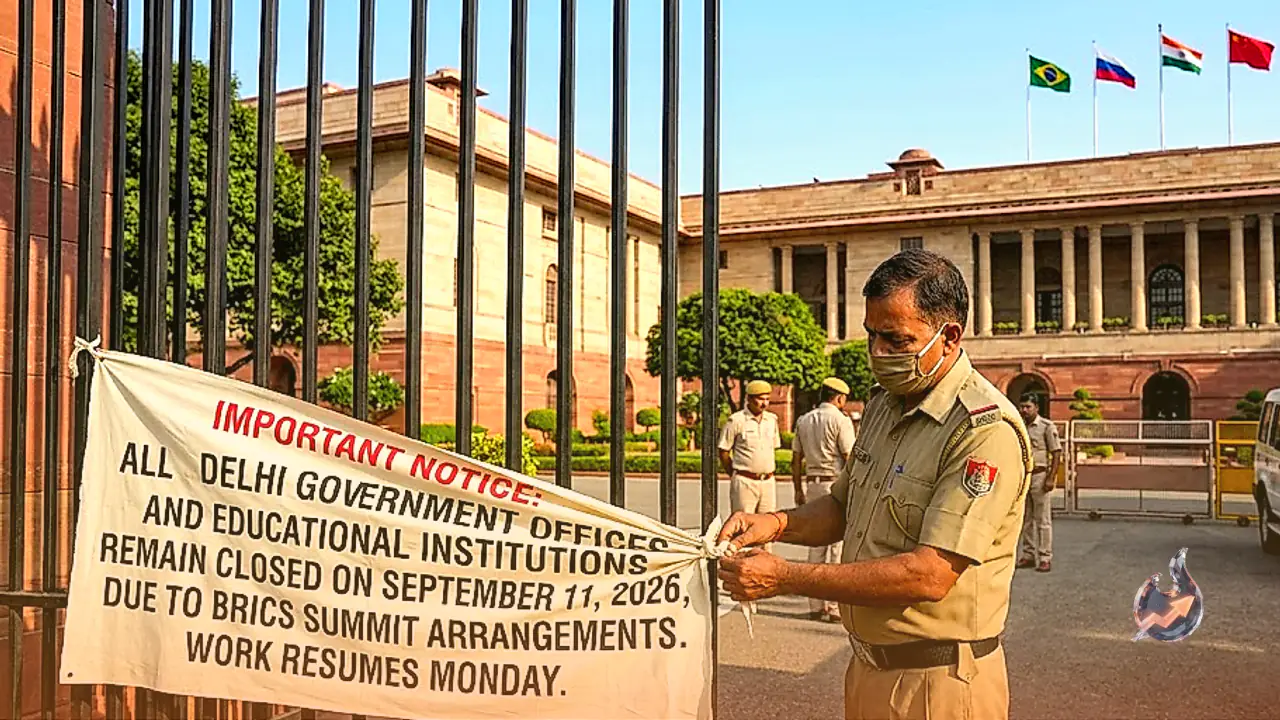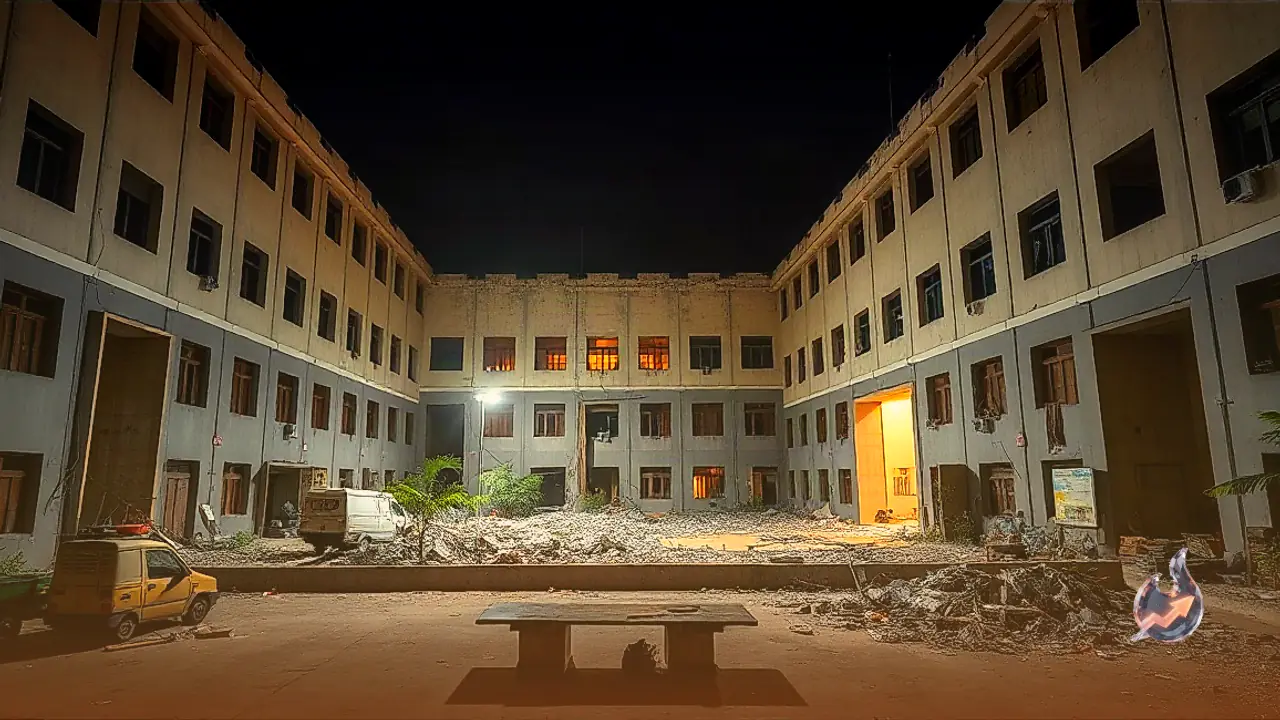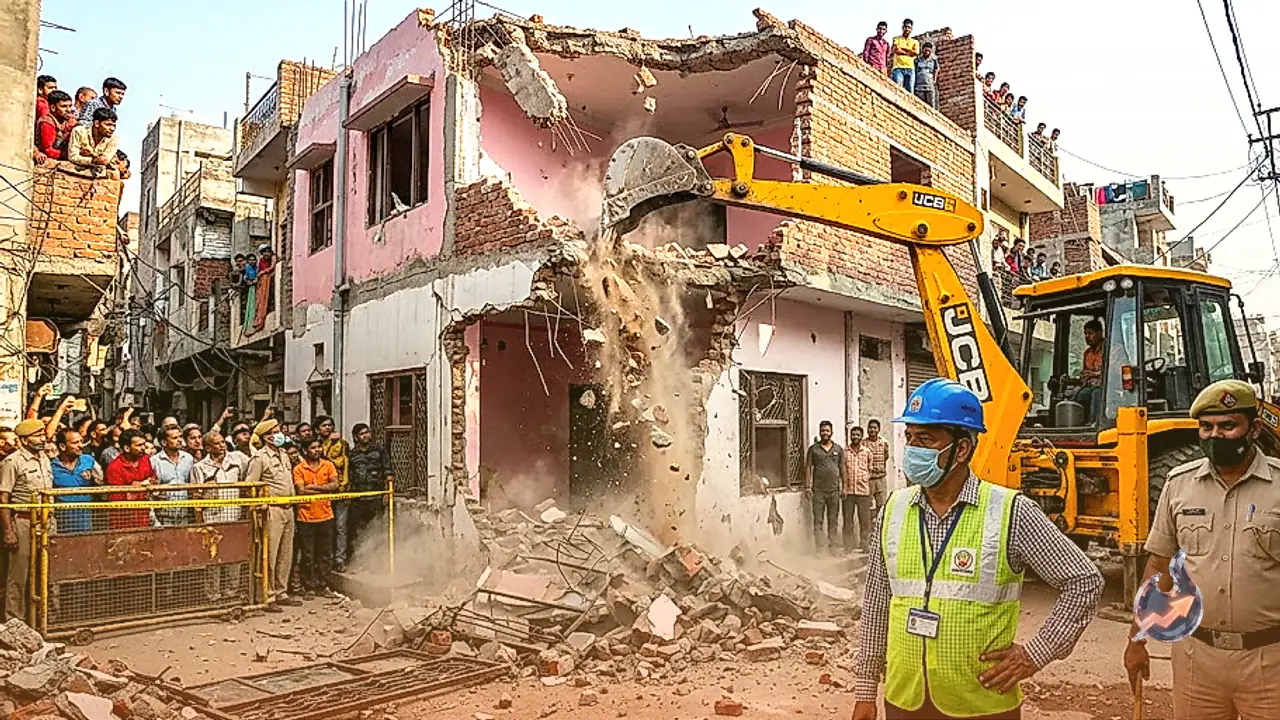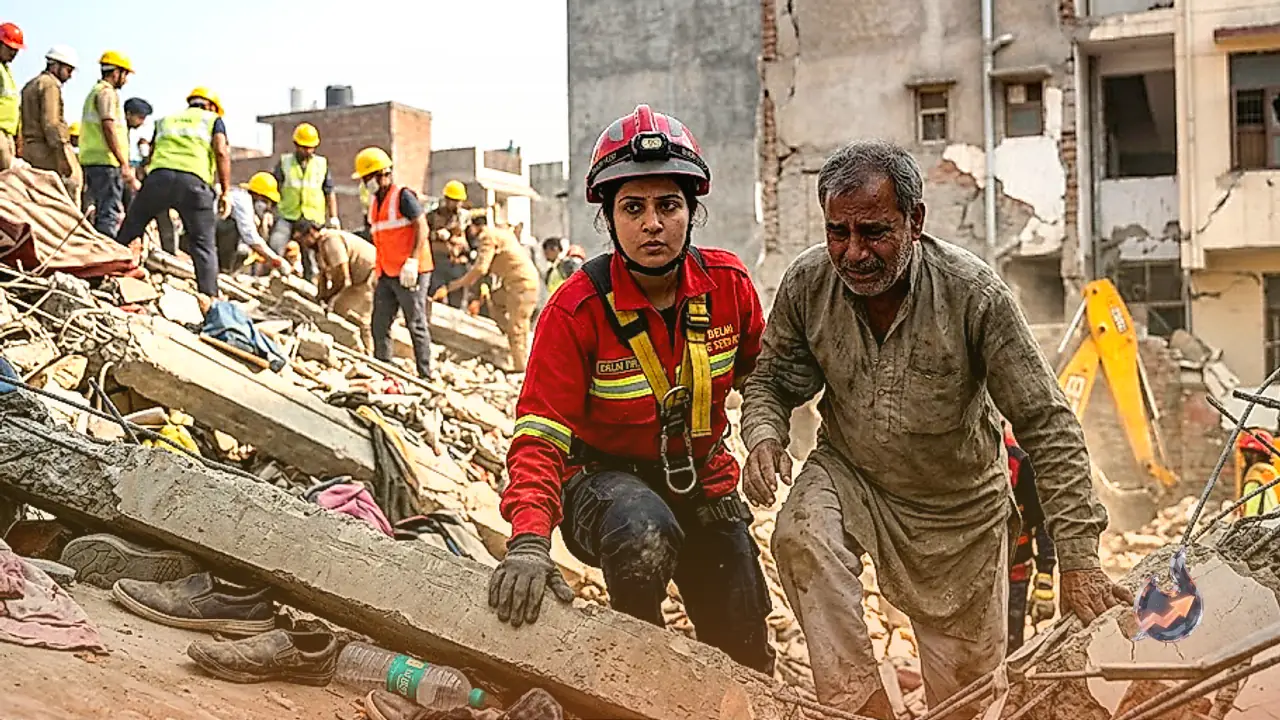






















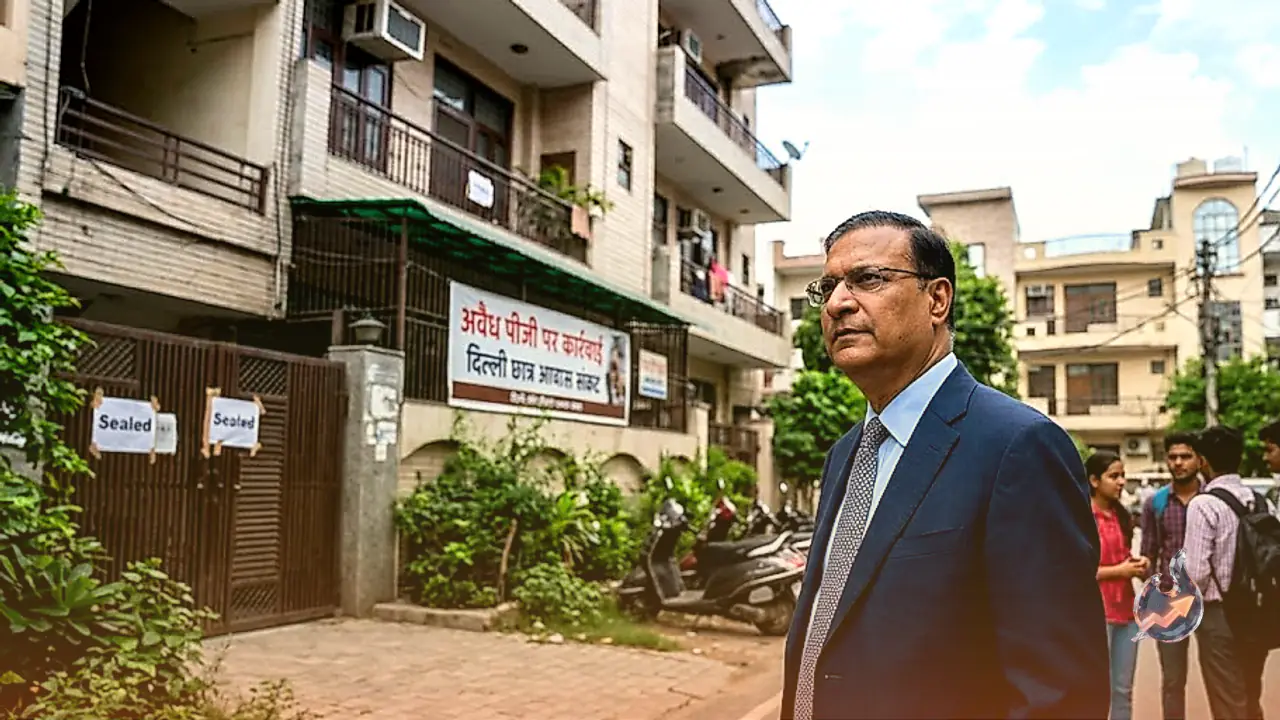

A massive administrative crackdown is currently underway against unauthorized buildings, paying guest accommodations, and student hostels across Delhi. Municipal authorities are thoroughly inspecting every hostel and PG facility in the capital while meticulously scrutinizing property documents. As part of this sweeping drive, illegal structures have faced strict punitive measures across all 12 municipal zones, resulting in the demolition of 34 buildings, the sealing of 12 properties, and formal notices being served to 22 property owners. Any residential structures built in direct violation of the Delhi Master Plan and established building bylaws are being targeted. Authorities have successfully mapped 1,243 such buildings functioning as PGs that collectively house approximately 24,000 residents.
Delhi serves as a premier educational destination, drawing hundreds of coaching institutes and hosting a total of 29 universities. Within Delhi University alone, there are 91 affiliated colleges, yet only 20 of these institutions possess in-house hostel facilities. Students enrolled in the remaining 71 colleges are forced to make independent arrangements for their lodging. Every year, around 700,000 students migrate to Delhi for higher education, while the total available hostel capacity across these institutions stands at a meager 11,500 seats. This stark mismatch raises an urgent and troubling question regarding where the rest of the students are supposed to stay, live, and pursue their academic ambitions.
Drawing Lessons from London's Private Housing Framework
A comparative look at international standards reveals how private student accommodations in Britain are regulated under the Housing Act 2004. This legislation establishes rigorous benchmarks encompassing safety standards, tenancy regulations, and strict codes of practice. Private student housing across the region operates entirely within the boundaries of these mandatory rules. Standard provisions mandate that every rented room must include access to a shared kitchen and washing facilities, and these amenities must strictly comply with local council regulations.
Fire safety measures and emergency exit protocols brook no compromise whatsoever. Every such residential property is legally required to install functional smoke alarms and carbon monoxide detectors on every single floor. Furthermore, all supplied furniture must meet strict fire-resistance standards. Landlords are obligated to submit annual gas safety certificates and guarantee the complete operational safety of all electrical appliances. Most universities and colleges in Britain actively assist incoming students in securing verified housing, ensuring that students reside exclusively in properties specifically constructed under these protective legal frameworks.
While robust laws and detailed regulations exist within our own domestic system as well, they remain confined to official paperwork. Although authorities formulate extensive rules, enforcement on the ground is virtually nonexistent. This current crisis presents a vital opportunity to rigorously enforce all established regulations and permanently eradicate this deeply entrenched housing problem.
The Vande Mataram Controversy and Political Discontent
The Congress party is reportedly exerting pressure on its INDI alliance partners to actively oppose the recitation of the full Vande Mataram national song. During the inauguration of an international film festival held in Srinagar on September 7, the complete version of Vande Mataram was performed, prompting Jammu and Kashmir Chief Minister Omar Abdullah and Farooq Abdullah to stand in respect. This public display triggered severe disquiet within the Congress ranks. Congress General Secretary K. C. Venugopal subsequently instructed National Conference President Farooq Abdullah and Chief Minister Omar Abdullah to refrain from singing the full national song and to limit their participation to just the first two stanzas, arguing that freedom fighters had originally designated only two stanzas as part of the national song.
This unsolicited advice from Congress was met with firm rejection by the National Conference. National Conference legislator Tanvir Sadiq asserted unequivocally that his party would strictly adhere to the statutory laws enacted by the national Parliament. Reacting sharply to these developments, Bharatiya Janata Party President Nitin Naveen launched a direct verbal assault on Rahul Gandhi, referring to him dismissively as Miyan Rahul. Nitin Naveen stated that Miyan Rahul possesses zero understanding of India's rich cultural heritage and its historic freedom struggle, which is why he opposes Vande Mataram purely for narrow political gains. He questioned why other Congress leaders should take issue with the recitation if Dr. Farooq Abdullah and Omar Abdullah could sing the complete national song without hesitation.
Regarding the historical 1937 resolution cited by Congress, commentators note that India was undivided at that time and Pakistan had not yet been created. Those individuals who harbored objections to singing the full Vande Mataram migrated to Pakistan during the partition. A senior Congress insider disclosed that the real issue is not the party's historic resolution, but rather its political vulnerability in Kerala, where Congress formed a government in alliance with the Muslim League. To safeguard its Muslim vote bank in the state, the Congress leadership remains heavily dependent on the Muslim League. Moreover, the party leadership harbors an underlying apprehension that singing the full national song might alienate Muslim sentiment and provoke voter backlash. Consequently, when Farooq Abdullah and Omar Abdullah recited the complete anthem, it caused considerable political distress for Congress, a predicament further compounded by Nitin Naveen's sharp critique.
Escalation in the US-Iran Conflict
Military hostilities between the United States and Iran have escalated sharply once again in the Persian Gulf region. Operating in the Strait of Hormuz, US military forces intercepted and sank five Iranian oil tankers. In direct retaliation, Iranian military units launched 50 missiles targeting strategic American military installations. This renewed warfare has resulted in the total closure of the critical Strait of Hormuz, stranding a massive total of 467 vessels in the waterway. The trapped fleet includes 162 cargo ships, 42 oil tankers, 51 fishing vessels, 26 passenger ships, and 62 various other watercraft.
As a direct consequence of this geopolitical confrontation, global crude oil prices have surged past the significant threshold of 100 dollars per barrel in international markets. US President Donald Trump remarked that this inflationary oil price trend will persist until the conclusion of the American mid-term elections this coming November, after which energy prices are expected to decline. Trump maintains optimistic expectations that Tehran will ultimately be compelled to submit. However, soaring petroleum costs are inflicting widespread economic damage across the global economy. Notably, the ambitious aspirations of the United Arab Emirates to establish itself as the premier commercial hub of the world have suffered a severe setback. The ongoing conflict with Iran has also taken a noticeable toll on President Trump's domestic popularity ratings. Citizens worldwide are urgently calling upon Trump to acknowledge economic realities and bring an immediate end to this destabilizing conflict.
For more detailed analysis and updates, you can watch the complete episode of Aaj Ki Baat with Rajat Sharma.