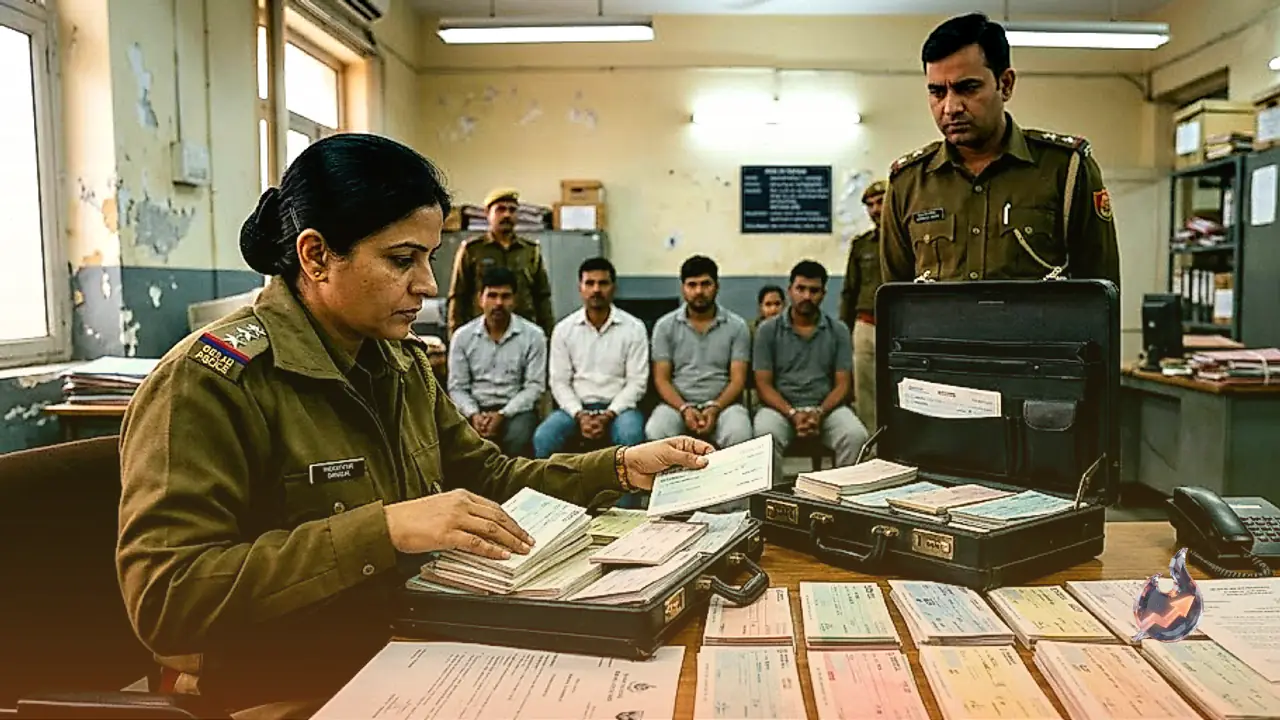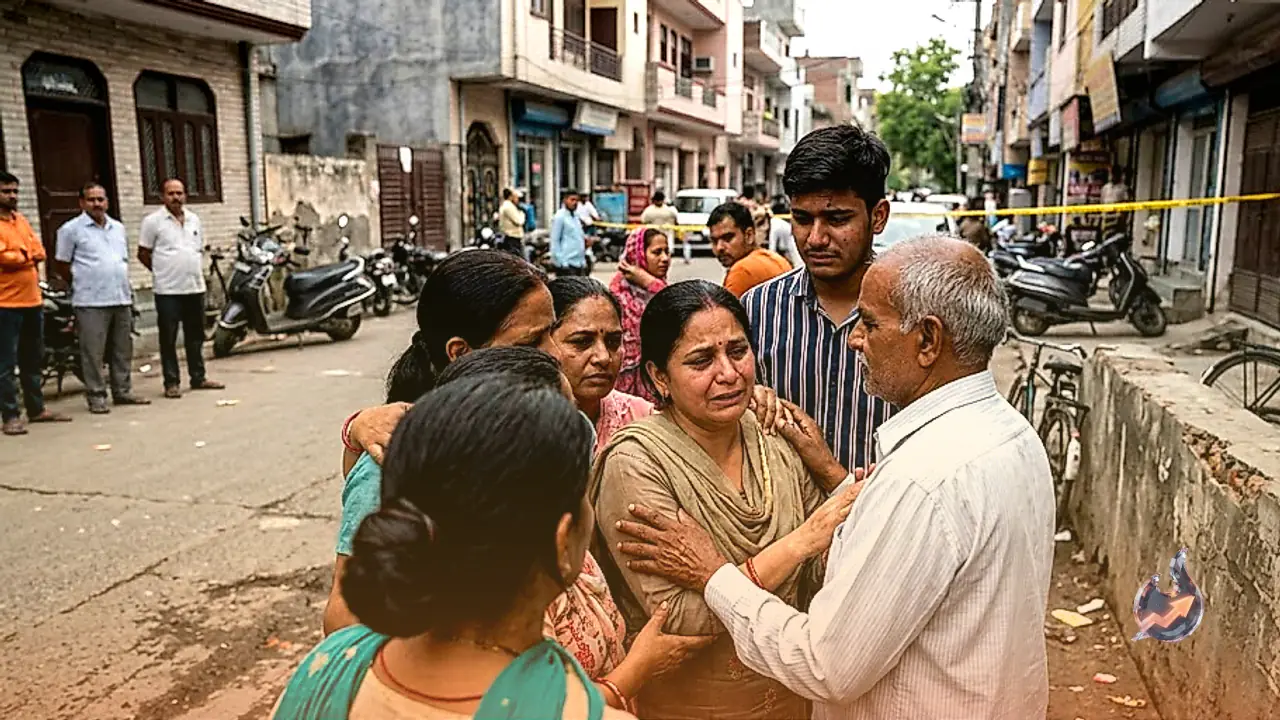



















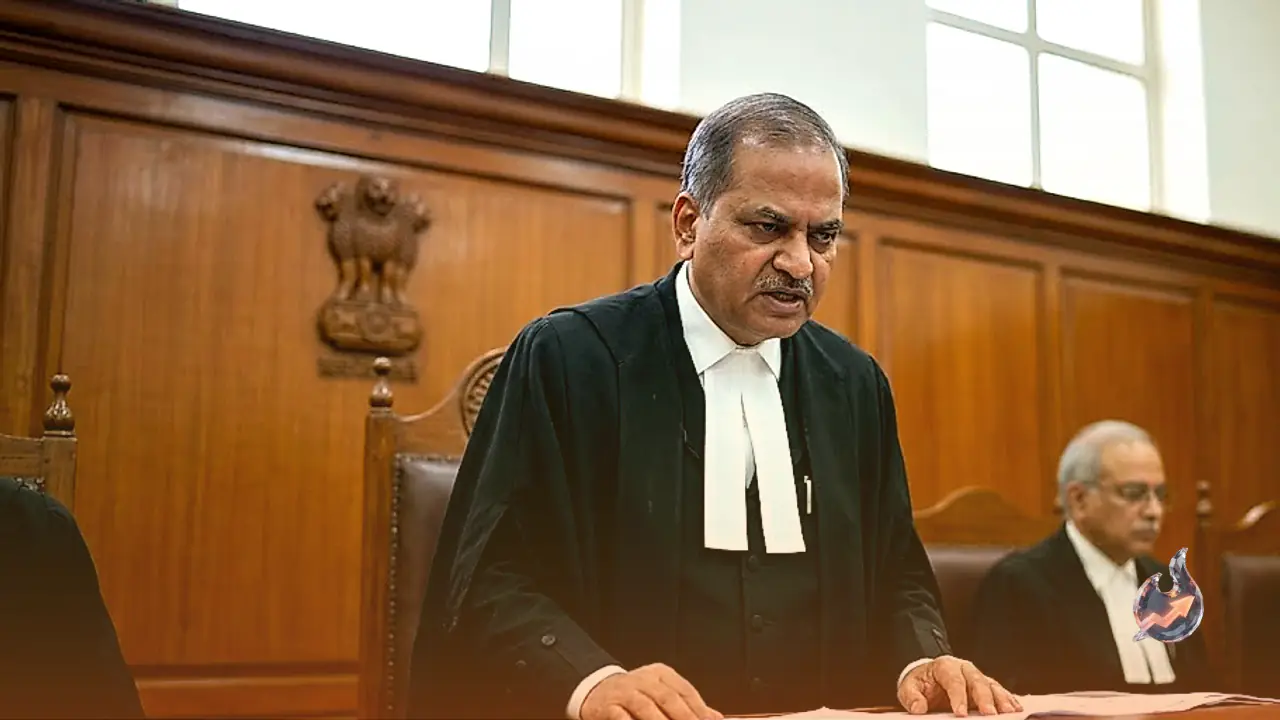

The Supreme Court of India has firmly rejected a request for an expedited hearing regarding alleged police excesses during the recent student protests in the national capital. The petition stemmed from the clashes that erupted when members of the Cockroach Janta Party were marching towards Parliament, demanding accountability for the controversies surrounding the NEET examinations. Chief Justice of India Surya Kant, who was presiding over the bench, delivered a sharp rebuke to the legal representatives pushing for immediate intervention, setting a strict boundary on the court's docket priorities.
A Stern Rebuke from the Chief Justice
During the proceedings, the counsel representing the student protesters pressed the court to examine visual evidence, stating that there were video recordings clearly documenting police brutality against the demonstrating youth. However, this plea was met with a blunt dismissal from the highest judicial officer. CJI Surya Kant explicitly stated that the bench had no interest whatsoever in reviewing the footage. He categorically told the lawyers not to waste the court's time, emphasizing that the apex court's schedule does not permit the viewing of such videos. This uncompromising stance effectively shut down the immediate legal avenue the protesters were hoping to utilize to hold law enforcement accountable for the crackdown.
The Escalation of the Agitation
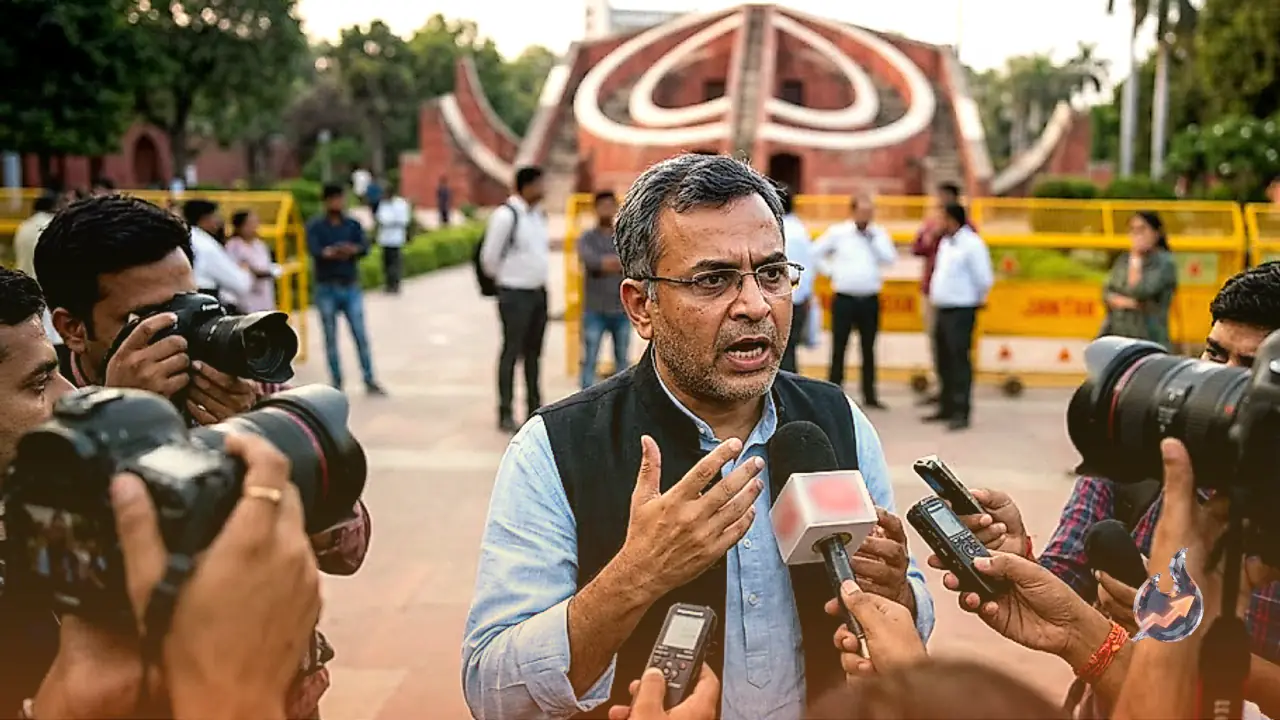
The legal battle is the latest fallout from a prolonged and intense agitation at Delhi's Jantar Mantar. For days, the Cockroach Janta Party has been spearheading demonstrations against widespread paper leaks in critical national exams, most notably NEET. The movement gained significant momentum and emotional weight when prominent activist Sonam Wangchuk joined the cause, undertaking a rigorous hunger strike that eventually required his hospitalization due to failing health. Following this development, the atmosphere grew increasingly volatile, prompting the massive crowd of students and activists to shift their demonstration from Jantar Mantar directly toward the Parliament building, challenging the authorities head-on.
Demands, Clashes, and Widespread Injuries
The core demands of the protesting faction are clear and unyielding. They are calling for the immediate resignation of Education Minister Dharmendra Pradhan, citing systemic failures in the examination process. Furthermore, they are demanding comprehensive reforms to secure future tests and financial compensation for the grieving families of students who tragically lost their lives amid the ongoing academic crisis. As the massive march approached the highly secure parliamentary zone, the situation rapidly deteriorated into a physical confrontation. Security forces deployed tear gas canisters and resorted to baton charges to disperse the aggressive crowd. The ensuing chaos left numerous individuals injured on both sides, with several student protesters and police personnel requiring medical attention.
Opposition Unites Against the Administration
The forceful suppression of the student march has triggered a massive political storm, uniting fragmented opposition parties against the Modi administration. Heavyweight political figures took to the streets to stand in solidarity with the aggrieved youth. Key leaders from the Congress party, including Rahul Gandhi and Priyanka Gandhi, joined forces with Samajwadi Party chief Akhilesh Yadav and Dimple Yadav. They were flanked by prominent Aam Aadmi Party leaders such as Atishi, Manish Sisodia, and Sanjay Singh. Together, they participated in the demonstrations, raising fierce anti-government slogans and amplifying the students' demands on a national political stage, turning a student grievance into a major flashpoint for the ruling government.