
























With the arrival of rainy weather and rising environmental humidity, green and black moss frequently begins coating outdoor walls, open roofs, and balcony corners. Alongside this slime, unwanted saplings such as peepal, banyan, and other wild greenery often sprout within tiny gaps and masonry joints. While moss looks unsightly on exposed structures, it also creates severe slipperiness across walking paths and floor surfaces, posing a persistent hazard of slips and accidental falls. Simultaneously, when wild trees like peepal or banyan take root inside masonry, their expanding underground network gradually widens existing wall fissures over time. Moss also traps surface moisture, worsening interior dampness and seepage issues across the household. Fortunately, several simple, budget-friendly home methods can thoroughly eradicate moss and unwanted plant growth without costly interventions.
Effective Washing Method for Open Roofs and Courtyard Floors
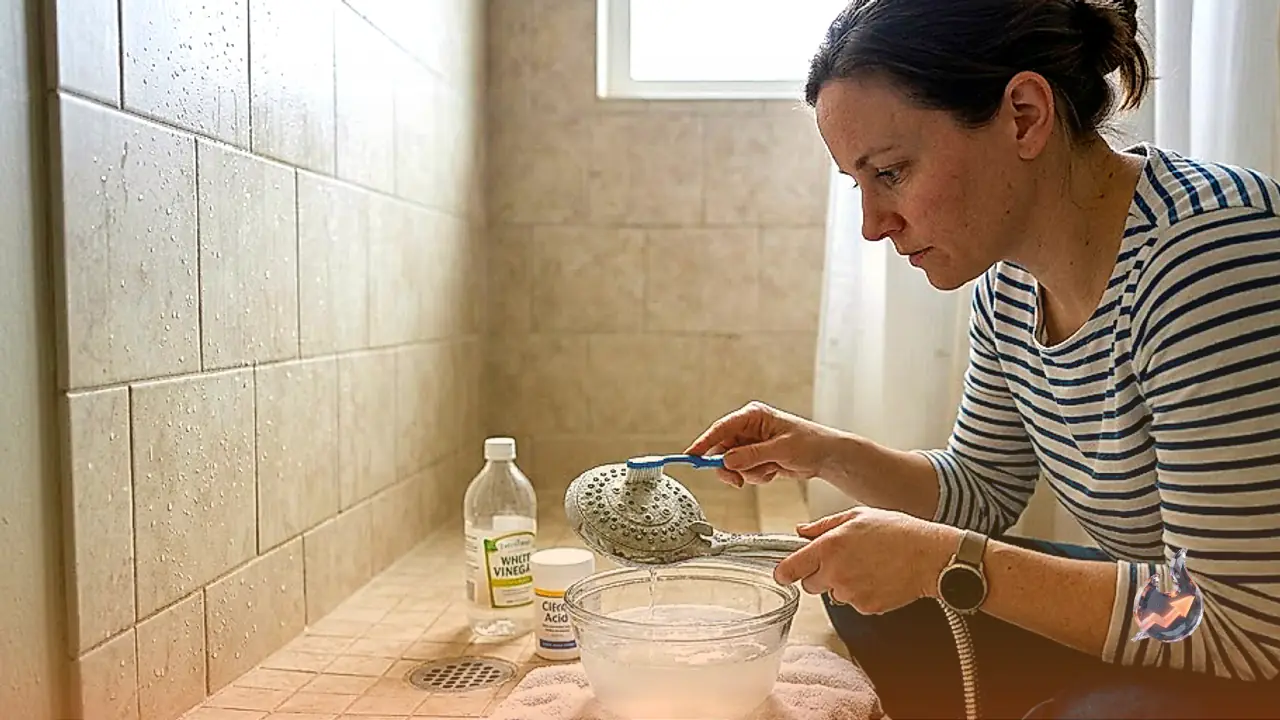
When moss establishes itself on a courtyard floor, open terrace, or rooftop, the preliminary step involves scrubbing the surface gently using a dry broom or firm hand brush to scrape off the loose top layer. Once the superficial grime is cleared, prepare an active cleaning mixture by blending one bucket of hot water with one cup of vinegar and two tablespoons of baking soda. Pour this freshly prepared hot solution directly over the moss-covered patch and let it settle undisturbed for 5 to 10 minutes to break down the grime. After the resting window elapses, scrub the entire patch vigorously using a stiff-bristle scrubbing brush, then wash the residues away using clean water.
Targeting Vertical Walls and Stubborn Patches with Spray and Coarse Salt
Applying liquids directly onto vertical boundary walls or ceiling overhangs can be cumbersome, making a handheld spray bottle the most convenient application tool. Fill a clean spray bottle with equal proportions of clean water and plain white vinegar, creating a balanced half-and-half cleaning liquid. Spray this mist generously over all affected wall segments and let it sit undisturbed for approximately half an hour to penetrate the organic growth. Afterward, scrub or wipe down the surface thoroughly using a firm brush or a dry cloth. For enhanced cleaning potency, you may optionally blend a small measure of fresh lemon juice into the vinegar liquid. In situations where floor moss proves exceptionally stubborn against routine scrubbing, sprinkle coarse salt directly across the affected area and immediately pour hot water over it. Allow the heated brine to work on the grime for a short duration, then scrub briskly with a brush and rinse clean with water.
Safely Managing Deep Peepal and Banyan Roots Embedded in Brickwork
Whenever wild peepal saplings embed themselves deeply into structural masonry cracks, avoid forcefully pulling the stem, as abrupt force can fracture the mortar. Instead, start by slicing the plant right near the root base using a pruning tool. Once cut, clean the immediate surrounding area and pour a thick, concentrated salt solution directly onto the remaining stump and crack, since salt actively reduces surrounding moisture and dehydrates the root base. It is essential to exercise caution around deep cracks, ensuring excessive mechanical pressure is never applied, which could inadvertently damage the integrity of the wall.
Using Undiluted White Vinegar to Inhibit Regrowth
The standard white vinegar kept in kitchen pantries is not merely a cooking ingredient; it doubles as a potent domestic remedy for eliminating tenacious plants like peepal. After severing the wild sapling near its base, fill an ordinary spray bottle with pure, undiluted white vinegar without adding any water. Generously spray this concentrated liquid directly onto the remaining exposed roots and inside the surrounding crevice. Repeating this targeted vinegar treatment consistently for 2 to 3 days damages the underlying root structure substantially, thereby minimizing the likelihood that the plant will ever sprout again in that spot.