























If you notice that the water flow from your shower head has suddenly become weak or the water is spraying in random, uneven directions, it can be quite frustrating. Many people mistake this for low water pressure in their home plumbing system, but the actual culprit is often the accumulation of mineral deposits inside the shower head itself. Over regular use, calcium and other minerals carried by the water supply begin to form a hard crust. This issue is particularly common in geographical regions with a high concentration of hard water. Gradually, these minerals clog the tiny nozzles of the shower head, restricting the water flow. Fortunately, you do not need to call a professional plumber to resolve this; you can easily clear the blockage in minutes using simple household ingredients.
Descaling with Citric Acid for Deep Cleaning
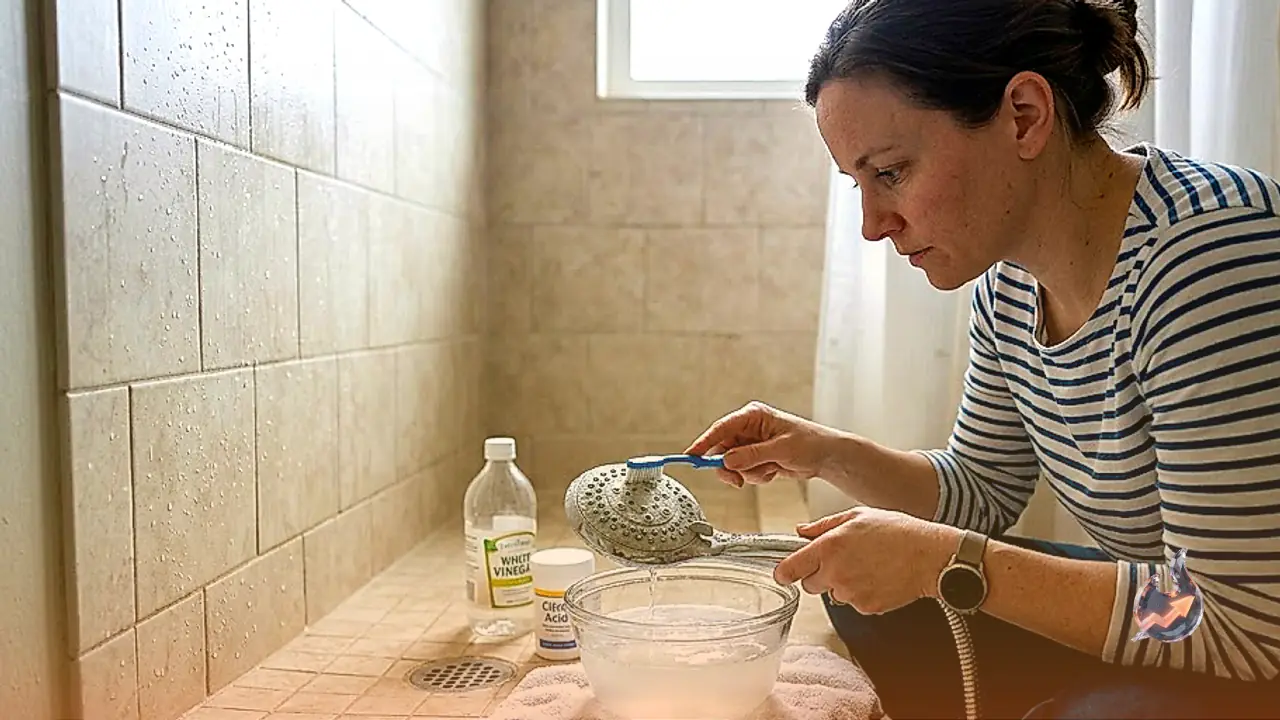
Citric acid serves as a highly effective and straightforward option to break down the stubborn mineral scaling inside a shower head. To use this method, begin by taking a container filled with lukewarm water. Add a small quantity of citric acid to the water and mix it thoroughly until it dissolves. Next, submerge the shower head completely into this solution and let it soak for some time. The acidic properties of the citric acid will work to loosen the hardened mineral crust. After soaking, take the shower head out of the solution and gently scrub the nozzles using an old toothbrush or a soft-bristled brush. Finally, rinse the fixture thoroughly with clean, fresh water. This process successfully loosens and removes the deep-seated mineral buildup from the spray holes.
Using White Vinegar and Lemon Juice as Powerful Alternatives
If citric acid is not readily available in your household, white vinegar is another outstanding alternative that works just as well. Simply submerge the shower head in white vinegar and allow it to sit for a while. The acidic nature of vinegar effectively dissolves the white, chalky mineral deposits clinging to the nozzle surface. Once the soaking is complete, use an old toothbrush to lightly scrub away any remaining debris. Alternatively, freshly squeezed lemon juice can also be utilized as a natural household cleaning agent. Since lemon juice naturally contains citric acid, it is highly capable of loosening lighter layers of mineral deposits. Regardless of whether you use vinegar or lemon juice, it is critical to rinse the shower head thoroughly with clean water afterward to wash away any remaining acidic residue.
Simple Warm Water Soak and Physical Cleaning
For minor blockages, a basic cleaning method using only warm water can be quite effective. First, detach the shower head from its pipe and submerge it in a bucket of warm or hot water for some time. The heat helps soften the accumulated grime and mineral buildup. After soaking, use a soft cloth, a sponge, or an old toothbrush to clean the surface and clear out the tiny holes. If you see debris trapped inside the spray nozzles, gently remove it. However, you must avoid using extremely sharp or pointed objects, such as needles or safety pins, to poke through the holes. Doing so can easily alter the shape and size of the nozzle openings, permanently disrupting the water flow pattern.
The Importance of Regular Cleaning and Maintenance
To ensure that your shower head operates at peak efficiency, setting up a routine cleaning schedule is highly beneficial. Consistently cleaning the fixture at regular intervals prevents heavy mineral scaling and dirt accumulation from building up in the first place. This maintenance ensures a steady, uniform stream of water and extends the lifespan of your bathroom fixtures. Always keep in mind that after using citric acid, white vinegar, or any other home cleaning solution, you must rinse the shower head thoroughly with fresh, clean water to protect its metal or plastic finish from any prolonged acidic contact.