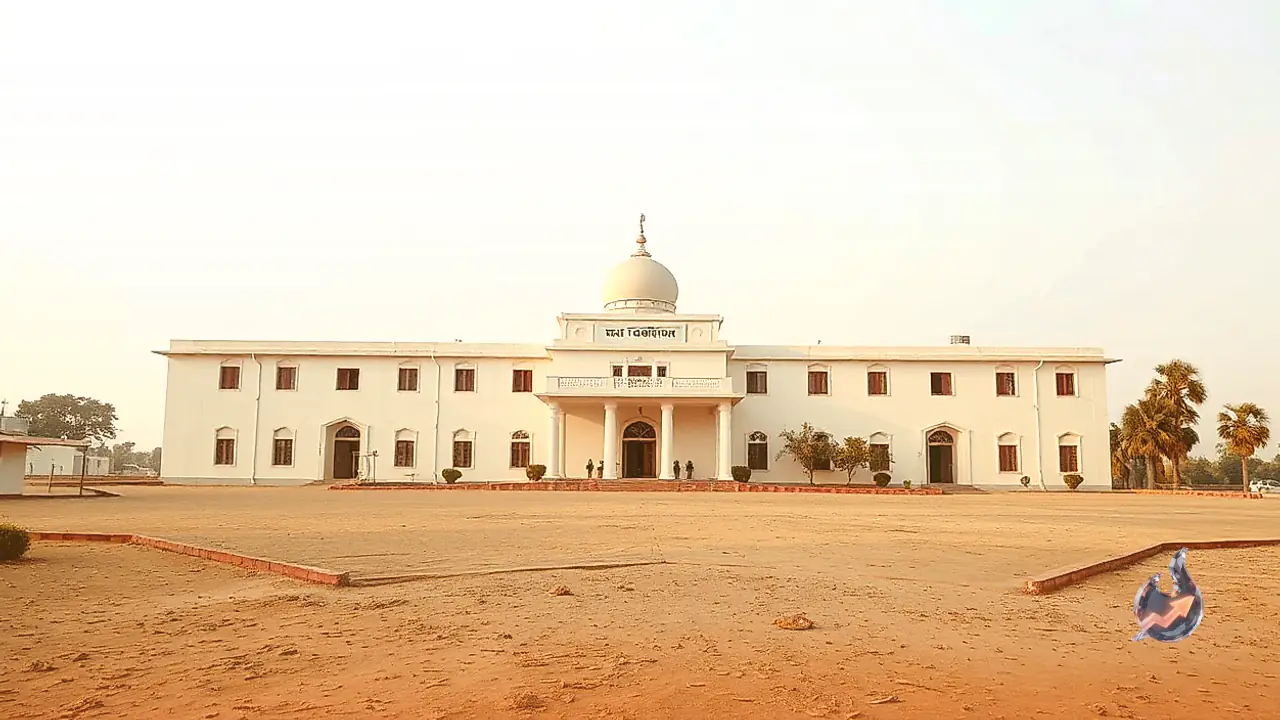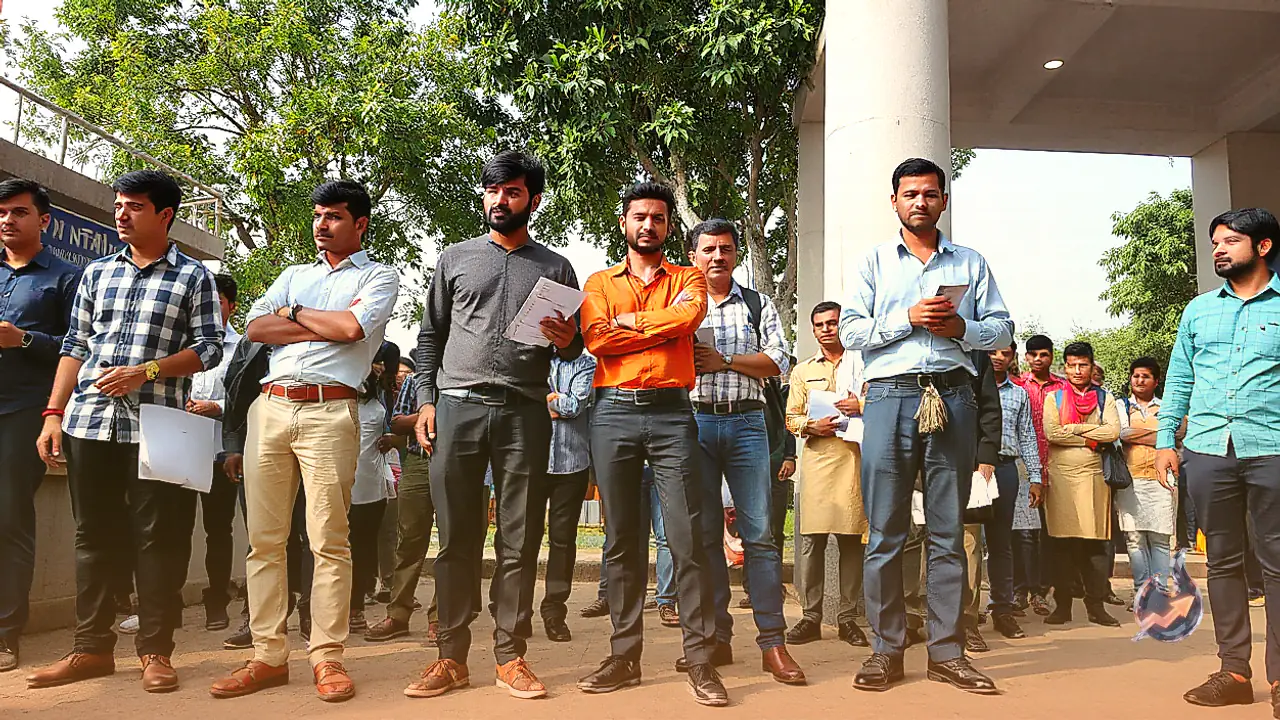























Once plagued by administrative shortcomings and frequent criticisms regarding its operations, the Chandrashekhar Azad University of Agriculture and Technology in Kanpur is rapidly emerging as a preferred destination for students nationwide. During the current academic session, young scholars and students from 21 different states have secured admission to the institution. Encompassing more than 59 distinct undergraduate and postgraduate programs, the university has welcomed a diverse student body. The arrival of students from various corners of the country has not only enriched the academic environment within the campus but has also significantly strengthened its reputation beyond state boundaries.
Impact of Administrative Reforms and Strict Directives
Some time ago, the Governor of the state, Anandiben Patel, expressed strong displeasure regarding the management and existing deficiencies at the institution. Pointing out multiple operational gaps, she issued clear directives for immediate improvement, prompting the university administration to revamp its approach. The authorities placed renewed emphasis on elevating educational standards, launching contemporary courses, and upgrading facilities for students. Gradually, the outcomes of these corrective steps have become visible, reflected in the steady surge of enrollments and the influx of students traveling from distant states to pursue higher education here.
Diverse Student Body Brings Fresh Energy to Campus
Senior Professor Mukesh Srivastava explained that under guidelines set by the Indian Council of Agricultural Research, a specific quota is reserved annually for students nationwide. This provision allocates 15 percent of seats at the undergraduate level and 25 percent at the postgraduate level for applicants from any state across the country. Capitalizing on this framework, students representing 21 states have enrolled at the institution for the ongoing session. When individuals from disparate cultural backgrounds study together, they gain invaluable opportunities to understand each other's languages, traditions, and perspectives, while also enriching their research and extracurricular experiences.
Thousands of Students Enrolled as Modern Technologies Take Center Stage
At present, a total of 2596 students are pursuing their education across the university campus and its affiliated colleges. Moving beyond conventional agricultural studies, the institution is now integrating cutting-edge technologies into its academic framework. Starting this session, students are being introduced to advanced subjects such as artificial intelligence and machine learning. Given the rapid integration of technology in modern farming—ranging from crop monitoring and weather forecasting to soil testing and yield optimization—these specialized subjects equip learners to meet future industry demands effectively.
Extensive Research Opportunities and Specialized Programs
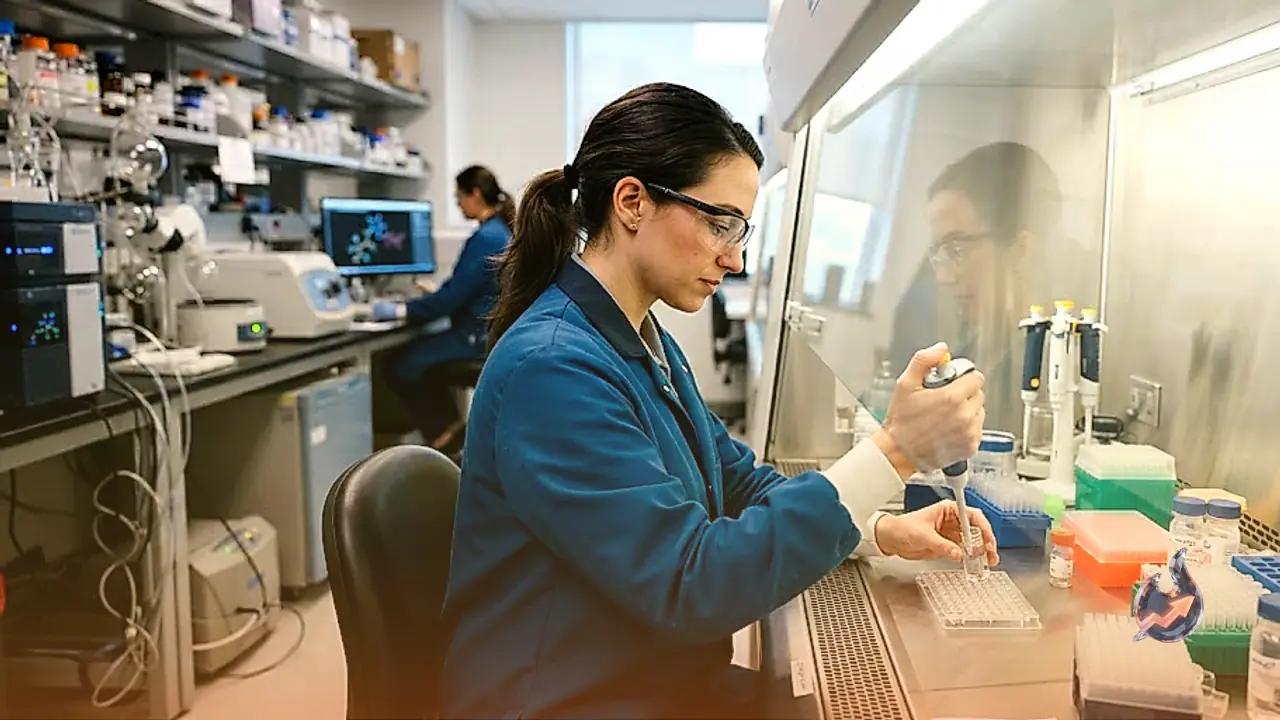
The university offers robust avenues for advanced education and doctoral research, with doctoral programs currently available across 43 different disciplines. This expansion provides ample opportunities for postgraduates inclined toward scientific research. At the undergraduate level, the curriculum features specialized courses including agricultural engineering, agricultural forestry, fisheries, and dairy science. The core institutional focus remains on fostering multidisciplinary programs that seamlessly blend agricultural science with technological innovation and rigorous research.
A Resurgent Institution Backed by Student Trust
Having previously faced intense scrutiny due to operational challenges, the agricultural university has successfully reclaimed its standing through renewed student confidence. The enrollment of students from 21 states and an active student body exceeding 2500 individuals demonstrate that the institution has firmly re-established its position among premier agricultural universities across the country.