




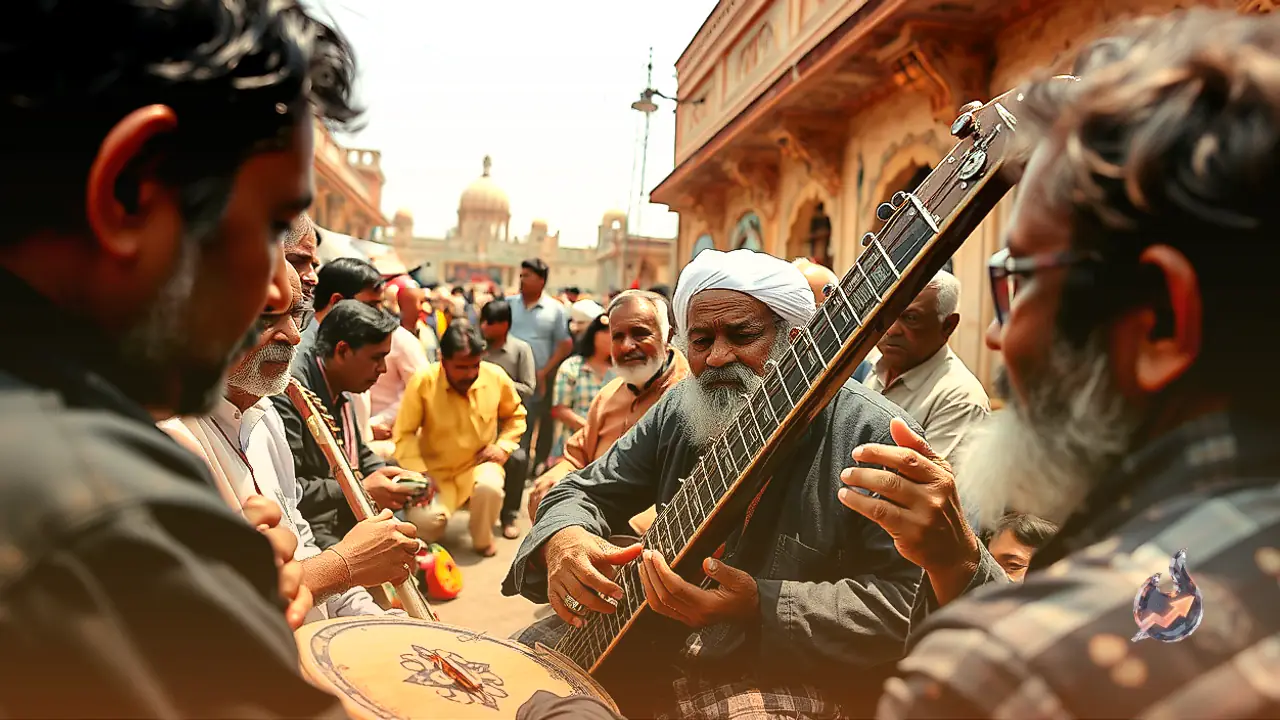














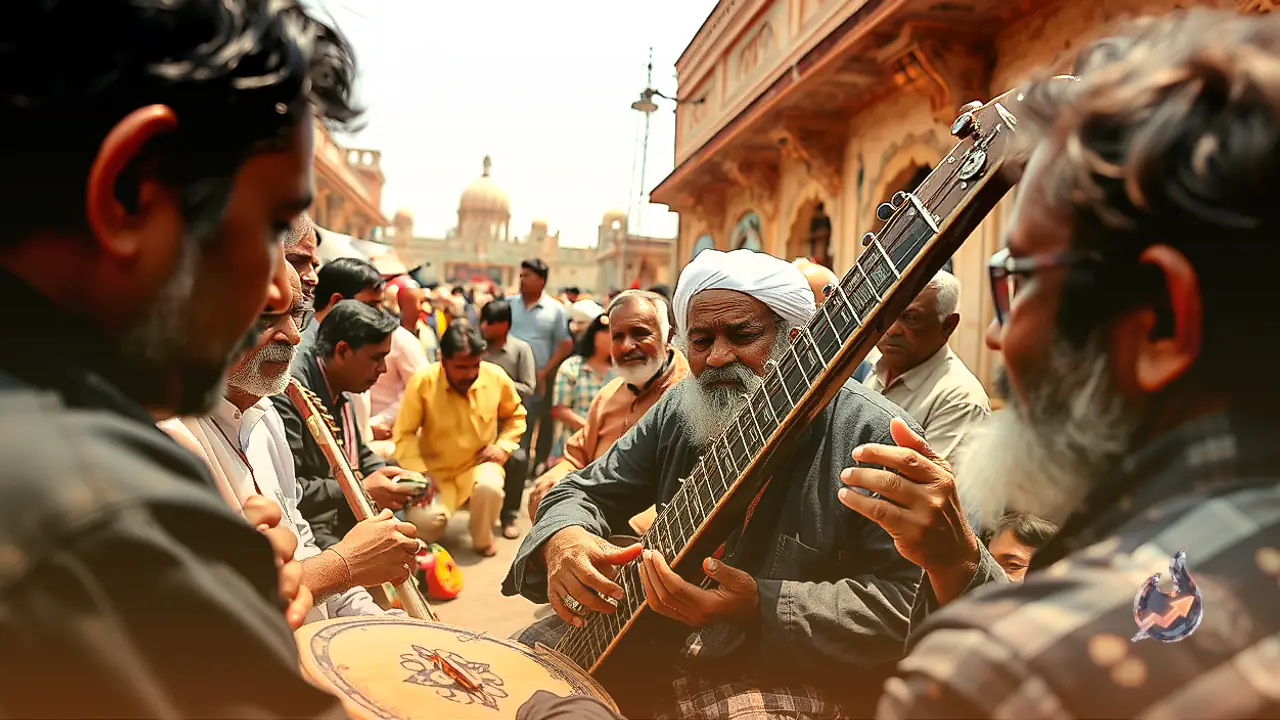

Few instrumentalists have shaped Indian classical music quite like Ustad Amjad Ali Khan, whose intricate touch on the sarod has captivated audiences worldwide. His distinct technique blends deep heritage with fluid grace, producing a rich resonance that earned him the enduring title of Sarod Samrat among music connoisseurs.
Early Foundations and Heritage in Gwalior
Born on October 9, 1945, in the historic cultural hub of Gwalior, Madhya Pradesh, he grew up immersed in rigorous artistic traditions. As the youngest son of Ustad Hafiz Ali Khan, a celebrated court musician of the Gwalior royal lineage, melodic notes and rhythmic patterns formed the backdrop of his daily childhood surroundings.
Guided directly by his father, the young artist learned the subtle nuances of sarod playing, from foundational finger placement to complex tonal improvisations. His natural aptitude blossomed quickly under strict practice routines, culminating in his debut solo stage performance at just 12 years of age, an appearance that stunned seasoned listeners of the era.
Stylistic Innovation and Worldwide Presence
As his career matured, Ustad Amjad Ali Khan preserved core classical compositions while introducing refined technical methods that enhanced the instrument's expressive reach. His concerts resonated far beyond domestic halls, captivating global crowds and establishing the sarod as an internationally recognized vehicle of Indian art. Beyond performing, he dedicated time to mentoring emerging instrumentalists and served as a visiting professor across multiple academic institutions, ensuring classical traditions reached eager learners.
A Lifetime of Major Honors
His contributions to the cultural landscape brought widespread recognition from national bodies and international organizations. In 1970, he received the UNESCO Award, marking an early milestone in his global career. The Government of India subsequently conferred the Padma Shri upon him in 1975, followed by the Padma Bhushan in 1991.
The Sangeet Natak Akademi honored him with its annual award in 1989 and later granted him a prestigious fellowship. In 2001, he received the Padma Vibhushan, India's second-highest civilian honor. Renowned universities across several nations have additionally bestowed honorary doctorates, celebrating his lifelong dedication to musical mastery.