
























Economic activity across the Euro area is demonstrating notable resilience during the third quarter, navigating through sustained energy price pressures and challenging summer weather conditions. Projections indicate a modest overall expansion in collective Gross Domestic Product (GDP). However, underlying regional dynamics show substantial divergence among member states, with Spain serving as the primary growth engine while the German economy stalls. Simultaneously, disparate national policies and varying domestic exposure to wholesale natural gas costs are driving divergent inflation trajectories across the continent.
Disparate Growth Momentum and Divergent Inflation Paths Across Major Euro Nations
Significant disparities mark the operational trajectories of Europe's four leading economic powers. In quarter-on-quarter assessments for the third quarter, Spain is anticipated to outpace its regional peers with an expansion rate of 0.6 percent. France is projected to register a moderate growth rate of 0.2 percent, followed by Italy with a marginal increase of 0.1 percent. In contrast, Germany, the industrial core of the continent, is expected to see completely flat economic activity with zero quarterly expansion, constrained by broad industrial deceleration and elevated input overheads.
On the consumer price front, the four largest economies in the bloc are scheduled to publish their preliminary flash inflation estimates, revealing stark contrasts shaped by local fiscal measures. Germany and Spain are positioned to benefit from fuel subsidy frameworks taking effect. Consequently, German year-on-year inflation is projected to decline from 3.3 percent to 3.0 percent in October, while Spanish inflation is expected to ease from 5.0 percent to 4.7 percent over the same period. Conversely, Italy's elevated reliance on escalating natural gas costs is forecasted to drive its annual inflation rate upward by 0.5 percentage points, lifting it to 4.7 percent year-on-year.
Foreign Exchange Dynamics and Pressure on the US Dollar
Across international currency desks, the US Dollar has encountered renewed selling interest. Further pullbacks in US government bond yields, paired with a moderate decline in crude oil valuations, have capped the currency's recovery attempt from a three-week low. Throughout the Asian trading session, the Australian Dollar held firmly above the 0.7000 threshold against the greenback, remaining close to a one-month peak touched earlier on Monday. Expectations of an interest rate increase by the Reserve Bank of Australia in November provided persistent support to the currency, though broader gains remained restrained ahead of the crucial two-day Federal Open Market Committee gathering starting Tuesday.
Simultaneously, the US Dollar lost ground against the Japanese Yen during Monday's Asian session, stalling an attempted rebound from its lowest point since September 18 recorded last Friday. Weakening US sovereign bond yields weighed heavily on the currency pair, while the Japanese Yen drew support from increasingly hawkish policy signals emanating from the Bank of Japan. Nonetheless, downside moves remained orderly as market participants refrained from aggressive positioning in advance of simultaneous monetary policy reviews by both the Federal Reserve and the Bank of Japan later in the week.
Precious Metals and Cryptocurrencies Navigate Geopolitical Headwinds
In commodity and digital asset markets, consolidation emerged following pronounced downward movements in prior sessions. Spot gold prices stabilized on Monday after a sharp sell-off in the previous week dragged the precious metal down to $3,975 per ounce, marking its lowest trading valuation since August. A slight downward retracement in crude oil prices provided underlying relief, with market participants closely monitoring ongoing diplomatic negotiations aimed at defusing geopolitical friction in the Middle East.
In the digital currency ecosystem, Bitcoin hovered in the vicinity of $80,500 on Monday, attempting to steady itself after enduring three consecutive weeks of market correction. Heightened tensions across the Middle East have historically pushed oil benchmarks higher, reigniting concerns regarding persistent headline inflation and dampening broad investor appetite for risk assets. The cautious mood across capital markets has kept speculative digital tokens trading within constrained valuation bands.
High-Stakes Macro Calendar: Central Banks, Corporate Earnings, and US Midterms
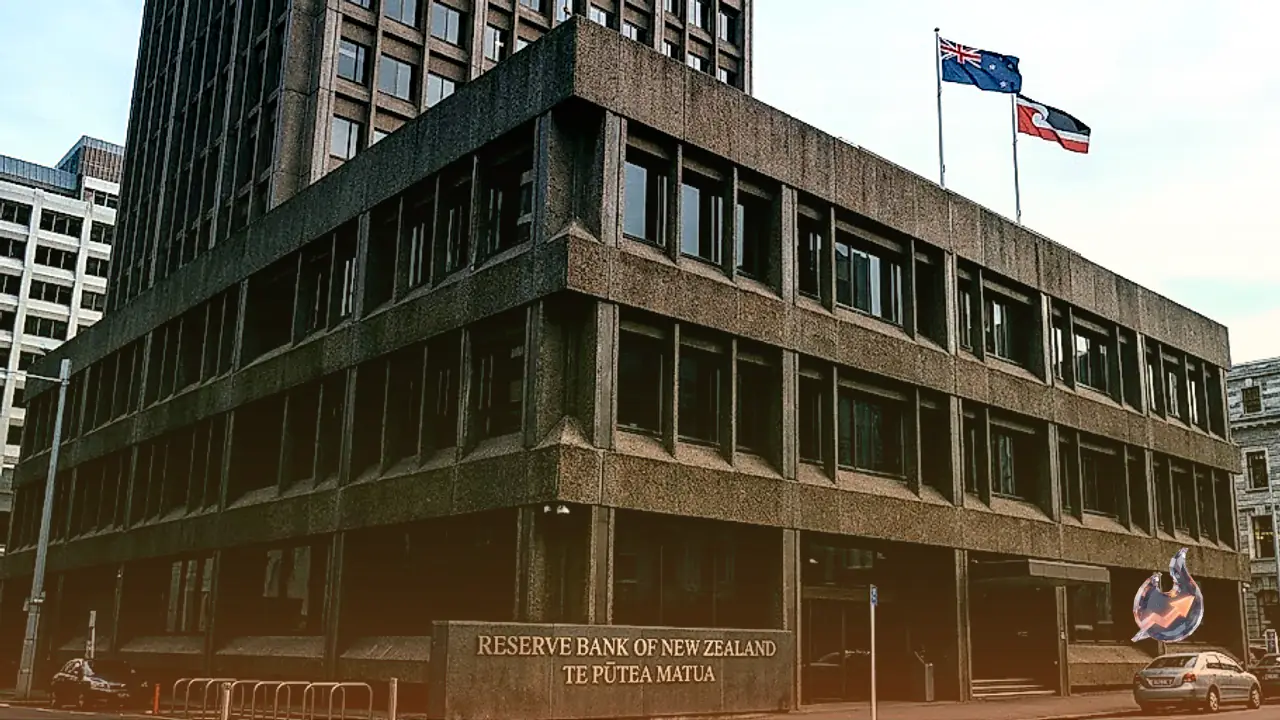
The final full week of October presents an exceptionally dense agenda for global financial participants. Monetary policy decisions and formal rate assessments are due from five major institutions: the Reserve Bank of New Zealand, the Bank of Canada, the Federal Reserve, the European Central Bank, and the Bank of Japan. Additional key macroeconomic checkpoints include the presentation of the UK Autumn Budget and fresh quarterly inflation readings from Australia. Alongside policy announcements, corporate balance sheets will take center stage as an extensive 36 percent of firms listed on the S&P 500 index release their third-quarter corporate earnings statements.
Looking slightly further ahead, the US Dollar approaches a critical juncture with the November 3 midterm elections. While capital markets broadly anticipate that the Federal Reserve will execute an additional interest rate hike during its December meeting, the electoral contest for legislative control of Congress could fundamentally alter fiscal policy expectations. Any realignment of legislative priorities will indirectly reshape the overarching trajectory of US monetary policy decisions heading into 2027.