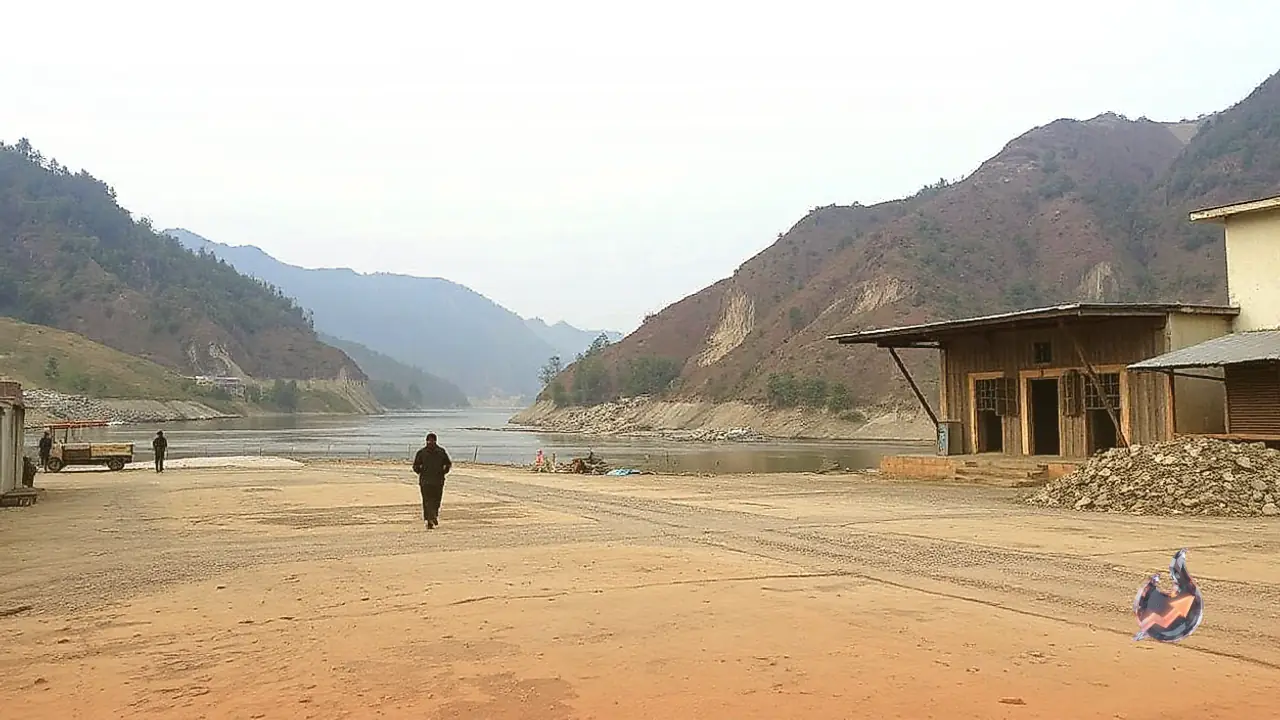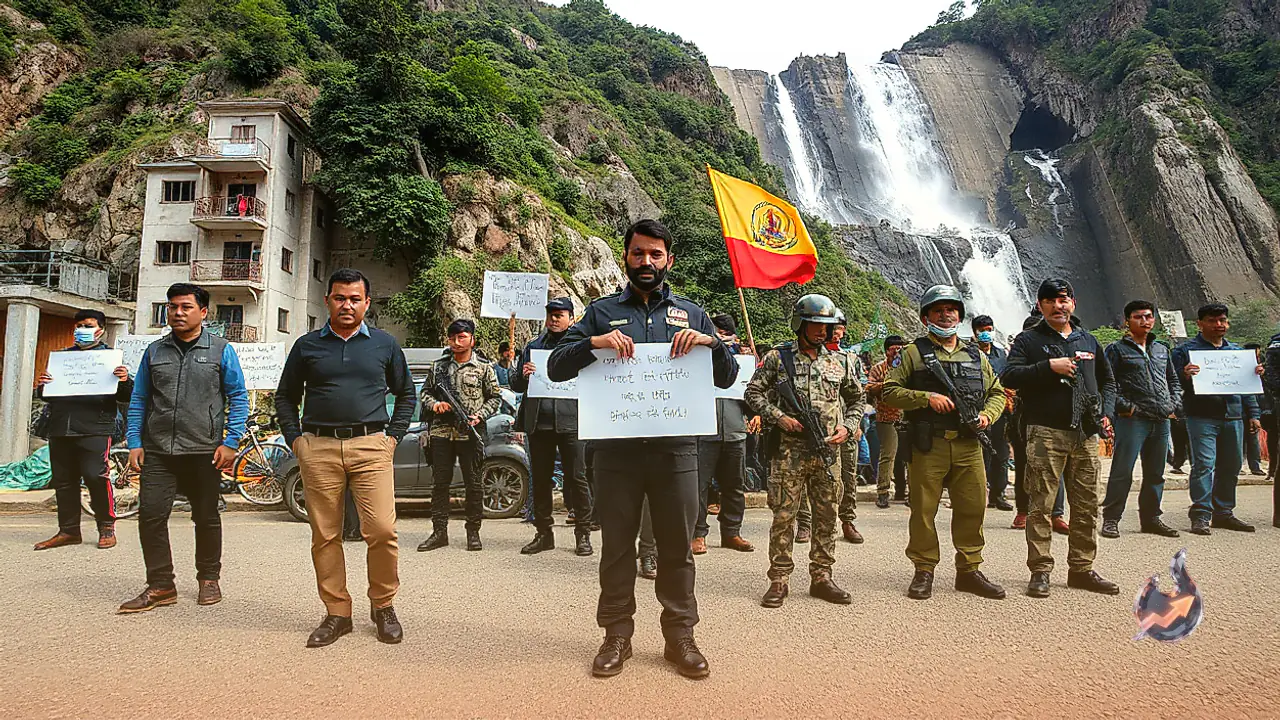

















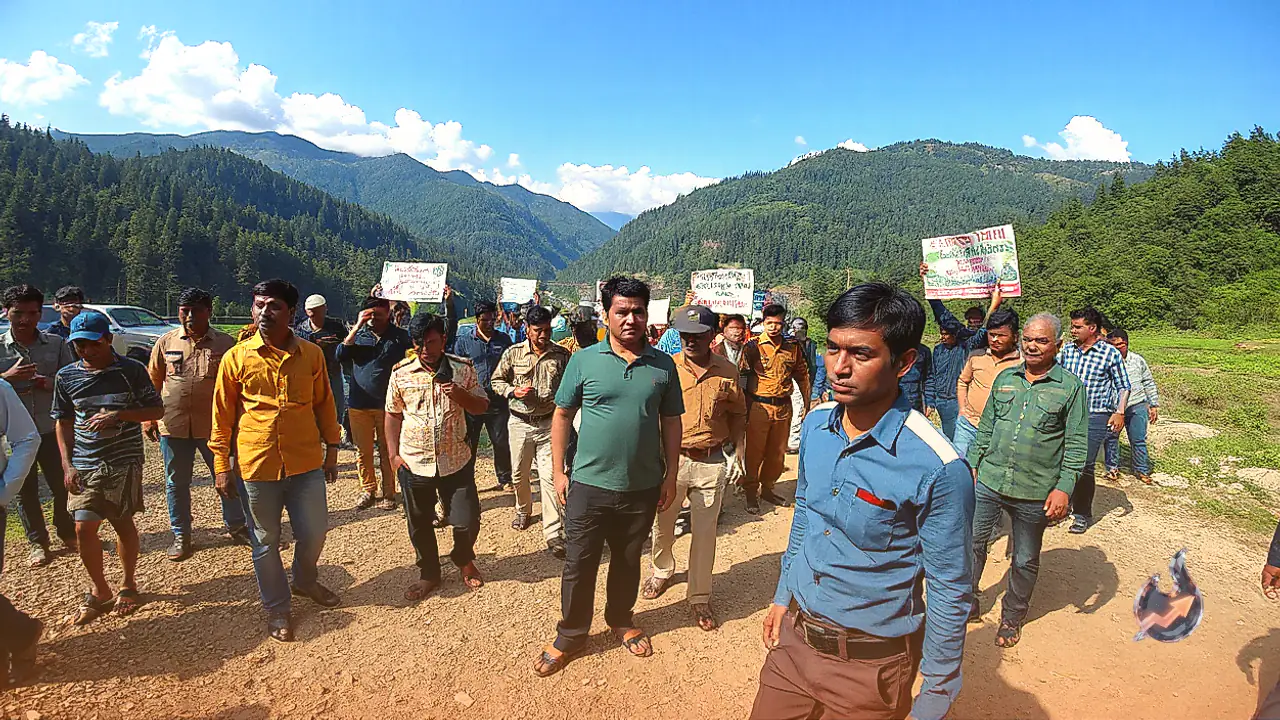

Tensions continue to build in the Siang Valley of Arunachal Pradesh as indigenous tribal populations resist the proposed 11,500 MW Siang Upper Multipurpose Project (SUMP). In an online press briefing organised by Youth for Himalayas, grassroots leaders and regional voices highlighted growing unease over alleged police excesses, detentions, and strict travel curbs imposed on residents. The flashpoint follows large-scale demonstrations on October 23, which brought public anger over the massive mega-dam to the fore. Local inhabitants fear the project could permanently damage ancestral lands, traditional livelihoods, delicate river ecosystems, cultural heritage, and indigenous territorial rights.
Concerns Over Consent and National Security Justifications
A central grievance raised during the briefing was the lack of genuine public consultation. Tagori Mize, spokesperson for the Siang Indigenous Farmers’ Forum (SIFF), stated that landowners and local community members had not been properly informed about the venture's true scope. Mize alleged that administrative authorities have been gathering signatures under false pretences to manufacture an illusion of widespread local support.
Furthermore, Mize challenged the official narrative that often frames the hydropower project as a national security imperative. Pointing out the deep patriotic roots of the local population, he underscored their historic contributions to defending the country. Mize noted that their ancestors fought against British colonial forces to safeguard the territory, asserting that local residents are proud Indians and should not be treated as outsiders in their own nation.
Suspension of Traditional Village Heads and Harassment of Farmers
The situation on the ground has reportedly led to direct administrative action against dissenters. Dubit Sirim, General Secretary of the SIFF Youth Wing, stated that government employees and community figures who openly challenge the dam are facing intimidation. According to Sirim, nine Gaon Burahs (traditional village village elders and heads) across Siang district have been suspended or terminated from their positions for opposing the project.
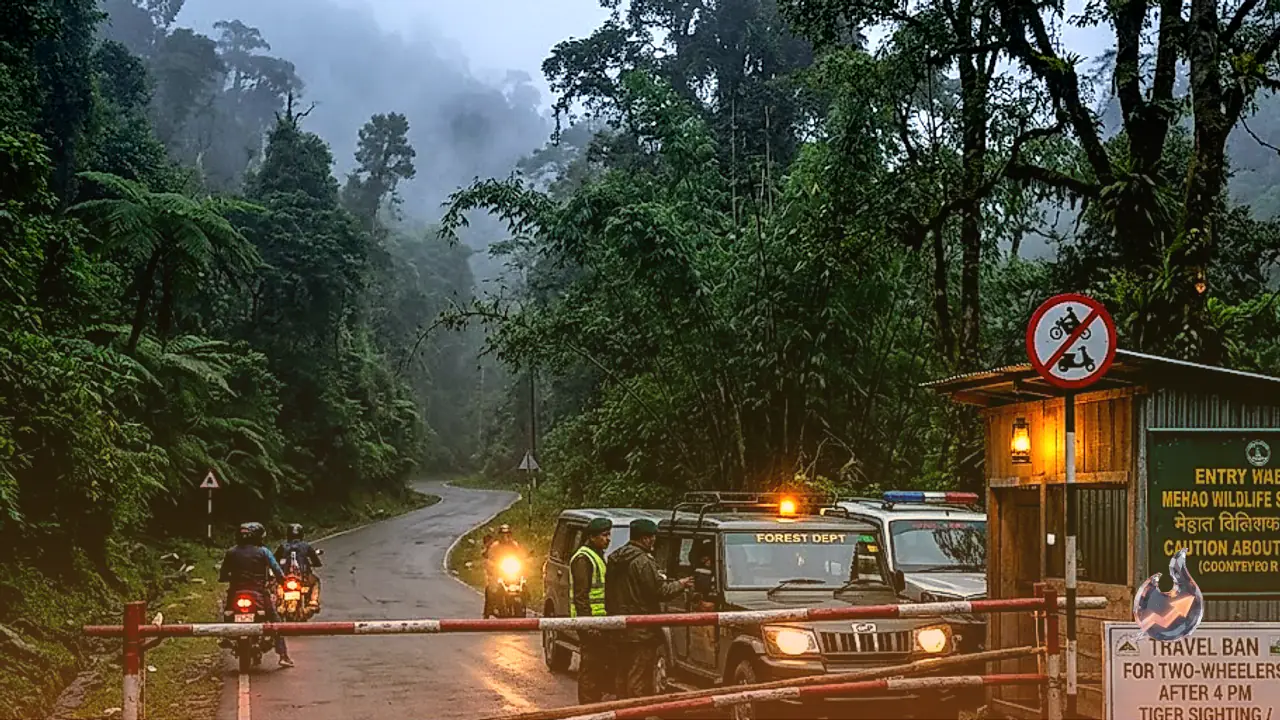
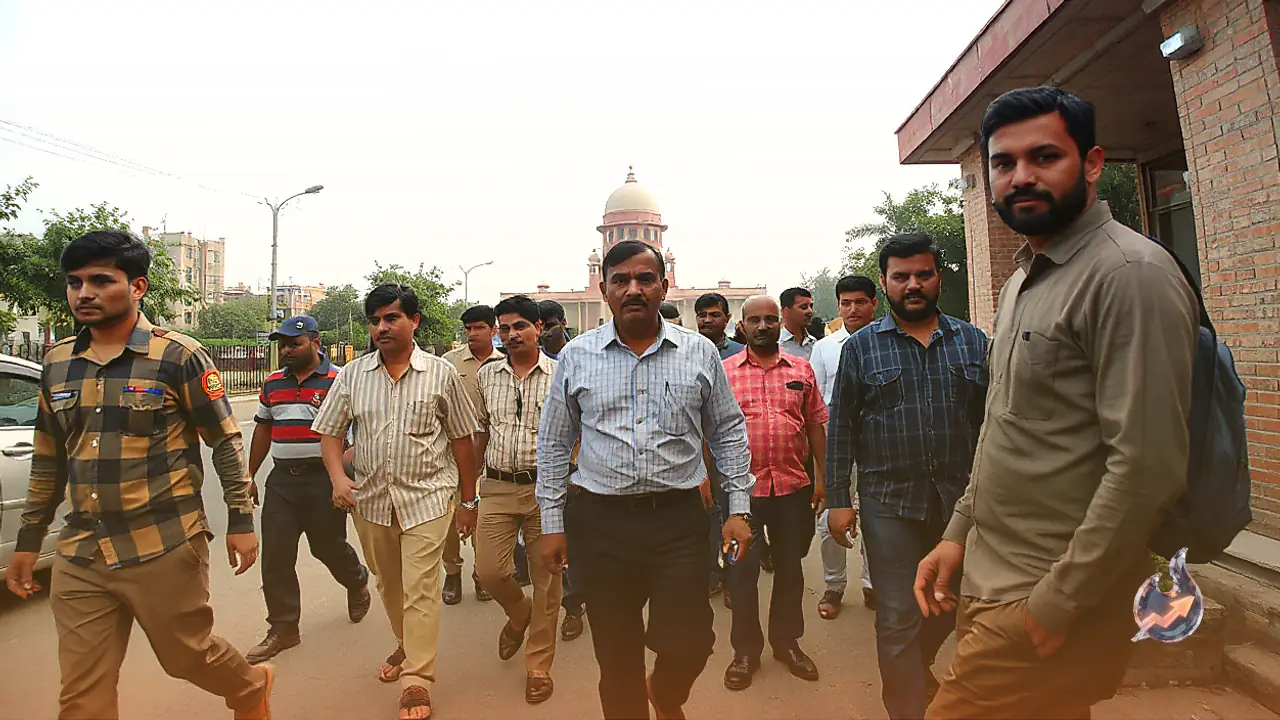
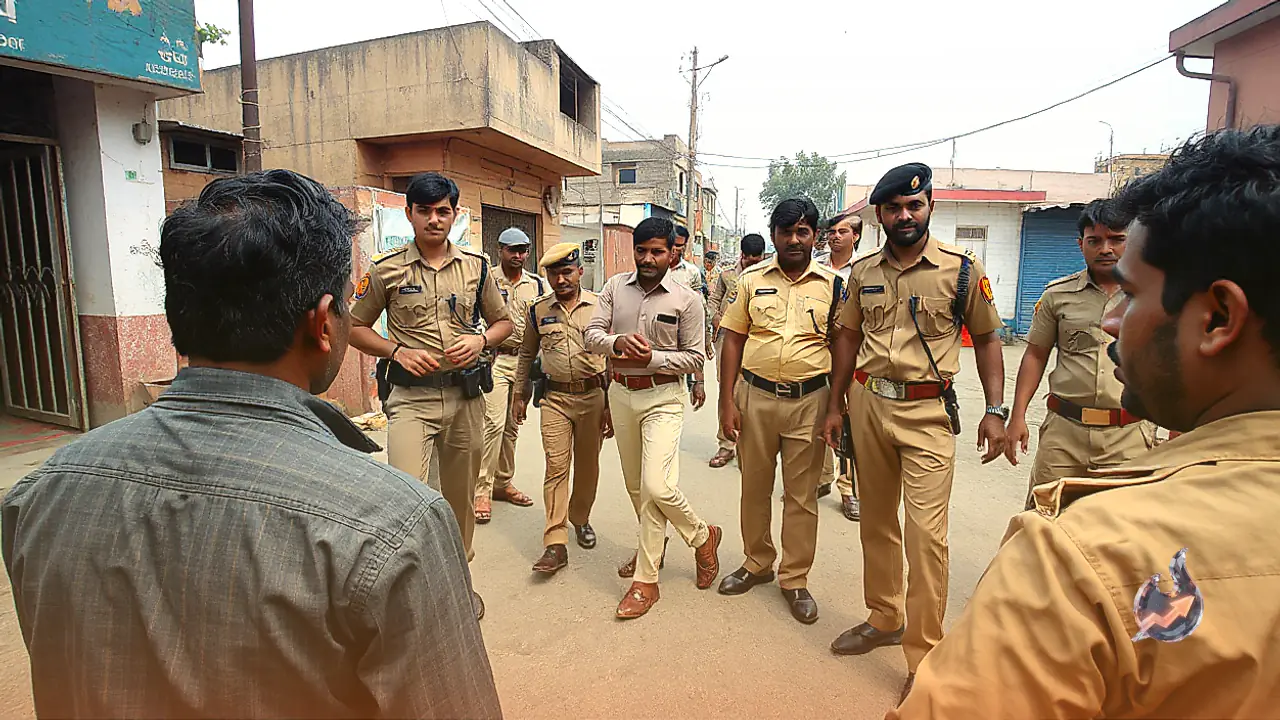
Security restrictions are also severely hindering everyday agrarian life during the critical autumn harvest. Sirim pointed out that farmers are being barred from travelling to their fields in groups. The restrictions have reportedly escalated into violence; during recent protests, an elderly woman suffered fractured ribs during a police lathi charge while travelling toward her agricultural land, and she was subsequently remanded to judicial custody despite her injuries.
Multiple FIRs in Upper Siang and Media Vilification
Legal pressure on the local populace has mounted significantly across Upper Siang district, particularly around the Geku area. Dubit Sirim reported that authorities have lodged widespread First Information Reports (FIRs) against local residents. In one extreme instance in the Geku area, a single individual was hit with more than 19 separate FIRs, while numerous other locals face similar legal actions designed to deter demonstrations.
Activists also raised alarms about public attempts to malign those questioning the project. Sirim highlighted the situation of Bhanu Tatak, a lawyer, researcher, and legal advisor to SIFF, who has faced intense public scrutiny. Tatak is involved in a Central Bureau of Investigation case regarding alleged Foreign Contribution Regulation Act (FCRA) non-compliance concerning registration and income tax filings. Speakers argued that rather than reporting the specific procedural allegations, public narratives have mischaracterised the entire movement as foreign-funded, undermining the genuine concerns of indigenous communities.
Four Decades of Resistance and Reverence for Aane Siang
The resistance against damming the Siang River is not a sudden development; community opposition has spanned nearly four decades. For the Adi community, the largest indigenous tribe inhabiting the valley, the Siang River represents more than just a water resource. Locally worshipped as Aane Siang, meaning Mother Siang, the river forms the very core of their cultural, spiritual, and communal identity. Altering its natural course is viewed by locals as a direct threat to their heritage.
Representatives at the conference demanded an immediate release of all detained protesters, the unconditional withdrawal of FIRs filed against activists, and the de-militarisation of the Siang region. They urged the government to halt aggressive administrative actions and initiate transparent, respectful dialogue with affected communities. Concluding the briefing, participants appealed for broader solidarity across the Himalayan region, emphasizing that the Siang struggle reflects overarching questions regarding ecological fragility, mega-infrastructure impacts, forced displacement, and democratic rights.