




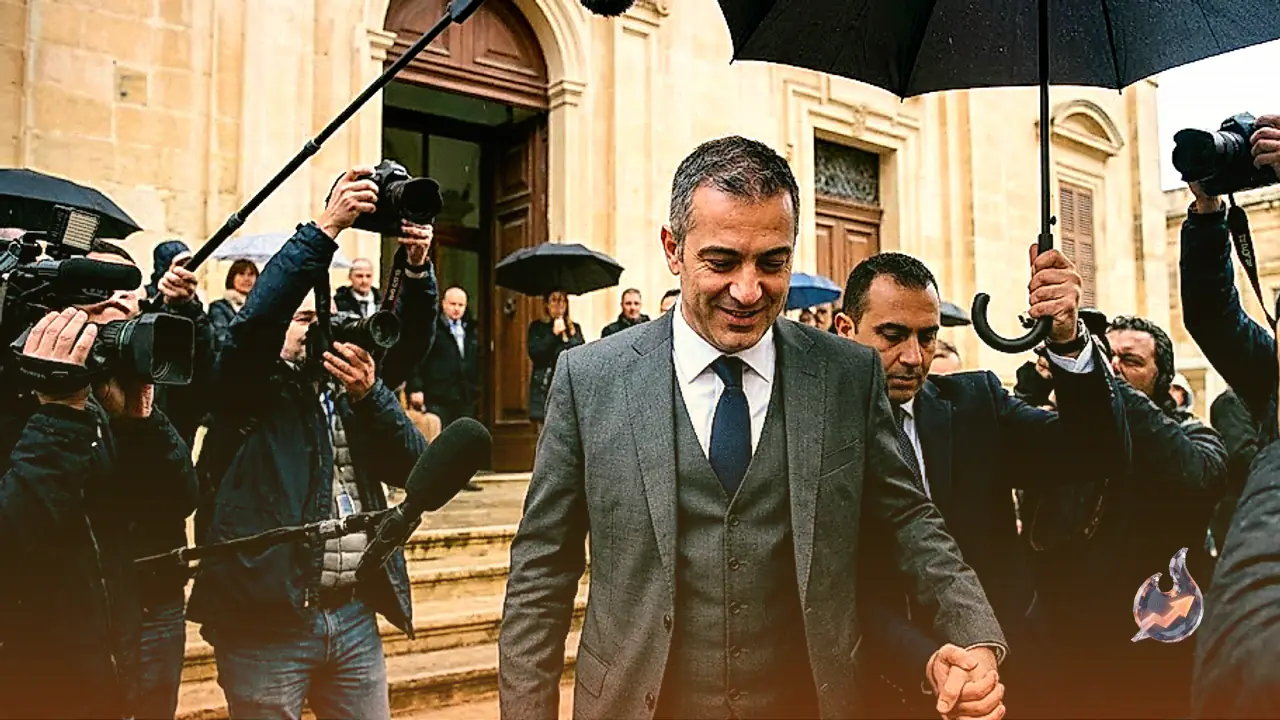

















A high-profile trial surrounding the assassination of investigative journalist Daphne Caruana Galizia reached a dramatic conclusion in Valletta, Malta. Following eight hours of deliberation, a jury cleared 44-year-old businessman Yorgen Fenech of all charges relating to complicity in the murder and criminal association. The verdict was delivered by an 8-1 margin in favor of Fenech. The announcement sparked intense emotional reactions inside the packed courtroom, with Fenech's family reacting with shouts of relief, while members of the slain journalist's family wept. Caruana Galizia, who was 53 when she was killed by a car bomb in October 2017, was renowned for her relentless exposures of high-level corruption across Malta and internationally.
Courtroom Reactions and Statement from the Journalist's Family
The atmosphere inside the Valletta courtroom turned highly charged as the 8-1 verdict was read out. Relatives of Yorgen Fenech celebrated the acquittal loudly, expressing relief after years of judicial proceedings. Conversely, the family of Daphne Caruana Galizia broke down in tears. Following the decision, the journalist's family released a statement through local media outlets reflecting on the broader systemic failings that led to her death. They highlighted that nine years after her assassination, the institutional vulnerabilities that permitted such a crime remain unaddressed and unreformed. The family emphasized that true justice requires creating an environment where no individual is subjected to such extreme danger, asserting that the nation had failed to safeguard Daphne's life and must now act to protect others.
Allegations Against Fenech and the Line of Defence
During the court proceedings, the prosecution contended that Yorgen Fenech orchestrated the killing to silence Caruana Galizia before she could publish damaging details regarding his financial affairs. As one of Malta's wealthiest figures, Fenech held ownership in a prominent firm that had been the subject of investigative articles published by Caruana Galizia shortly before her death. Fenech consistently rejected all criminal allegations. In his defence, he sought to point responsibility toward Keith Schembri, who served as chief of staff to then-prime minister Joseph Muscat and had been a frequent target of Caruana Galizia's reporting. Police testimonies delivered in court confirmed that Schembri was never classified as an official suspect in the murder, and Schembri himself has repeatedly denied any involvement in the crime.
Caruana Galizia's Legacy and the Panama Papers Exposure
Daphne Caruana Galizia gained international acclaim for her investigative journalism, focusing heavily on financial wrongdoing, money laundering, and organized crime. She published her findings on her widely read blog, Running Commentary. A central highlight of her career was her pivotal involvement in the 2016 Panama Papers investigation, which analyzed a massive leak of confidential files from a Panamanian law firm. Her reporting exposed complex offshore corporate structures and implicated top government officials in Malta in financial misconduct. Her assassination via a vehicle-borne explosive device in October 2017 provoked widespread national shock, prompting major street protests across Malta as citizens demanded accountability and justice for the 53-year-old journalist.
Political Aftermath and Related Sentences in the Case
The fallout from Caruana Galizia's death reshaped Malta's political landscape. The political crisis triggered by the investigation ultimately led to the resignation of then-prime minister Joseph Muscat in January 2020, although Muscat was never directly implicated in the assassination plot. Over the years, the judiciary has handed down several significant rulings regarding the execution of the crime. In 2022, brothers George Degiorgio and Alfred Degiorgio received 40-year prison sentences after being convicted of carrying out the murder. Subsequently, in 2025, a Maltese judge sentenced two additional men, Robert Agius and Jamie Vella, to life imprisonment for providing the bomb used in the attack. The acquittal of Fenech leaves open-ended questions regarding the masterminding of the assassination.