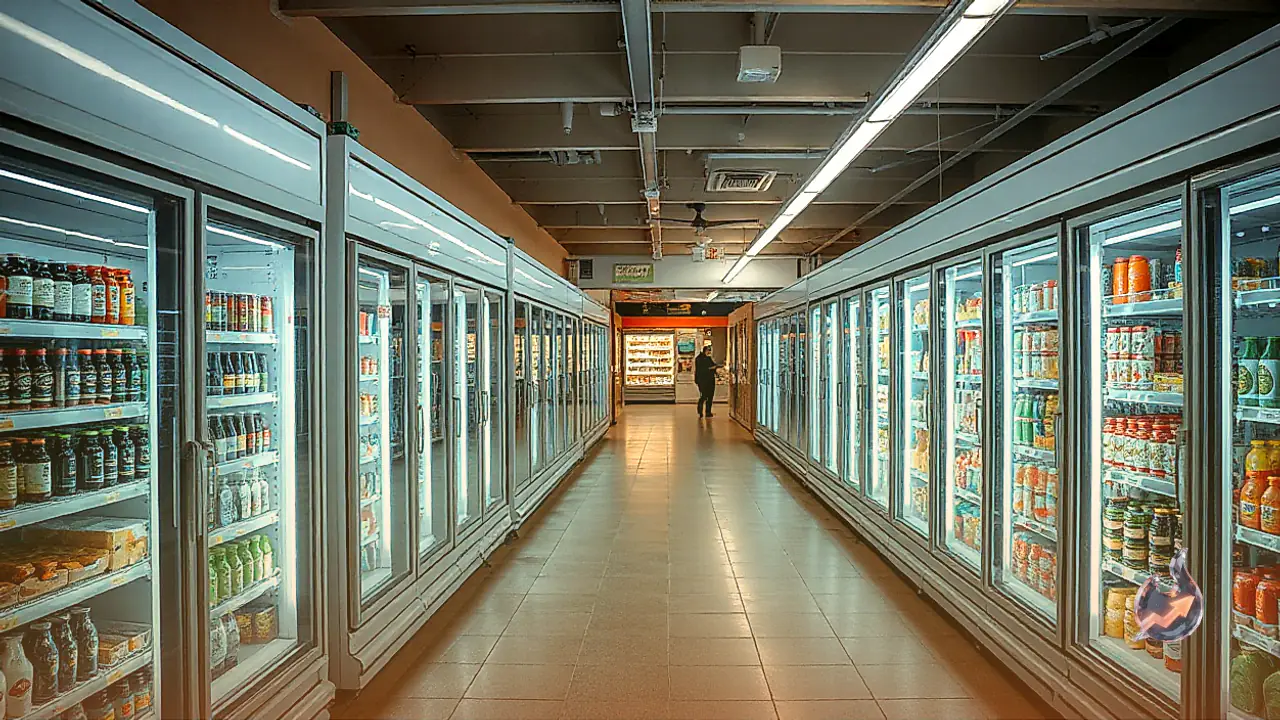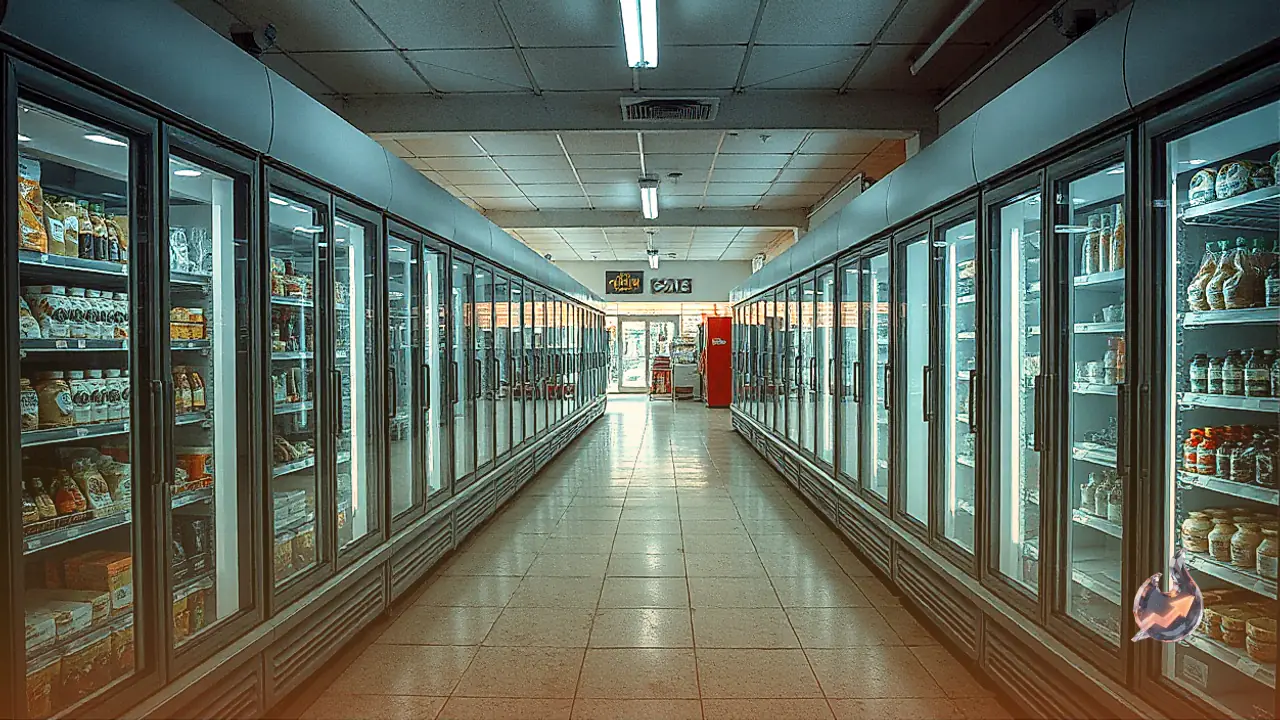


















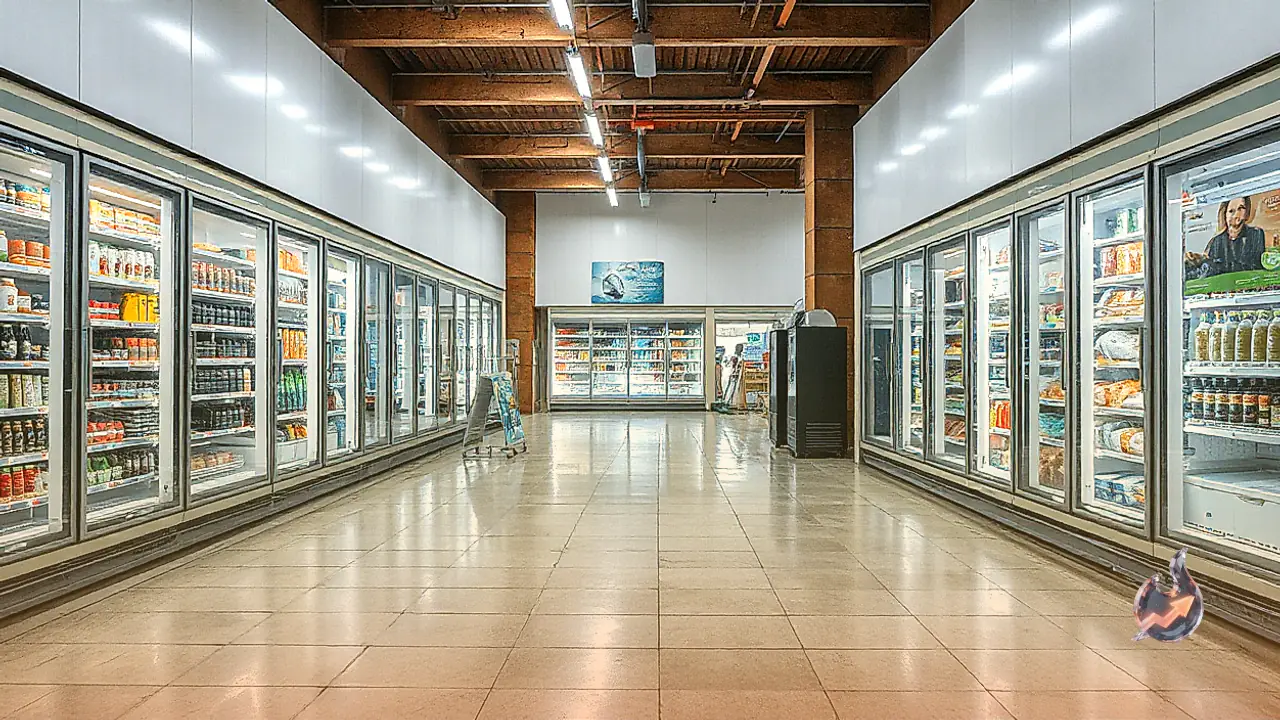

A sweeping campaign of cyber intrusions targeted retail food infrastructure across Western and Northern Europe on Monday, forcing commercial grocery chains to scrap vast inventories of spoiled goods. Intruders manipulated network-connected climate management hardware, causing freezers and chilling compartments across at least nine countries to register extreme heating rather than sub-zero storage conditions. In multiple locations, interior compartments reached an astonishing 50C (122F). The severity of the disruption has prompted European Union leadership to sound the alarm over deliberate sabotage against the continent's essential food supply chain.
Continental Breadth and Severe Temperature Spikes
Store operators in Belgium, Estonia, Finland, Ireland, Italy, Luxembourg, the Netherlands, Portugal, and Sweden detected anomalous operations within their thermal storage systems. No threat actor has claimed responsibility for orchestrating the widespread incidents. Cybersecurity professionals have long highlighted the vulnerabilities inherent in connected industrial control systems, particularly temperature sensors and compressors that allow remote oversight through commercial web portals.
The coordinated failures follow an incident just three weeks earlier in France, where approximately 700 retail food outlets suffered network compromises that caused food spoilage losses evaluated in the tens of millions of euros. The pattern has heightened broader anxieties surrounding state-sponsored hybrid tactics designed to undermine everyday public infrastructure without conventional military means.
European Union Leadership Warns of Expanding Threats
Christophe Hansen, the European Union's commissioner for agriculture and food, affirmed that authorities in Brussels are treating the multi-nation incident with extreme gravity, cautioning that subsequent interference remains a serious danger. Emphasizing the collective nature of the challenge, Commission representative Thomas Regnier declined to pin immediate blame on specific adversaries while addressing the vulnerability of public utilities. Regnier remarked,
"These incidents of course show once again how cyber-attacks can disrupt essential services and affect citizens' daily lives."He stressed that these disruptions cannot be viewed as isolated anomalies and demand continent-wide operational readiness.
National Impacts Across Italy and Hard-Hit Belgium
In Rome, Prime Minister Giorgia Meloni assembled senior intelligence personnel to evaluate local vulnerabilities. Italian officials characterized the immediate domestic fallout as very limited, asserting that the vast majority of food logistics hubs operate modern digital defenses capable of repelling automated intrusions. Italy's National Cybersecurity Agency pinpointed disruptions at four Co-op outlets situated in Sicily along with a single commercial enterprise in Tuscany. Meloni's office noted that the affected storefronts relied on obsolete security frameworks featuring internet-exposed management portals that lacked basic authentication controls.
Belgian grocers absorbed some of the most damaging blows, with dozens of regional stores documenting systemic cooling breakdowns. The widespread failures prompted Belgian federal prosecutors to initiate a formal criminal probe. At a Delhaize branch in Belgium, store manager Mathieu Tilman expressed profound disbelief regarding the senseless destruction of essential supplies, stating,
"I don't even understand how anyone could do this... How can we end up throwing away so much food?"Tilman described the emotional toll on grocery workers forced to dump pallets of ruined inventory during store hours.
Operational Disruptions from Ireland to the Nordic States
Retail networks across other member states registered parallel disruptions. In Ireland, Musgrave Group confirmed that 13 branches of its SuperValu franchise suffered consequences from a cyber incident, though a corporate representative noted that emergency restocking of frozen and chilled inventories proceeded immediately. Neighborhood merchants in the Netherlands documented isolated cooling failures, arriving shortly after major Dutch grocery retailer Albert Heijn took numerous core digital operations offline following a separate intrusion last month.
In Portugal, the Mosqueteiros retail group reported that equipment failures across seven Intermarche stores stemmed from an attack directed at a third-party contractor handling thermal control infrastructure. Swedish retailer ICA noted minor equipment anomalies in a handful of locations without confirming an intrusion, while national digital defense agencies opened monitoring protocols. Finnish retailer Kesko examined anomalous heating across select smaller convenience outlets. Public media in Estonia documented at least one local retailer whose freezer displays spiked directly to 50C under remote command.
United Kingdom Assesses Logistics Infrastructure Exposure
Beyond the European Union, British authorities reacted swiftly to the unfolding crisis. The National Cyber Security Centre advised domestic grocers to audit and patch firmware controlling commercial refrigeration units. Agency analysts warned that the United Kingdom faces a substantial probability of confronting AI-driven cyber operations against core national utilities within the next two years.
Richard Horne, chief executive of the National Cyber Security Centre, confirmed that specialized monitoring teams uncovered UK instances where unprotected commercial technologies suffered exploitation. Horne explained,
"It's not just supermarkets, it's through the whole food supply chain, and we've been working through the night alerting organisations where we can see they've got exposed technology that's vulnerable in this way."With total food spoilage across Europe projected in the tens of millions of euros, technical specialists are prioritizing the isolation of industrial hardware from public-facing internet connections.