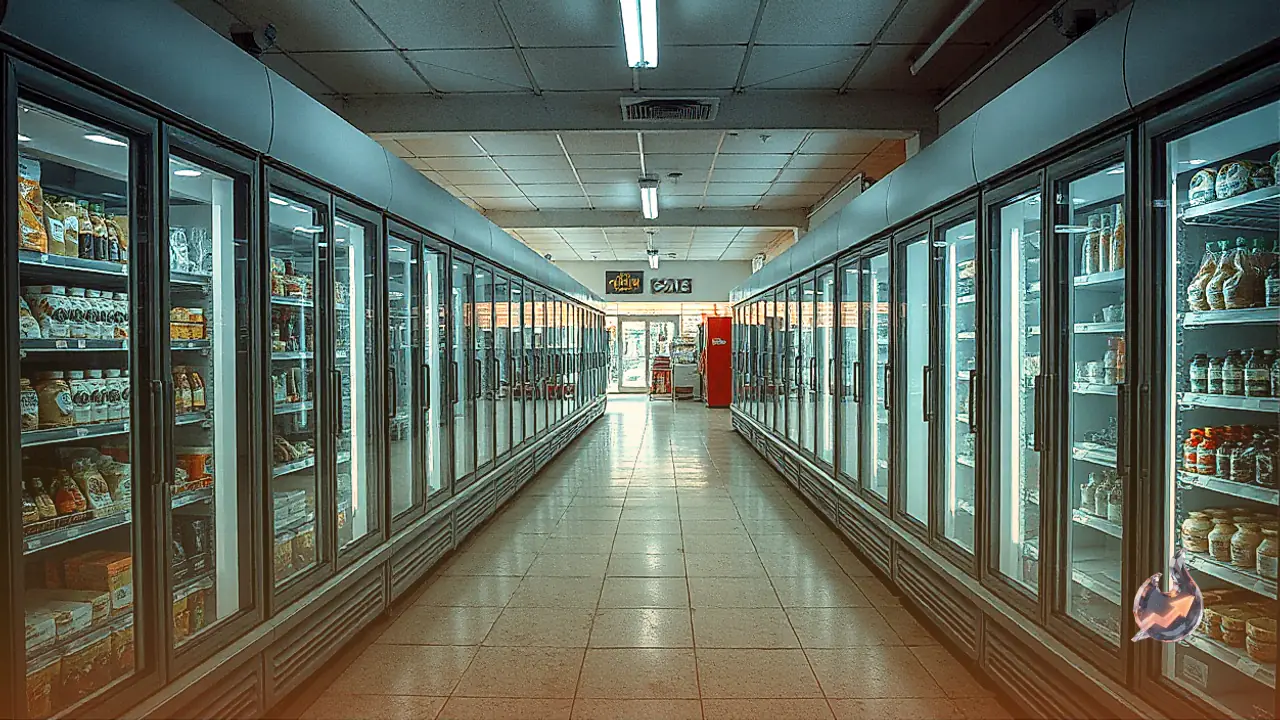






















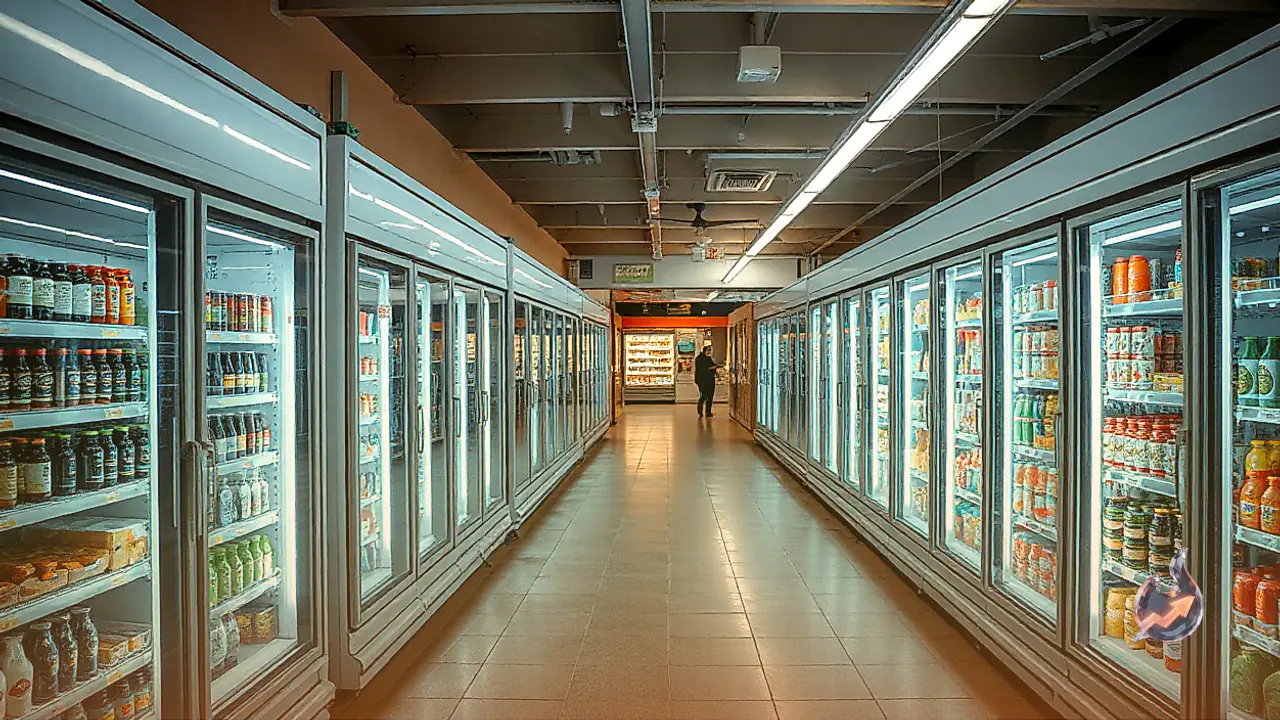

A coordinated cyber disruption targeting supermarket refrigeration systems across several European nations has forced retailers to discard fresh and frozen provisions worth millions of euros. Hackers gained unauthorised remote access to chilling infrastructure and deliberately pushed temperatures upward overnight, spoiling massive volumes of stored goods. In the United Kingdom, the National Cyber Security Centre (NCSC) confirmed that it detected instances where vulnerable technologies were similarly exploited within the country, prompting officials to work through the night to notify organisations that might be at risk.
Meat Suppliers Face Collateral Disruption
The British Association of Independent Meat Suppliers (AIMS) noted that among its membership of more than 300 independent processors and suppliers, several businesses unexpectedly became collateral damage during the wider cyber activity. The trade body reported that none of its impacted facilities suffered spoiled meat stocks. Tony Goodger, who leads communications at AIMS, remarked that although immediate product loss was avoided, the episode must serve as an urgent reminder across the entire food supply chain that commercial infrastructure is increasingly viewed as a viable target by malicious digital actors.
Stores Struck Across Multiple European Markets
The widespread technical compromise struck on Monday night, hitting retailers in Belgium, Sweden, Estonia, and Ireland. Commercial units saw their cold storage environments manipulated, ruining fresh produce and frozen inventories valued in the millions of euros. Security researchers had warned months earlier about existing technical flaws inside the remote management software platforms utilised by supermarkets to govern, service, and monitor industrial cooling apparatus. The attackers leveraged these exact weaknesses to execute the overnight intrusion.
Attack Vector and Supermarket Damage
Roughly 40 Delhaize outlets operating in Belgium and Luxembourg felt the operational impact of Monday's intrusion, alongside retail locations in Sweden, Ireland, the Netherlands, Estonia, and Finland. Sabcobel, a refrigeration manufacturer based in Belgium whose equipment was affected, disclosed that the cooling units had their evaporators switched over into defrost mode, which caused internal temperatures to climb steadily. A nearly identical method is believed to have disrupted hundreds of French grocers just last month. In Belgium, Delhaize store operator Mathieu Tilman expressed profound distress over the sheer waste, observing how painful it is to throw away massive amounts of food while many people struggle with hunger. Numerous affected grocers reported writing off stock worth hundreds of thousands of euros per business.
Outdated Tech and the Acceleration of Artificial Intelligence
Dr Richard Horne, chief executive of the NCSC, stated that determining the specific attribution behind the offensive remains premature. Nevertheless, he highlighted an urgent structural problem across corporate technology, noting that society relies on digital foundations that have lacked sufficient preventative investment. Many enterprises continue operating software well past designated end of life dates, neglecting security patches and failing to isolate sensitive operational controls away from open internet connectivity. Horne warned that such operational blind spots offer simple avenues for infiltration, especially as adversarial groups employ AI capabilities to discover and breach unpatched systems with greater speed. He underscored that business leaders must make wise choices to renew and insulate their mission-critical setups.
UK Retailers Coordinate Preventive Measures
While the British domestic market has recorded negligible direct fallout so far, commercial grocery networks are hardening their networks against potential spillover. Graham Wynn, assistant director of regulatory affairs at the British Retail Consortium, explained that major supermarket chains dedicate substantial budgets to cyber defence and are liaising directly with the NCSC to safeguard their cooling and freezer frameworks. Major grocers including Asda, Lidl, M&S, Sainsbury's, and Tesco maintain active membership within the consortium, coordinating threat intelligence to keep critical distribution networks insulated from automated intrusions.