


















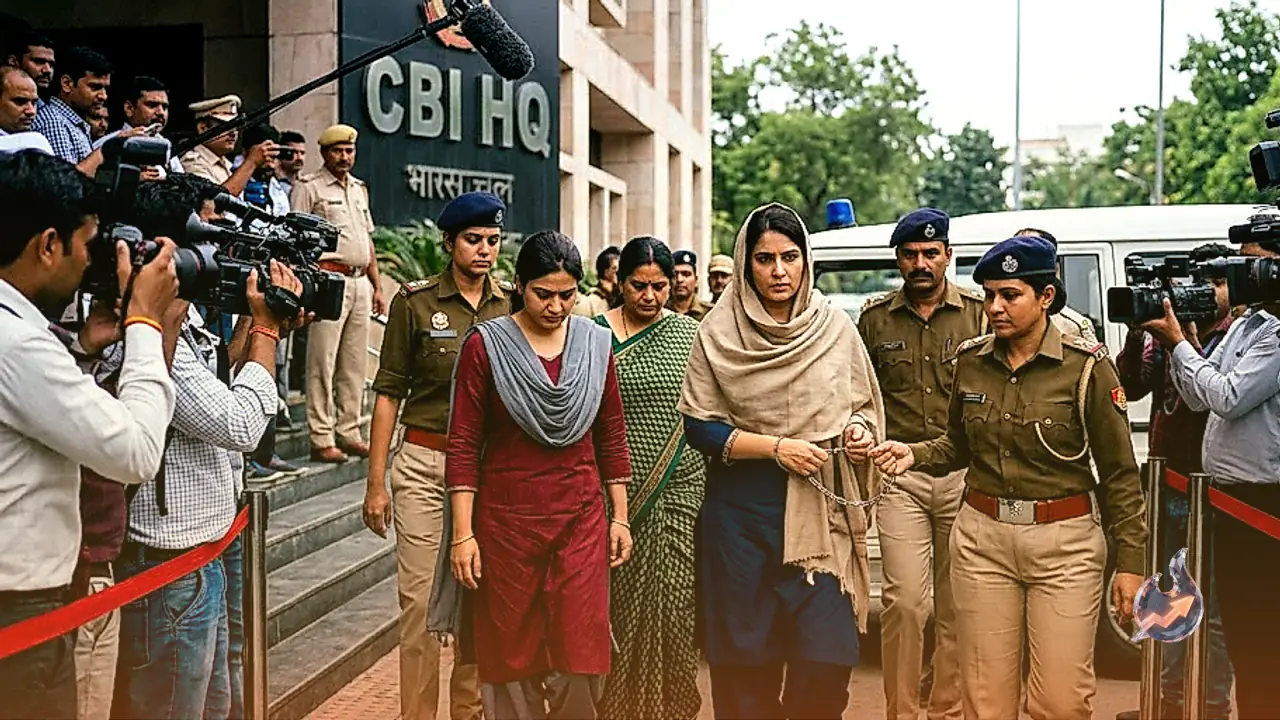

As the Central Bureau of Investigation (CBI) progresses with its inquiry into the NEET-UG 2026 question paper leak controversy, recently filed chargesheet details have revealed the inner workings of a complex, multi-state network. Following nationwide student demonstrations demanding transparency, the investigating agency submitted documentation implicating 13 individuals. Among the most notable findings in the filing is the involvement of three separate female accused, each coincidentally named Manisha. According to the agency's probe, despite sharing the same first name, the three individuals performed vastly different functions within the alleged operation. Two of them served as internal subject matter experts with the National Testing Agency (NTA), while the third was allegedly a key link in an inter-state network responsible for procuring and circulating leaked question papers.
Internal Roles of Subject Matter Experts
The investigative findings indicate that the breach extended beyond external conduits into the administrative periphery of exam preparation. The first individual cited in the chargesheet is Manisha Mandhare, who served as a Biology subject expert for the NTA. Investigators are scrutinizing whether any breach of confidentiality occurred during the paper drafting and moderation phases under her purview. The second internal figure named is Manisha Sanjay Havaldar, associated with the NTA as a Physics subject expert. According to the CBI, the inclusion of subject experts in the chargesheet stems from digital and physical evidence collected during the initial probe to determine if internal access was compromised. Both experts face formal allegations, though final determinations of guilt or innocence rest with the court during upcoming judicial proceedings.
Inter-State Intermediaries and Digital Distribution
The third named individual, Manisha Sanjay Waghmare, is identified by the agency as an intermediary operating within a broader distribution apparatus. The CBI's findings describe a syndicate that transcended regional boundaries, stretching across Maharashtra, Rajasthan, Haryana, and Kerala. Interrogation records cited in the chargesheet reveal that co-accused Pralhad Vithalrao Kulkarni connected with Dhananjay Lokhande in 2021. Subsequently, Kulkarni allegedly collaborated with Manisha Waghmare to execute a plan focused on obtaining question papers and disseminating them to intended beneficiaries. The operation relied heavily on instant messaging services like WhatsApp to rapidly transmit solved answer keys across different states prior to the examination.
Initial Trigger from Sikar and Forensic Tracking
The chargesheet highlights that the initial alert regarding the compromise did not originate from law enforcement, but from an educational professional in Rajasthan. Shashikant Suthar, a Chemistry teacher based in Sikar, alerted the NTA via email after noticing that solved question sets were actively circulating on WhatsApp groups ahead of the exam schedule. This communication served as the primary catalyst for the broader probe. Law enforcement subsequently leveraged digital forensics, electronic trail reconstruction, and data analytics to trace communications between coaching institute operators, internal test prep experts, and regional brokers across state lines.
Judicial Proceedings and Next Steps
With the formal filing of the chargesheet against the 13 accused, the case now moves into the trial phase before the court. The judicial process will evaluate the forensic material, electronic evidence, and witness testimonies assembled by the CBI. All charges remain subject to judicial determination as the court hears arguments from both the prosecution and the defense in this high-profile examination security case.