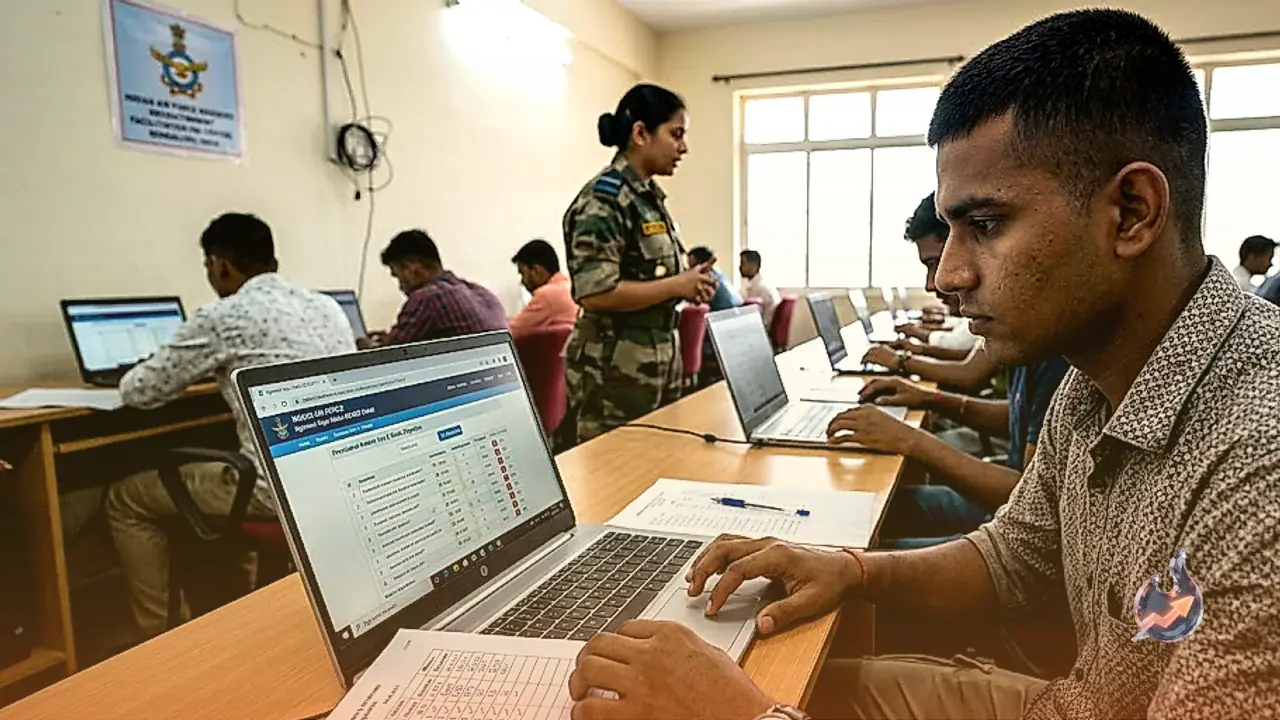

















In a major development concerning the NEET UG 2026 examination integrity, the Central Bureau of Investigation (CBI) has submitted a comprehensive chargesheet outlining an intricate paper leak infrastructure. The central investigative agency asserts that question sets were compromised three days prior to the official exam date, following which they were circulated through encrypted messaging apps like WhatsApp and Telegram as well as via specialized offline coaching sessions. According to the investigation, the syndicate involved subject matter experts associated with the National Testing Agency (NTA), coaching institute administrators, intermediaries, and external handlers who collectively breached the secure framework of the national entrance test.
Specialized Off-site Classes Conducted in Pune and Latur
The filed chargesheet highlights that P. V. Kulkarni, a designated subject expert for Chemistry who had undertaken a formal oath of confidentiality, conducted restricted coaching sessions in Pune between April 25 and April 27. Candidates attending these secret sessions were allegedly instructed to memorize exact questions and answer keys that subsequently featured in the official NEET UG paper. A similar coaching operation was organized in Latur, where a separate batch of candidates received identical preparatory material directly corresponding to the final examination content.
Digital Footprints, App Access Logs, and Promised Rewards
Investigative teams compiled multiple strands of digital evidence to substantiate the charges. Access logs from the My Gate application, cellular tower location data, and detailed call detail records (CDR) confirmed the presence of candidates at Kulkarni's residence during the days leading up to the test. Physical notebooks seized from participating students contained handwritten questions that mirrored the compromised examination paper. Furthermore, forensic examination of Kulkarni's mobile phone retrieved original photographs of Chemistry questions, messaging logs with candidates and parents, and additional digital documentation. The CBI also noted that following the conclusion of the test, a parent communicated with Kulkarni offering a luxury wristwatch as a gesture of appreciation after the predicted questions matched the actual test paper.
Monetary Transactions and Multi-Subject Leak Network
The investigation reveals that Kulkarni also attempted to secure access to the Physics paper. Separately, Physics subject expert Manisha Hawaldar stands accused of breaching her confidentiality agreement by leaking Physics questions in exchange for a payment of Rs 25,000. Handwritten question records were identified on her mobile device eight days prior to the examination. She dictated these questions to co-accused Tejas Shah, who subsequently managed their onward distribution. Within this structure, Manisha Waghmare functioned as the central liaison connecting candidates with subject experts. She collected up to Rs 4 lakh per candidate from parents to enroll students in offline leak sessions, gathered the funds, and distributed the Physics questions over WhatsApp. She also demanded an additional fee of Rs 50,000 conditioned on the leaked questions appearing in the final exam. Regarding the Biology section, Manisha Gurunath Mandare organized home-based tutorial sessions where candidates were directed to highlight specific passages in new NCERT textbooks and dictate questions, before she later acquired copies of the leaked Physics materials.
Sikar Coaching Syndicate and Encrypted Communication Channels
A prominent coaching network operating out of Sikar, Rajasthan, served as a primary distribution node for the compromised materials. On the night of May 2, hours before the nationwide exam, a PDF document containing the leaked test paper was distributed among 40 to 50 students. Coaching managers framed the document as a list of most probable questions. Following the exam, multiple candidates produced video statements confirming the exact alignment between the circulated document and the actual examination questions. Investigators uncovered several WhatsApp communications operating under disguised group names such as NEET 2026 and FIFA World Cup 2026 to facilitate the transfer of data. The accused used coded language to conceal their activities, assigning names like Kailash and Shivalik to NTA master question sets, while saving key contact numbers under aliases such as AP Broker.
Systemic Vulnerabilities in NTA Paper Creation Workflow
The chargesheet demonstrates that preparations for the leak began as early as October 2025, when members of the network initiated outreach to candidates and parents, collecting payments in multiple installments through both cash and electronic bank transfers. The CBI report explicitly points out major structural and security flaws within NTA's paper setup and translation procedures. Specifically, single subject experts were permitted unmonitored access to all four master sets during the setting and translation phases. Physical frisking protocols for experts were inadequate, and the facility lacked an independent central control room for continuous video monitoring. These operational loopholes allowed handlers to extract confidential test materials without detection.
Delhi University Analysis and Judicial Proceedings
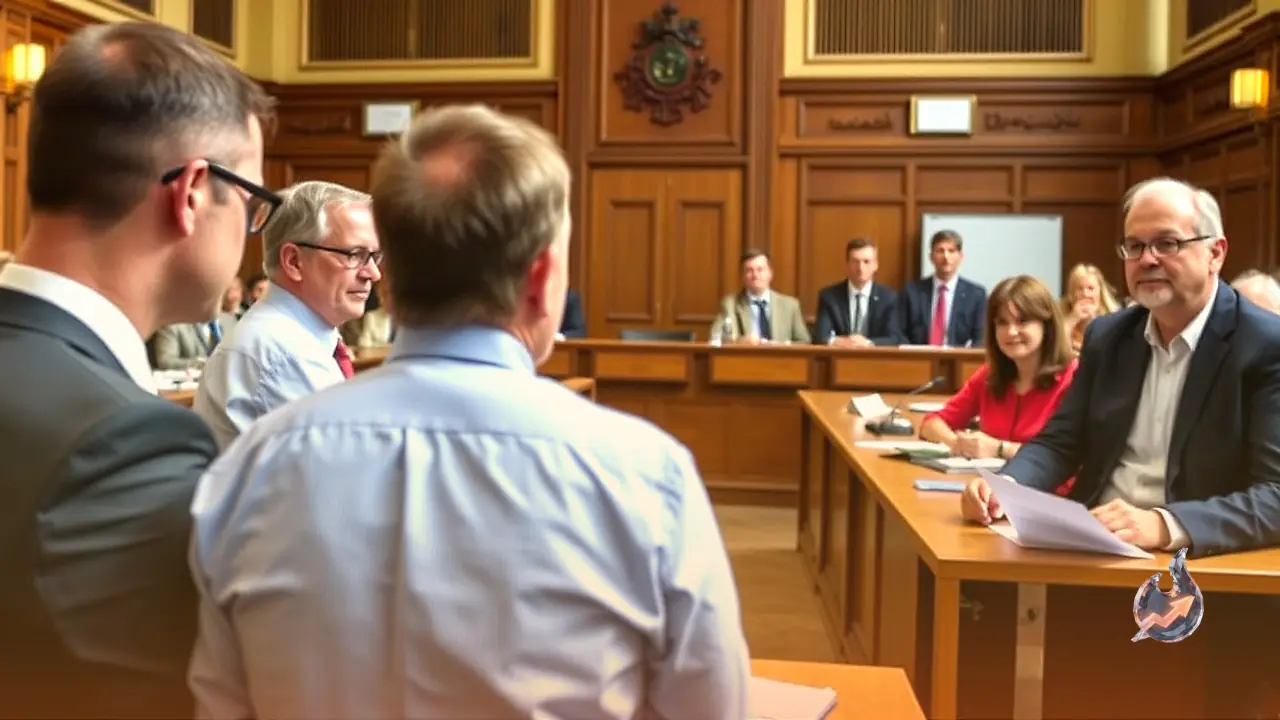
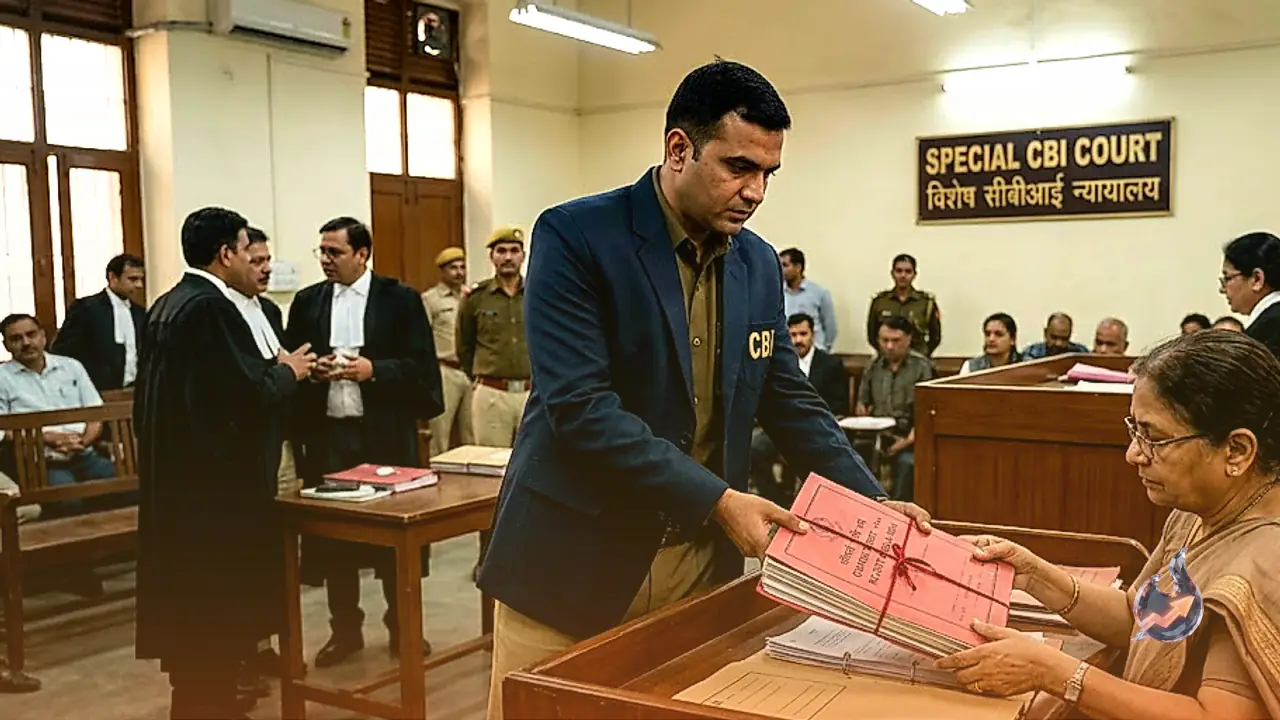
To establish scientific proof of the breach, the CBI incorporated an independent evaluation report prepared by academic experts from Delhi University. The expert review established up to a 90 percent match between the leaked Biology questions and the official paper, while Chemistry sets displayed an almost 100 percent match. This forensic verification forms a central pillar of the prosecution's case. The entire conspiracy came to light after the conclusion of the examination on May 3, 2026, when a Chemistry teacher based in Sikar cross-referenced the leaked PDF with the official paper and forwarded an email complaint to the Director General of the NTA, prompting the federal investigation. The matter is currently being adjudicated in a Delhi Fast Track Court, where judges are evaluating the chargesheet to determine the specific statutory sections for formal charge framing and trial proceedings.