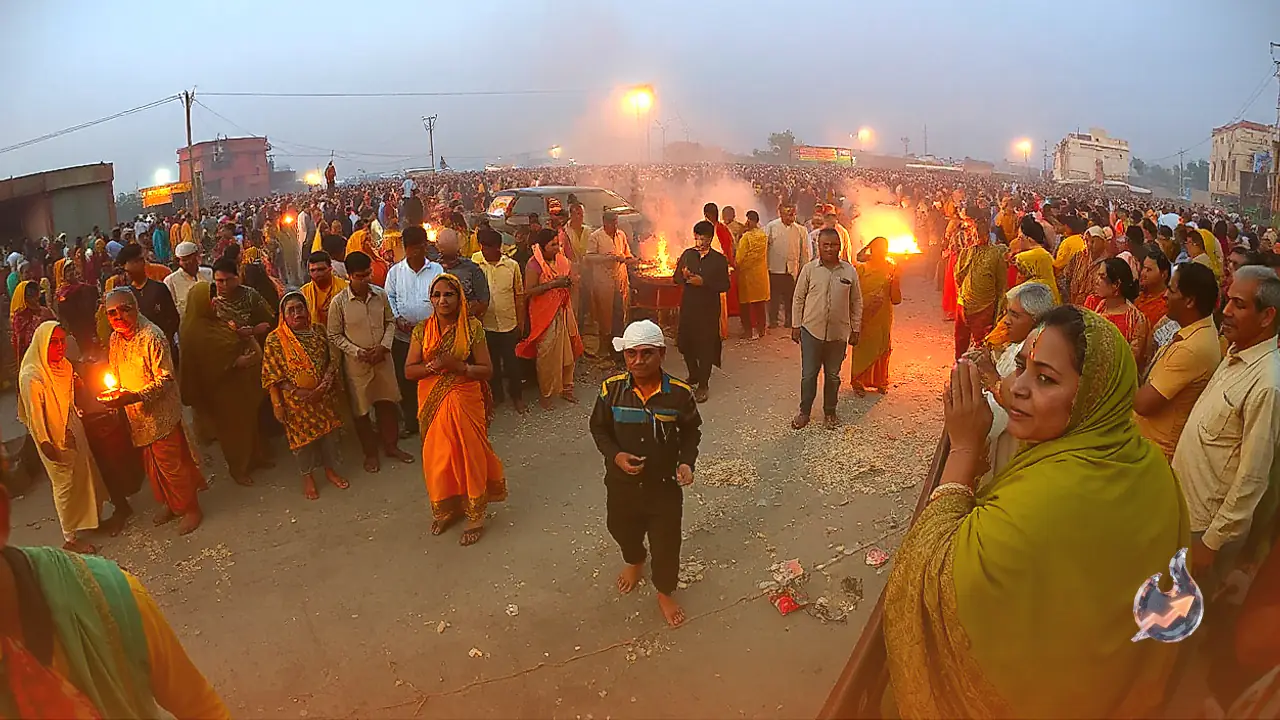














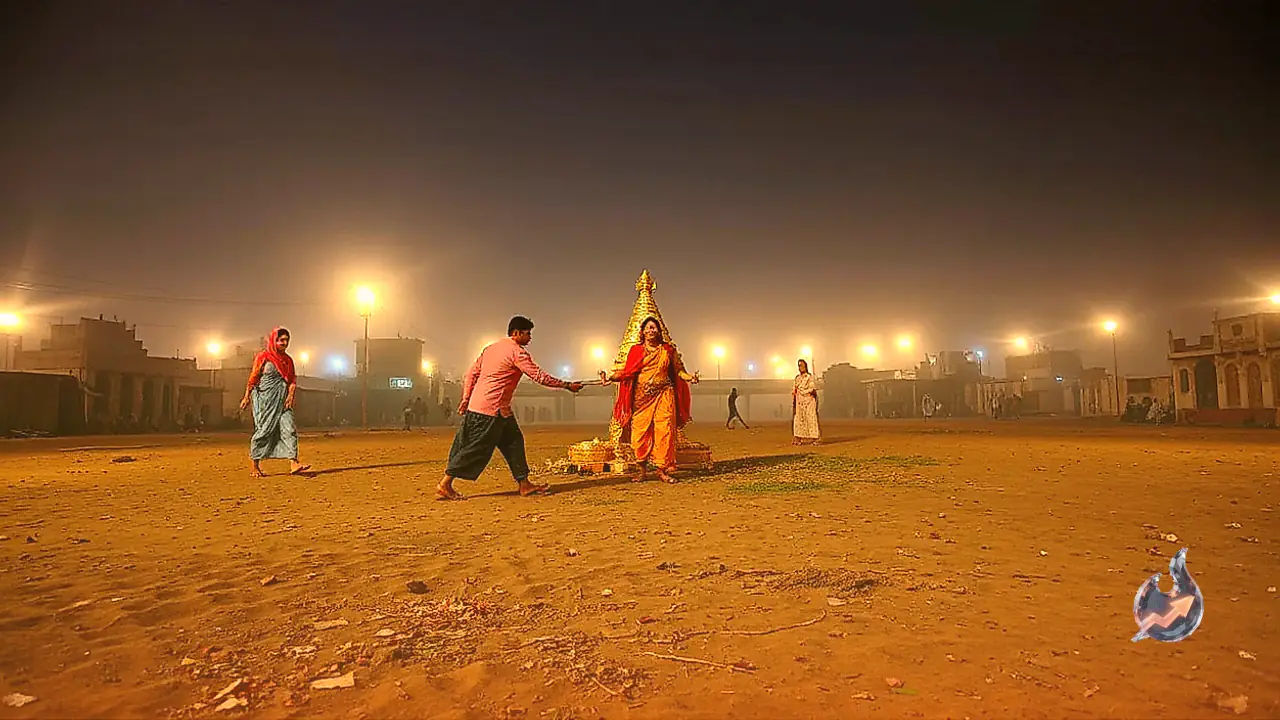

The Chhath Puja festival across India has transcended its traditional role as a solemn spiritual observance of gratitude to the Sun God to emerge as a massive economic engine powering local markets and small businesses. During the 2026 celebrations, an estimated 11 crore devotees are participating in the grand festival nationwide. Driven by this vast social and religious participation, commercial trade across key states including Bihar, Jharkhand, Delhi, and several others is projected to cross a staggering Rs 65,000 crore.
State-by-State Trade Breakdowns and CAIT Findings
According to detailed projections released by the Confederation of All India Traders (CAIT), the festival has generated unprecedented commercial momentum across the nation. This evaluation forms part of CAIT's ongoing special research initiative examining India's Sanatan Economy, which systematically tracks consumer spending and business turnover during major festivals and wedding seasons.
The regional distribution of this trade highlights key economic hubs. In the national capital region of Delhi, home to a substantial migrant population from the Purvanchal region, festival-related business is estimated at approximately Rs 12,000 crore. In Bihar, which serves as the cultural epicenter of the festival, trade volume has reached Rs 20,000 crore. Neighboring Jharkhand accounts for nearly Rs 7,000 crore in commercial activities, while the remaining Rs 26,000 crore is spread across other states where the festival is celebrated with equal fervor.
Spread of the Purvanchal Community Across India
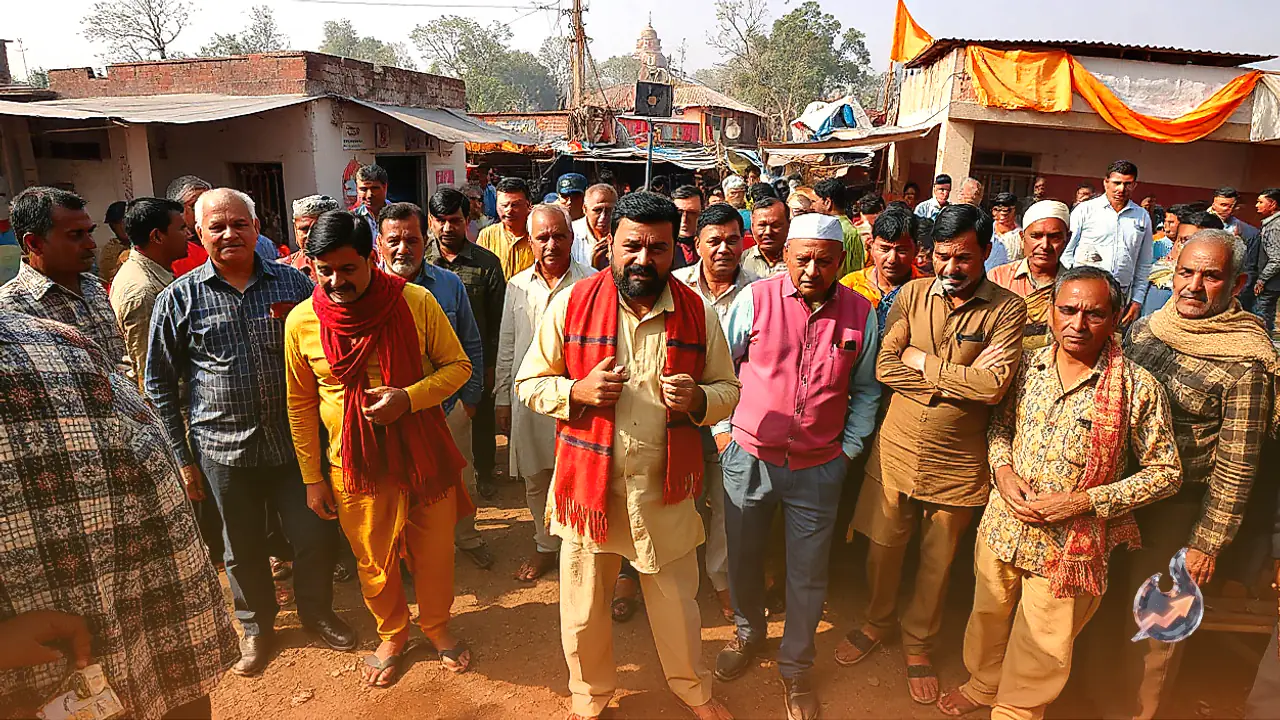
Highlighting the broader implications of these figures, Praveen Khandelwal, Secretary General of CAIT and Member of Parliament from Chandni Chowk, noted that while Bihar, Jharkhand, and Eastern Uttar Pradesh remain the historical heartlands of Chhath Puja, their economic influence now spans the country. These core states feature the largest riverbanks and ghats, recording massive turnouts of devotees and intense local market spending.
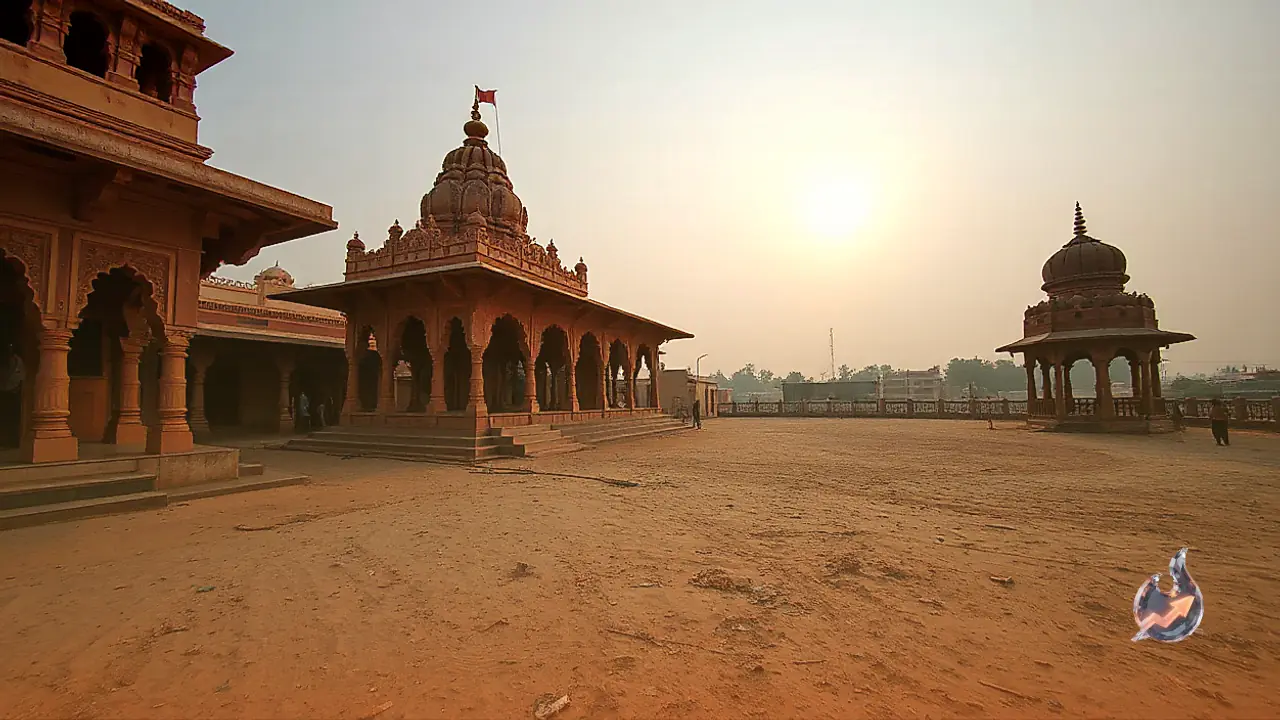
Over recent decades, migration patterns have established large Purvanchal communities in states across India. Consequently, Chhath Puja is now celebrated on a grand scale in Delhi-NCR, Uttar Pradesh, West Bengal, Madhya Pradesh, Chhattisgarh, Rajasthan, Gujarat, and Maharashtra. The presence of these vibrant migrant groups has led to the establishment of specialized seasonal markets catering to festive requirements in urban centers nationwide.
Multi-Tiered Business Ecosystem and Public Infrastructure Spending
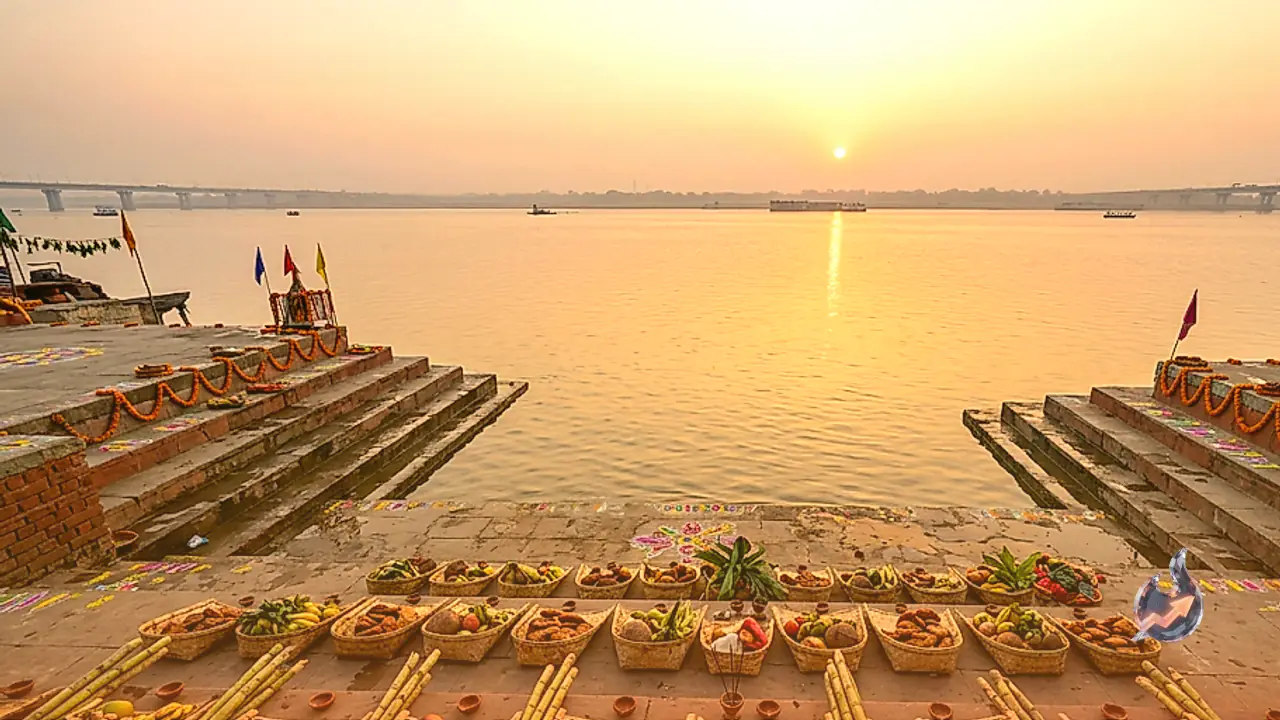
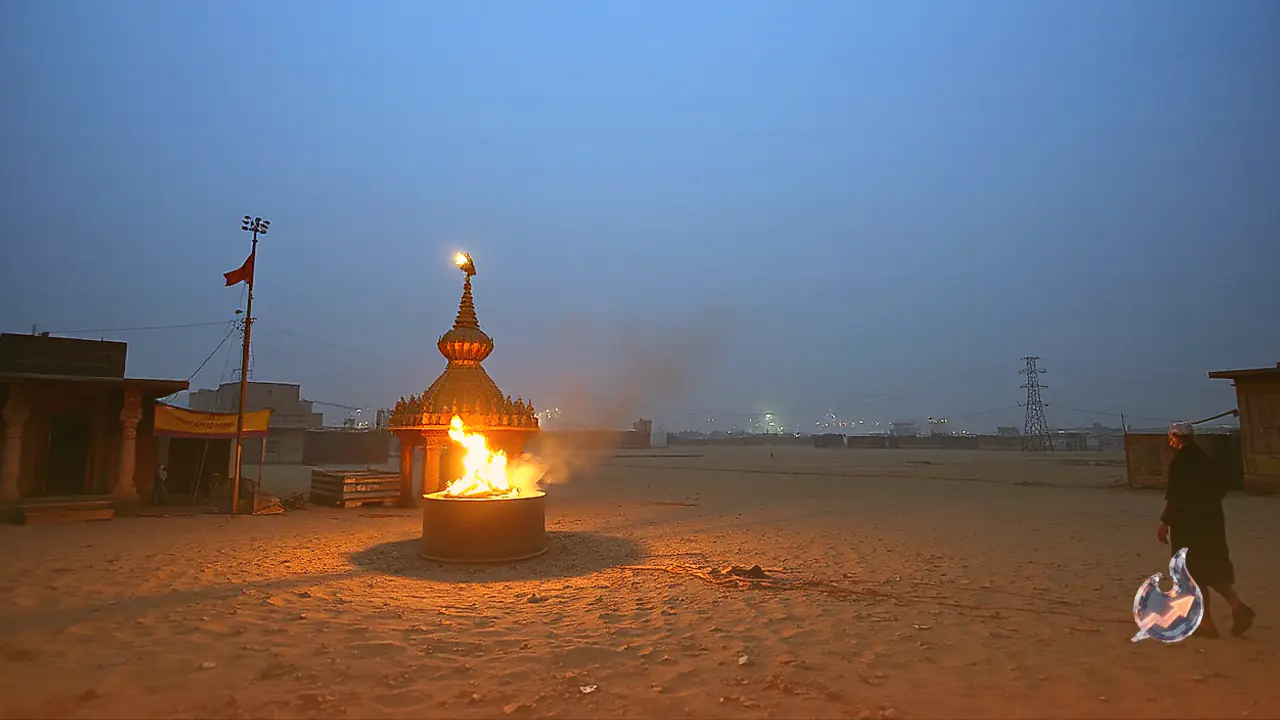
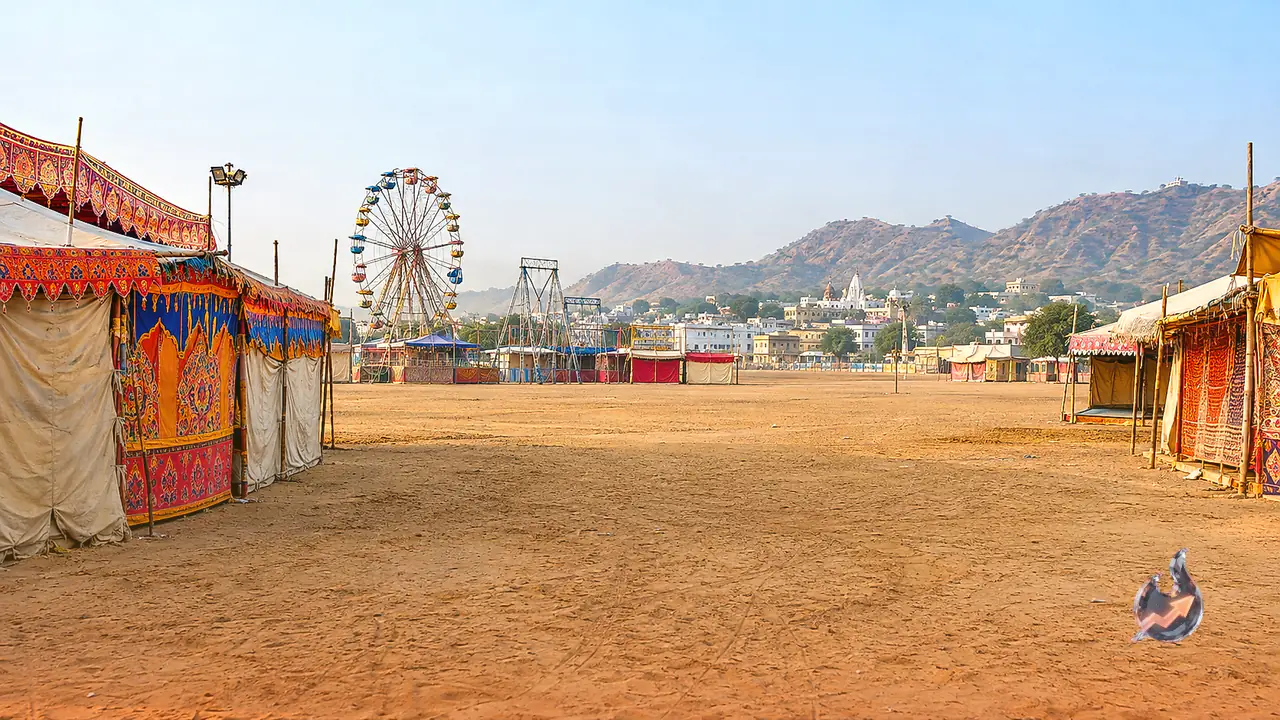
The ritual demands of Chhath Puja create a diverse, multi-tiered business network. Celebrations held along riverbanks, lakes, ponds, and temporary artificial ghats spark extensive demand across sectors such as local transport, catering, tent installation, decorative lighting, audio equipment, venue security, and auxiliary services.
Simultaneously, state governments and municipal bodies allocate significant funding toward constructing and upgrading ghat infrastructure, ensuring cleanliness, setting up public lighting, managing water flow, and maintaining security. This public expenditure flows directly into the local service economy, generating short-term employment for thousands of workers and service providers.
Empowering Traditional Craftsmen, Potters, and Farmers
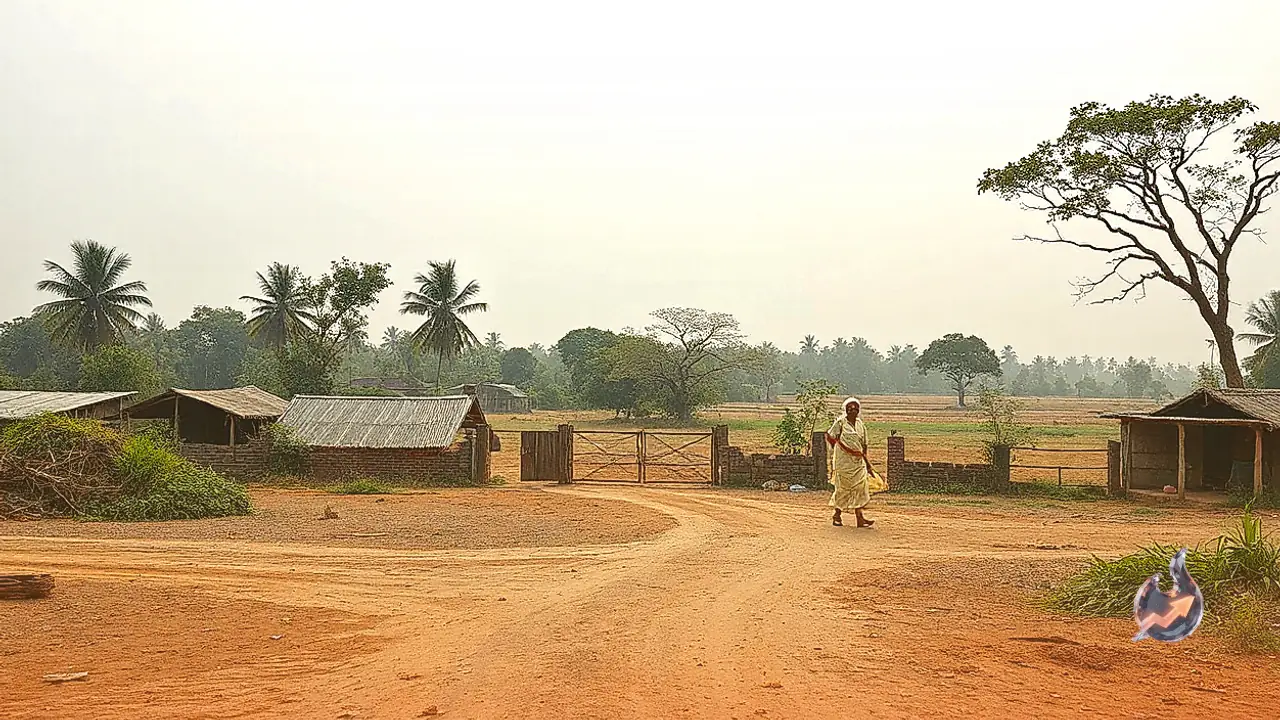
A defining feature of Chhath Puja is its exclusive reliance on natural and handmade items, ensuring that the economic gains flow directly to rural artisans and cottage industries. Demand surges dramatically for handcrafted bamboo items such as soop (bamboo trays), daura (large baskets), daliye, and woven containers. This seasonal demand provides essential annual income to traditional bamboo-crafting families and rural artisans.
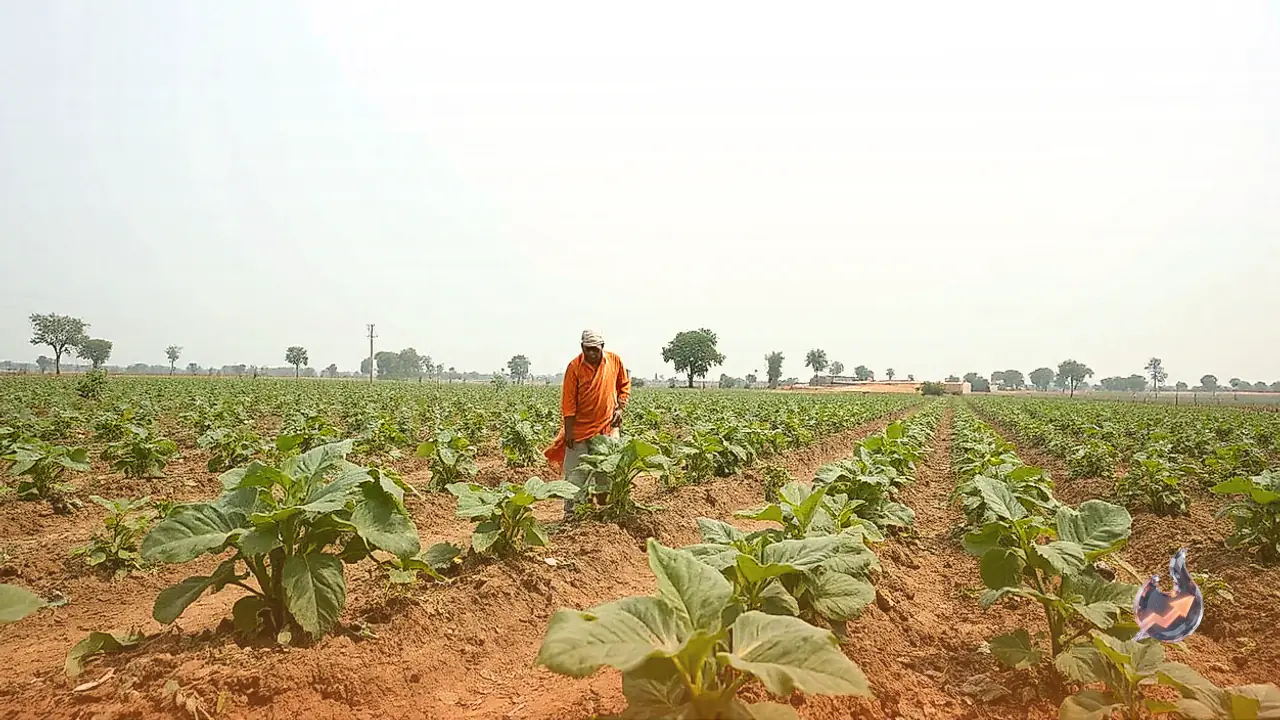
The agricultural sector also experiences a substantial windfall. Bananas, coconuts, sugarcane, apples, oranges, lemons, ginger, turmeric, seasonal fruits, and vegetables see massive volume sales in wholesale and retail mandis. This agricultural demand directly supports farmers, local growers, and small fruit vendors.
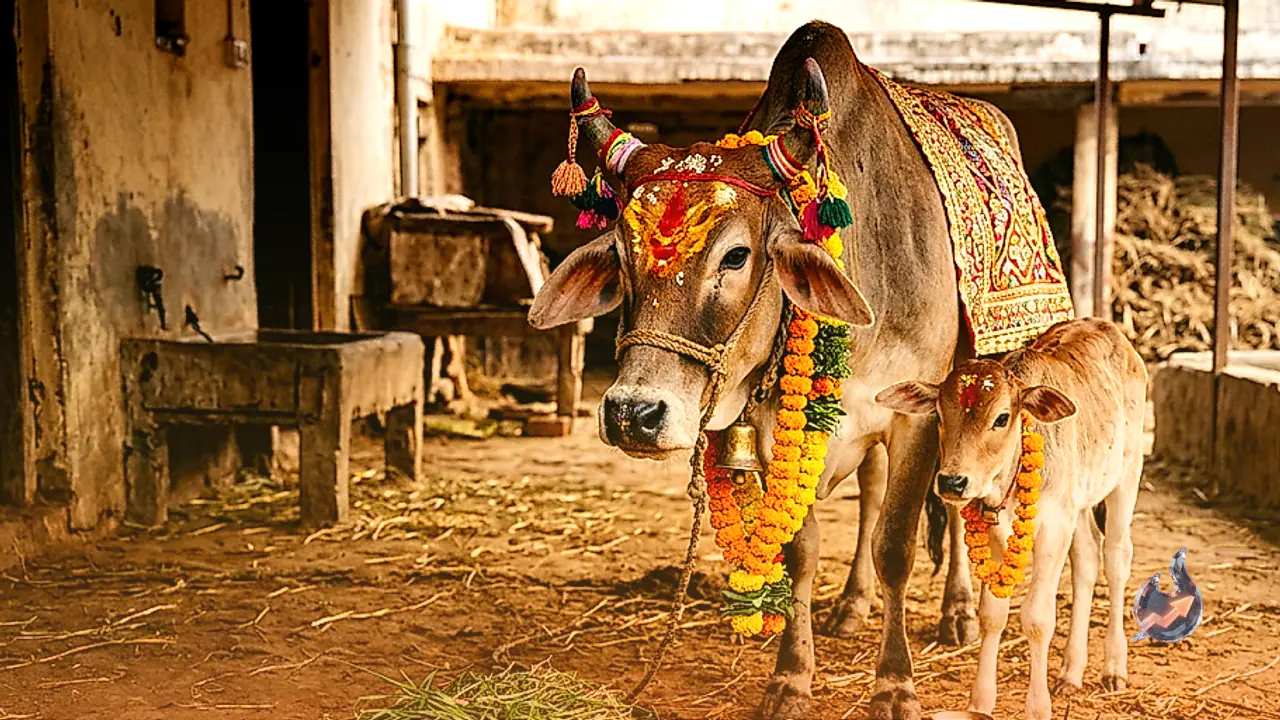
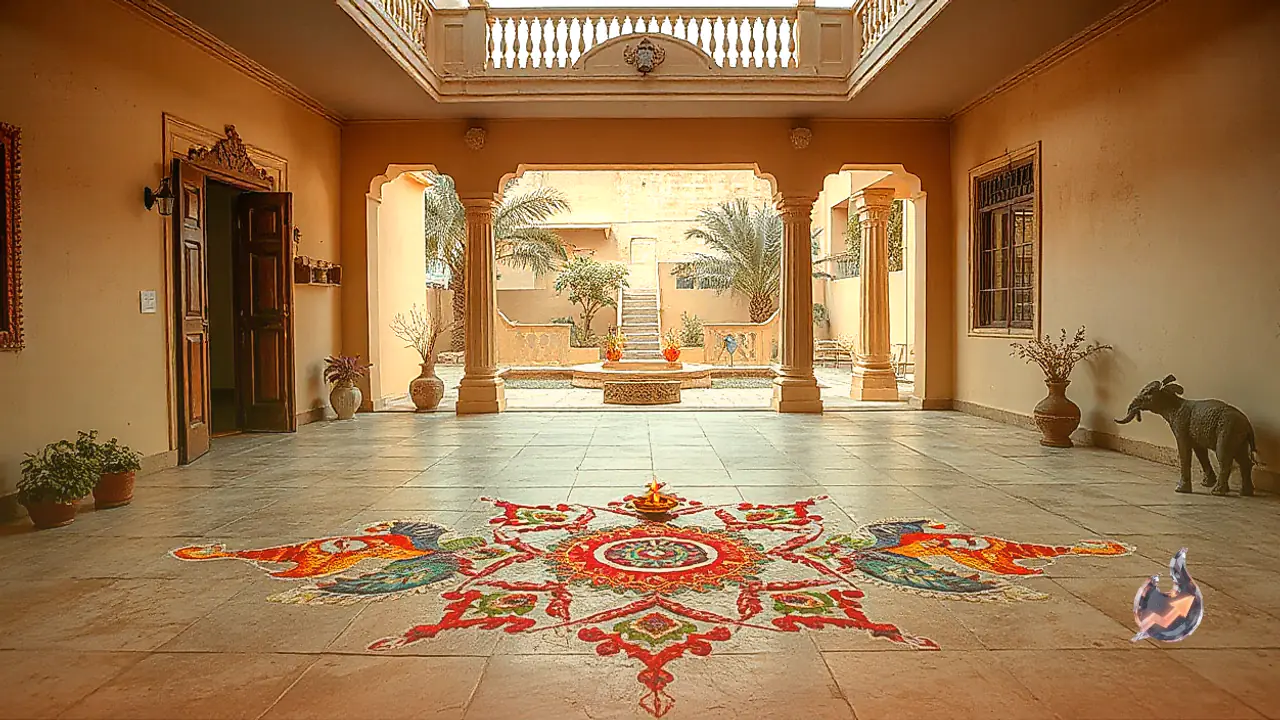
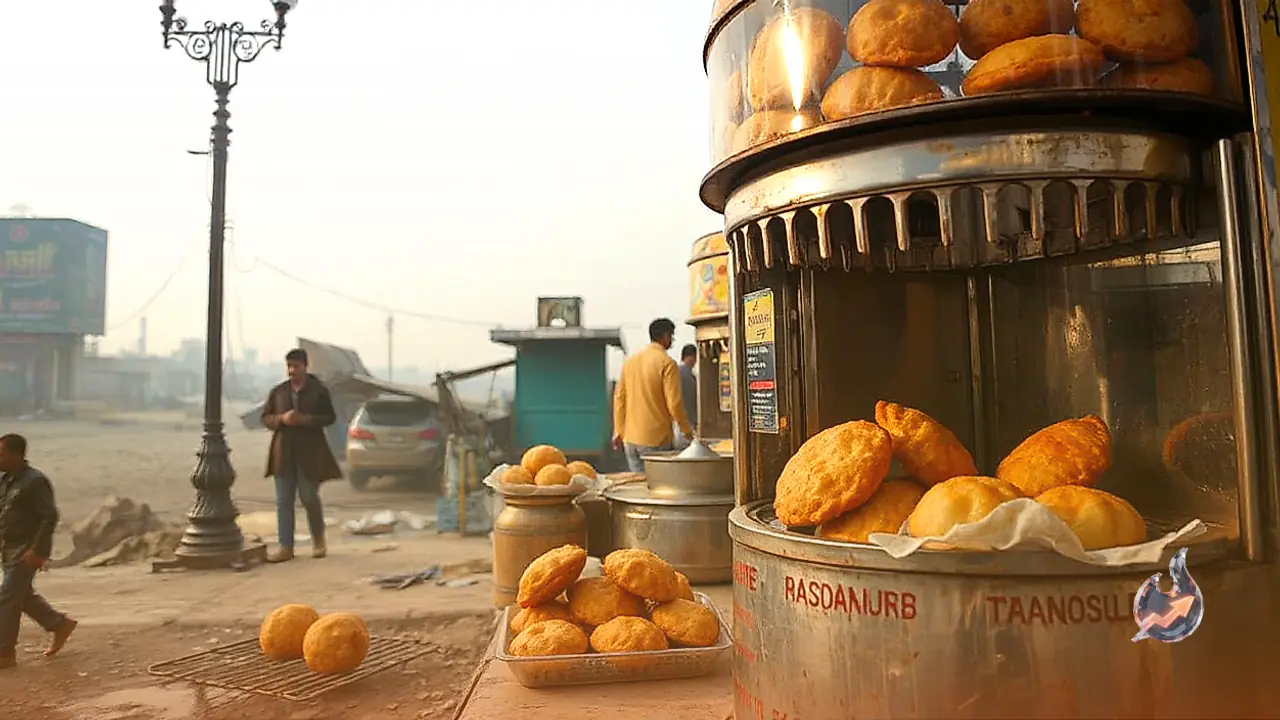
Similarly, the food and confectionery sectors register heavy demand for ingredients used in traditional offerings such as thekua, jaggery, rice, wheat flour, pure ghee, and milk. Potters producing traditional earthenware including clay diyas (lamps), traditional cooking stoves (chulhas), earthen pots (kalash), and leaf plates (pattal) experience peak manufacturing activity. Furthermore, retail trades in sarees, traditional attire, fresh flower garlands, incense sticks, camphor, puja essentials, and decorative items provide a major boost to neighborhood markets.
Fulfilling the Vision of 'Vocal for Local' and Self-Reliant India
Praveen Khandelwal emphasized that Chhath Puja serves as a quintessential example of how India's rich spiritual and cultural heritage can function as a catalyst for economic growth. The festival bridges sacred traditions with daily livelihoods, weaving farmers, small shopkeepers, traditional artisans, women entrepreneurs, and street vendors into a robust economic value chain.
This organic economic activity directly advances Prime Minister Narendra Modi's vision of 'Vocal for Local', Swadeshi production, and an Aatmanirbhar Bharat (Self-Reliant India). When a devotee purchases a bamboo tray from a local craftsman, an earthen lamp from a potter, fresh produce from a farmer, or traditional clothing from a neighborhood seller, the financial capital directly strengthens domestic producers and reinforces the national economy from the ground up.
Gratitude to Nature and Building a Developed India
Khandelwal also highlighted the deep ecological and societal values embedded in the festival. Offering Arghya (ritual water and milk offerings) to both the setting and rising sun symbolizes civilizational respect and gratitude toward nature. The strict discipline, cleanliness, simplicity, social inclusivity, and collective participation required during Chhath promote a sustainable, eco-friendly lifestyle through the use of biodegradable materials like bamboo, clay, and leaves.
In conclusion, Khandelwal noted that Indian festivals are far more than spiritual celebrations; they are powerful drivers of grassroots prosperity, employment generation, indigenous manufacturing, and local enterprise. India's cultural heritage represents one of its greatest economic assets, laying a solid foundation for the vision of a Developed India ('Viksit Bharat').