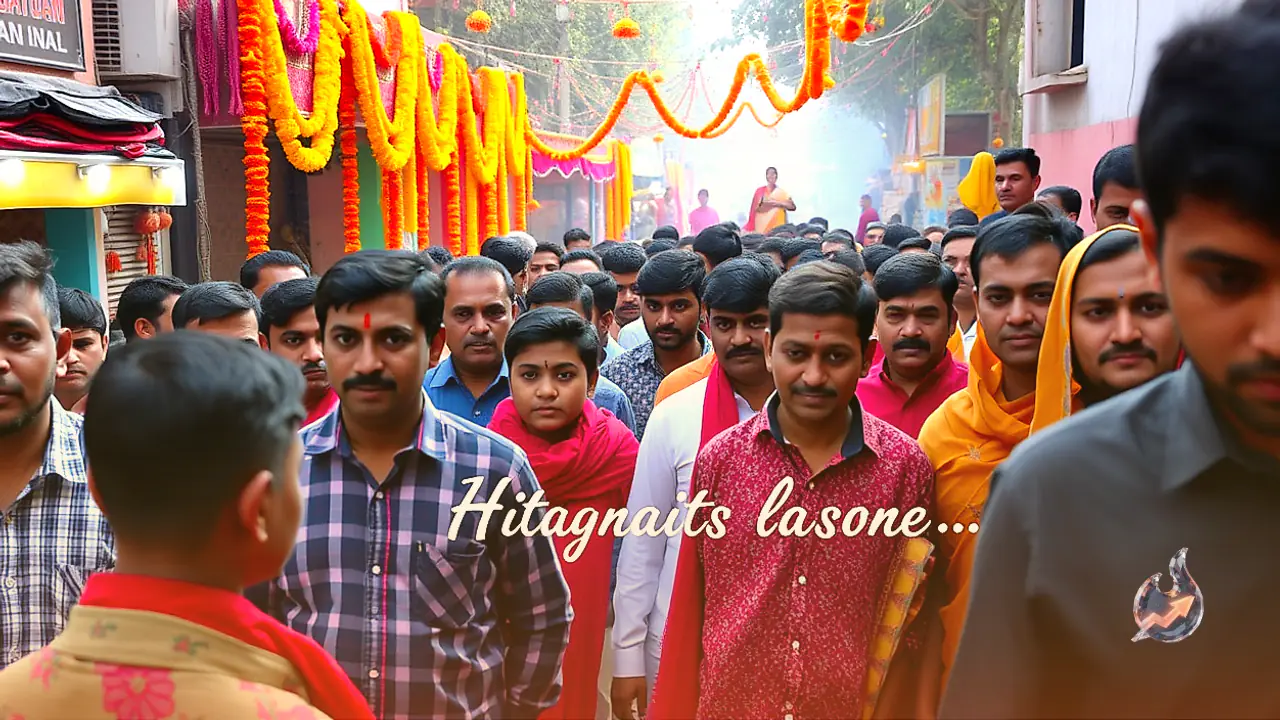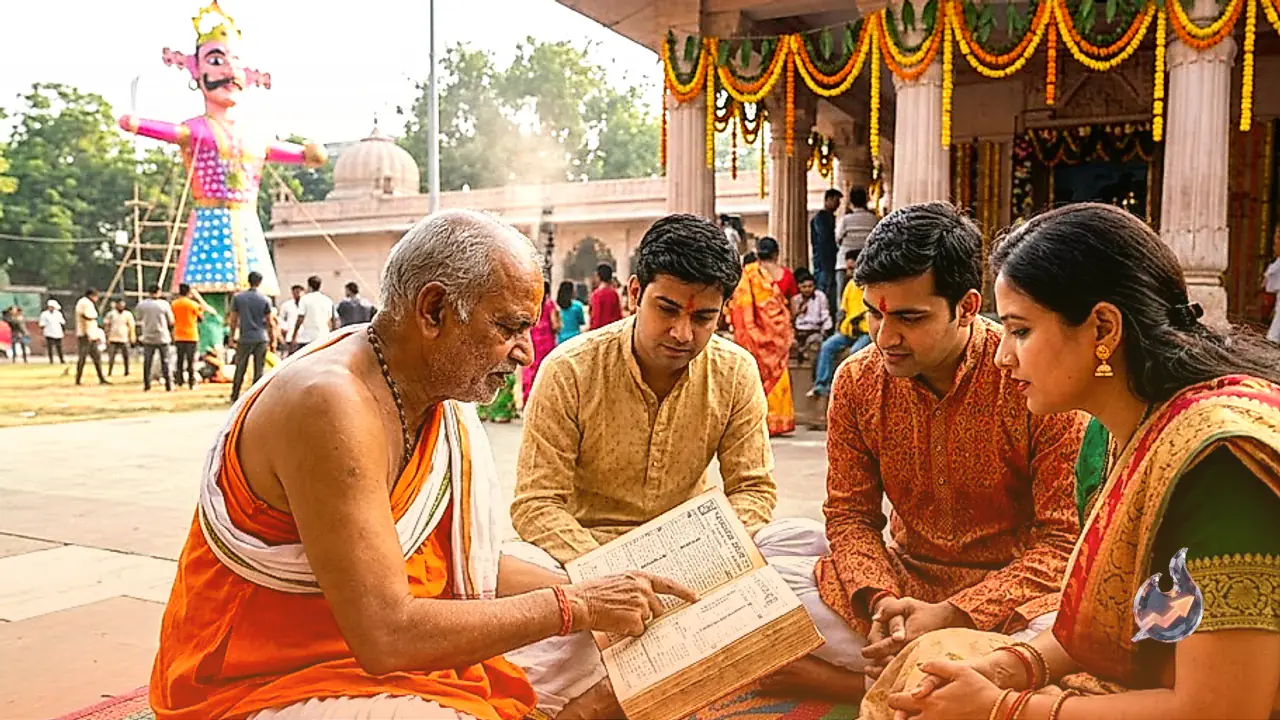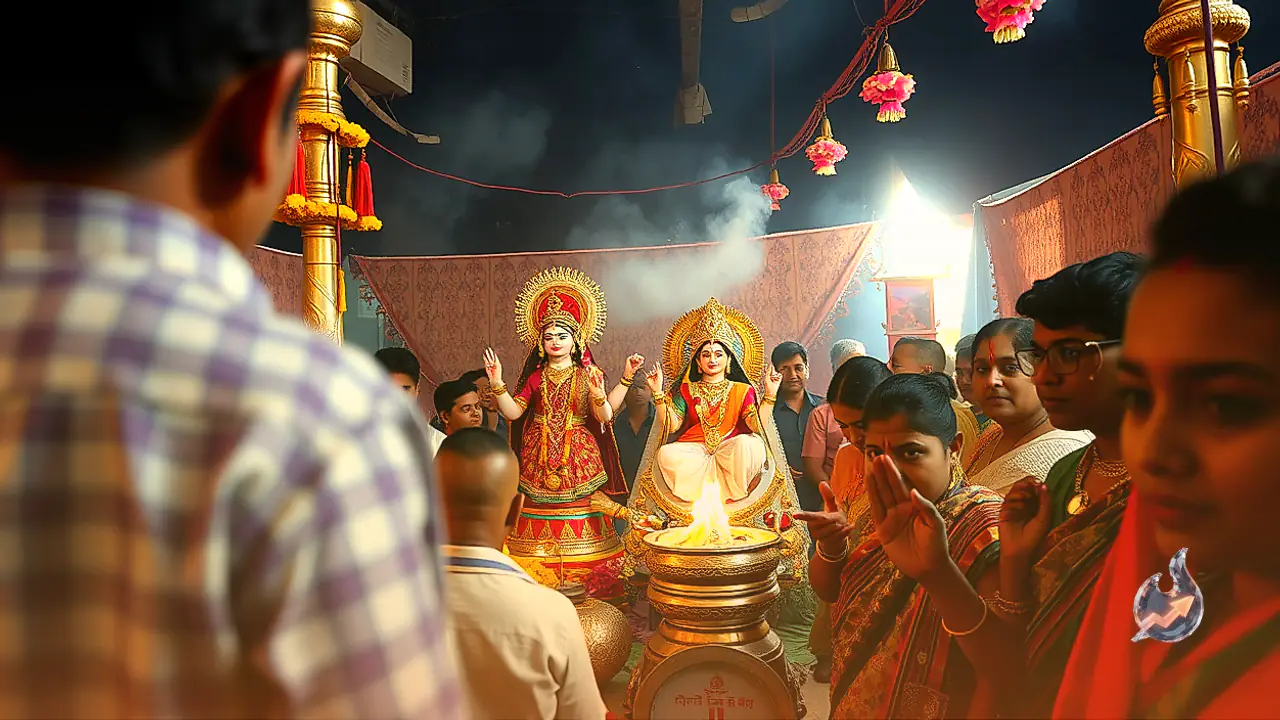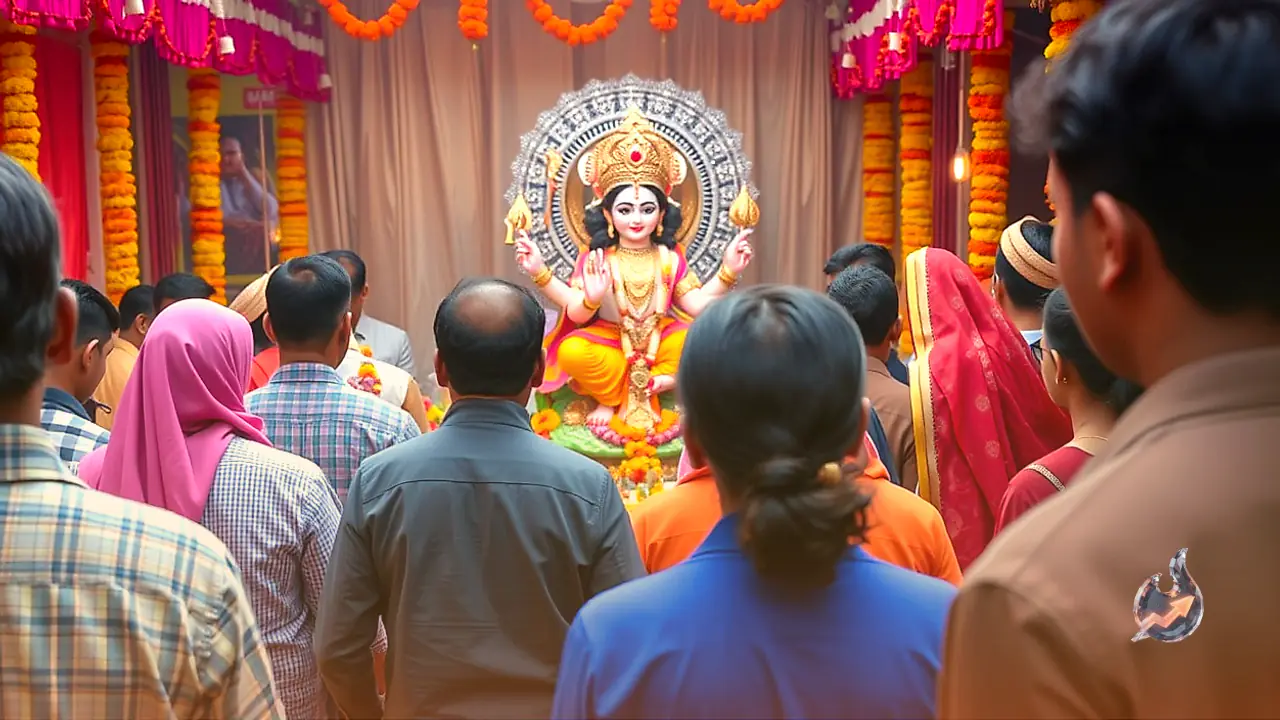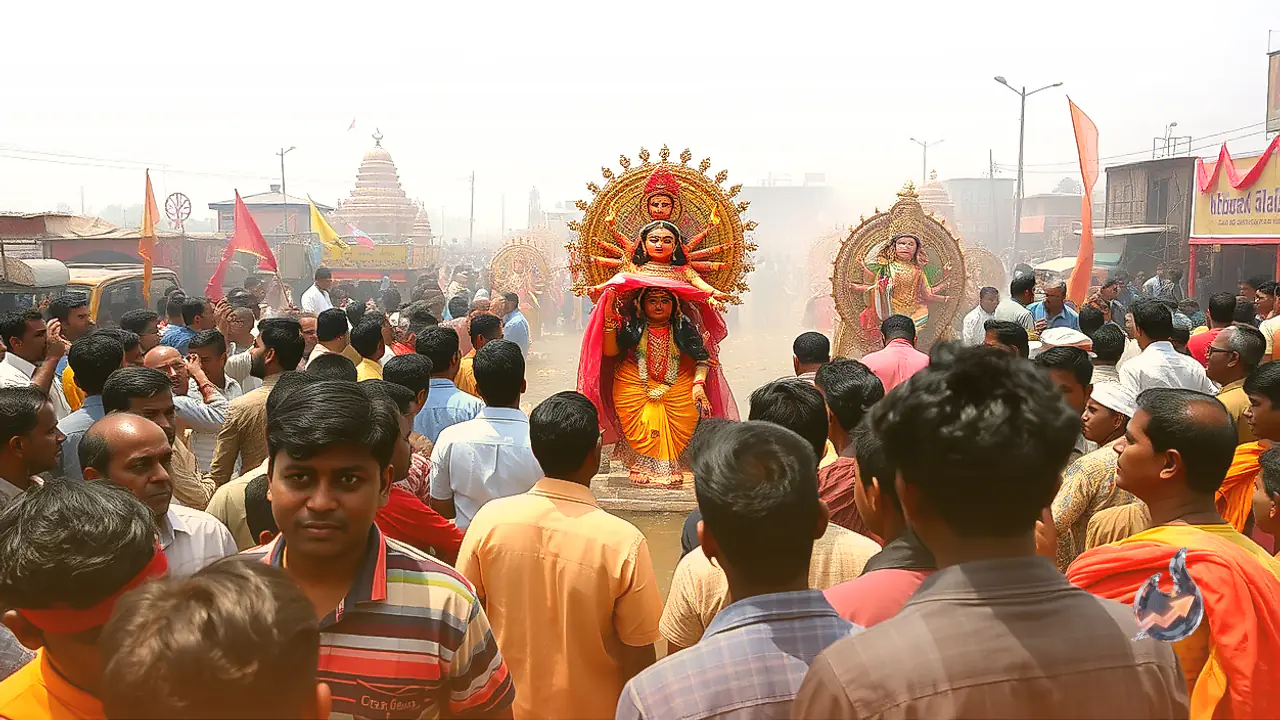

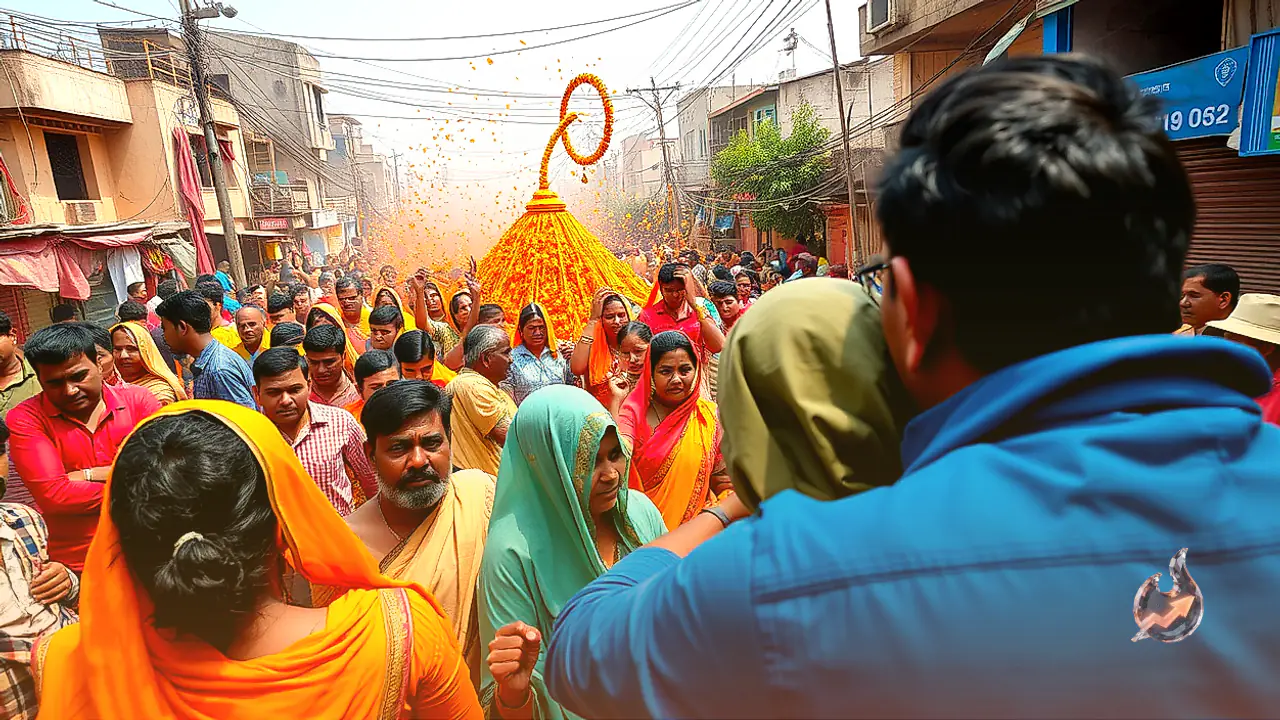















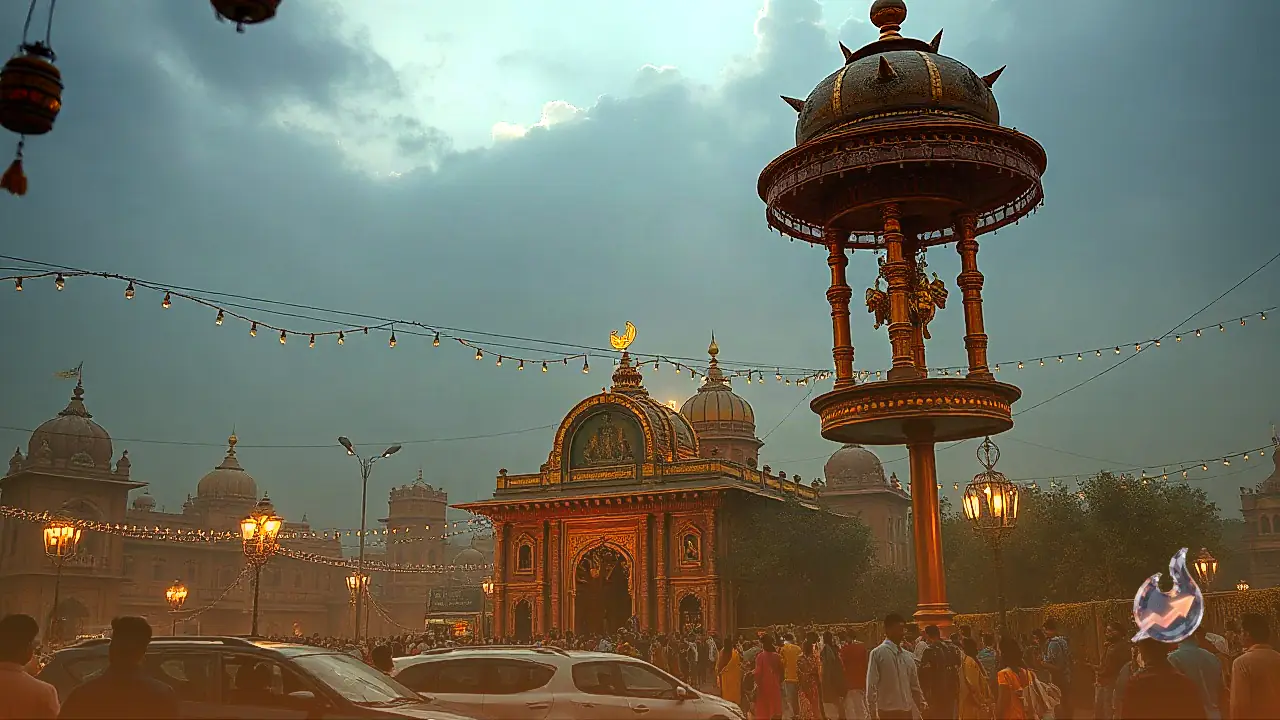

The night of Shri Krishna Janmashtami marks the grand celebration of Lord Krishna's birth, after which streets quickly transform to embrace the vivid colors of his playful childhood stories. Vibrant beats of dhol-tasha, festive music, and energetic chants of 'Govinda Ala Re' echo through neighborhoods. The highlight of this celebration remains the earthen pot suspended high above the ground and the multi-tiered human pyramids constructed by enthusiastic groups to break it. However, a widespread confusion has emerged regarding the exact date of the festival, with people asking whether Dahi Handi falls on September 5 or September 6. Here is a clear breakdown of the exact dates, timing, and rich traditions surrounding this festival.
Dahi Handi 2026 Correct Date and Timeline Clarity
In 2026, Shri Krishna Janmashtami is being observed on Friday, September 4. According to traditional customs, the Dahi Handi festival takes place on the day immediately following Janmashtami. Therefore, the Dahi Handi celebrations will be held on Saturday, September 5, 2026. On this day, Govinda pathaks across Maharashtra, Madhya Pradesh, and several other states will assemble to build human pyramids and attempt to break the hanging pots. Since event schedules and timings may vary across different local committees and venues, visitors planning to attend the festivities are advised to verify local event timings in advance.
Lord Krishna's Childhood Stories and the Origin of Butter Stealing
The tradition of Dahi Handi is deeply rooted in the sweet childhood tales of Lord Krishna. As a child in Gokul, Krishna developed a legendary love for freshly churned butter and curd. To protect their dairy products from the playful young Krishna and his band of friends, Yashoda Mayya and other village women began hanging butter pots high from ceiling beams. However, Krishna always found a way. He gathered his companions, who stacked themselves onto each other's shoulders to form sturdy human pyramids. Reaching the elevated pots, Krishna would break them and distribute the delicious contents among his friends. Today's Dahi Handi celebrations serve as a joyous reenactment of these timeless events.
Why Is Dahi Handi Celebrated the Day After Janmashtami?
Religious traditions designate Janmashtami for commemorating the midnight birth of Lord Krishna through prayers, fasting, and ritual bathing ceremonies. The following day is naturally dedicated to celebrating his growth, playful antics, and famously mischievous butter-stealing episodes. Because these playful events followed his birth, the festival of Dahi Handi is observed on the day immediately after Janmashtami, filling public squares and streets with festive cheer.
Grand Scale Festivities Across Maharashtra Cities
In Maharashtra, Dahi Handi has evolved into a massive public event of extraordinary scale. Cities such as Mumbai, Thane, and Pune see local Govinda mandals and troupes practicing relentlessly for weeks prior to the festival. On the day of the event, multi-layered human pyramids attempt to reach pots hung dozens of feet in the air amidst thunderous dhol-tasha drumming, background music, and cheering crowds. High-profile competitions offer substantial cash prizes and trophies to the successful squads, adding a competitive edge to the traditional ritual.
A Symbol of Unity, Courage, and Teamwork
Beyond its festive splendor, Dahi Handi carries a profound spiritual and social message centered on unity, courage, and collective strength. The success of the Govinda at the pinnacle of the human pyramid relies entirely on the unwavering balance and firm support of the teammates forming the base tiers. If even one person loses focus, the entire structure can collapse. Thus, the festival stands as a living demonstration of how mutual trust, discipline, and synchronized teamwork enable communities to overcome daunting challenges and reach great heights.