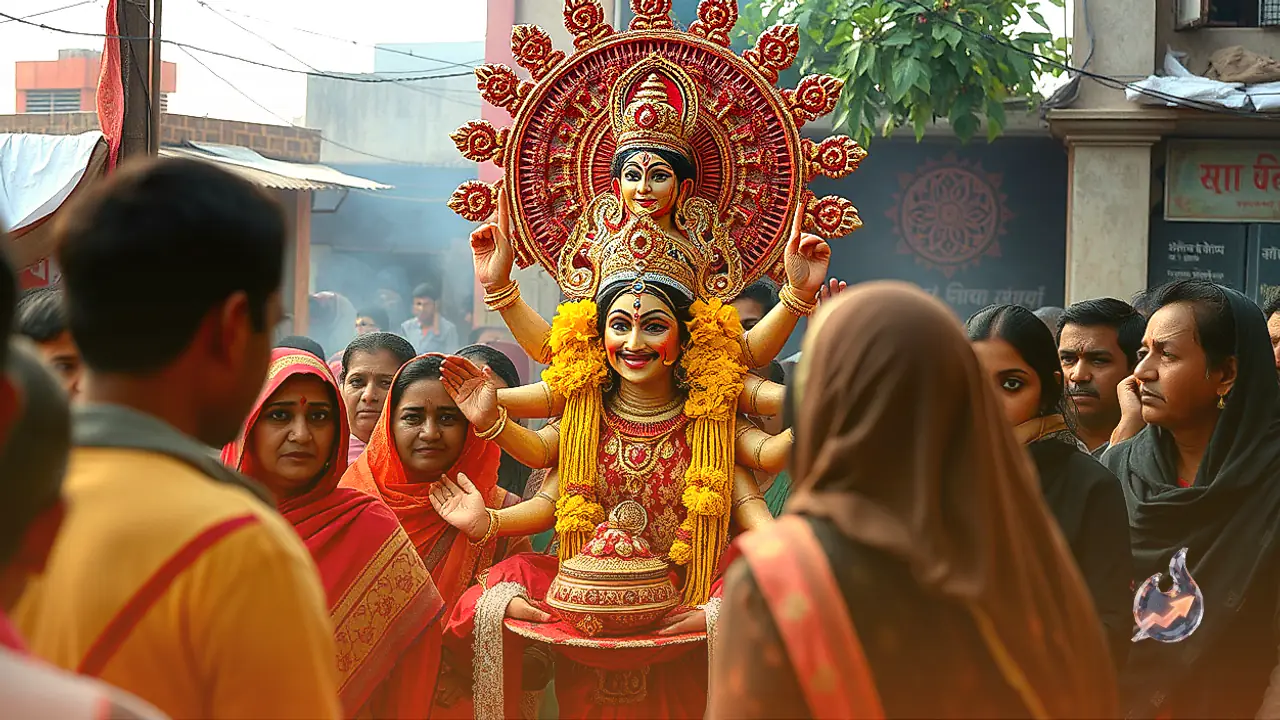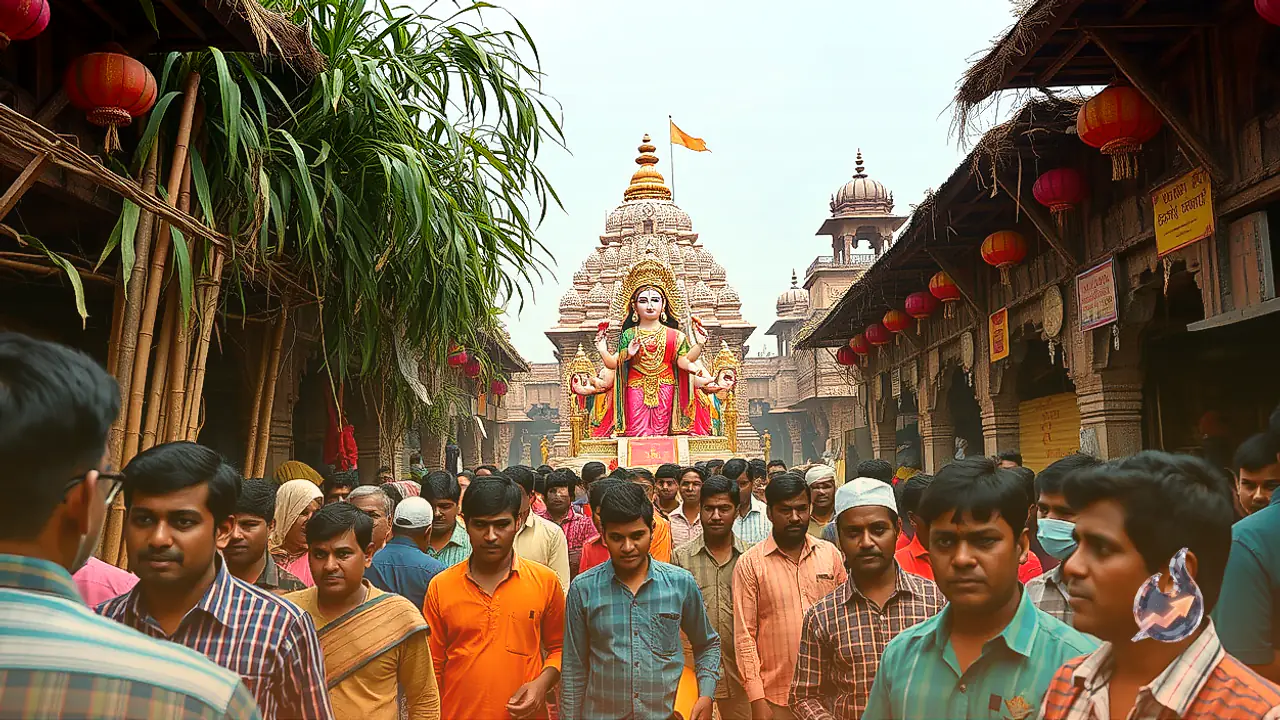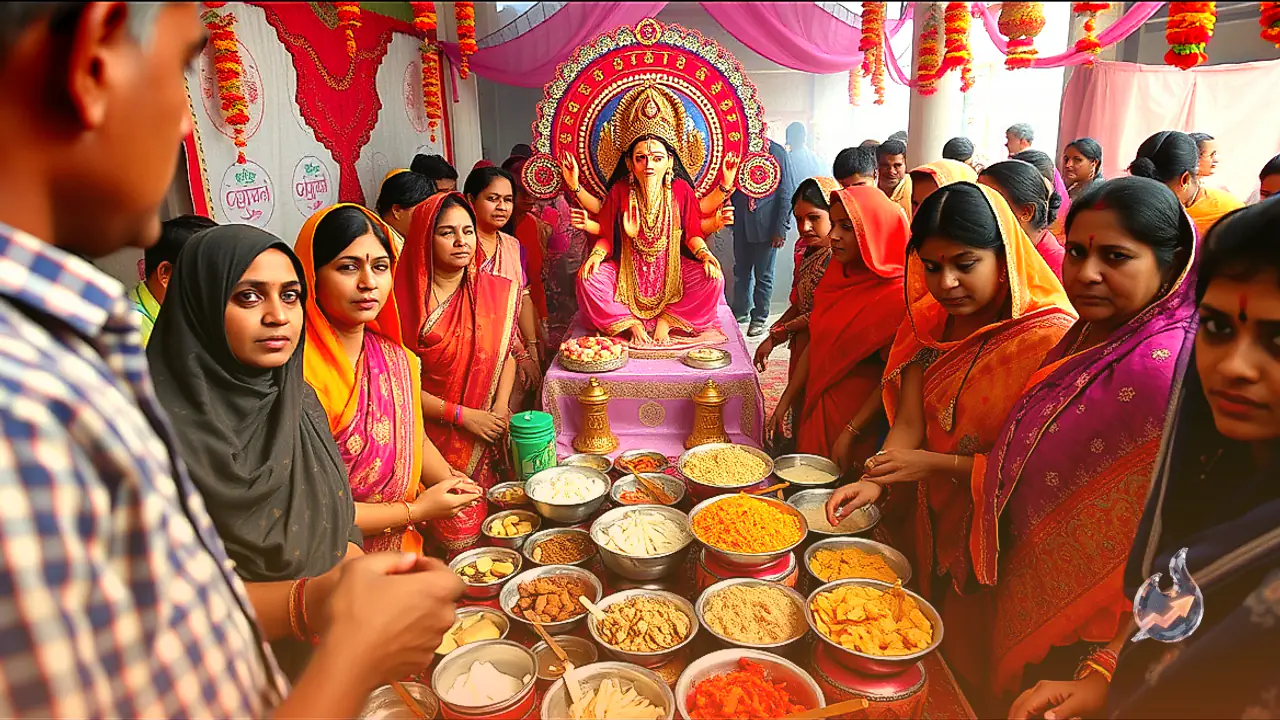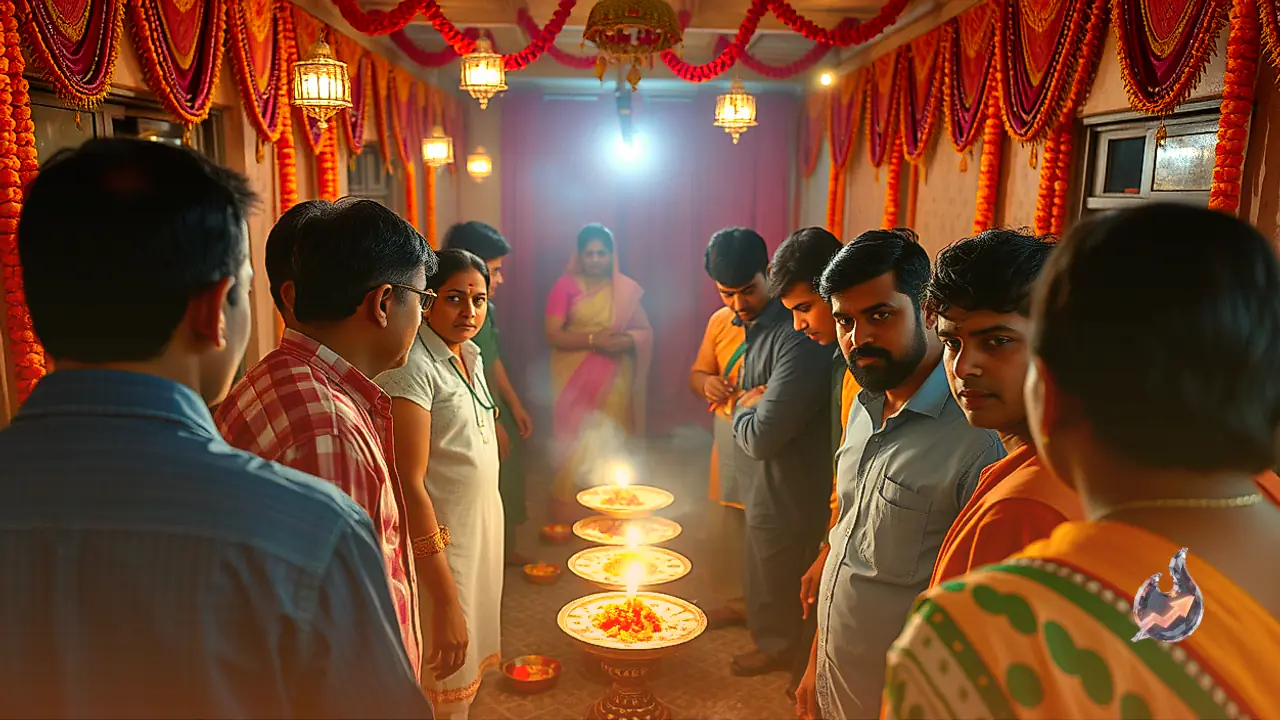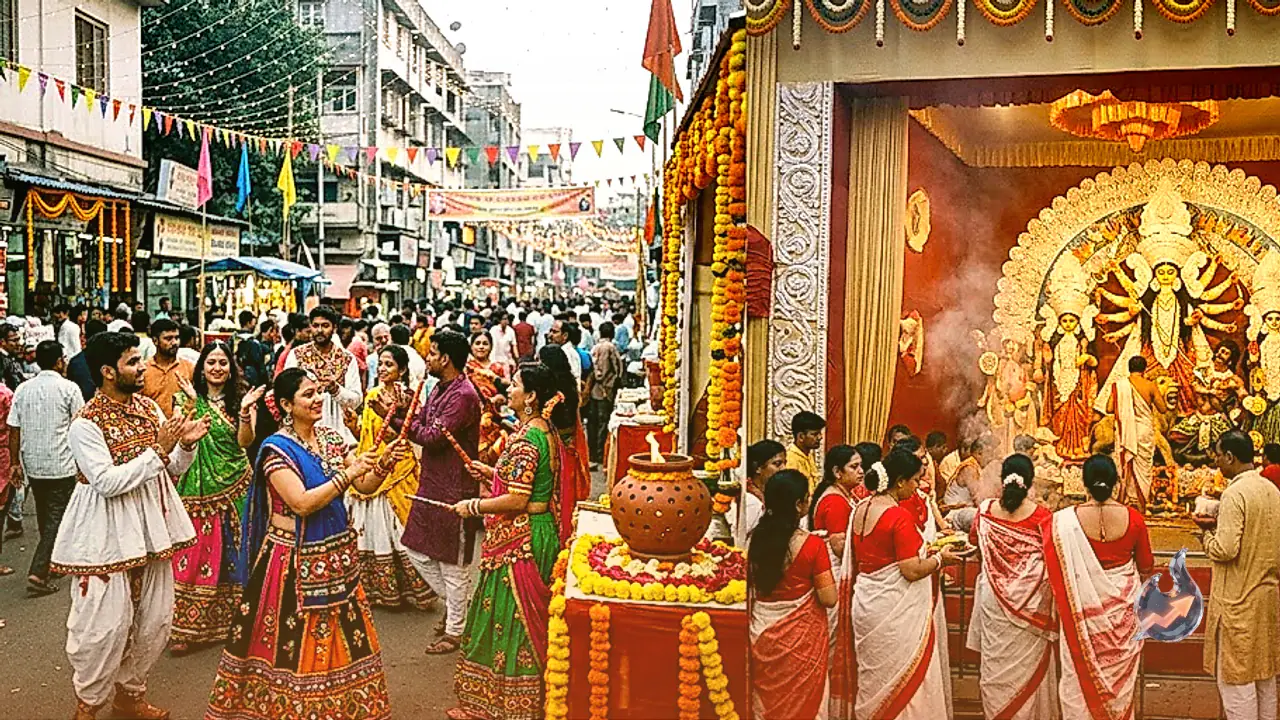



















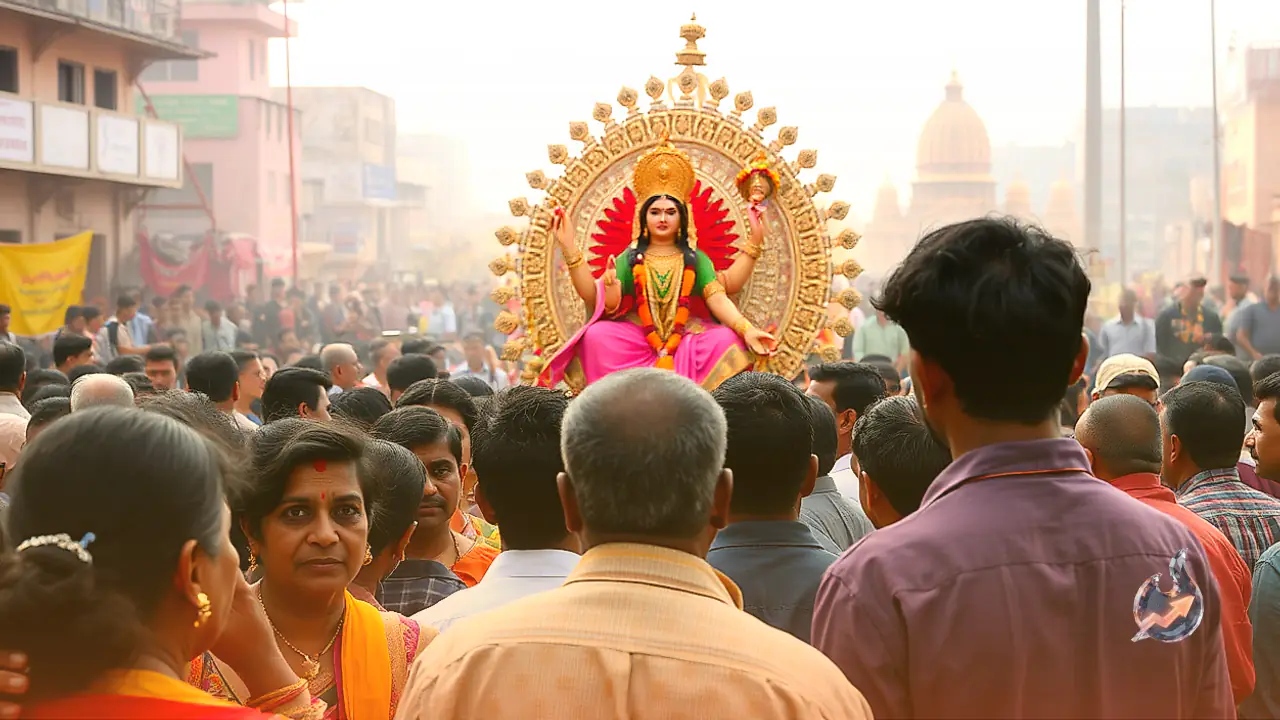

The second day of Shardiya Navratri falls on 12 October 2026, marking the sacred worship of Goddess Brahmacharini, the second manifestation of Goddess Durga. Across the nine auspicious days of Navratri, devotees venerate nine distinct forms of the goddess. Sacred traditions hold that this second divine aspect grants infallible fruits to ordinary seekers and accomplished ascetics alike. Worshipping Goddess Brahmacharini is believed to cultivate noble virtues such as penance, renunciation, self-restraint, and righteous conduct.
Her grace is believed to bestow success and mastery in every sphere of life while eliminating distress and obstacles. Furthermore, dedicated devotion to her is associated with an increase in longevity. Her name, Brahmacharini, originates directly from her life of supreme austerity and constant absorption in the supreme consciousness.
Birth in the Himalayas and Centuries of Severe Penance
According to ancient lore, Goddess Brahmacharini took birth in the abode of Himavat, the king of the mountains. Acting upon the guidance and counsel of sage Narada, she resolved to attain Lord Shiva as her consort through resolute penance. To fulfill this sacred vow, she embarked on an extraordinary spiritual ordeal spanning vast eras.
For the initial one thousand years of her penance, the goddess sustained herself entirely on wild fruits and flowers. In the following century, she renounced even that shelter and lived bare on the open ground. Unshaken by scorching sunlight, torrential rains, and harsh climatic extremes, she persisted steadily in her devotion to please Lord Shiva.
The Transition to Aparna and Complete Renunciation
As the spiritual ordeal progressed, her austerities turned even more rigorous. For many subsequent years, she sustained her body exclusively on dry bilva leaves while remaining entirely immersed in meditation upon Lord Shiva. Eventually, upon reaching the culmination of her penance, she abandoned even the consumption of fallen leaves. Because she completely renounced foliage during her spiritual pursuit, she earned the revered epithet Aparna. Following this, she observed a completely waterless fast, continuing her unyielding penance. Observing this peerless dedication to austerity, the divine Mother came to be worshipped as Brahmacharini.
Lord Shiva Tests Her Vow in the Form of a Sage
Pleased with her unshakeable dedication, Lord Shiva arrived before the goddess disguised as an ascetic sage to evaluate her resolve. Despite his discourse and testing presence, Goddess Brahmacharini refused to be swayed or distracted from her singular spiritual goal. Recognizing her uncompromising devotion, the sage revealed his blessing, assuring her that Lord Shiva would indeed accept her hand.
Ultimately, Lord Shiva accepted her as his eternal consort, bringing her immense penance to fruition. Goddess Brahmacharini personifies self-mastery, inner restraint, and unflinching determination. Consequently, those who revere her cultivate exceptional fortitude, patience, and moral strength in their daily lives.