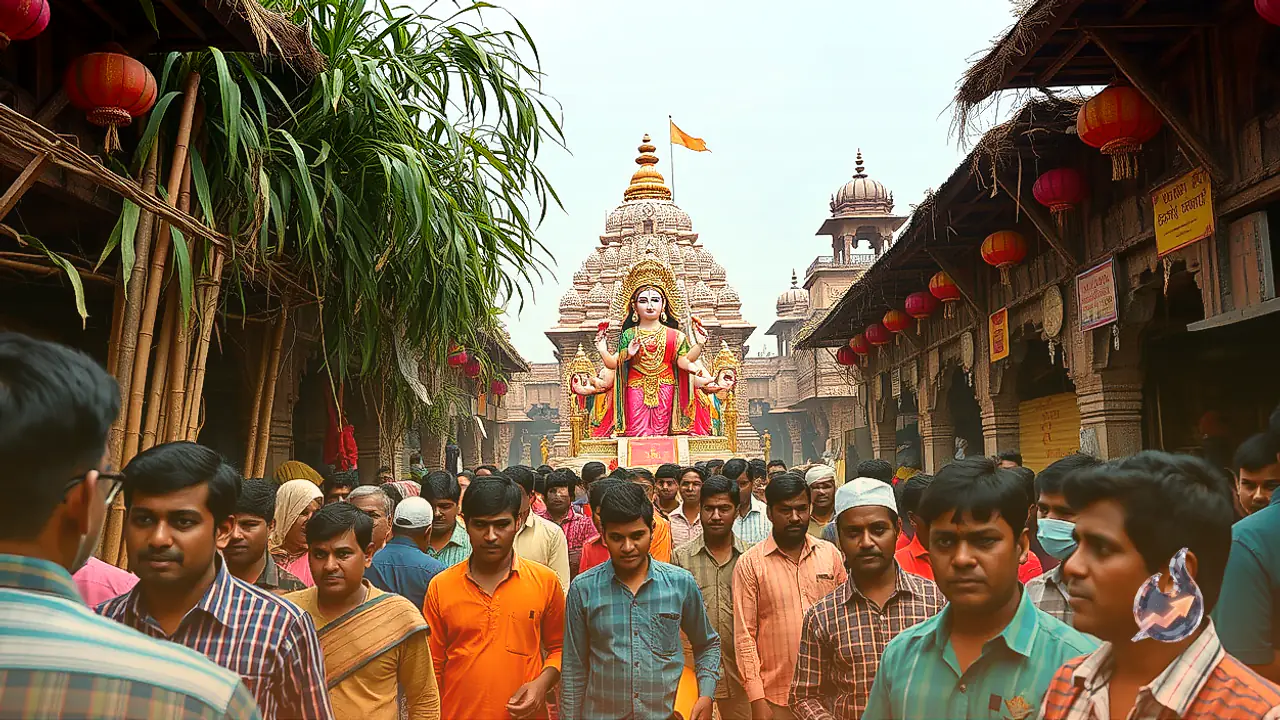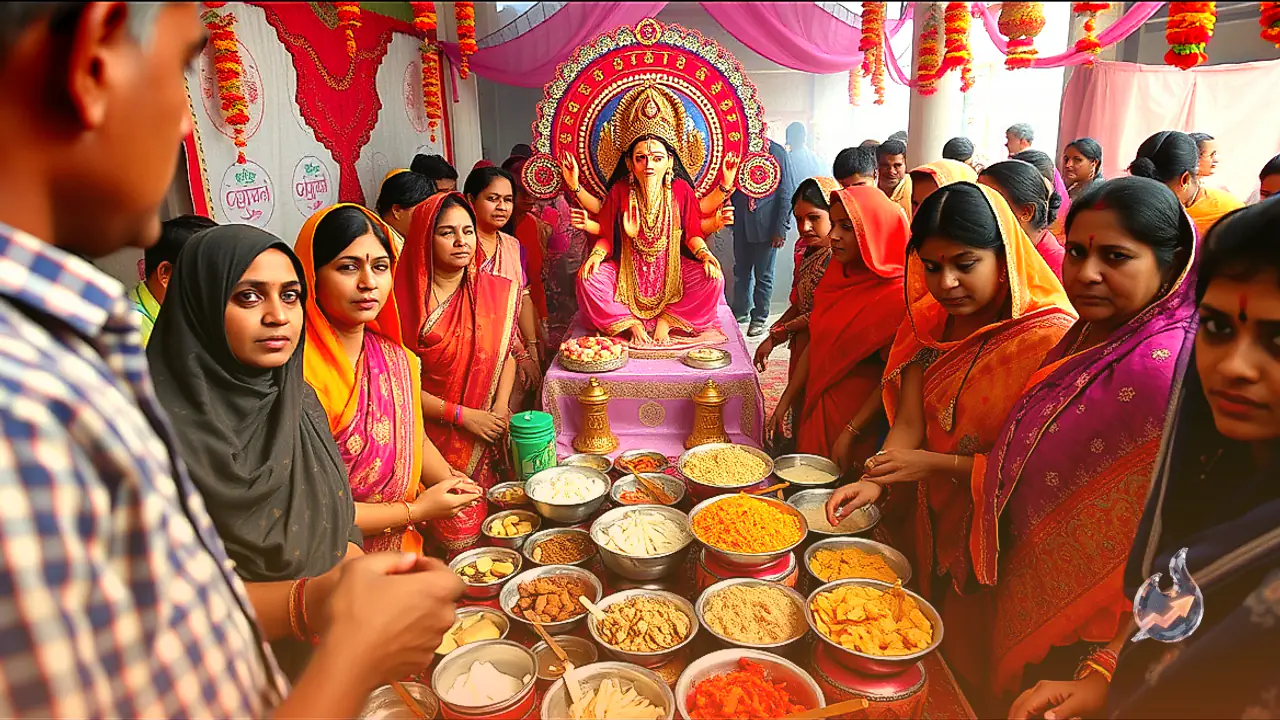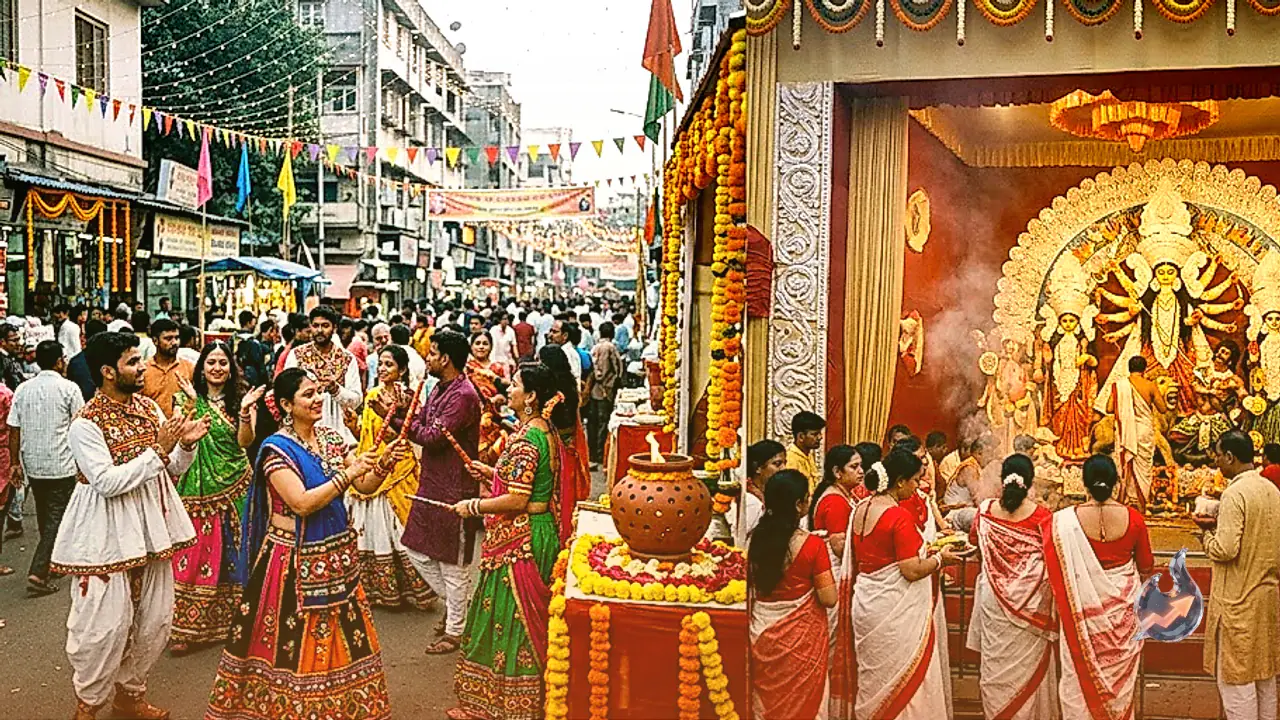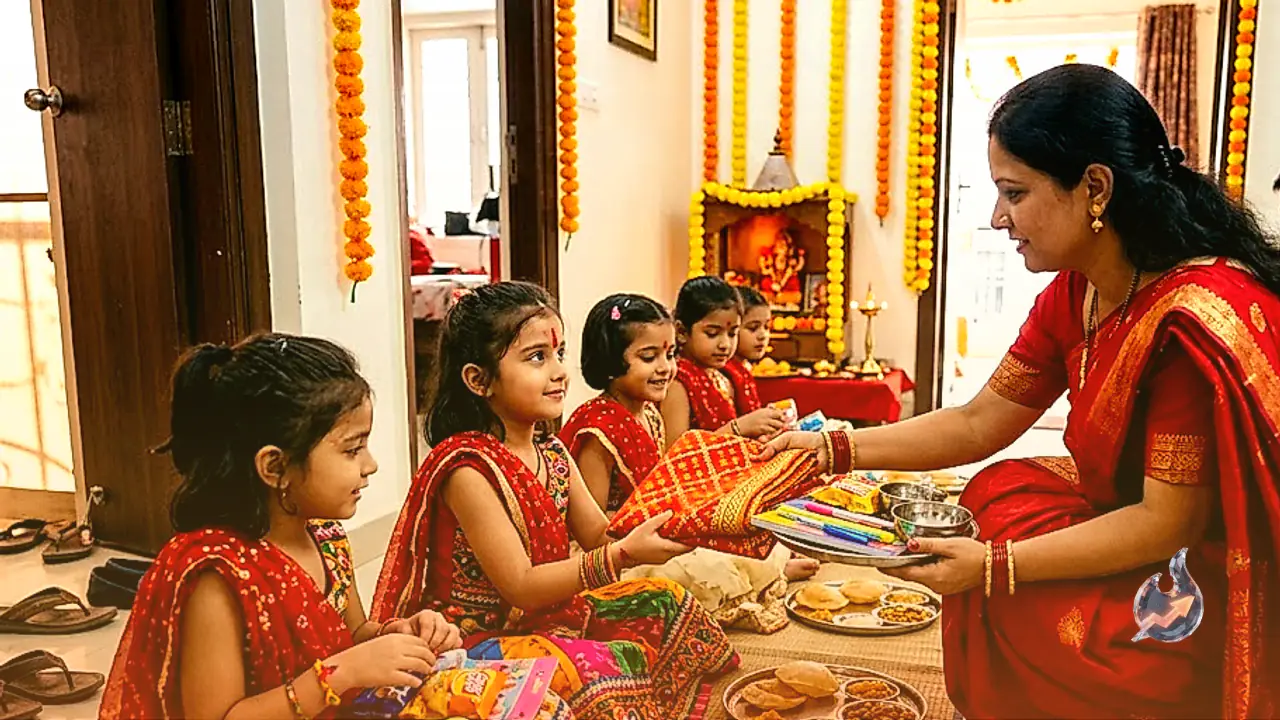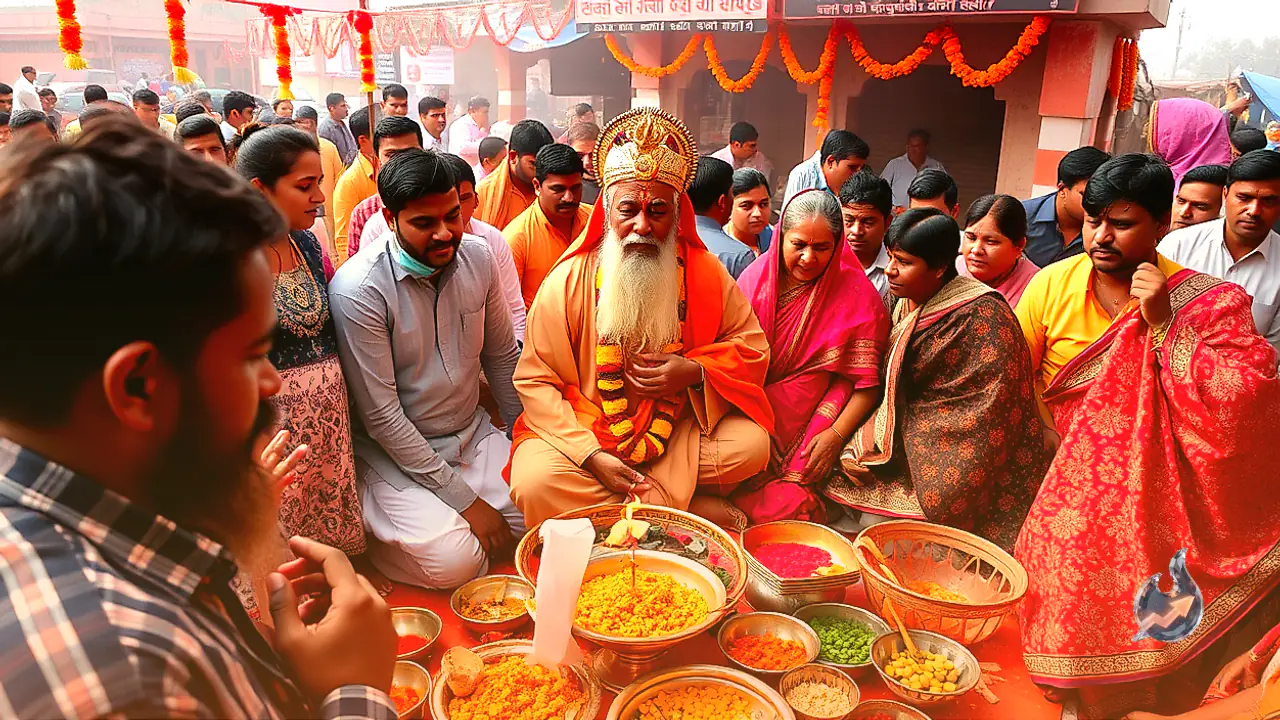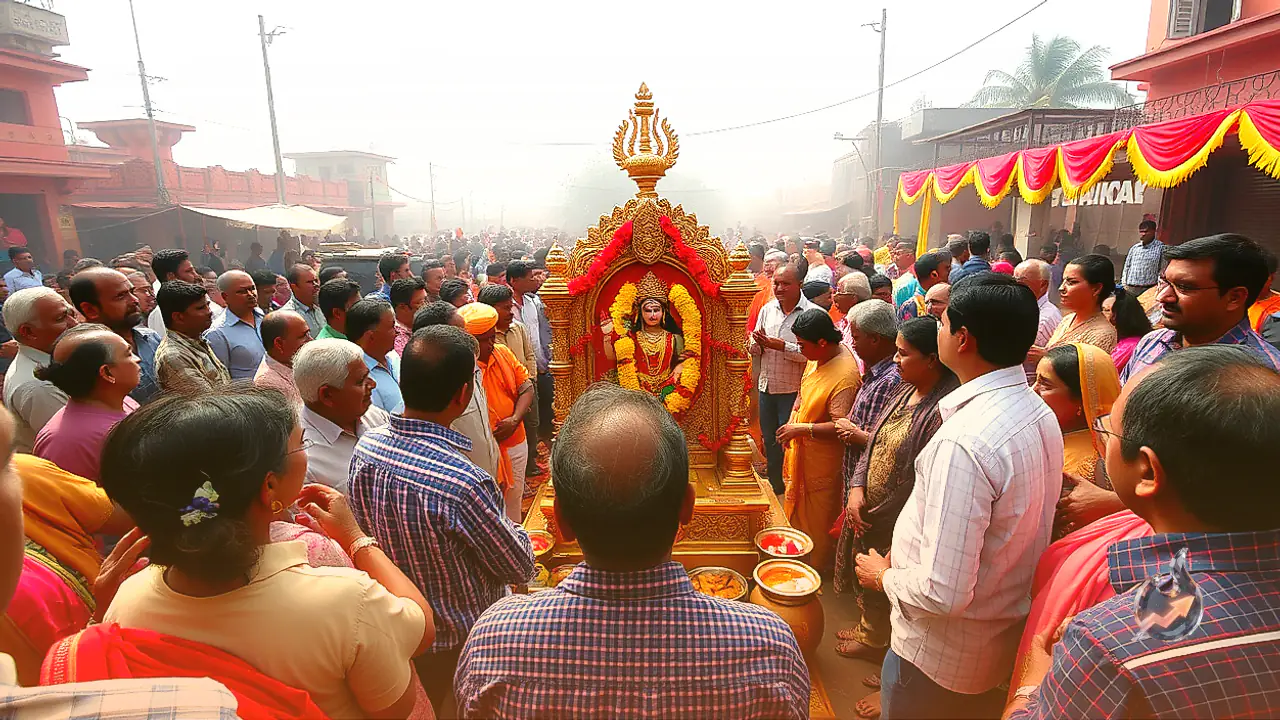






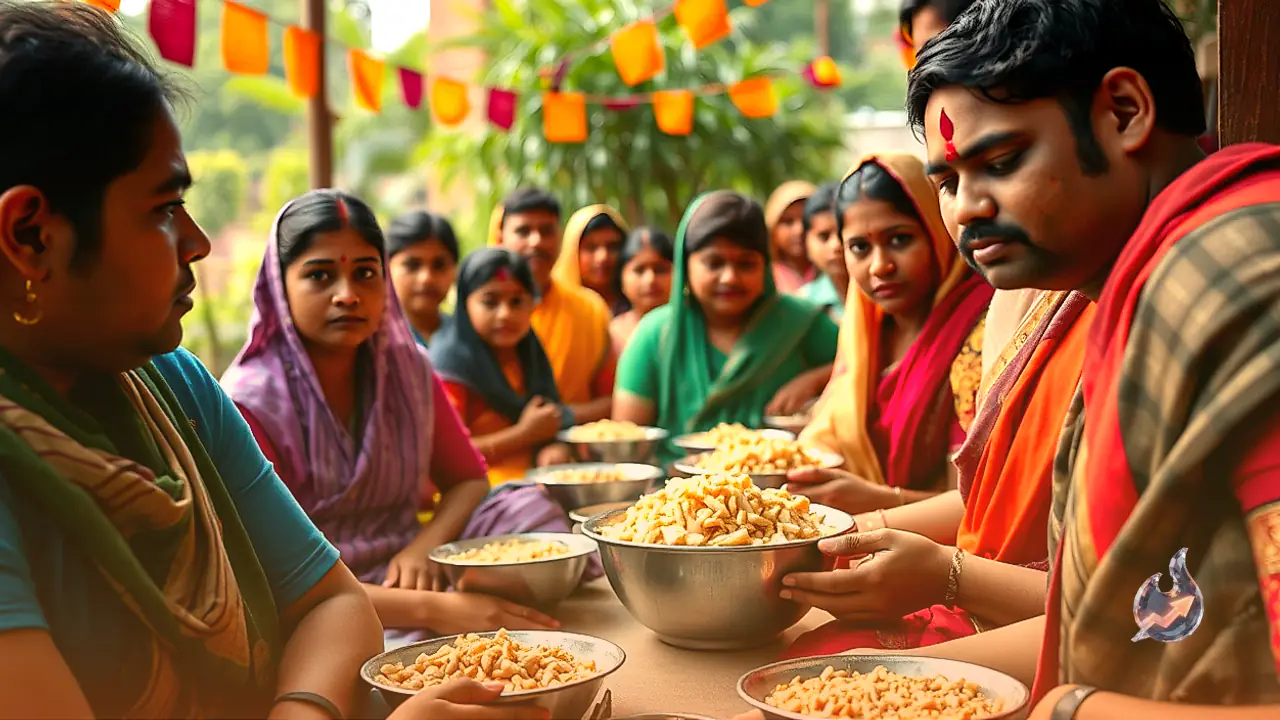














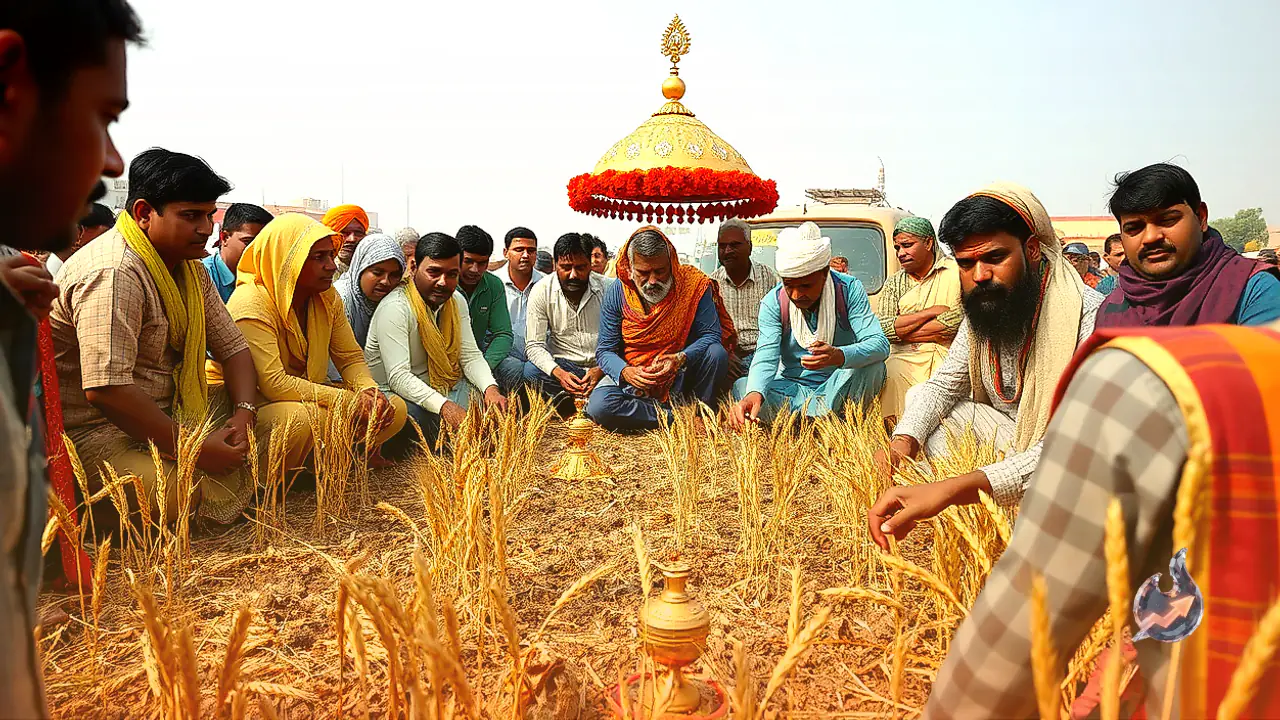

The sacred festival of Shardiya Navratri begins on October 11. On the very first day of this nine-day observance, devotees perform Ghatasthapana or Kalash Sthapana and light the Akhand Deepak. Alongside these foundational rituals, the longstanding tradition of sowing barley or jowar holds immense spiritual importance. Religious customs revere barley as a living embodiment of peace, happiness, and prosperity in the household. During Ghatasthapana on the opening day, barley is consecrated first and also placed within the ceremonial urn. Observing the precise manner in which these sacred grains sprout and grow provides devotees with distinct signs regarding their future prosperity and divine blessings.
Essential Guidelines for Sowing Barley During Navratri
Traditional worship prescribes definite practices to ensure that the sacred barley sprouts evenly and flourishes across the festive period without decaying. Observing the following steps ensures proper ritual discipline
- Selecting the Vessel and Soil: Procure a spotless, sanctified earthen vessel specifically for this ritual. Fill this clean pot with pure and unpolluted soil.
- Even Distribution of Grains: Evenly scatter the barley grains across the surface of the soil so that they do not bunch together in single spots.
- Adding a Soil Layer and Watering: Cover the scattered barley with a delicate top layer of light soil. Immediately thereafter, use gentle hands to sprinkle a modest amount of water over the pot.
- Careful Daily Moisture Control: Add a small measure of clean water on each subsequent day of Navratri. It is essential not to overwater the vessel, as excess moisture will cause the seeds to rot and fail.
- Pre-Soaking Technique: To promote rapid, uniform, and healthy sprouting, soak a selection of barley seeds in water overnight before the first morning of Navratri begins.
- Favorable Direction and Placement: Positioning the sacred vessel directly in front of the established Kalash or specifically in the northeast direction (Ishan Kon) is considered most auspicious.
Auspicious Signs Indicated by Thriving Barley Sprouts
The visual development of barley across the nine days of worship is believed to directly mirror the incoming fortune and spiritual well-being of the family
When the sown barley sprouts promptly and develops robustly throughout the worship period, it is considered an exceptionally positive omen. Healthy, dense growth indicates that the household is poised to receive great prosperity, sustained abundance, and all-round growth.
Furthermore, if the shoots exhibit a vibrant, pure green coloration or appear white near the base and bright green towards the upper blades, it represents great spiritual fortune. Such appearance demonstrates that the divine grace of the Goddess remains strongly bestowed upon the family, securing inner peace and household harmony.
Steady and continuous upward progress of the plants points toward impending financial gains. In particular, when the barley blades grow tall, upright, and straight, tradition associates it with excellent personal health, swift success in professional endeavors, and lasting tranquility across the domestic sphere.
Inauspicious Indicators Linked to Stunted or Discolored Sprouts
Deviations in the natural growth cycle of barley are viewed as traditional warnings alerting devotees to upcoming obstacles and material hardships
If the sprouting barley takes on a dark black or sickly yellow tint rather than a fresh green, it is not considered an encouraging sign. The emergence of black or yellow discoloration traditionally cautions against impending monetary setbacks and unforeseen financial losses.
The structural stature of the crop is equally revealing. If the shoots remain stunted, sparse, or show very weak germination, this too is seen as unfavorable. Similarly, if the plants fail to gain height properly or grow twisted, crooked, and fragile, it is regarded as an indicator of upcoming challenges.
The most unfavorable scenario arises when nine full days elapse and the grains yield barely any growth or entirely fail to germinate at all. A total absence of growth after the completion of the festival period is regarded as inauspicious, signaling prolonged struggle and potential disruptions ahead.