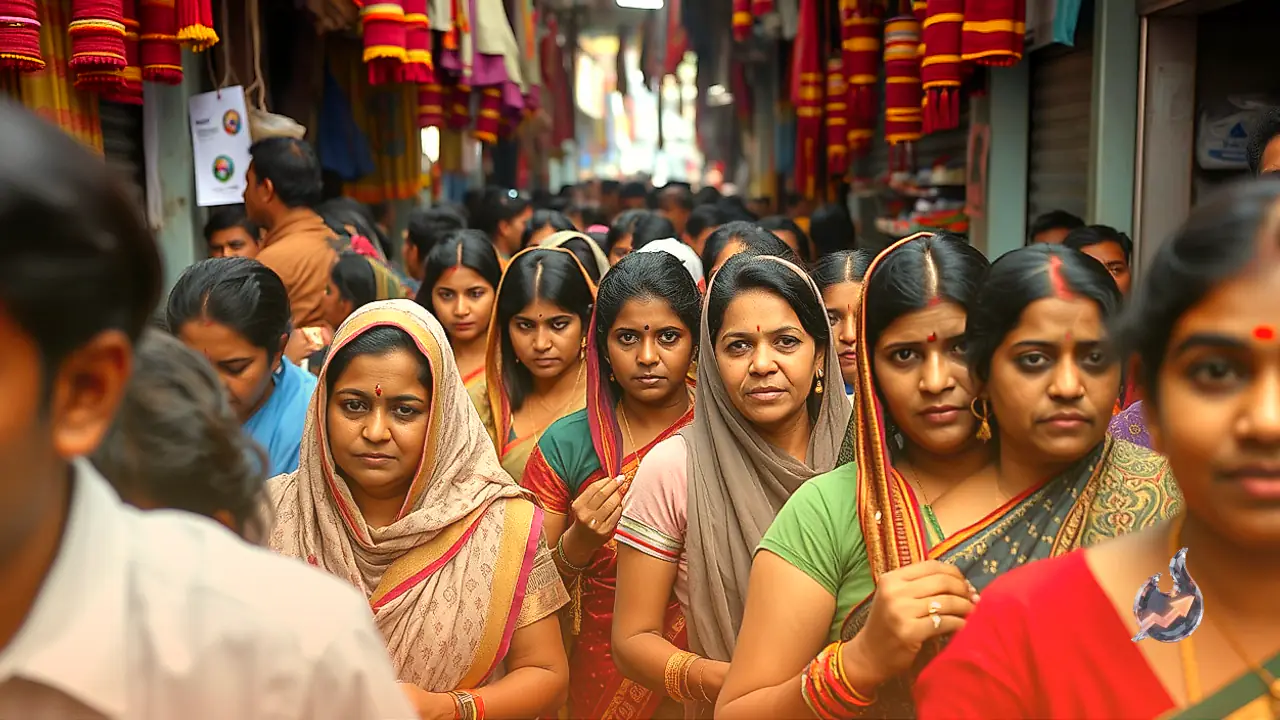
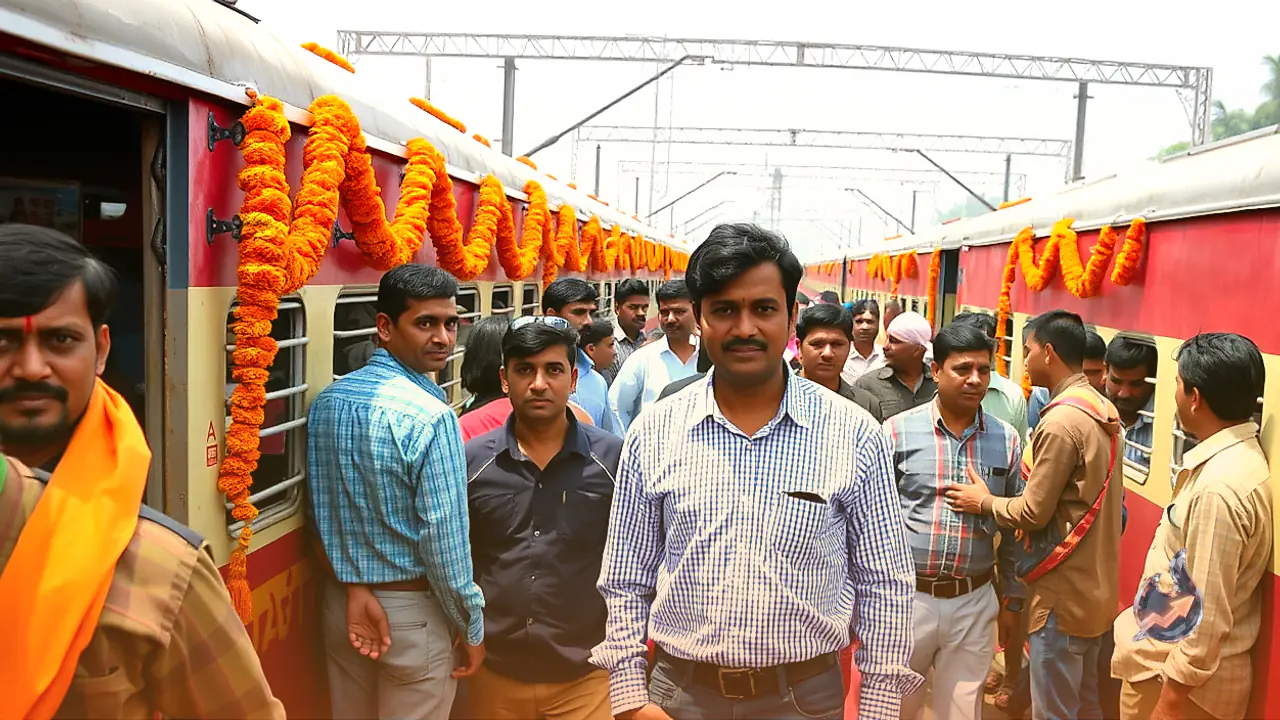
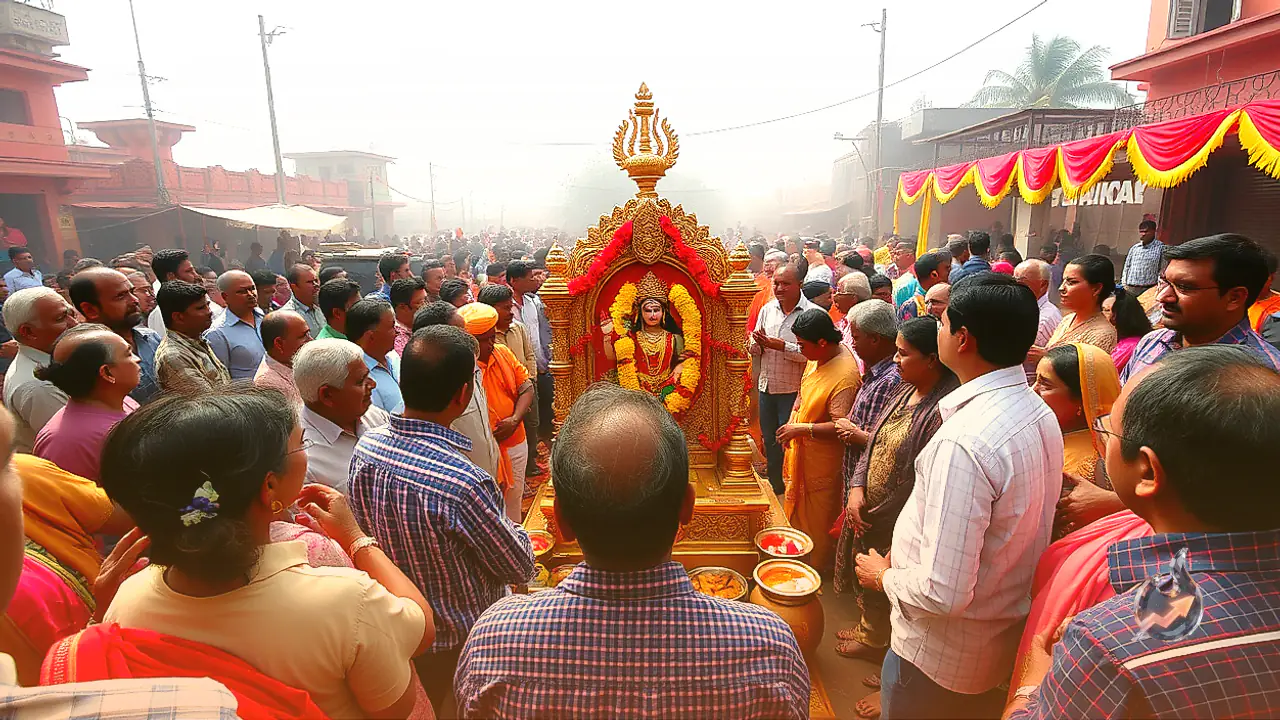














Within Sanatan tradition, the nine-night festival of Navratri represents one of the most auspicious periods for worshipping divine feminine energy. Across a single calendar year, four distinct Navratri observances take place during the months of Chaitra, Ashadha, Ashwin, and Magha. Among these, the observances in Ashadha and Magha are categorized as Gupt Navratri, primarily observed through quiet spiritual discipline and esoteric practices. In contrast, Chaitra Navratri and Sharad Navratri are celebrated publicly with widespread community involvement and enthusiasm. While both major festivals are dedicated to invoking the nine manifestations of Goddess Durga, they diverge significantly in their seasonal context, core spiritual objectives, regional celebrations, and concluding festivals.
The Four Annual Navratri Observances in the Calendar
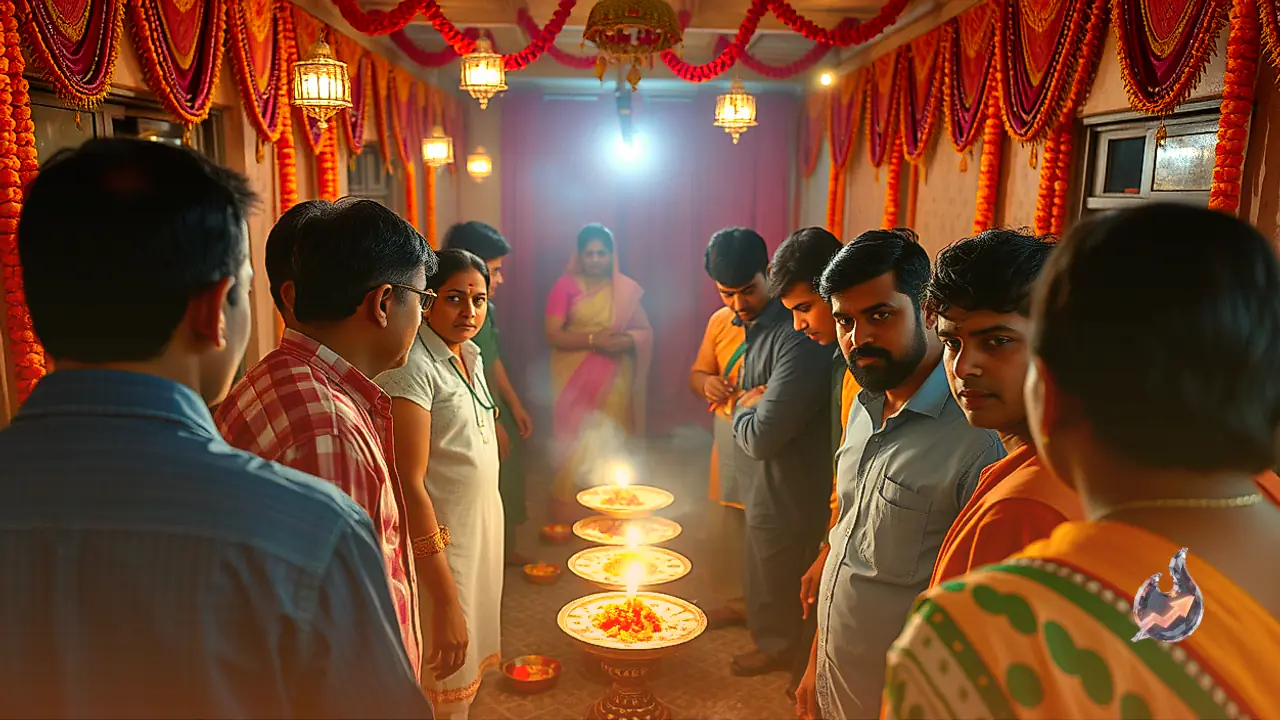
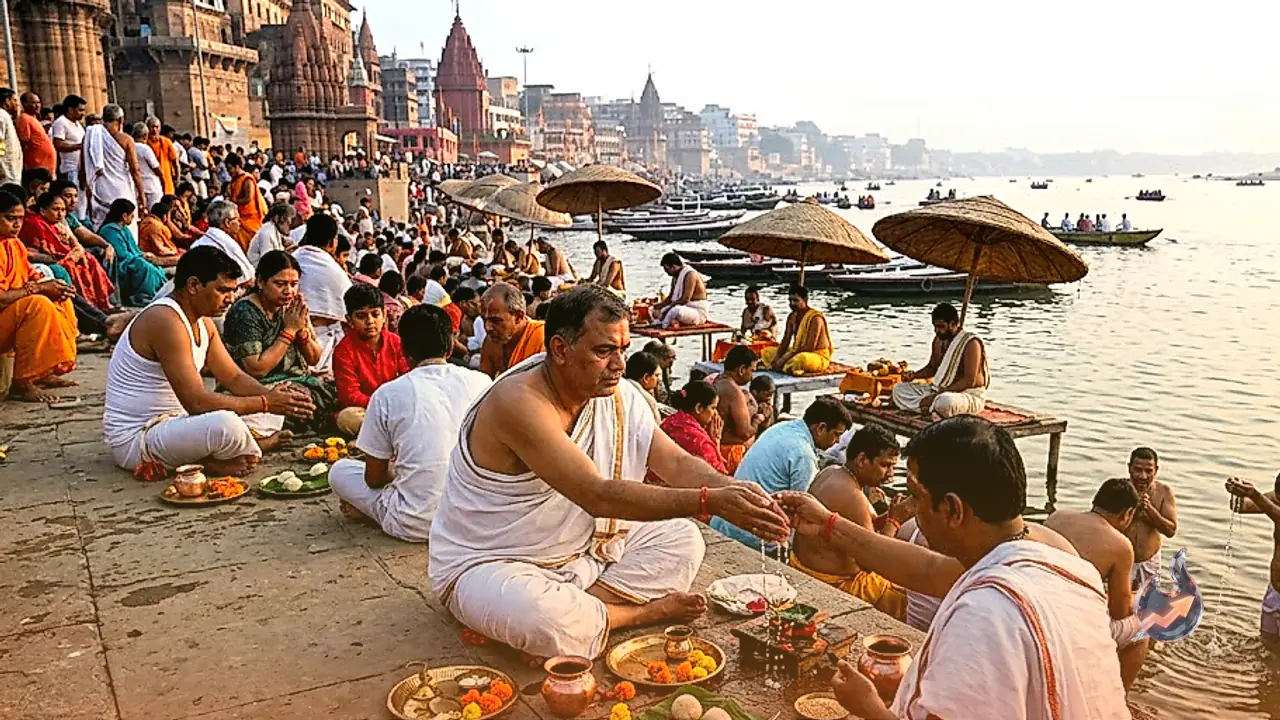
The term Navratri translates directly to nine sacred nights dedicated entirely to the reverent worship of Goddess Durga. The Hindu calendar marks this spiritual cycle across four different months. The spiritual year commences with Chaitra Navratri, aligning with the beginning of the traditional new year. Later, during the monsoon season, the first Gupt Navratri occurs in the month of Ashadha. As the rains recede, the autumn month of Ashwin brings Sharad Navratri, which commands massive public festivities across the subcontinent. The cycle concludes in the winter month of Magha with the second Gupt Navratri. While the two Gupt observances emphasize solitary meditation and inner discipline, Chaitra and Sharad Navratri bring families and communities together in open devotion.
The Religious Significance of Sharad Navratri
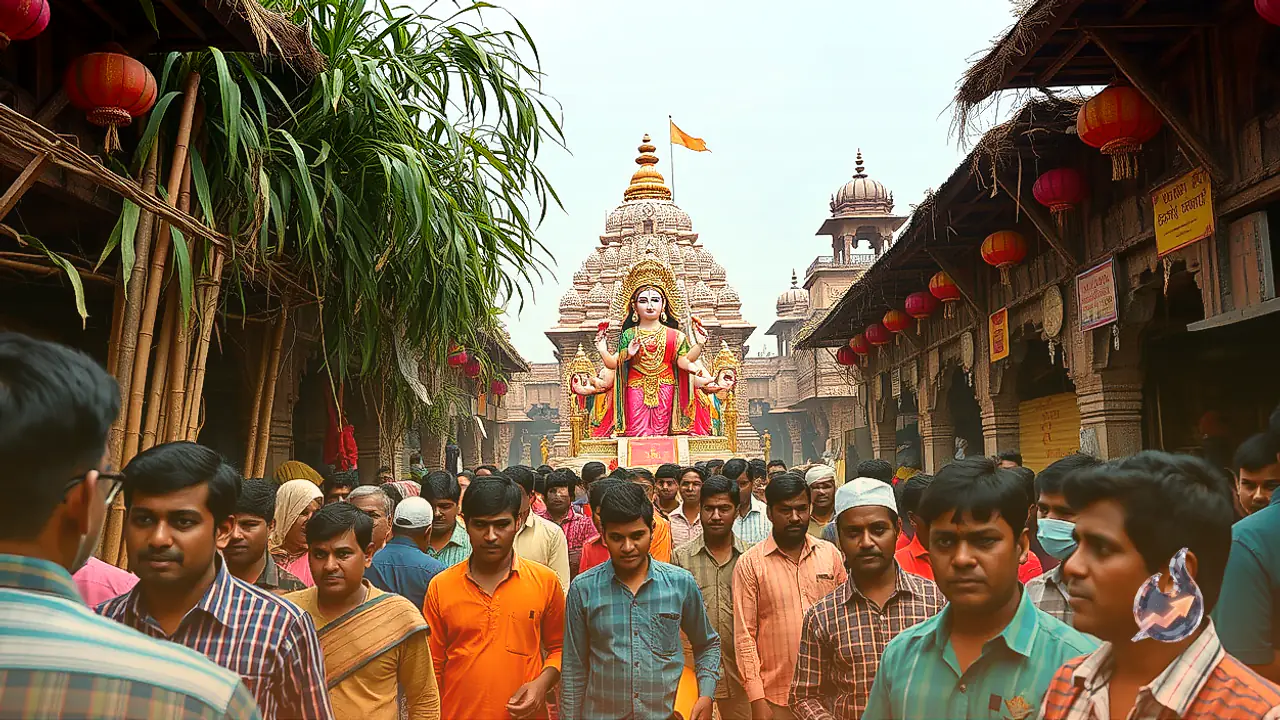
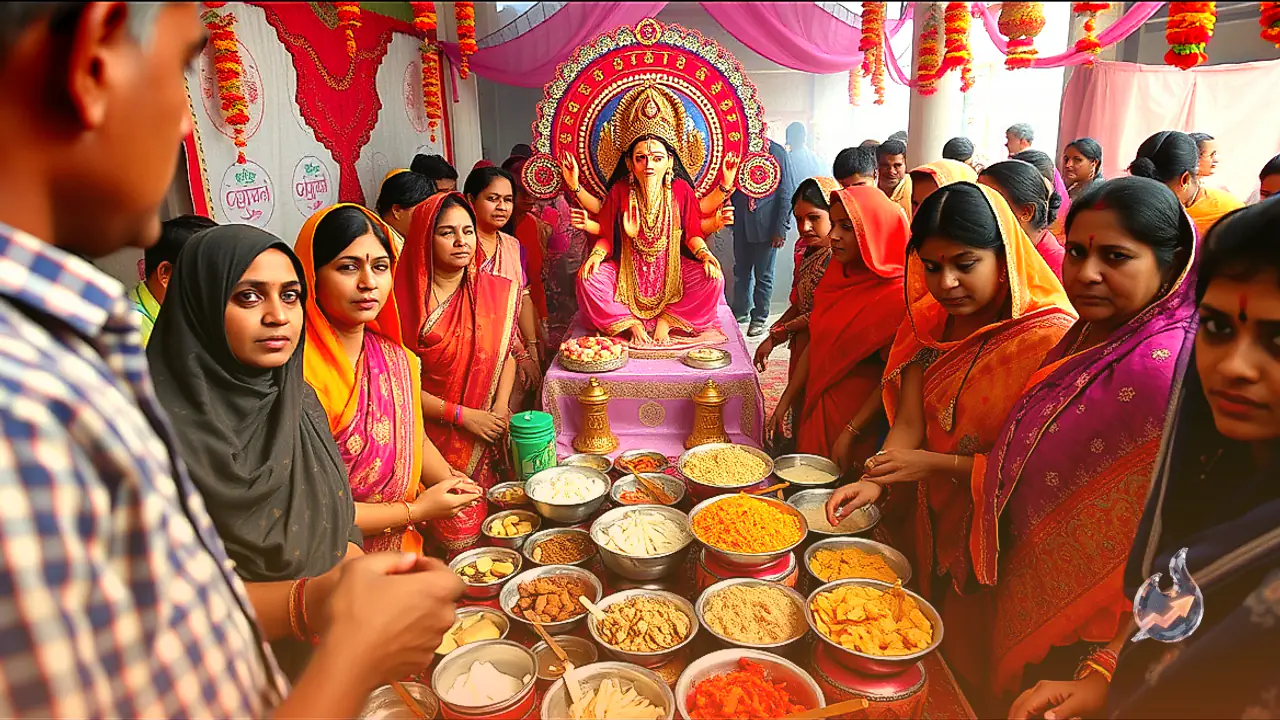
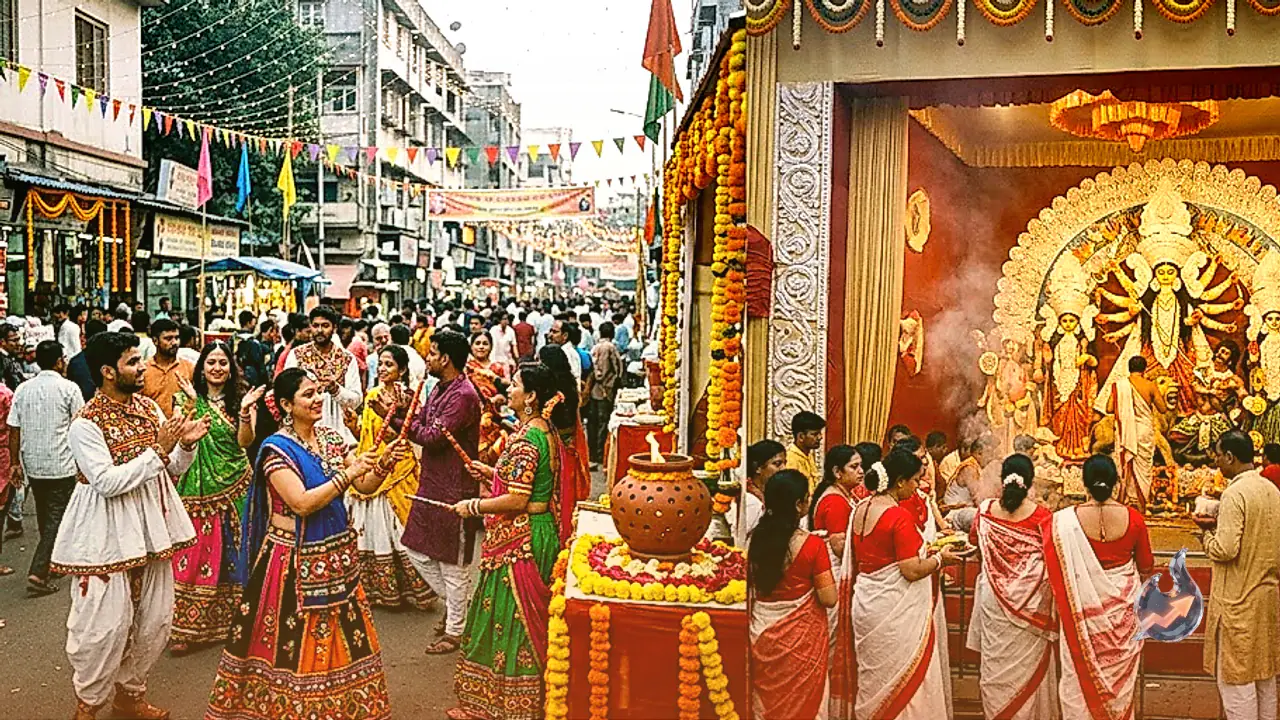
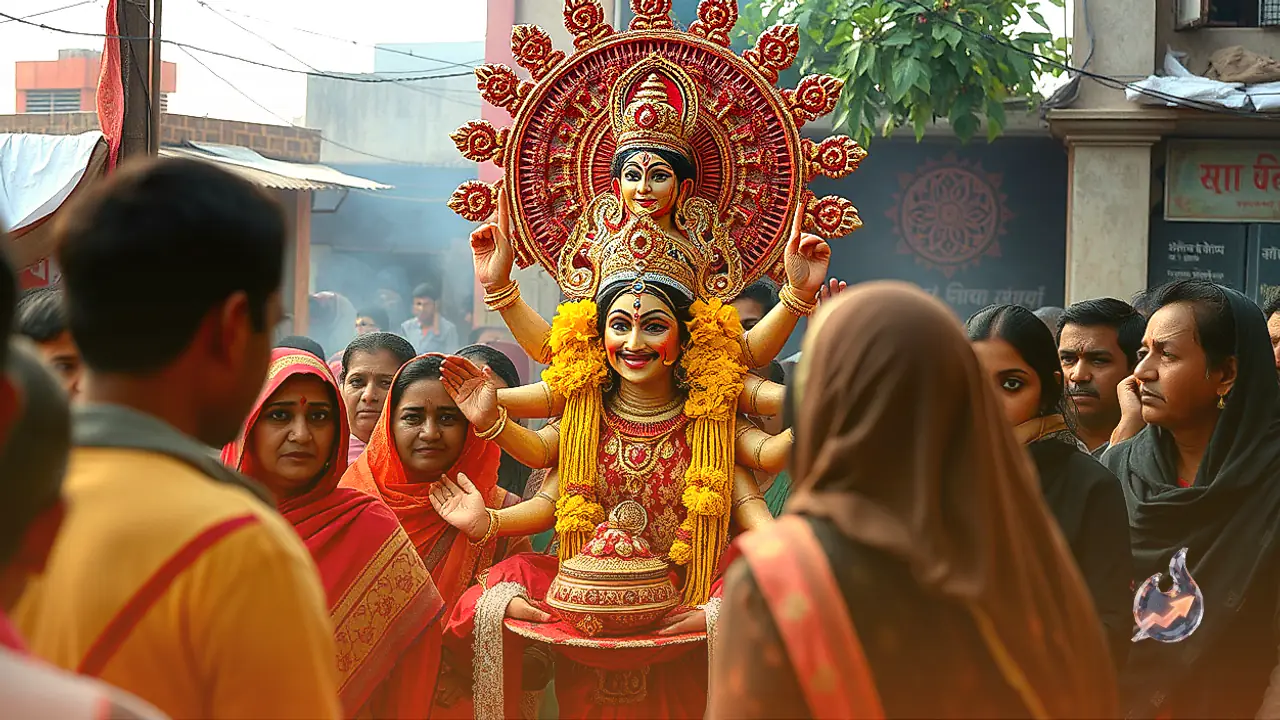
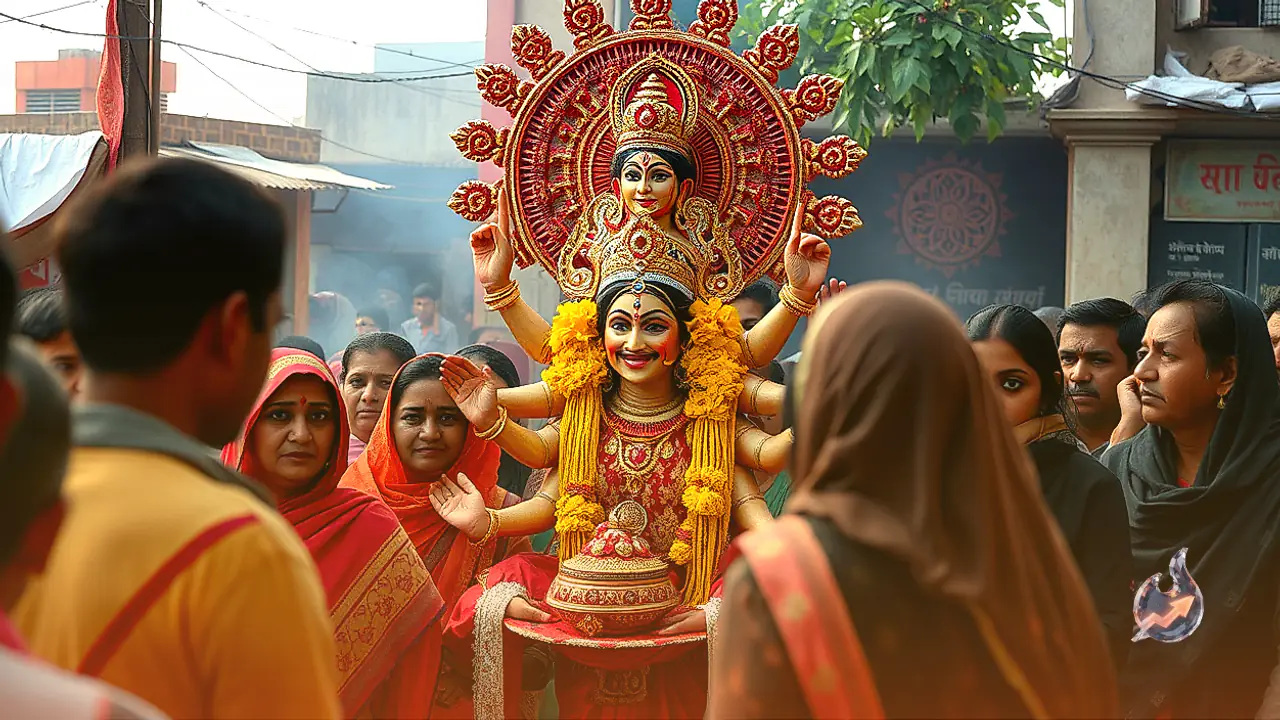
Occurring during the bright lunar fortnight of Ashwin, Sharad Navratri commences with ceremonial invocations and nine continuous days of sacred rituals. According to traditional religious lore, Goddess Durga vanquished the demon Mahishasura during this very period, establishing the eternal triumph of righteousness over malice. Each day marks reverence for a distinct aspect of the divine mother, culminating on the tenth day with the celebration of Vijayadashami, also known as Dussehra. Across various regions, this autumn festival is characterized by elaborate community pandals, classical recitations, and vibrant folk dances such as Garba.
Chaitra Navratri and Its Connection to Lord Rama
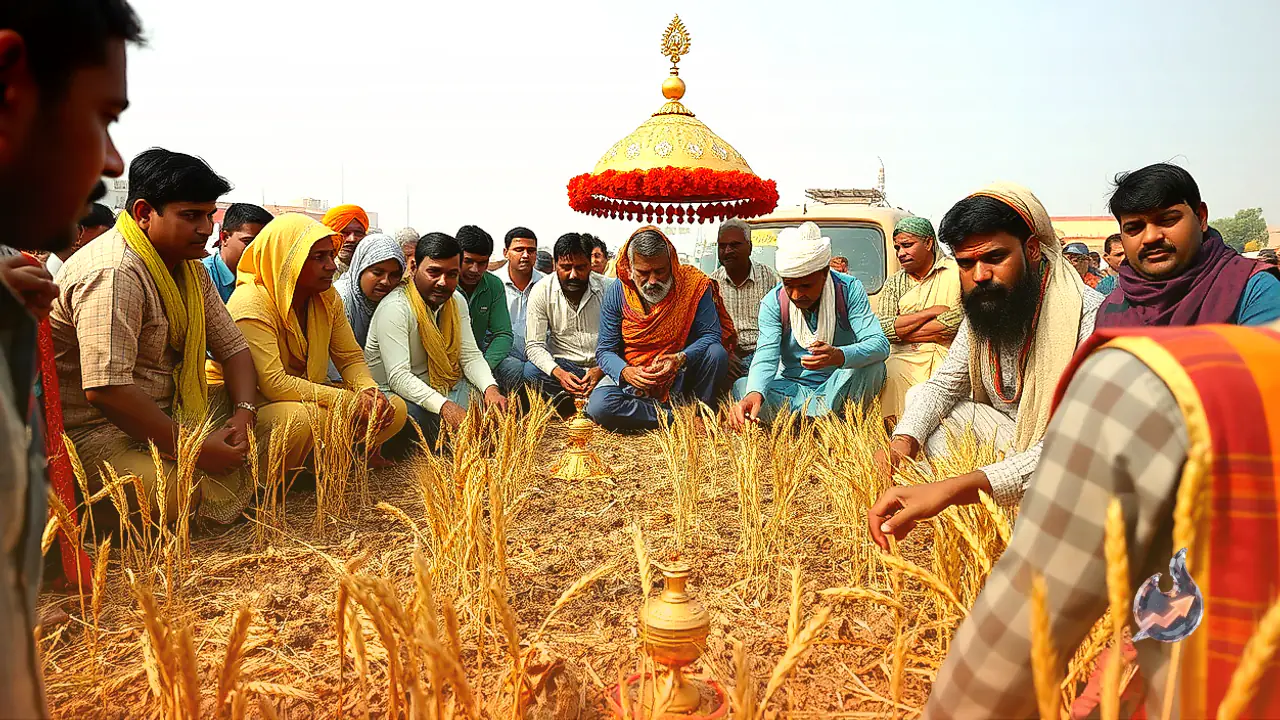
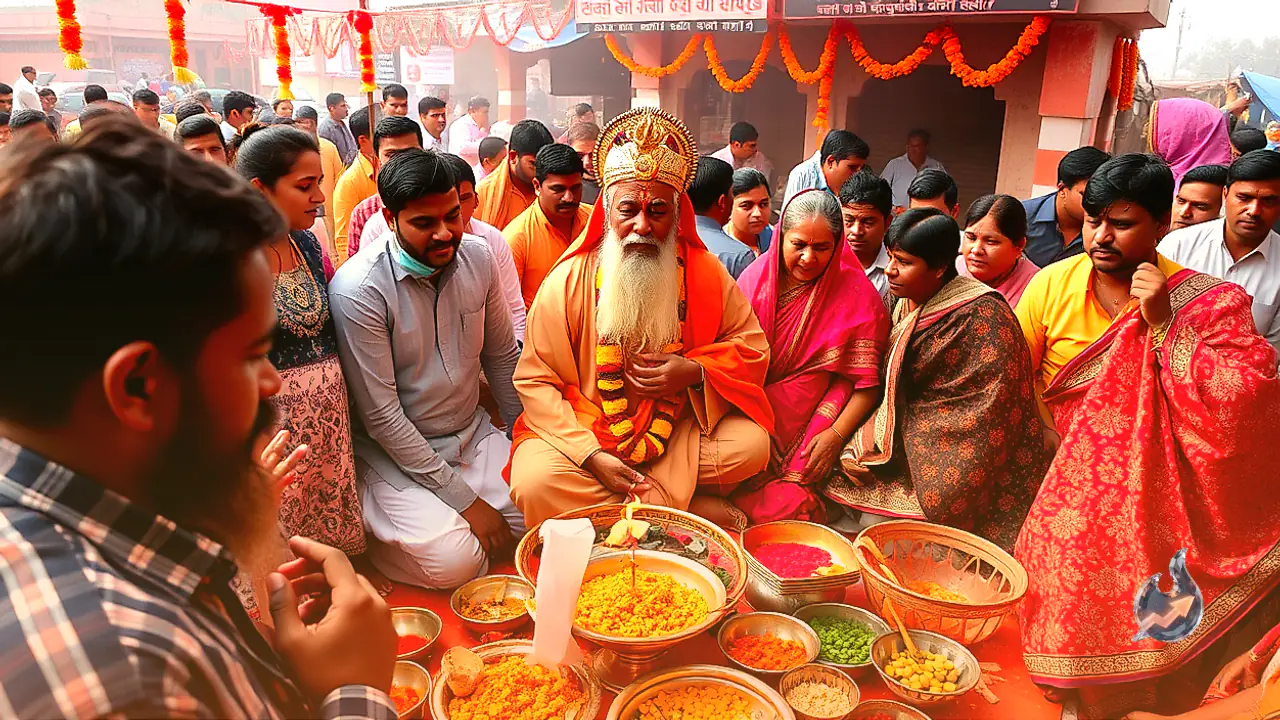
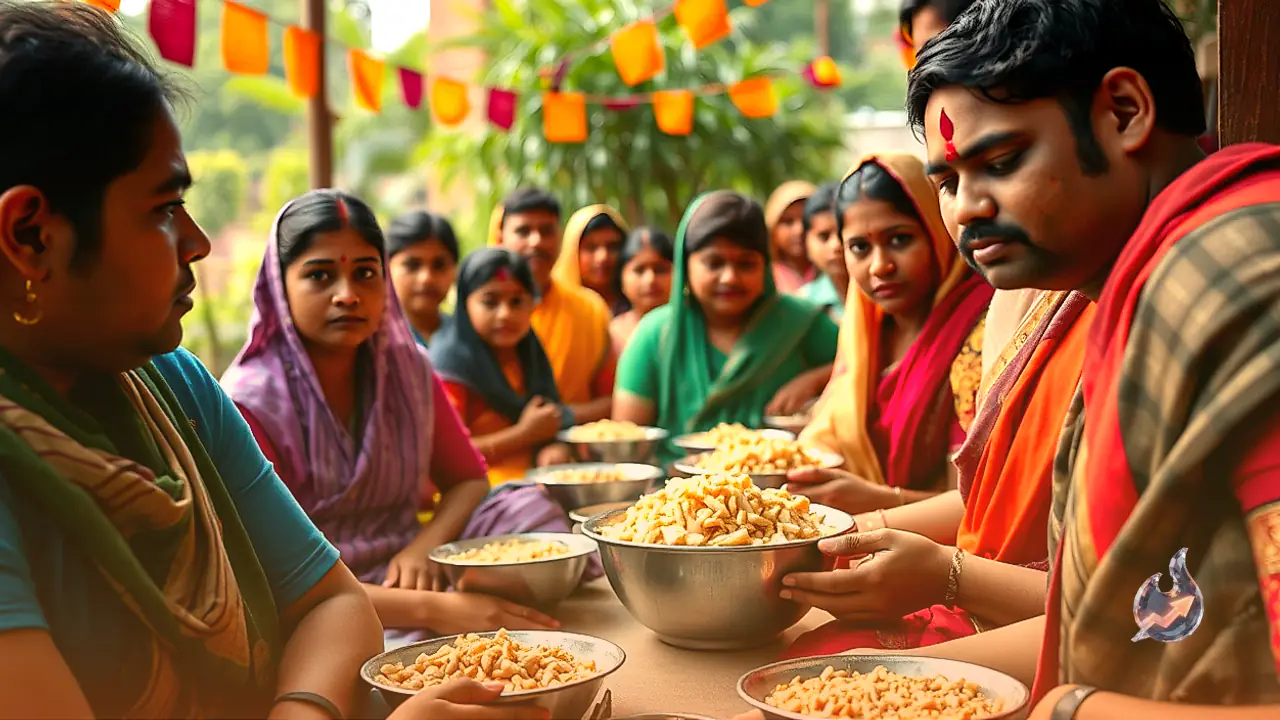
Chaitra Navratri marks a sacred junction tied to the beginning of the Hindu New Year. During this phase, devotees dedicate themselves to strict fasting, ascetic contemplation, and deep scriptural study while seeking the blessings of Goddess Durga. The concluding phase of this nine-day observance holds unique spiritual weight, as the ninth day is celebrated as Ram Navami, marking the birth of Lord Rama. Consequently, Chaitra Navratri presents a harmonious blend of worshipping supreme feminine power alongside heartfelt devotion to Lord Rama, an incarnation of Lord Vishnu.
Contrasting Ritual Emphases: Fasting Versus Celebration
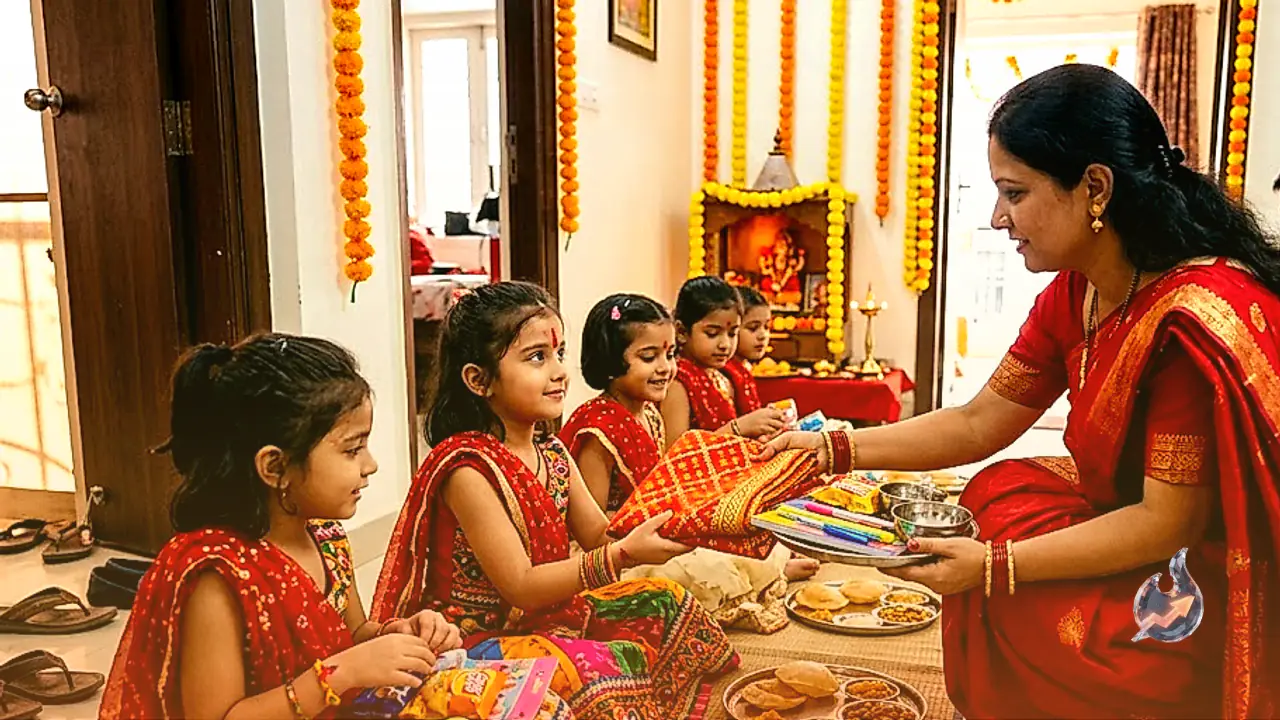
Although both festivals honor the nine divine forms of the Goddess ranging from Shailaputri to Siddhidatri, their devotional temperaments remain distinct. Chaitra Navratri places substantial emphasis on personal austerity, rigorous dietary discipline, scriptural reflection, and inner spiritual renewal. Devotees often maintain a quiet lifestyle focused on self-restraint. Sharad Navratri, while retaining deep ritual sanctity, expands into large-scale public celebrations. Magnificent community shrines, theatrical enactments, musical gatherings, and vibrant public participation define the autumn observance.
Regional Variations Across the Indian Subcontinent
Different parts of the country celebrate each festival according to regional heritage and local customs. Chaitra Navratri holds monumental cultural importance across states such as Maharashtra, Andhra Pradesh, Telangana, and Karnataka, often celebrated alongside regional New Year traditions. Conversely, Sharad Navratri unfolds with monumental splendor in West Bengal as Durga Puja, where colossal thematic pandals house artistic clay deities. Simultaneously, Gujarat comes alive with community Garba and Dandiya Raas gatherings that draw thousands of participants each night.
Seasonal Transitions and Atmospheric Setting
The transition of seasons forms another fundamental difference between the two main festivals. Chaitra Navratri unfolds during the spring season, bridging the retreat of winter and the oncoming summer warmth. Sharad Navratri arrives at the end of the monsoon season, signaling the refreshing start of autumn. From an ancient perspective, both sacred periods arrive during seasonal shifts, where dietary regulation through fasting serves to balance both mind and body while promoting renewal and inner strength.