
















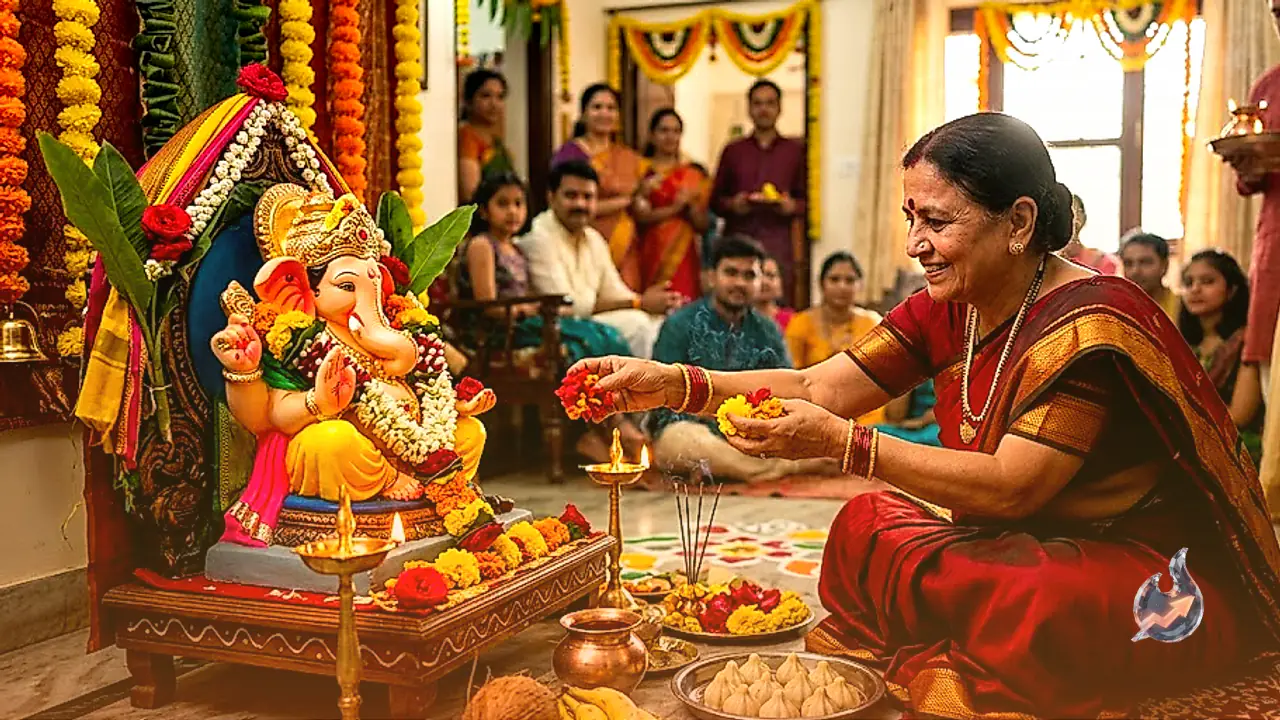

According to the Hindu calendar, Ganesh Chaturthi — celebrated on the Chaturthi Tithi of Shukla Paksha in the month of Bhadrapada — arrives on Monday, September 14, 2026. The festival marks the birth anniversary of Lord Ganesha and kicks off a ten-day celebration during which households and community pandals install idols, perform rituals, and offer prayers to the deity revered as the remover of obstacles and the lord of wisdom and prosperity.
Festival Significance and Traditional Names
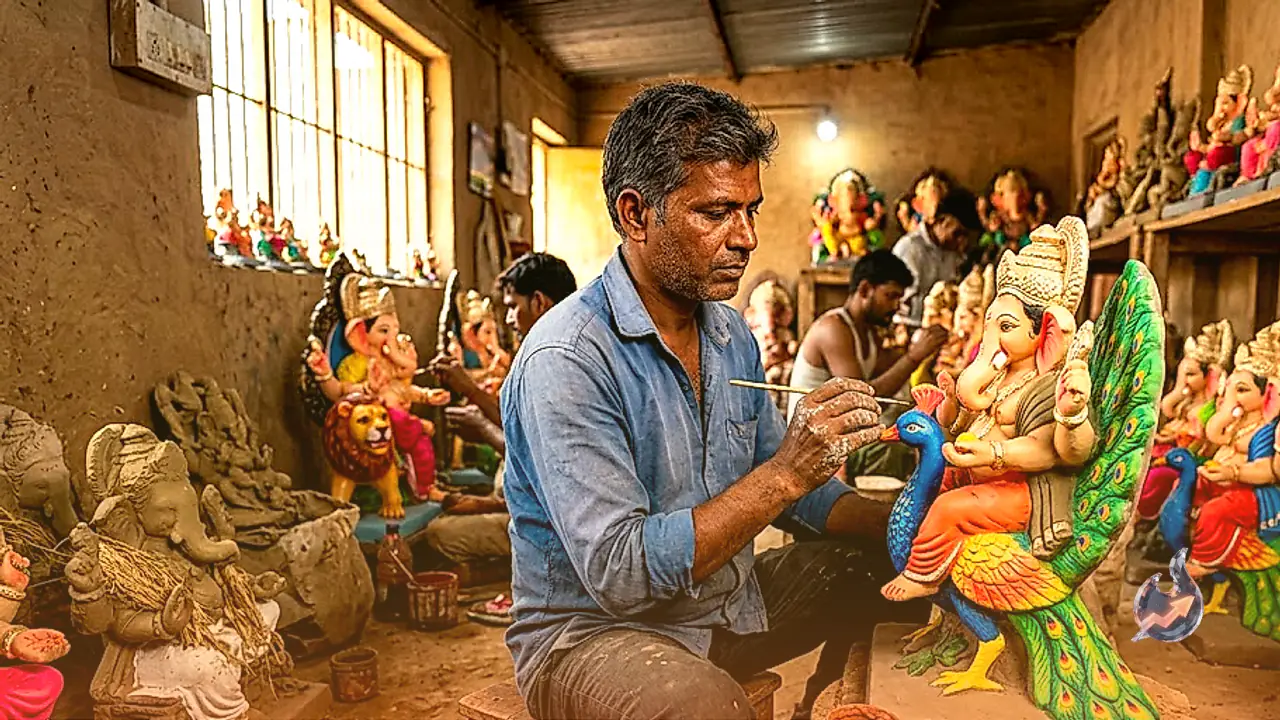
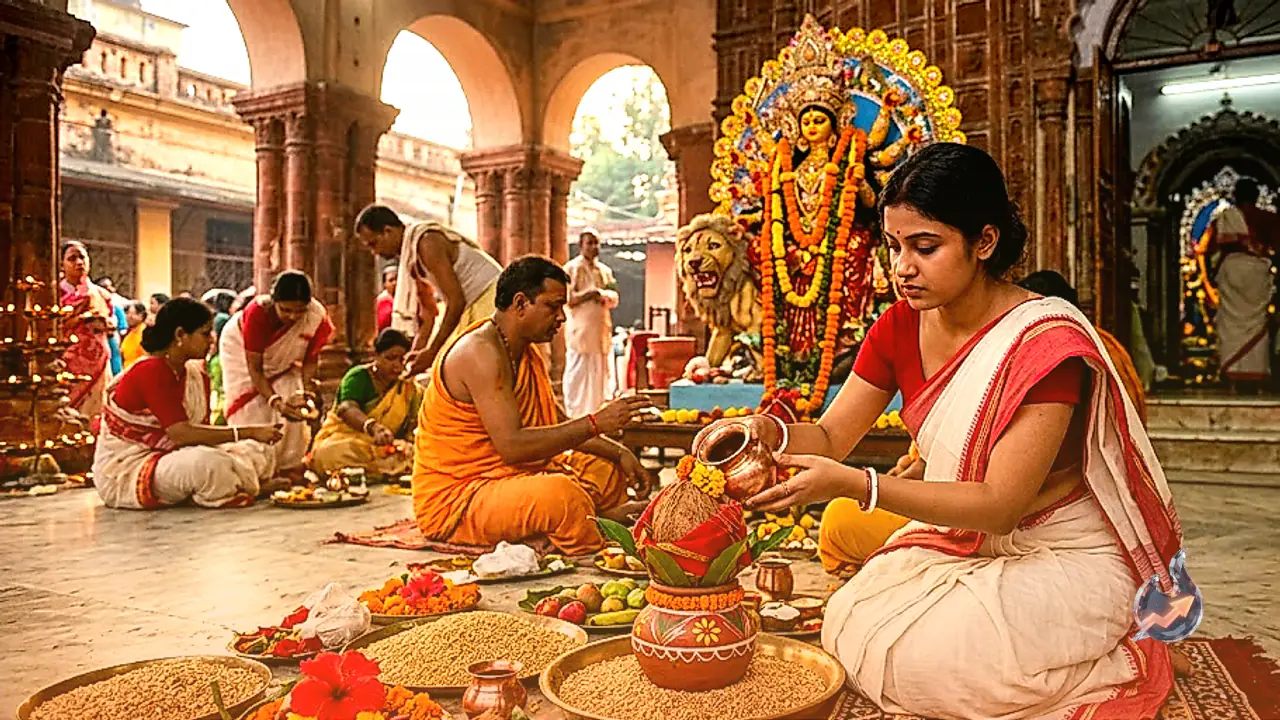
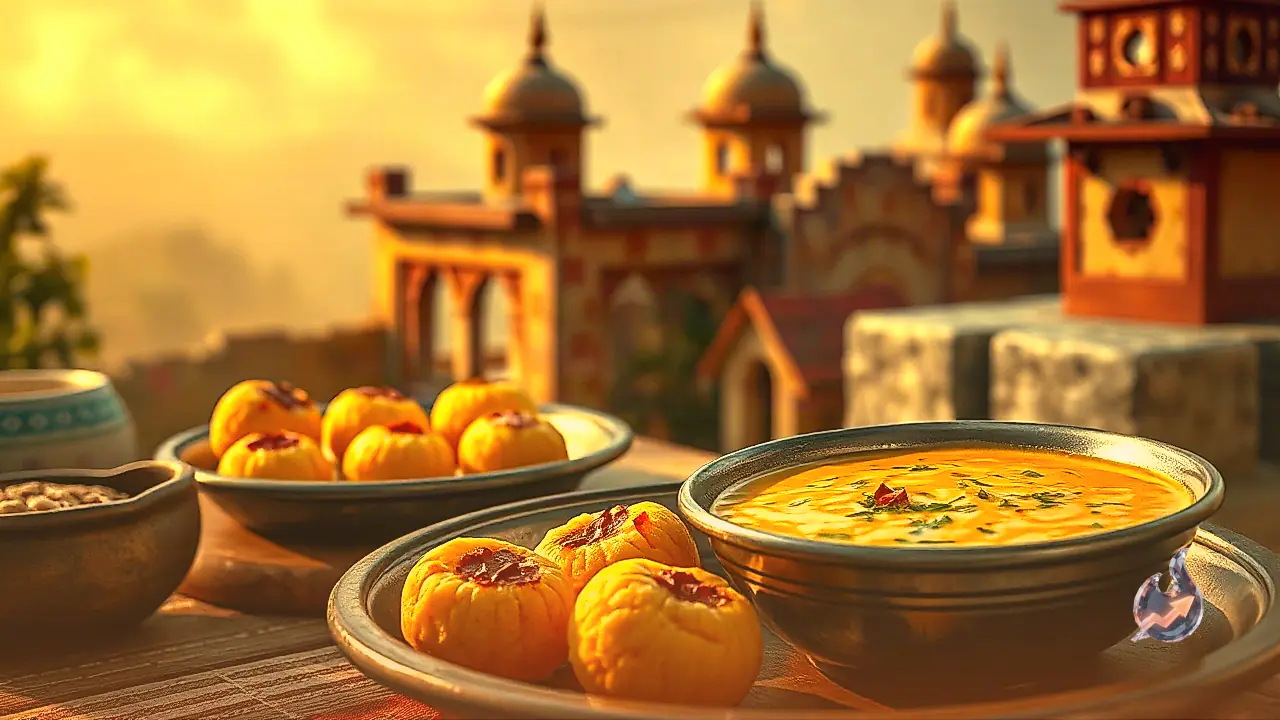
Lord Ganesha occupies a central place in Hindu tradition as the god of intellect, good fortune, and new beginnings. The occasion is also called Vinayaka Chaturthi and Ganesh Chauth. Devotees bring home or install clay idols, conduct Pran Pratishtha (consecration), and worship with flowers, sweets — especially modaks — and other customary offerings throughout the festival period.
Madhyahna Puja Muhurat: The Prime Worship Window
Hindu scriptures associate the Madhyahna period — midday — with the actual birth of Lord Ganesha, making it the most auspicious time for the principal puja. For New Delhi, the Madhyahna Ganesha Puja Muhurat on September 14, 2026 begins at 11:02 AM and extends until 1:31 PM, providing a window of approximately 2 hours and 28 minutes. Families typically schedule idol installation and the main worship ceremony within this prescribed slot.
Chaturthi Tithi Duration Versus Puja Muhurat
The Chaturthi lunar phase itself starts at 7:06 AM on September 14 and ends at 7:44 AM on September 15. However, the festival's core puja is not performed throughout the entire Tithi; it is confined to the Madhyahna period on the 14th. This distinction is crucial for devotees planning their rituals: while the Tithi stretches into the next morning, the scripturally ordained worship window remains the midday hours of the festival day itself.
Moon-Sighting Avoidance and the Mithya Dosha Belief
An important observance linked to Ganesh Chaturthi is the avoidance of looking at the moon. In New Delhi, the restriction applies from 9:06 AM to 8:04 PM on September 14, 2026. The practice stems from the concept of Mithya Dosha — the belief that sighting the moon on Bhadrapada Shukla Chaturthi may invite false accusations or slander.
This tradition is commonly traced to the Puranic account of Lord Krishna and the Syamantaka jewel. As the story goes, Krishna was falsely accused of stealing the precious gem after he had seen the moon on Chaturthi. The episode is cited to explain why devotees refrain from moon-viewing on this day.
Mythological Origin: The Elephant-Headed God
One of the most widely narrated legends describes how Goddess Parvati created Ganesha from turmeric paste and appointed him to guard the entrance while she bathed. When Lord Shiva arrived and sought entry, Ganesha blocked him, obeying his mother's order. A confrontation ensued, and Shiva severed Ganesha's head. Witnessing Parvati's grief and rage, Shiva promised to restore her son. His attendants brought the head of the first living being they encountered — an elephant — and Shiva revived Ganesha with it, granting him a preeminent position among the gods and declaring that he would be worshipped before any auspicious undertaking. This narrative underpins Ganesha's enduring association with obstacle removal and fresh starts.
Visarjan and Variable Festival Lengths
The ten-day observance culminates on Friday, September 25, 2026 — Anant Chaturdashi — with Ganesh Visarjan. On this final day, processions carry idols to water bodies for immersion, symbolically bidding farewell to the deity until the following year. While many households and public mandals follow the full ten-day schedule, the duration of idol installation varies by family custom and regional tradition. Some devotees perform Visarjan after one and a half, three, five, or seven days instead of waiting until Anant Chaturdashi.
Location-Specific Timings Require Local Panchang
Because Hindu calendrical calculations depend on geographical coordinates, both the puja muhurat and the moon-sighting avoidance timings differ from city to city. The New Delhi timings provided above should not be applied automatically elsewhere. Observers are advised to consult their local panchang or a reliable astrological source for the exact timings applicable to their specific location, ensuring rituals are performed correctly.