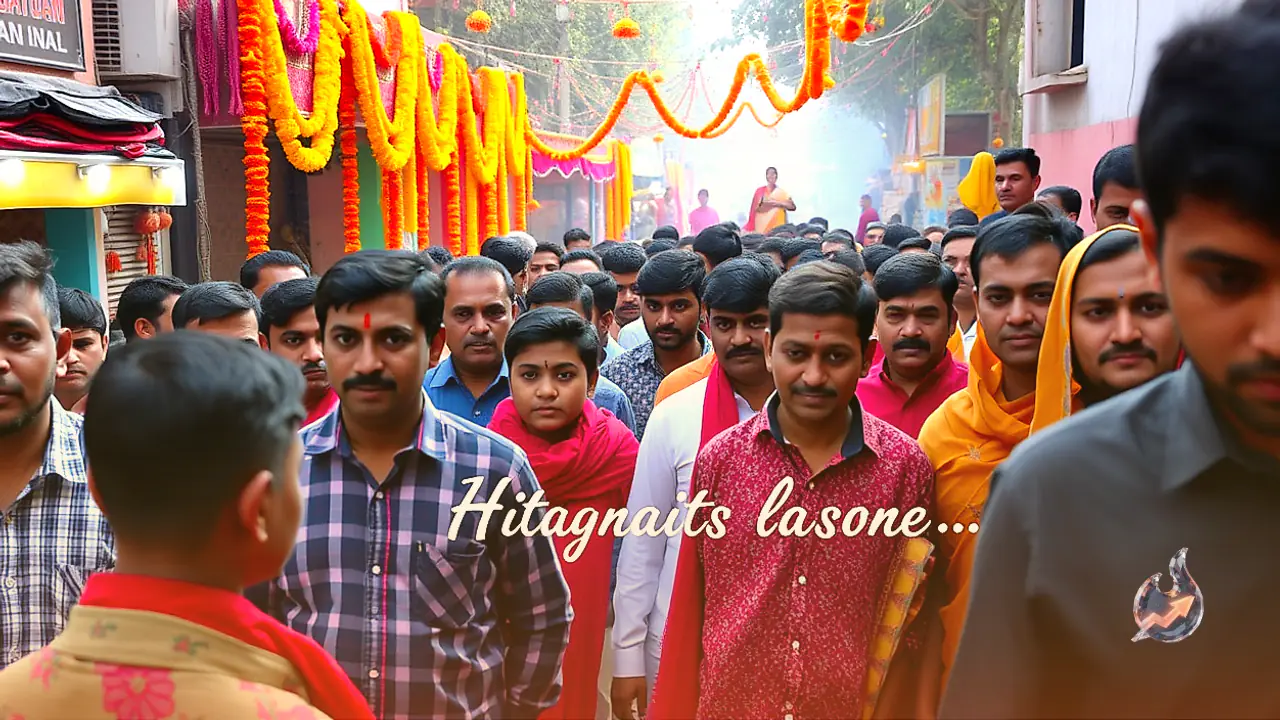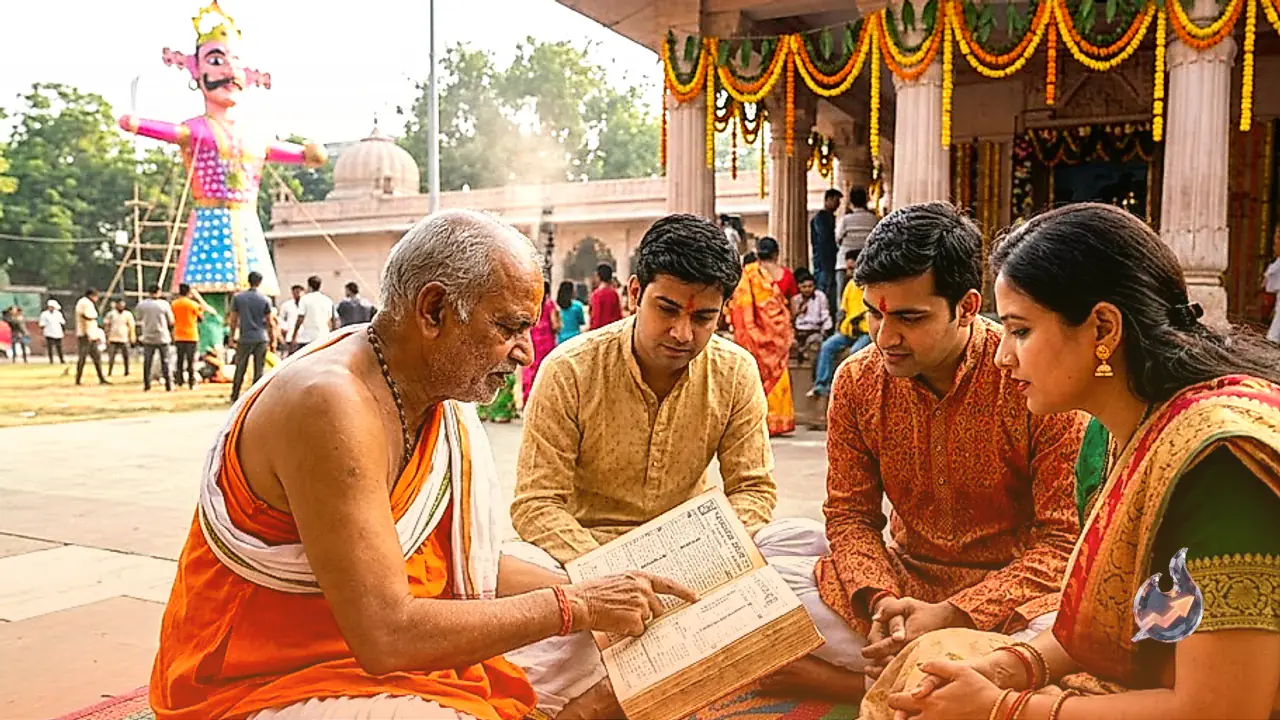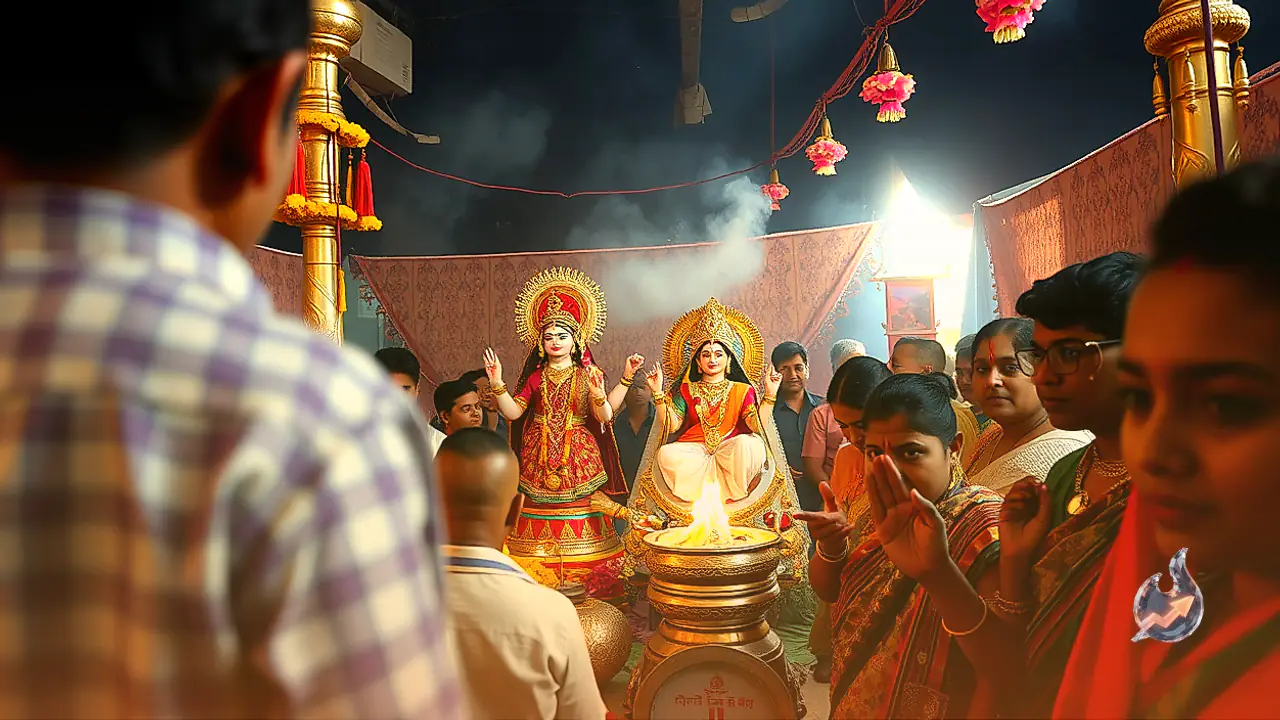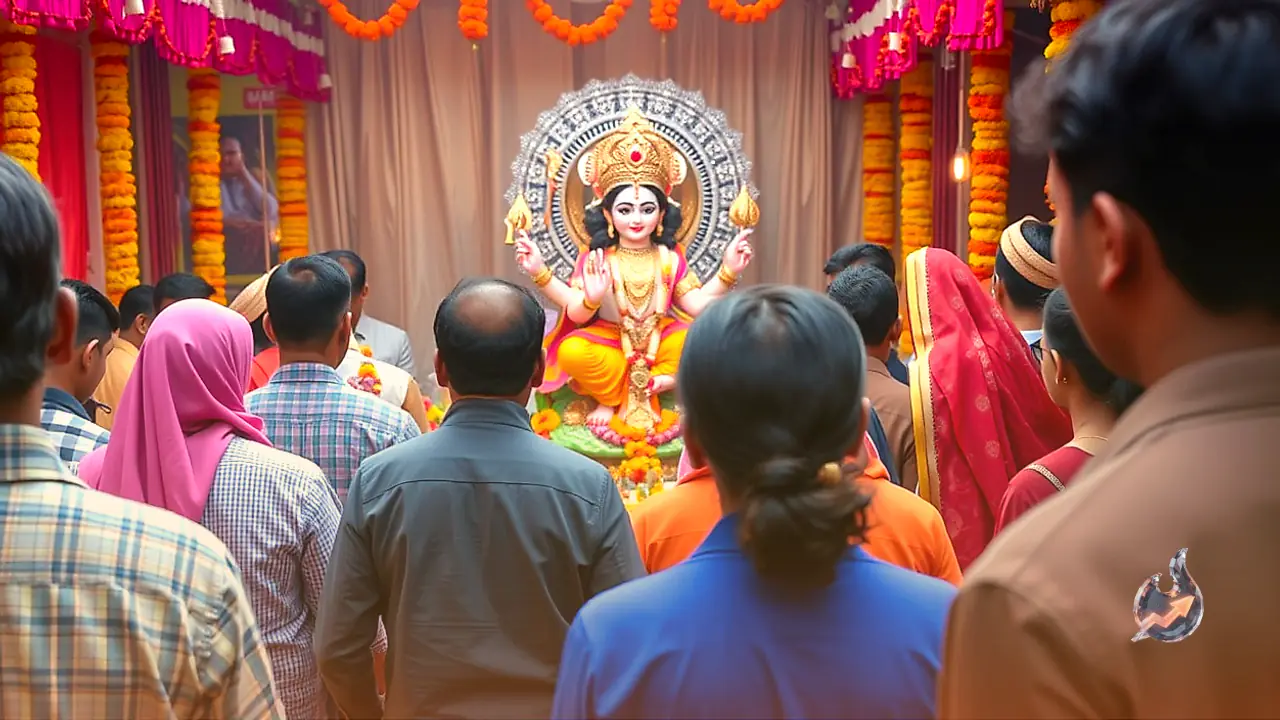





















The auspicious festival of Hartalika Teej, observed on the Tritiya Tithi of the Shukla Paksha in the month of Bhadrapada, brings a unique astronomical alignment this year. Fasting women observe these rigorous rituals to pray for the longevity and health of their spouses. While Hartalika Teej typically falls one day prior to Ganesh Chaturthi, both festivals will coincide on the exact same date this year because the Tritiya and Chaturthi Tithis overlap on the same day. Also celebrated under the name Badi Teej across North India, the festival holds immense spiritual significance across multiple regions.
Hartalika Teej 2026 Date and Auspicious Timings
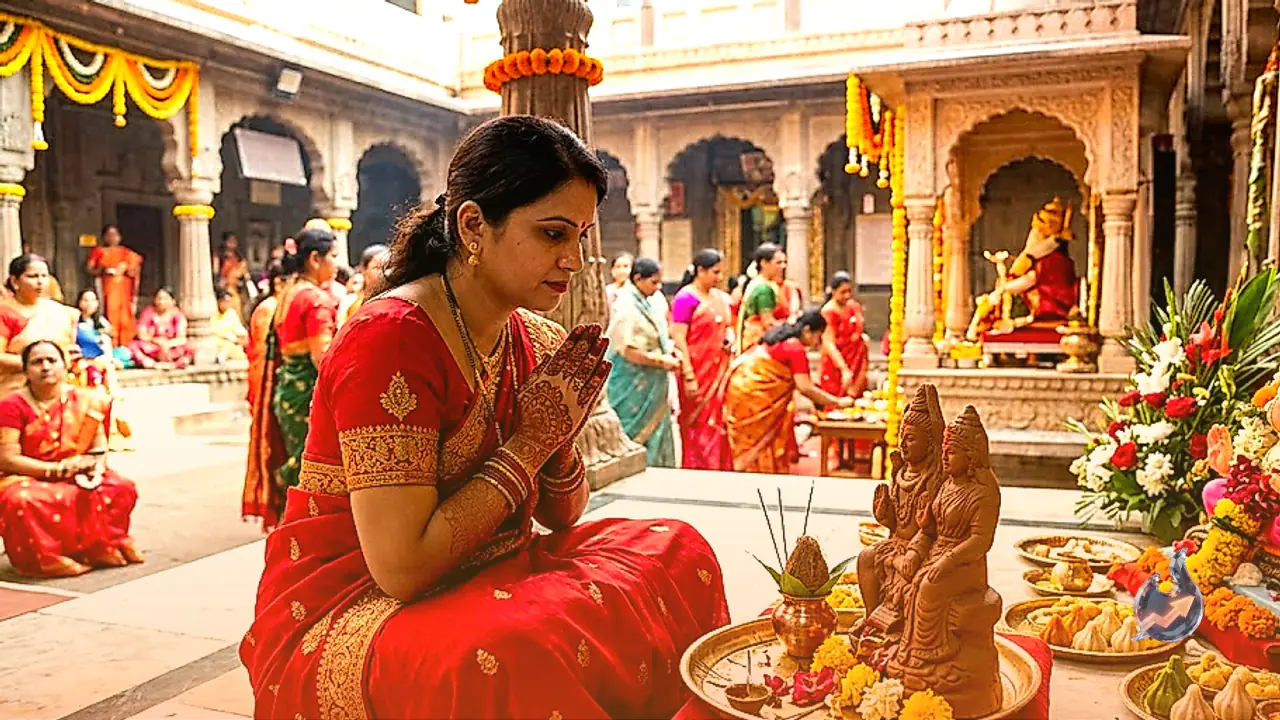
In 2026, Hartalika Teej will be observed on September 14, 2026, falling on a Monday. According to traditional customs, devotees craft temporary idols of Lord Shiva and Goddess Parvati using clay or sand to perform the sacred rituals. On September 14, 2026, the primary auspicious time (Shubh Muhurat) for performing the morning prayer rituals is scheduled between 06:05 AM and 07:06 AM. Performing the rituals during this specific one-hour window is considered highly rewarding for devotees.
Complete Rituals and Fasting Procedure
The early morning hours are considered most sacred for conducting the Hartalika Teej worship. However, if morning prayers are not feasible, devotees are permitted to perform the rituals during the Pradosh Kaal in the evening. The fast commences with an early morning bath, after which women dress in clean attire and construct sacred clay or sand figures of Lord Shiva and Goddess Parvati.
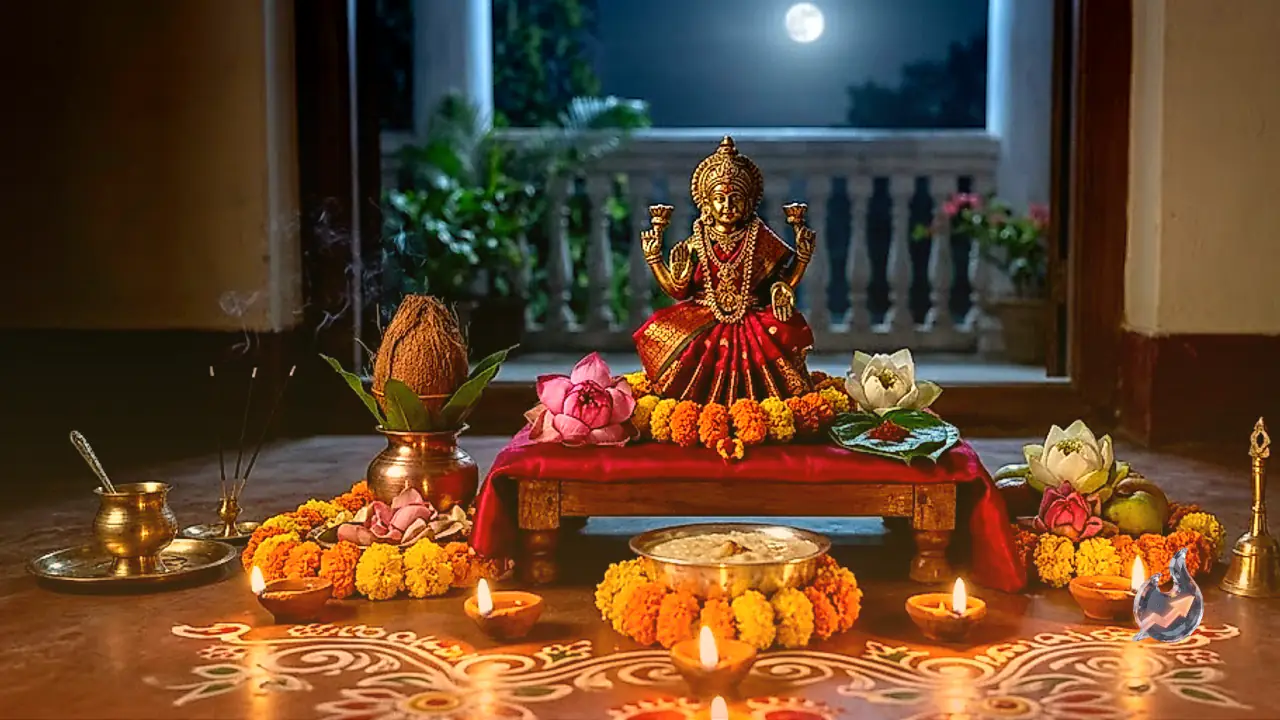
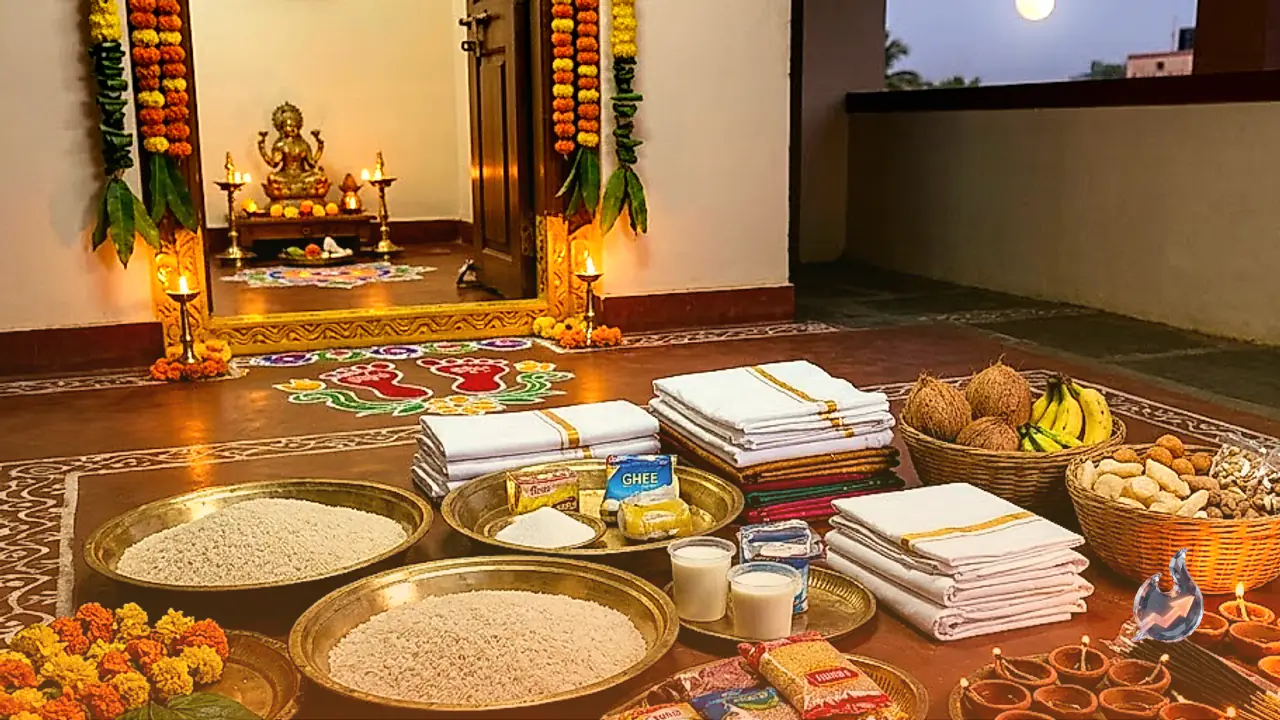
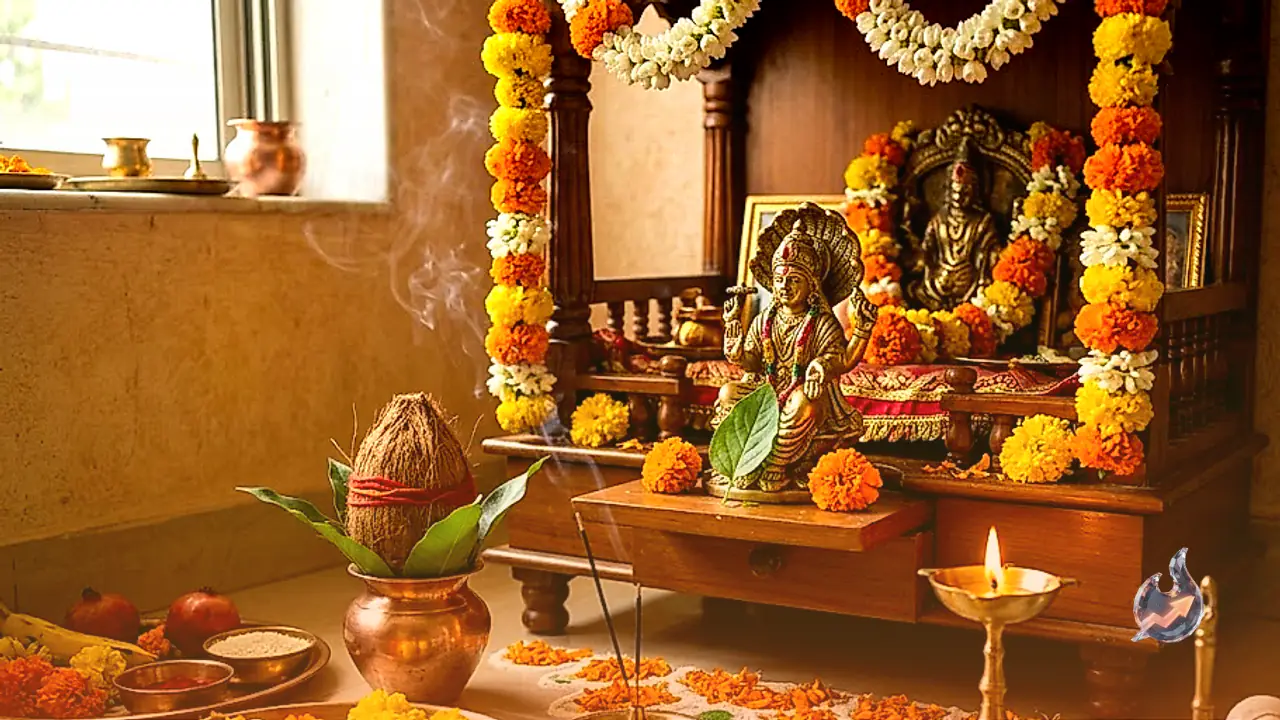
Devotees offer fruits, flowers, incense, and traditional offerings while carrying out the ritual worship. Listening to the traditional Hartalika Teej Vrat Katha (sacred story) during the ritual is essential. Women maintain a strict waterless fast throughout the day and observe a night-long vigil (Ratri Jagaran) while chanting prayers. The fast is formally broken the following morning before sunrise. Devotees take a fresh bath, wear clean clothes, perform a concluding worship of Lord Shiva and Goddess Parvati, and then consume food and water to complete the fast.
Essential Rules and Guidelines for the Fast
Hartalika Teej is widely regarded as one of the most demanding fasts due to its strict abstinence requirements. Devotees refrain from taking both food and water for an entire 24-hour cycle. Nevertheless, women who are ill or pregnant are permitted exemptions to consume fruits and milk. Key religious guidelines for the fast include
- Complete Abstinence: Consuming food and water is strictly prohibited. Exceptions are extended only to pregnant or unwell women who may consume fruits.
- Night-Long Vigil: Sleeping on the night of the fast is discouraged, as keeping a night vigil while dedicated to prayer is believed to bring immense spiritual merit.
- Eternal Lamp (Akhand Diya): Devotees must light a continuously burning lamp in the prayer area, keeping it lit throughout the night.
- Sixteen Adornments (Solah Shringar): Women observe the tradition of applying sixteen traditional adornments, symbolizing marital bliss and prosperity.
- Unbroken Annual Commitment: According to religious beliefs, once a woman initiates the Hartalika Teej fast, she must continue observing it every year without skipping.
Regional Names and Cultural Significance
The festival is celebrated with great fervor across several Indian states, particularly in Uttar Pradesh, Bihar, Madhya Pradesh, Rajasthan, and Jharkhand. In Southern India, specifically across Andhra Pradesh and Tamil Nadu, the festival is celebrated as Gauri Habba. Though regional customs and names vary, the core devotion to Lord Shiva and Goddess Parvati remains uniform across the country.