



















Celebrated amidst the lush greenery and monsoon showers of the month of Shravan, Hariyali Teej holds a cherished place in Indian cultural heritage. The arrival of this festival instantly brings to mind images of swings tied to verdant trees, intricate henna patterns adornment, and traditional folk songs. However, Hariyali Teej is far more than a day of fasting and prayers. A central highlight of this celebration is the arrival of Sindhara, a tradition eagerly awaited by newly married daughters. Far from being a mere exchange of gifts, Sindhara represents a mother's blessing, a father's enduring affection, and an unbreakable link to one's ancestral roots.
Hariyali Teej 2026: Auspicious Dates and Worship Timings
According to calculations based on the Vedic Panchang, the Shravan Shukla Tritiya Tithi for the year 2026 will commence on August 14 at 6:46 PM. This auspicious lunar date will conclude on the following evening, August 15, 2026, at 5:28 PM. Following the established ritual principle of Udaya Tithi, the fast for Hariyali Teej will be observed on August 15, 2026. On this holy day, married women observe a day-long fast and offer dedicated prayers to Lord Shiva and Goddess Parvati, seeking health, prosperity, marital harmony, and longevity for their husbands.
Understanding Sindhara: Offerings, Items, and Cultural Meaning
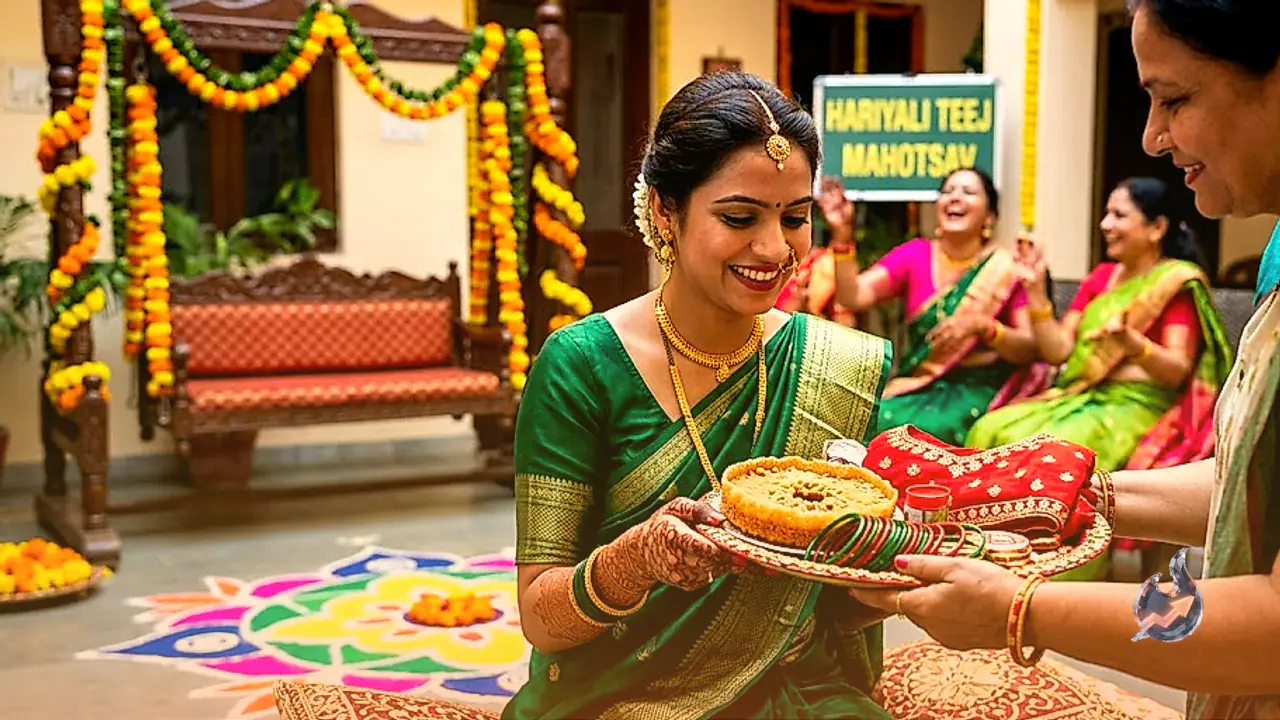
On Hariyali Teej, it is customary for the bride's paternal family to send a curated basket of gifts, locally referred to as Sindhara or Sinjara. This traditional hamper includes festive attire, an auspicious monetary gift envelope, cosmetics, colorful glass bangles, fresh henna, traditional ghevar, and an assortment of authentic sweets. Families with greater means often include fine gold or silver jewelry. Culturally, sending Sindhara is not regarded as a transactional gesture; rather, it serves as a tangible expression of the paternal home's prayers for the daughter's enduring happiness in her marital life.
Why the First Teej After Marriage Is Celebrated at the Paternal Home
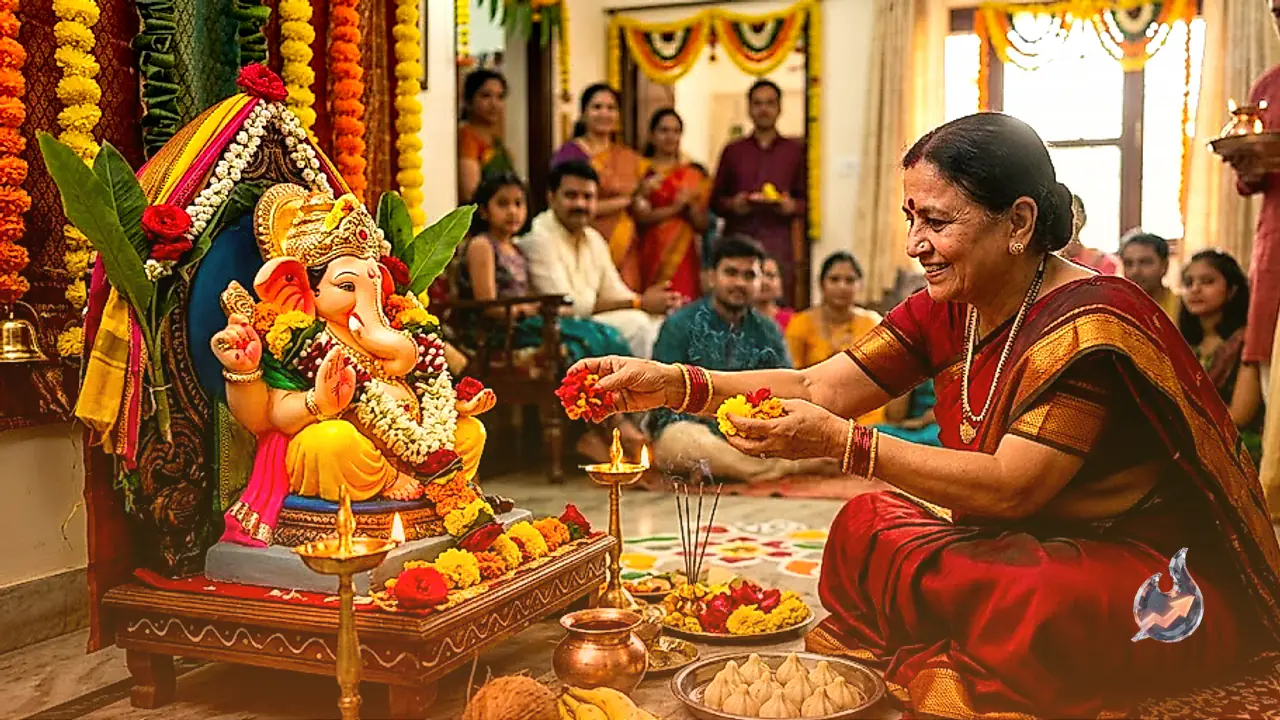
In traditional Indian society, a woman's paternal home remains an anchor of emotional warmth and security. Having spent her formative years there before stepping into new household responsibilities, a newly married daughter is traditionally invited back to her parental home for her very first Hariyali Teej. Reconnecting with childhood memories and family members during the festivities reassures the bride that her bond with her parents remains steadfast despite her new life. It is during this joyful homecoming that the Sindhara ceremony is lovingly performed.
The Sacred Legend of Divine Reunion: Lord Shiva and Goddess Parvati
The spiritual essence of Hariyali Teej originates from sacred lore surrounding Lord Shiva and Goddess Parvati. According to ancient scriptures, Goddess Parvati underwent rigorous penance across centuries to win Lord Shiva as her consort. Moved by her unwavering devotion, Lord Shiva united with her on the Shravan Shukla Tritiya Tithi. Hariyali Teej commemorates this eternal divine union each year. Devotees believe that observing this fast fosters mutual trust and devotion between spouses, while unmarried women undertake the vow to seek a compatible life partner.
Preserving Family Ties and Expressing Maternal Affection
The practice of sending Sindhara and welcoming married daughters back for Hariyali Teej is much more than a routine custom; it is a vital celebration of familial bonds. It reinforces the comforting reality that a daughter's place in her birth home remains intact regardless of distance or time. Today, families across generations continue to uphold this rich tradition with warmth, pride, and joy.