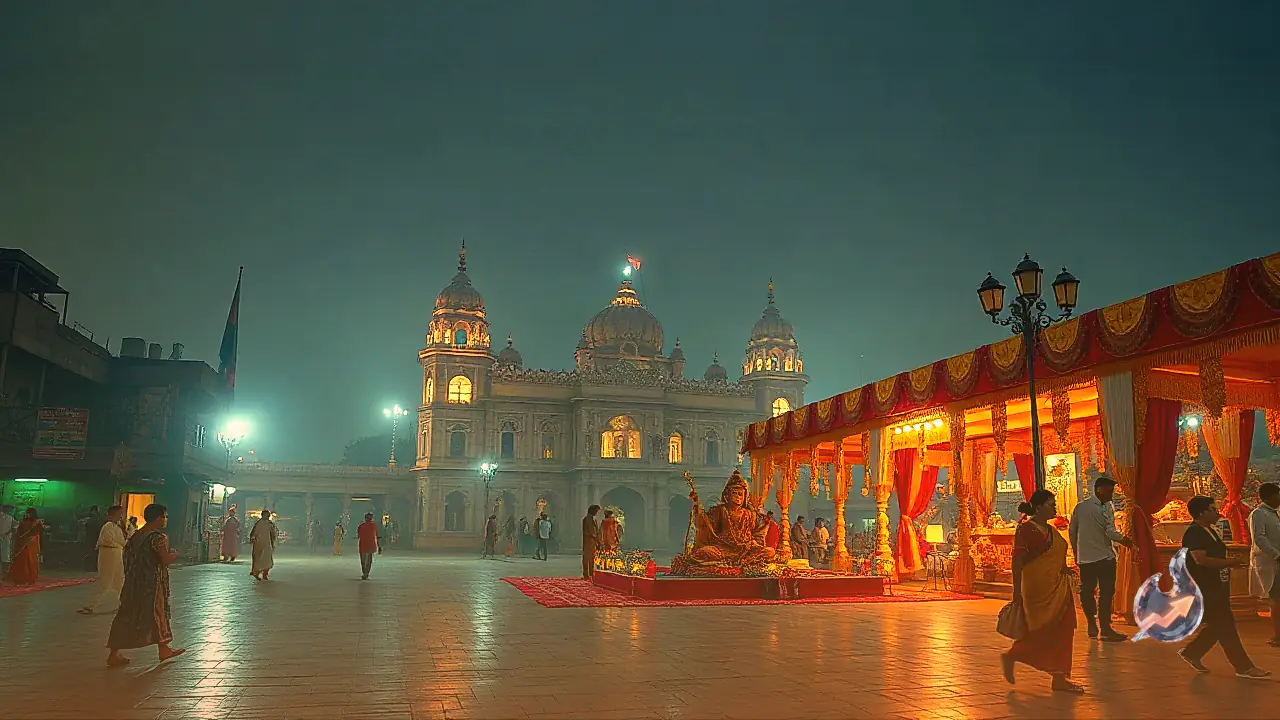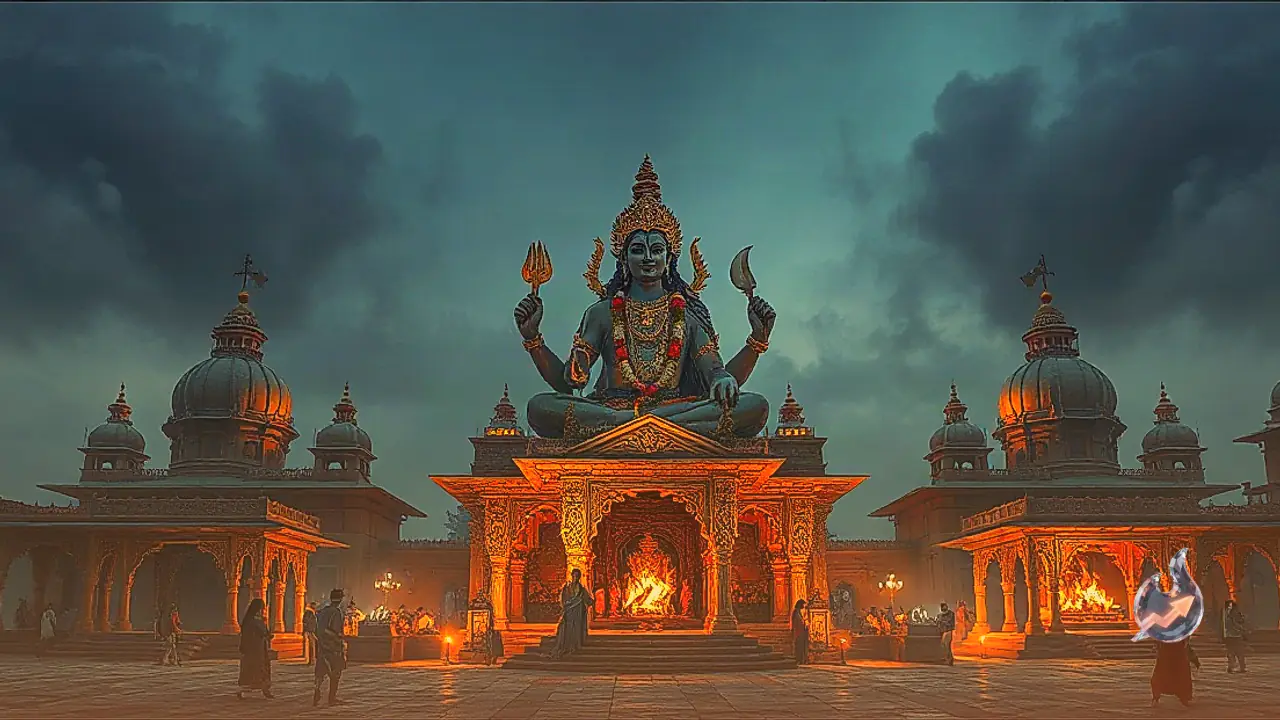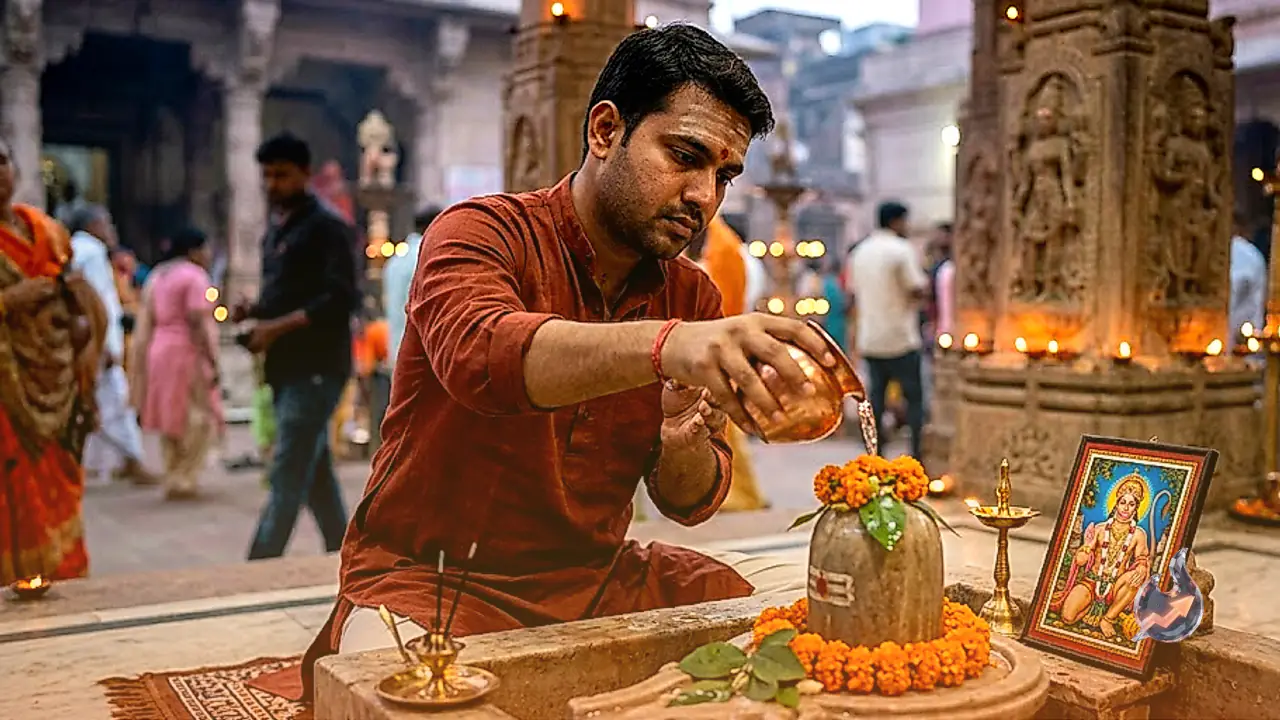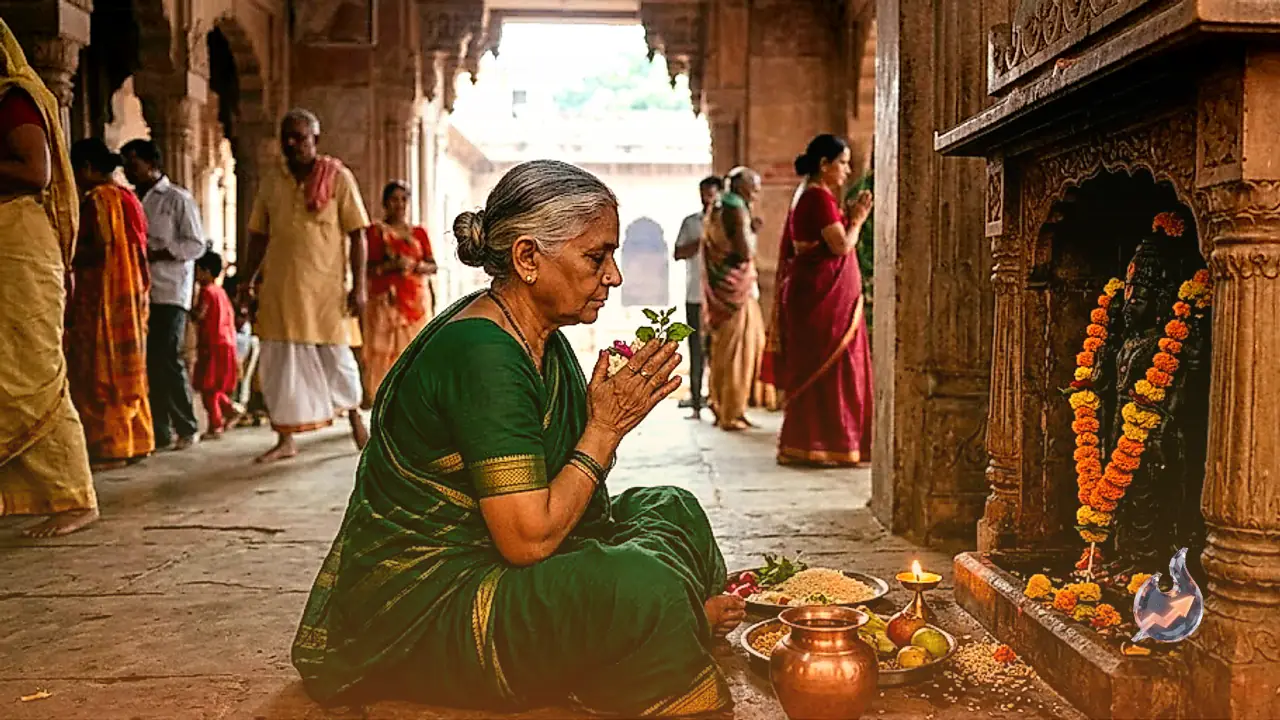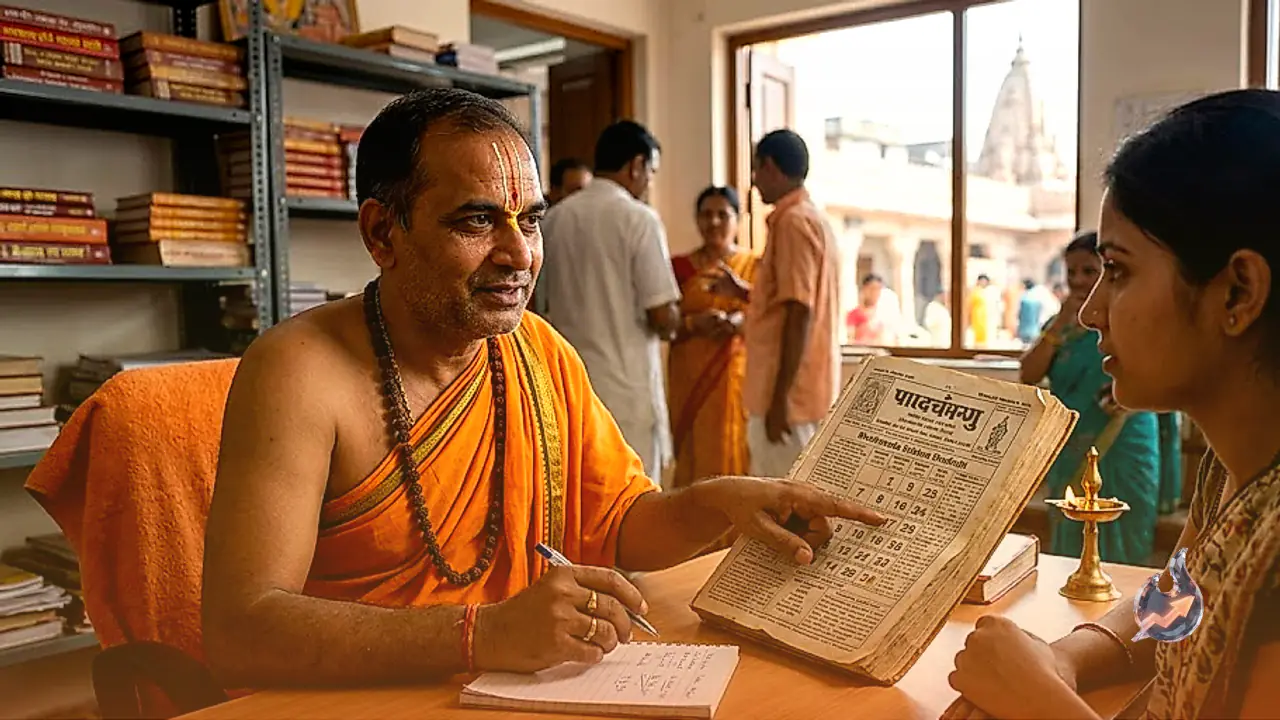





















Observed on the Tritiya tithi of Bhadrapada Shukla Paksha, Hartalika Teej is one of the most sacred festivals dedicated to devotion, marital harmony, and spiritual discipline. Married women observe an arduous waterless fast (Nirjala Vrat) on this auspicious day, offering prayers to Lord Shiva and Goddess Parvati for lifelong companionship and family prosperity. Beyond physical abstention from food and water, tradition emphasizes maintaining strict ethical conduct, mental purity, and specific ritual guidelines. Understanding these prescribed practices and avoiding common oversights ensures that the spiritual benefits of the fast are fully realized.
Auspicious Timings and Udaya Tithi Determination
According to the traditional lunar calendar, the Tritiya tithi of Bhadrapada Shukla Paksha commences at 7:08 AM on September 13. This tithi continues until 7:06 AM on the following morning of September 14. In Hindu tradition, festivals and fasting observances are governed by the Udaya Tithi—the tithi prevailing at sunrise. Consequently, the main Hartalika Teej fast will be observed on September 14 this year. Devotees begin their fasting rituals right from sunrise on September 14, following the designated schedule for ceremonies and prayers.
Significance of Colors in Attire and Adornment
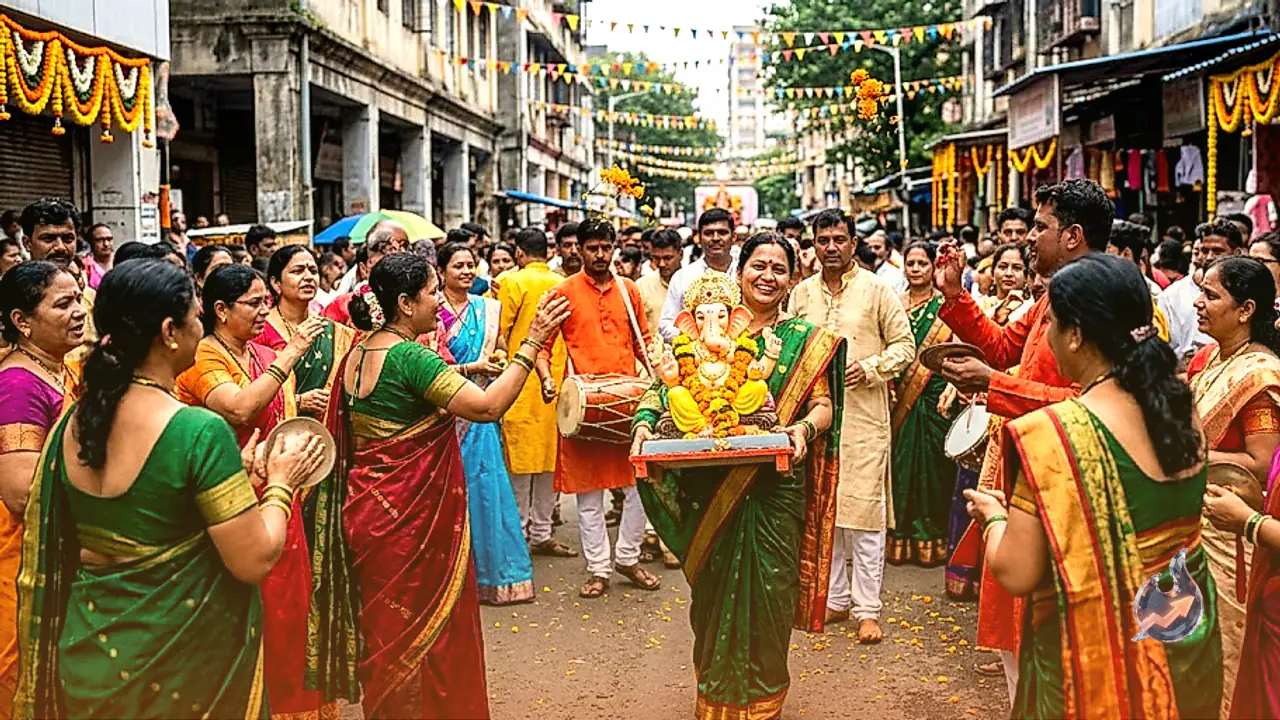
Solah Shringar, or the traditional sixteen adornments of married women, holds immense religious significance during Hartalika Teej rituals. Sacred guidelines advise against wearing black clothing or black bangles on this day, as black is traditionally considered inappropriate for auspicious ceremonies. Instead, women are encouraged to choose vibrant shades of red, green, or yellow for their attire and bangles. In Vedic culture, red, green, and yellow symbolize marital bliss, growth, prosperity, and purity, creating a harmonious atmosphere for worship.
Maintaining Emotional Calm and Avoiding Conflict
While physical restraint from food and water is a core component of the fast, mental self-control is equally vital. Devotees are advised to avoid anger, heated arguments, and disputes with their husbands, family members, or anyone else during the fasting period. Engaging in harsh words or harboring ill feelings is believed to diminish the spiritual merits of the observance. Keeping the mind calm, peaceful, and focused on spiritual reflections forms an essential part of the fasting discipline.
Avoiding Daytime Sleep and Observing Night Vigil
Hartalika Teej stands apart from routine fasts due to its distinct guidelines regarding rest. According to long-standing customs, individuals keeping the fast should abstain from sleeping during the daytime. Rather than resting during free hours, devotees spend their time chanting sacred mantras, singing devotional hymns, and listening to the stories of Shiva and Parvati. Furthermore, observing a night vigil (Jagran) filled with prayers and meditation is considered highly auspicious.
Assessing Health Capacities and Long-Term Commitment
Traditionally, once a person pledges to observe Hartalika Teej, the fast is maintained every subsequent year. Taking a formal resolution (Sankalp) is a meaningful spiritual step. However, women must carefully evaluate their physical capabilities and overall health before undertaking such an intensive fast. In cases of illness or underlying health conditions, individuals should prioritize medical safety and personal well-being over rigid physical fasting.
Beginning Worship with Lord Ganesha
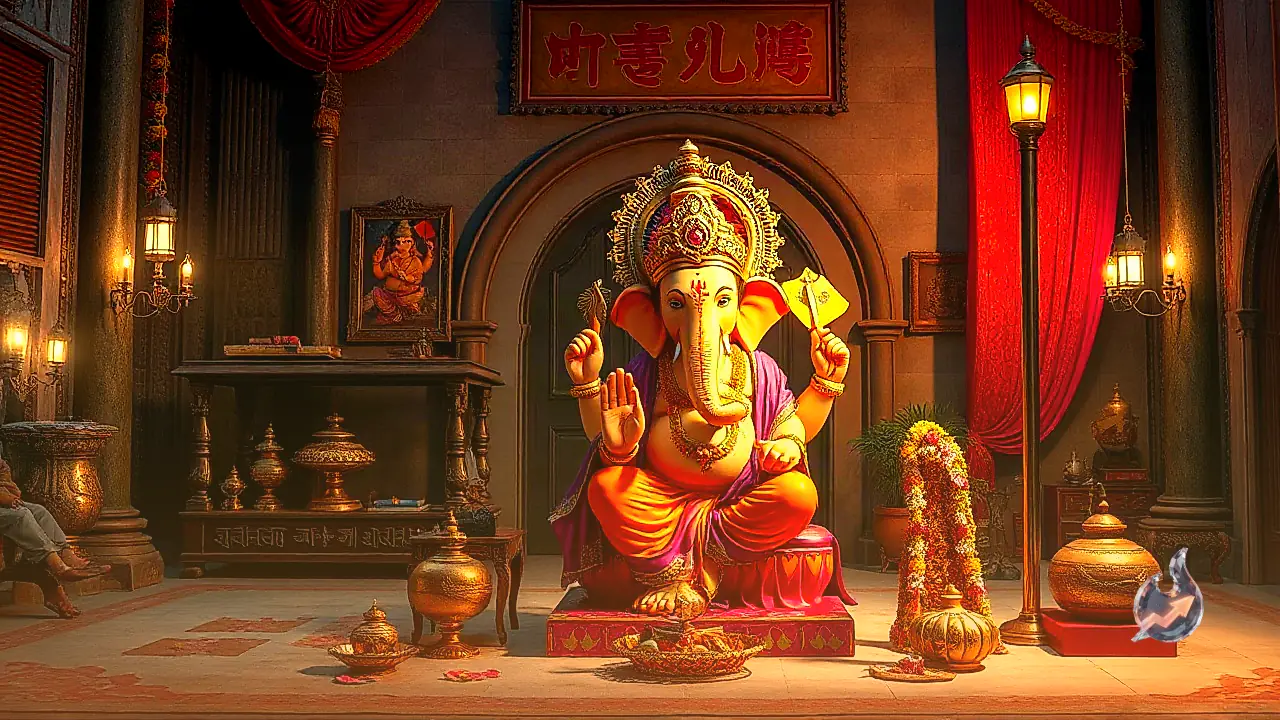
The ritual sequence of Hartalika Teej requires that prayers begin with the invocation of Lord Ganesha, who is reverently worshipped first in all Hindu rituals as Pratham Pujya. Worshippers offer prayers to Lord Ganesha to remove obstacles before proceeding to the worship of Lord Shiva and Goddess Parvati. After completing the sacred rituals, devotees perform Aarti and pray together for marital peace, good health, and lasting prosperity.