






















Getting a driving licence or updating existing records across regional transport offices is poised to become significantly faster and less bureaucratic. The Union Ministry of Road Transport and Highways has released a comprehensive draft notification proposing wide-ranging amendments to existing motor vehicle driving regulations. The core focus of this regulatory overhaul is to eliminate unnecessary administrative charges, minimize documentation hurdles, and enforce binding deadlines for transport authorities to clear citizen requests.
The ministry has placed these draft recommendations in the public domain, seeking observations, suggestions, and objections from transport sector stakeholders and the public within a 30-day window. Once this mandatory public consultation concluded and feedback is evaluated, the government will finalize the statutory framework for nationwide rollout. If enacted in its current structure, these revisions will streamline how millions of motorists renew driving permits, update records, and access public transport services online.
Abolition of Service Charges for Address and Contact Detail Updates
One of the most reader-friendly measures introduced in the draft proposal is the total removal of fees for modifying essential personal data. Under existing procedures, cardholders are required to pay a designated processing fee whenever they relocate and need to update their residential address, mobile phone number, or email address on their driving licence. The newly framed guidelines intend to waive these charges entirely, making detail updates completely free of cost.
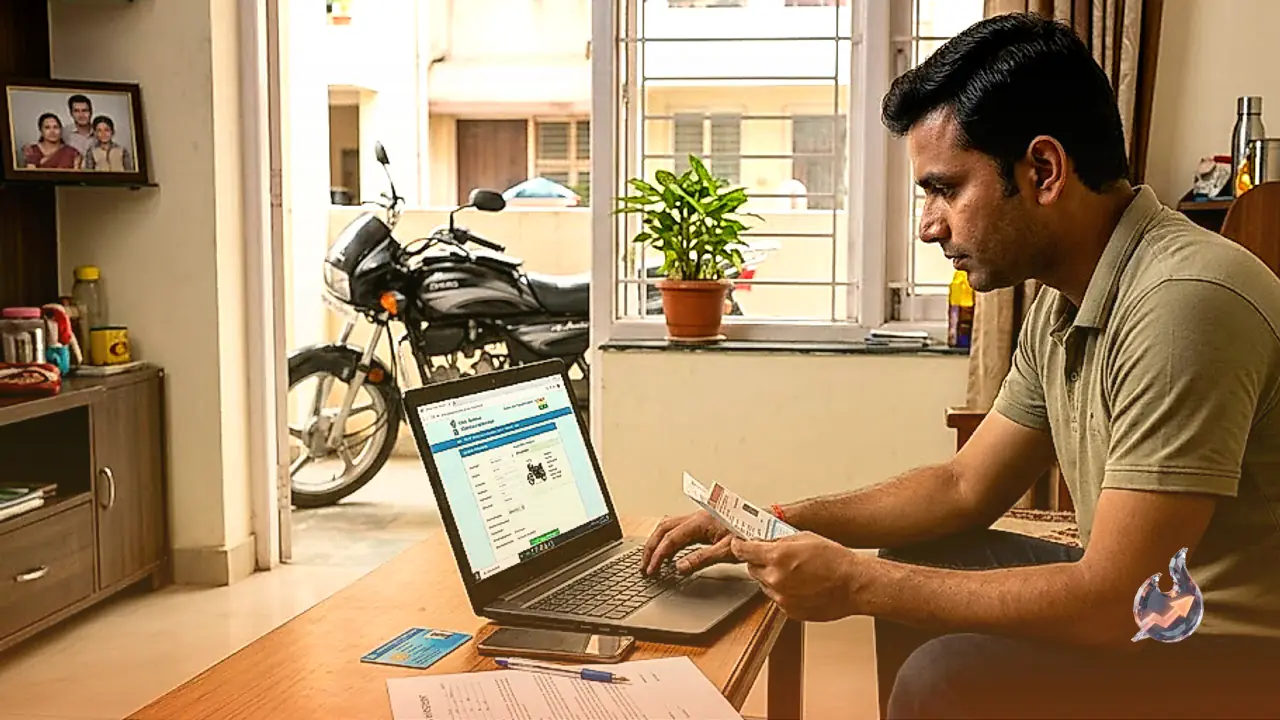
Furthermore, the transport ministry proposes that any driving licence service carried out online through Aadhaar-based digital authentication should be offered without levying administrative charges. This financial exemption will provide immediate relief to working professionals, students, and tenants who frequently move between rented homes or across state boundaries for professional assignments, ensuring that their official records remain current without recurring financial burdens.
Enforced Application Deadlines and Auto-Approval Safeguards
Lengthy processing delays at regional transport offices have historically been a chronic pain point for vehicle owners. To address administrative lethargy, the draft establishes firm operational timelines that transport departments must adhere to. Licensing authorities will be mandated to deliver a final decision on applications involving changes to an applicant's name or other critical personal entries within a strict window of fifteen days.
Even more consequential is the introduction of a deemed approval mechanism for address modification requests. Under this rule, if an RTO fails to dispose of an address update application within thirty days of submission, the request will be automatically treated as granted by the system, eliminating indefinite bureaucratic holds. Additionally, when a licence holder submits an application to remove a specific vehicle endorsement from their credential, the draft mandates that the system process and finalize the change automatically within seven days.
Utility Bills Permitted as Valid Residential Proof
Securing acceptable local address verification has long been a major roadblock for applicants residing in temporary accommodations or rented spaces. Addressing this practical difficulty, the ministry has broadened the accepted list of residence documentation to include utility bills. Going forward, applicants will be permitted to furnish domestic electricity connections and domestic LPG cylinder utility receipts as recognized proof of residency.
The draft specifies an operational caveat: any utility or gas bill submitted during the verification process must not be older than three months from the filing date. This relaxation provides immense convenience to migrant workers, early-career executives, and university students who lack permanent localized documents like regional voter identity cards or passports matching their immediate rental residences. Specific technical criteria for document acceptance will be codified when the final notification is notified.
Redesigned Sarathi Portal Workflow and Unified Forms
To enhance the efficiency of the centralized Sarathi digital interface, the ministry intends to deploy automated data-filling capabilities. Through this functionality, basic demographic data already linked to a user's Aadhaar or past transport database files will automatically populate new service requests, sparing applicants from manually keying in identical data repeatedly across different forms.
Administrative workflows are also being streamlined through the rollout of a standardized single document designated as Form 2A. This consolidated form will cater simultaneously to driving licence renewals, applications for duplicate physical cards, and requests for adding new vehicle classes or categories to an existing permit. Consolidating these diverse requests under one structured form is expected to minimize documentation errors and reduce operational complexity for both citizens and regional transport personnel.
Mandatory Emergency Contacts and Organ Donation Pledges
Beyond administrative reforms, the proposed framework incorporates critical public safety and healthcare provisions into the licensing architecture. Moving forward, applicants will be required to furnish the contact information of a designated emergency individual during the online registration process. In the event of a road crash or medical crisis, law enforcement agencies and emergency response teams can promptly notify the driver's relatives, significantly cutting down emergency notification lag times.
Alongside emergency contacts, the application process will introduce an integrated, voluntary organ donation registration option. Citizens wishing to pledge their organs after death can formally record their consent right on the portal, and this altruistic decision will be visibly highlighted on their driving licence credentials. This measure aims to bolster national organ donation awareness and help healthcare systems bridge the gap for critical organ transplants across the country.