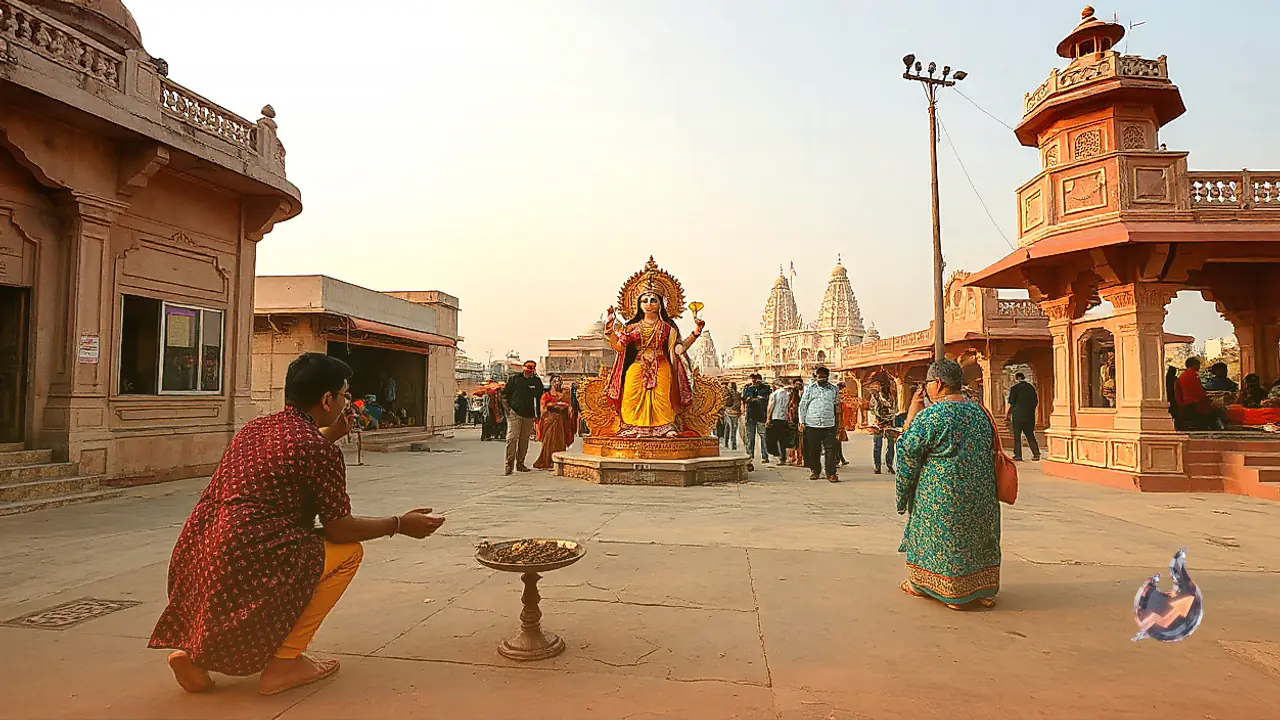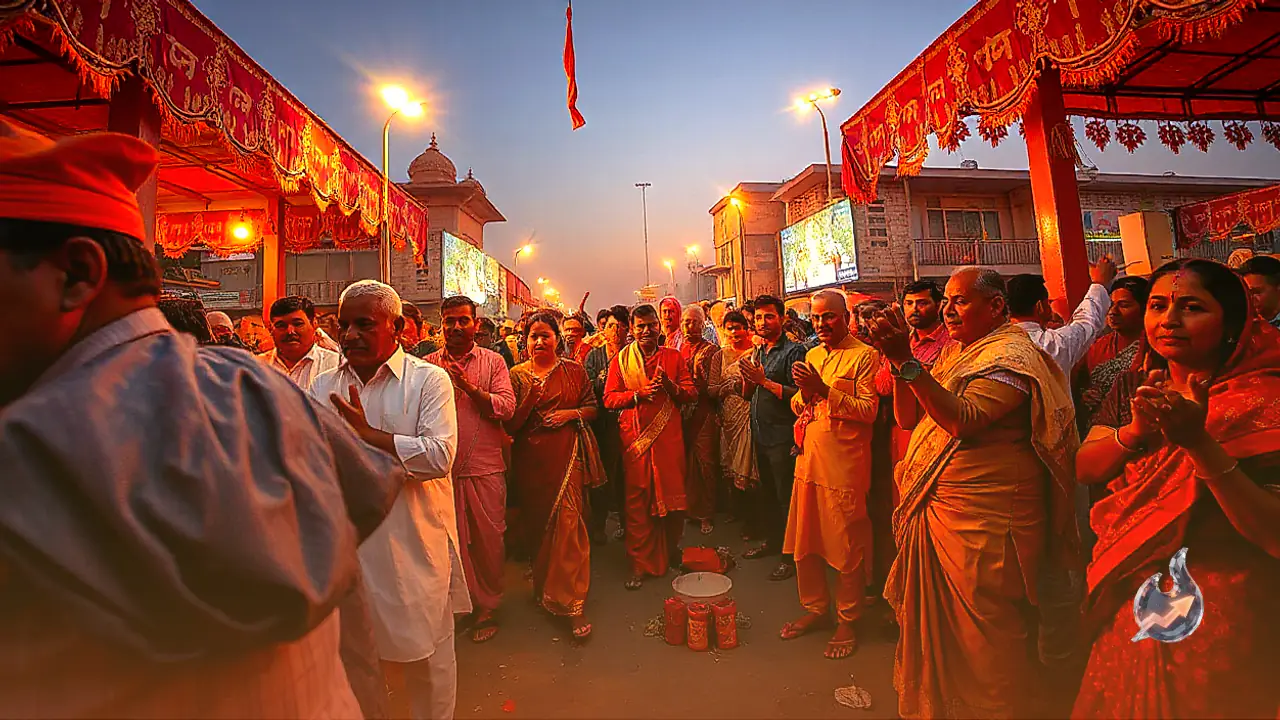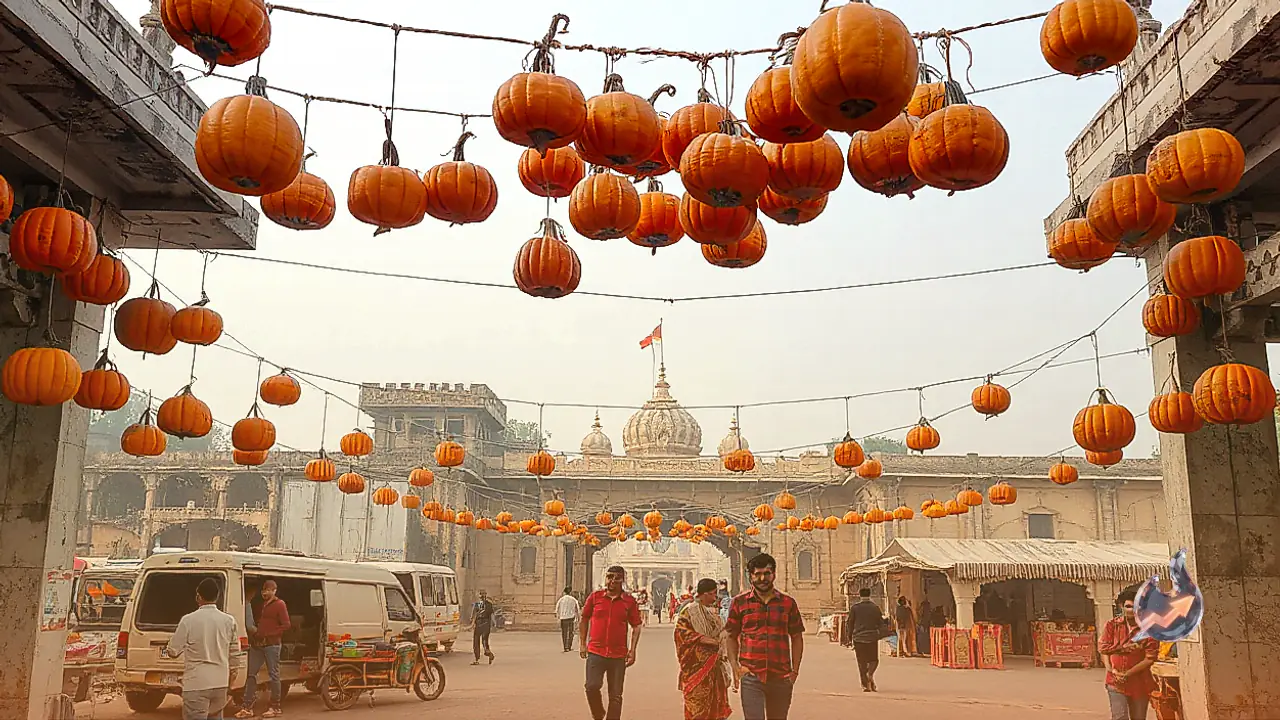






















In Sanatan tradition, the Dwadashi Tithi of the Krishna Paksha in the month of Kartik carries immense spiritual significance. Celebrated widely as Govatsa Dwadashi, this sacred occasion is also known across various cultural regions by names such as Bachh Dua, Bach Baras, and Vasu Dwadashi. According to differing traditional beliefs and regional calendars, Govatsa Dwadashi is also marked on the Krishna Paksha Dwadashi of the Bhadrapada month. Central to this festival is the devotional worship of the mother cow and her calf. Devotees believe that fasting with complete devotion and performing ceremonial rituals for the cow and calf brings lasting peace, boundless prosperity, and happiness to the entire family while helping overcome various life struggles.
Blessings for Progeny and Sacred Legends
From a scriptural perspective, observing the Govatsa Dwadashi fast holds special importance for individuals and couples seeking the joy of having children. It is also observed by parents praying for the good health, well-being, and longevity of their offspring. This occasion is deeply rooted in sacred lore surrounding the Dwapara Yuga. Tradition holds that following the divine appearance of Lord Krishna, Mother Yashoda had her very first sighting of the mother cow on the Dwadashi Tithi of Kartik Krishna Paksha and performed her formal ritual worship on this day. Because of this divine connection, honoring the cow and calf during this festival is believed to bring blessings from all divine beings, securing in particular the divine grace of Lord Vishnu.
Ceremonial Puja Rituals for Cow and Calf
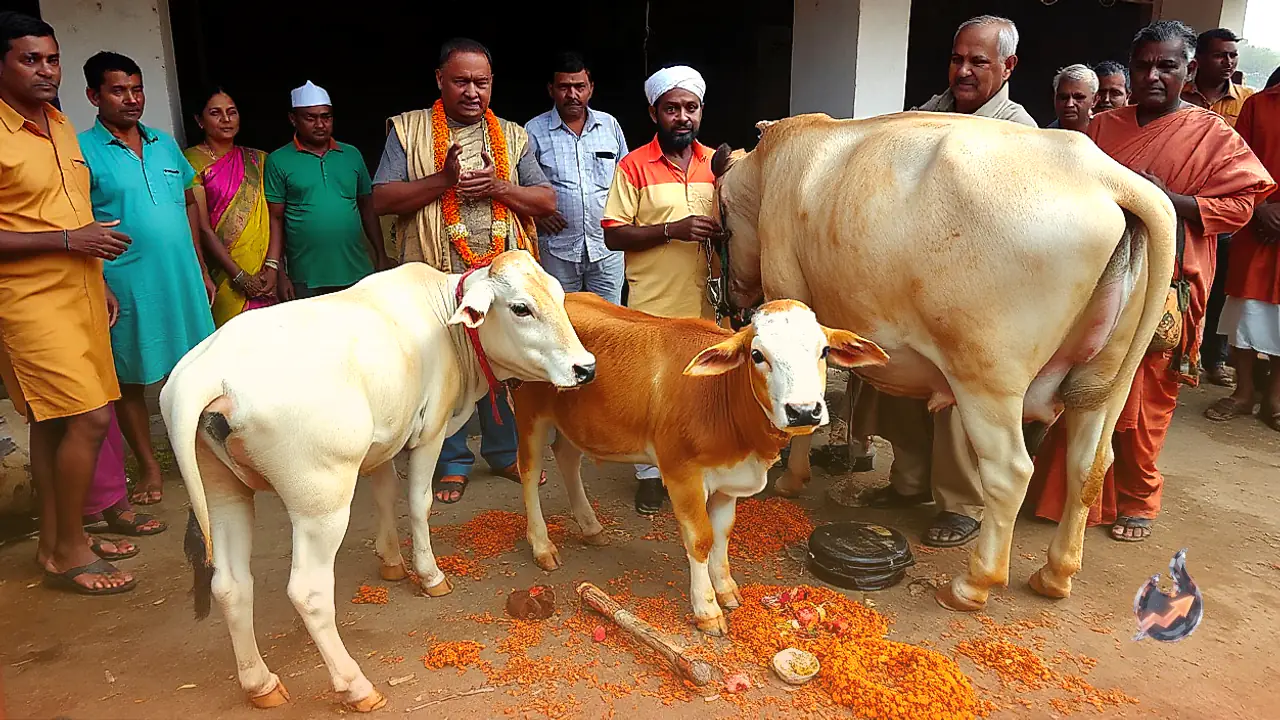
The observance of Govatsa Dwadashi commences in the early morning hours with steadfast devotion. The worshipper begins the day by taking a bath at dawn, wearing clean clothes, and taking a solemn vow for the fast. The cow and her young calf are then thoroughly bathed with pure, clean water. After being gently dried with a clean cloth, both animals are adorned with fresh new garments and fragrant flower garlands around their necks. Following this, sacred tilak made of vermilion or sandalwood paste is reverently applied to their foreheads, and their horns are decorated with geru paste as part of the ceremonial decoration.
Offering Arghya and the Sacred Chant
Once the cow and calf have been decorated, devotees perform the vital ritual of offering Arghya. A sacred vessel is filled with water mixed with akshat grains, sesame seeds, fragrant gandha, and fresh flowers. Devotees then chant the prescribed sacred verse while offering this holy water specifically at the forefeet of the cow and calf.
Kshirodarnava Sambhoote Surasura Namaskrite.
Sarvadevamaye Matar Grihanarghyam Namo Namah.
The profound meaning of this sacred Sanskrit verse is a reverent petition: O divine Mother, embodiment of all deities, who emerged during the churning of the cosmic ocean of milk and is venerated by both gods and demons, I bow to you repeatedly; please kindly accept this Arghya presented by me.
Bhog Offering, Aarti, and Fasting Practices
After offering the sacred Arghya, devotees present pure food offerings to the cow and her calf. A ghee lamp is then lit to perform a devotional aarti of both animals, seeking their blessings while praying for the prosperity, health, and harmony of the family. Having completed these sacred rituals, devotees observe a day-long fast. The fast is traditionally concluded in the evening by partaking in fruits and allowed non-grain items. Some practitioners observe this sacred fast extended across three consecutive days while consuming strictly fruit-based meals.
Important Dietary Restriction to Remember
A crucial rule distinguishes the observance of Govatsa Dwadashi from other fasts. On this sacred day, consuming cow milk or any dairy preparation derived from cow milk, including curd, butter, paneer, and sweets, is strictly forbidden. The underlying belief is that on this occasion, the milk of the cow belongs entirely and rightfully to her calf. Therefore, all devotees observing the fast must take special care to avoid all products derived from cow milk in their diet.