


















The Tritiya tithi of the Shukla Paksha in the month of Bhadrapada holds immense spiritual significance in the Hindu calendar. On this auspicious occasion, the festival of Hartalika Teej is celebrated with deep devotion and sacred enthusiasm. In 2026, this revered fast will be observed on Monday, September 14. Married women eagerly await this annual festival, undertaking the fast to pray for the longevity, health, and prosperity of their husbands and family members. Simultaneously, unmarried maidens observe the ritual with equal faith to seek a desirable life partner.
Legendary Origins Behind the Waterless Fast
The defining feature of Hartalika Teej is the Nirjala Vrat, a demanding fast performed without consuming even a drop of water or food throughout the day. According to sacred scriptures, this rigorous tradition originates from the severe penance undertaken by Goddess Parvati. Desiring Lord Shiva as her consort, Goddess Parvati retreated into dense forests and engaged in intense austerities without food or water. Moved by her unshakeable devotion and resolute commitment, Lord Shiva accepted her as his wife. To honor Goddess Parvati's sacrifice and divine devotion, women continue to observe this strict waterless fast to this day.
Significance of Solah Shringar and Night Vigil
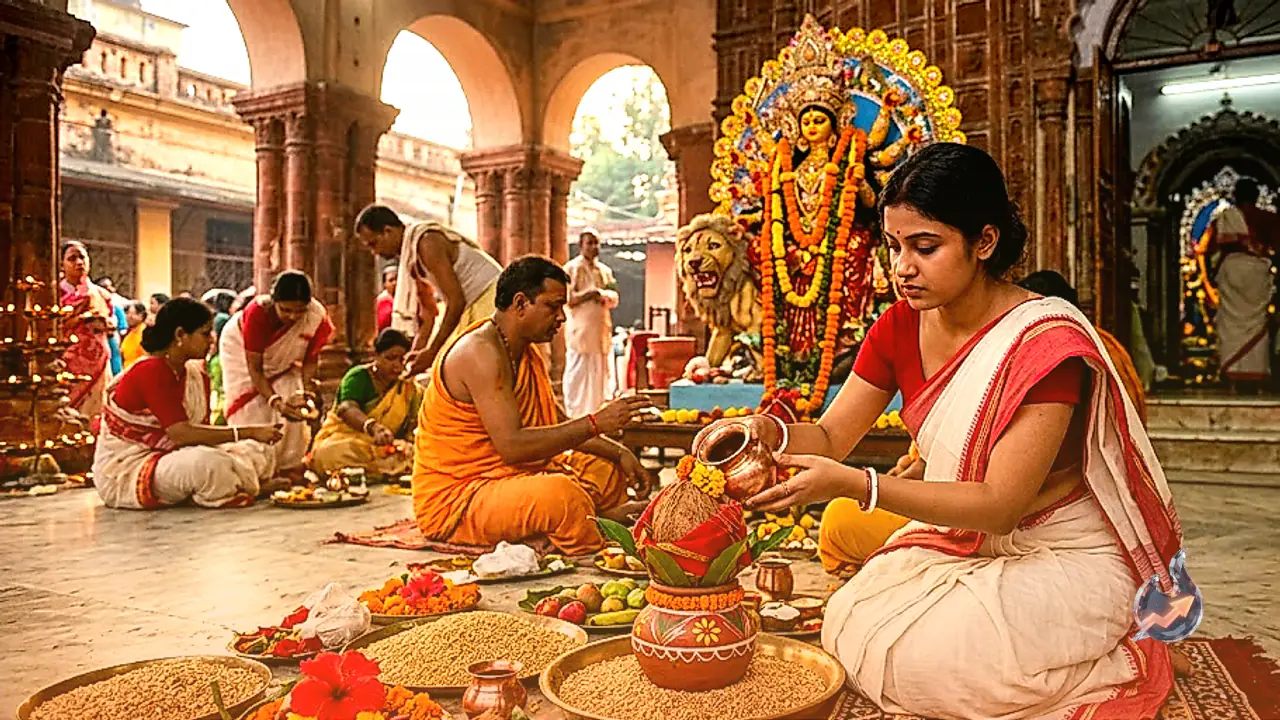
Beyond its ascetical nature, Hartalika Teej celebrates the profound emotional bond and sacred unity between husband and wife. Women observing the fast dress in festive attire and adorn themselves with Solah Shringar, the sixteen traditional adornments representing matrimonial bliss and good fortune. During the evening worship, these items of marital grace, including vermilion, bangles, henna, and sacred cloth, are offered to Goddess Parvati. Another vital custom of this festival is the Ratri Jagaran, or night-long vigil, where devotees gather to sing devotional hymns and recite prayers dedicated to the divine couple.
Auspicious Timings and Puja Muhurta
To perform the rituals of Hartalika Teej and seek divine blessings, specific time slots on September 14 are considered highly auspicious
- Morning Puja Period: The primary auspicious time for performing the ritual worship is scheduled between 5:00 AM and 7:06 AM on September 14.
- Brahma Muhurta: Devotees can also utilize the highly sacred Brahma Muhurta window spanning from 4:32 AM to 5:19 AM.
- Abhijit Muhurta: Additionally, performing prayers during the Abhijit Muhurta later in the day is also deemed spiritually beneficial.
Essential Guidelines and Ritual Procedures
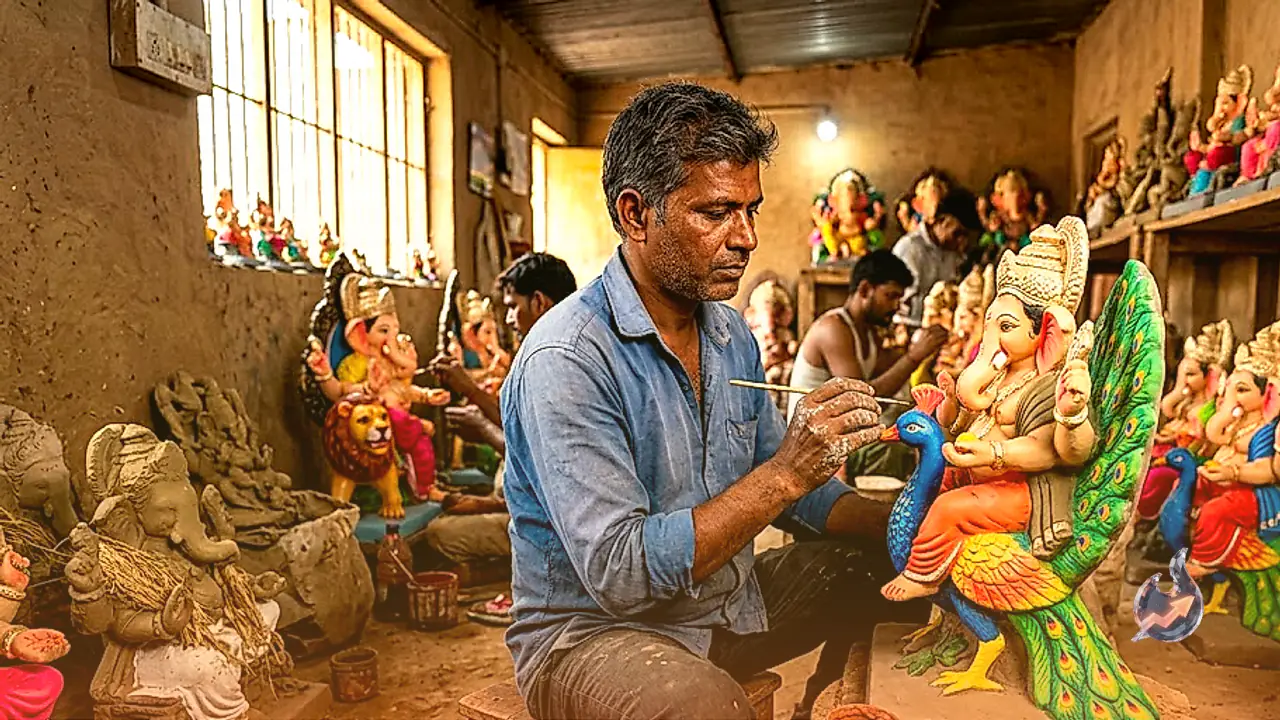
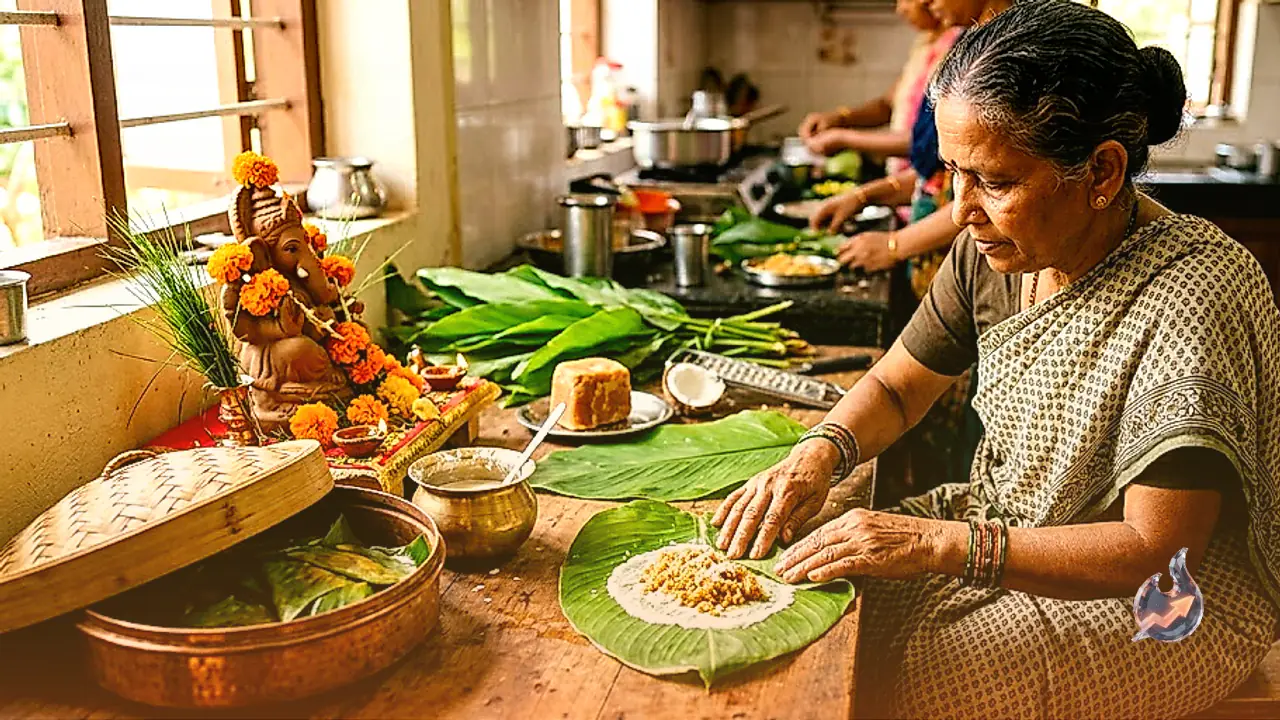
Strict adherence to traditional rules is expected during the observance of the Hartalika Teej fast. Devotees begin their day before sunrise by bathing and putting on clean, fresh clothes. The prayer space is meticulously cleansed, and clay idols of Lord Shiva, Goddess Parvati, and Lord Ganesha are established for worship. Goddess Parvati receives sacred offerings of marital adornment, while Lord Shiva is worshipped with sacred Bael leaves, fresh flowers, and water.
Reciting or listening to the sacred Hartalika Teej Vrat Katha forms an indispensable part of the ceremony, as the ritual is considered incomplete without hearing the story of Goddess Parvati's penance. Devotees are expected to maintain purity of mind, speech, and action throughout the day. While traditional guidelines dictate a complete waterless fast, individuals facing health challenges or physical constraints are advised to adapt their observance in accordance with their personal well-being. The fast is formally concluded on the following morning through traditional breaking-of-the-fast rituals after completing morning prayers.