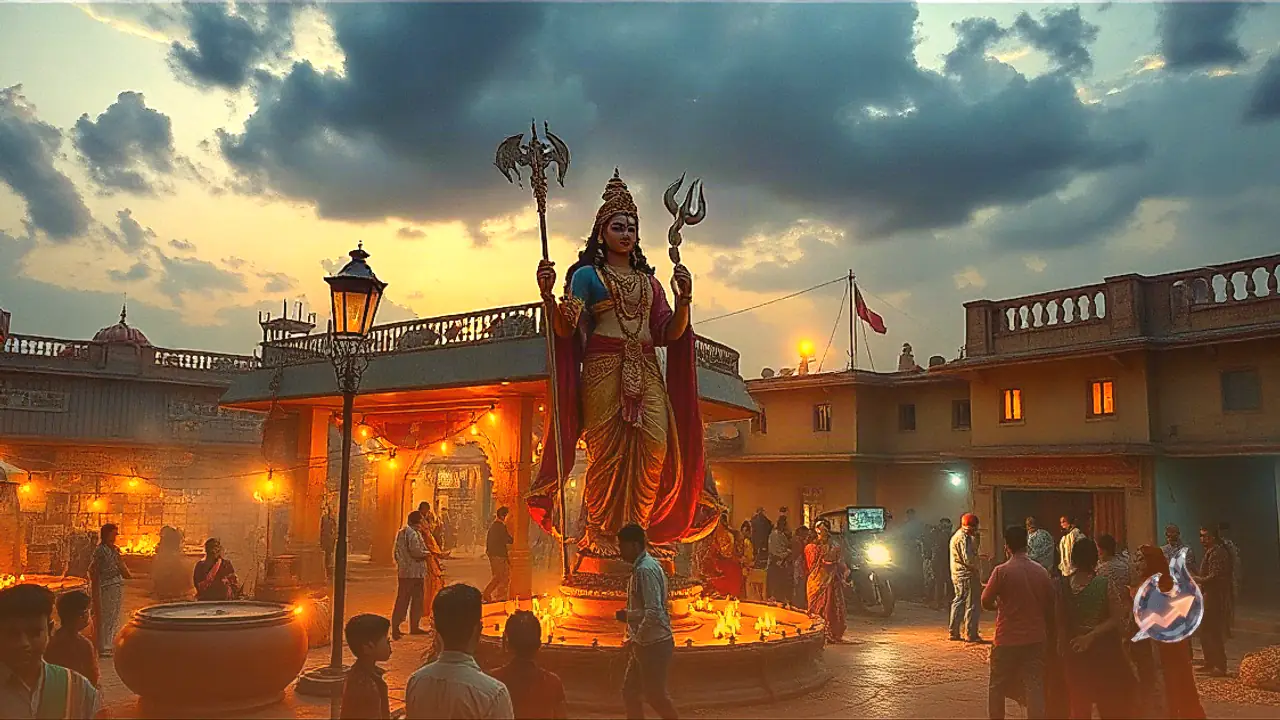



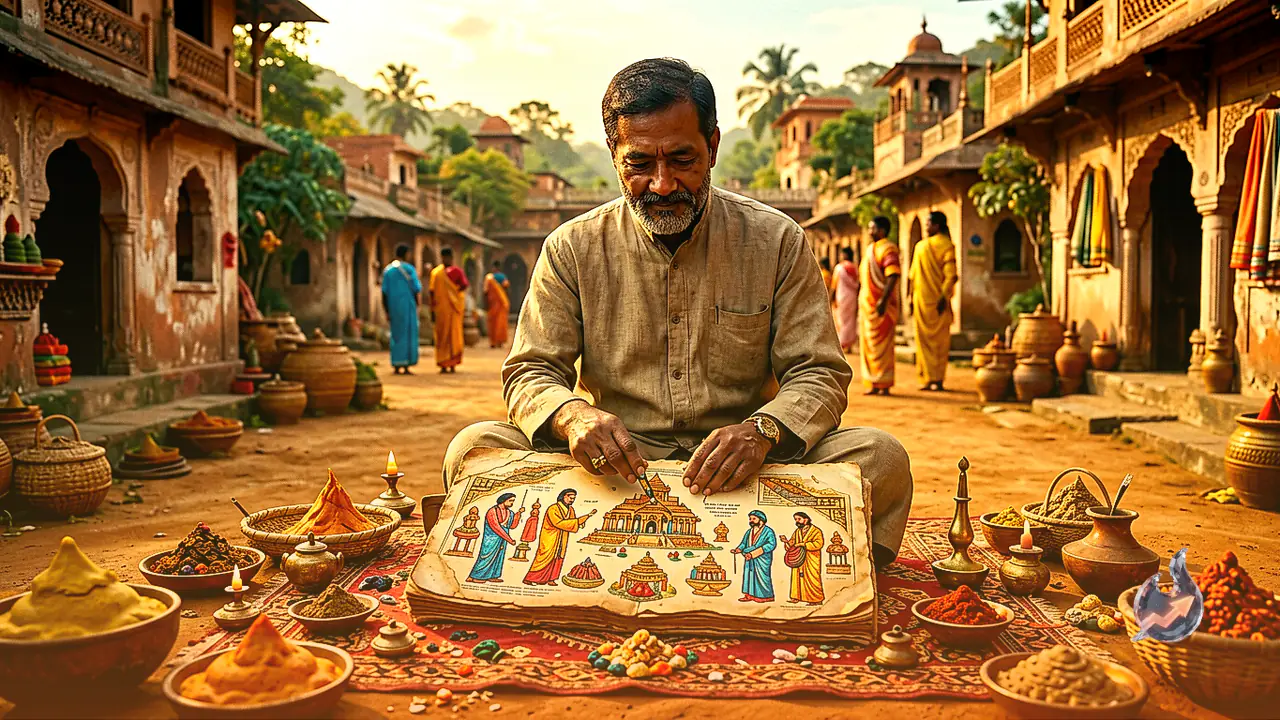




















The traditional festival of Saantu-Aathoo, deeply rooted in the cultural ethos and familial ties of the Kumaon region in Uttarakhand, is being celebrated with immense enthusiasm. Far more than a routine religious observance, this festival reflects the unique emotional bond between a daughter's maternal home and her in-laws' house. Observed on the Saptami and Ashtami tithis of the Bhadrapada month, the festival holds a distinct place in local heritage as Goddess Gaura is worshipped as an elder sister while Lord Shiva is revered as a brother-in-law. In Bageshwar district, the festival has brought widespread joy. In the tehsil area, the celebrations are being hosted with traditional rituals at the residence of senior journalist and trader Keshav Bhatt and businesswoman Sunita Bhatt, filling the atmosphere with devotion and folk music.
Preparations Begin on Panchami with Sacred Birud Soaking Ritual
The rituals associated with Saantu-Aathoo commence on the Panchami tithi. Local resident Madhuri Upadhyay explains that the traditional preparation begins with the soaking of Birud on Panchami day. This ritual involves selecting five distinct types of grains, including gahat, maize, wheat, kalyun, and other traditional pulses. After being thoroughly cleaned, these grains are placed in a vessel filled with water to soak. The preparation of Birud is considered a vital cornerstone of the festival, executed by women with meticulous adherence to purity and religious devotion. The ceremony marks the start of festive cheer and bustling activities across households in the region.
Gaura's Homecoming on Saantu and Shiva's Arrival on Aathoo
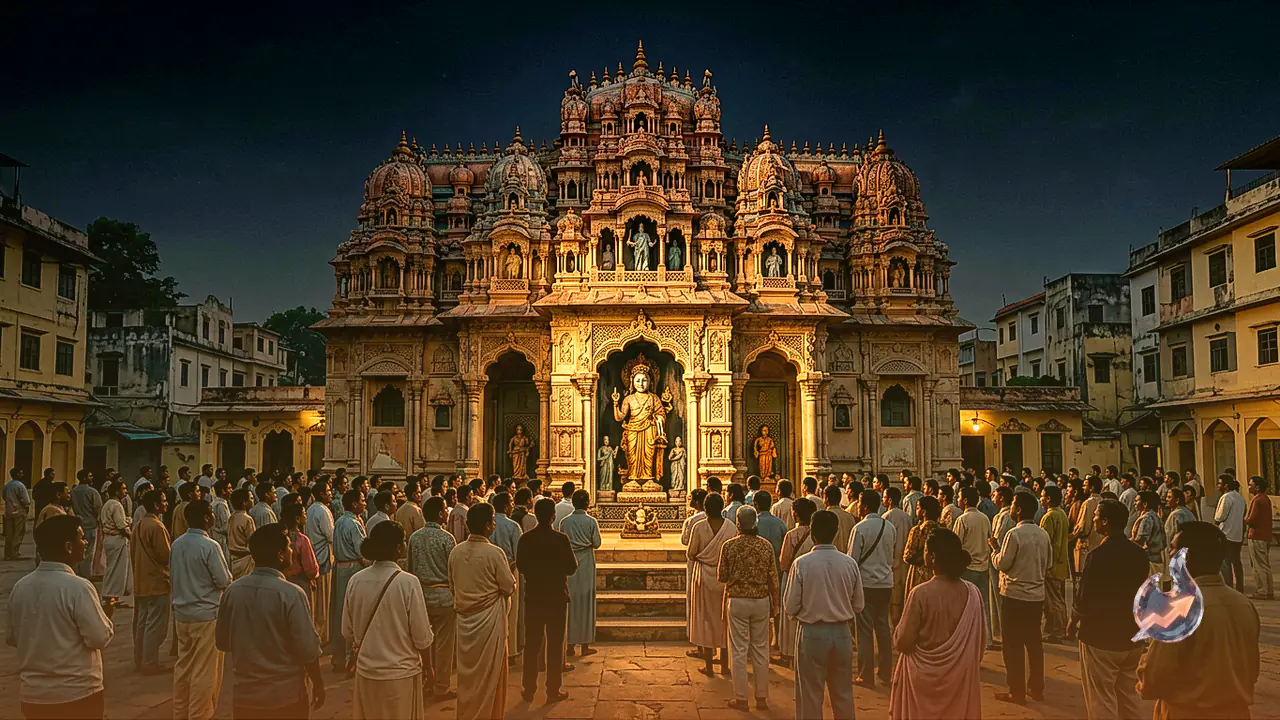
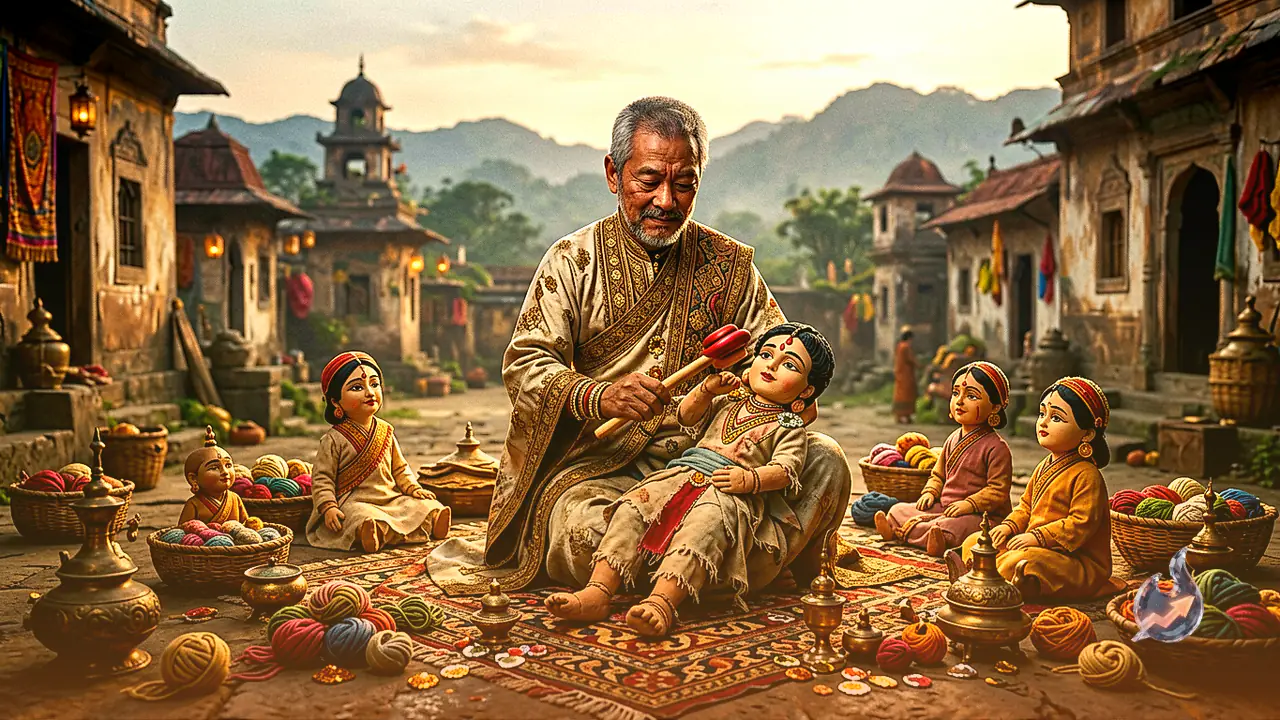
Elaborating on the mythological narrative, local expert Nikita Upadhyay shares that Saantu, celebrated on Saptami, marks the arrival of Goddess Gaura at her maternal home. According to folklore, Goddess Gaura visits her parents' house after getting upset, prompting women to welcome her warmly as their own sister or didi. Women observe fasts during this period to pray for the health, prosperity, and longevity of their family members. Describing the subsequent phase, local scholar Mohini Upadhyay states that on Aathoo, or Ashtami tithi, Lord Shiva, referred to as Maheshwar, arrives at his in-laws' home to take Goddess Gaura back. This occasion signifies the divine reunion of Gaura and Mahesh. Women offer prayers to Lord Shiva addressing him as their brother-in-law or jijaji, singing folk ballads that recount the domestic life and sacred relationship between the divine couple.
Resonating Folk Traditions of Jhoda, Chanchari and Hudka Beats
The spirit of Saantu-Aathoo extends into open courtyards through lively music and community dance. Local resident Kamala Upadhyay highlights that women gather in groups to perform traditional Jhoda and Chanchari folk songs. Accompanied by the rhythmic beats of the traditional percussion instrument known as the Hudka, these performances express deep reverence for Gaura and Mahesh while portraying the nuances of mountain life and familial affections. The musical gatherings serve as a vital medium for women to unite, celebrate, and preserve their oral traditions.
Community Celebrations in Bageshwar and Traditional Immersion Rituals
In Bageshwar, the festival is being observed with full devotion at the home of Keshav Bhatt and Sunita Bhatt. Women are actively involved in preparing puja materials, arranging Birud, and conducting ritualistic worship. The residence remains filled with devotional chants and traditional melodies, providing locals an opportunity to reconnect with their ancestral culture. The multi-day festival concludes with the final worship of Gaura and Mahesh, followed by the immersion of the sacred figures and Birud in local temples, rivers, or natural water sources, marking the formal completion of the festival while reinforcing the community's commitment to sustaining their heritage.