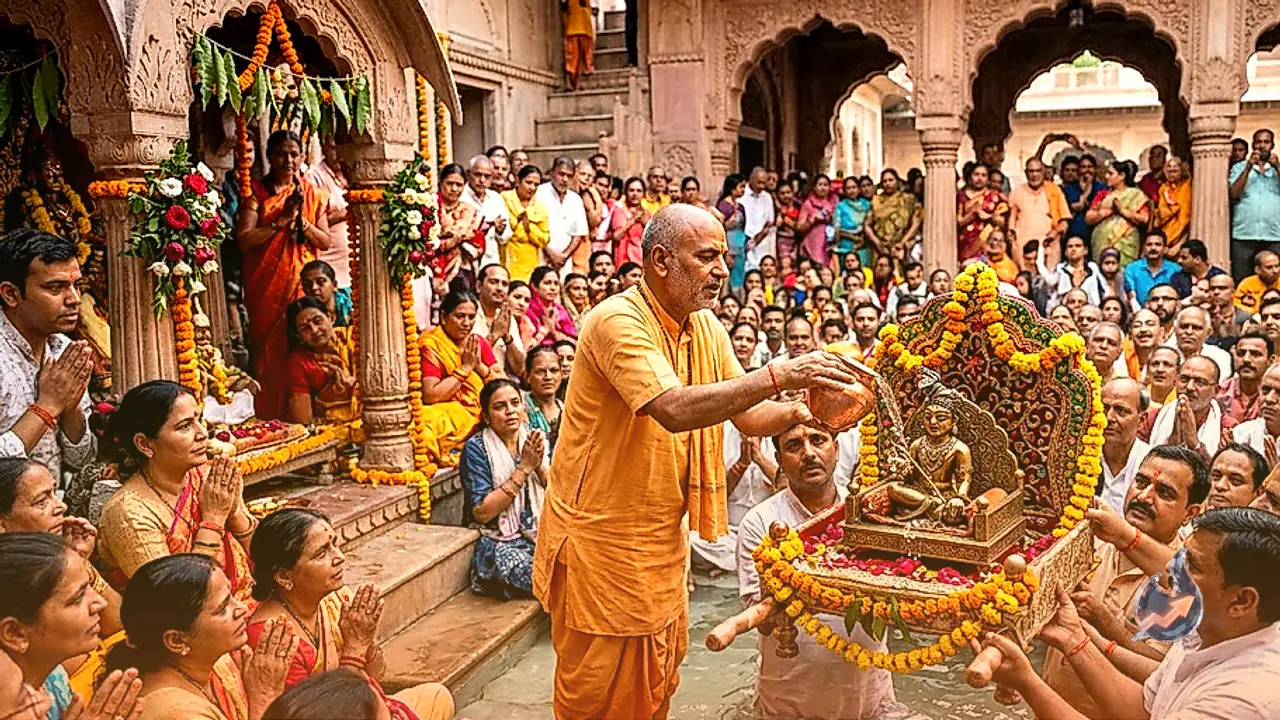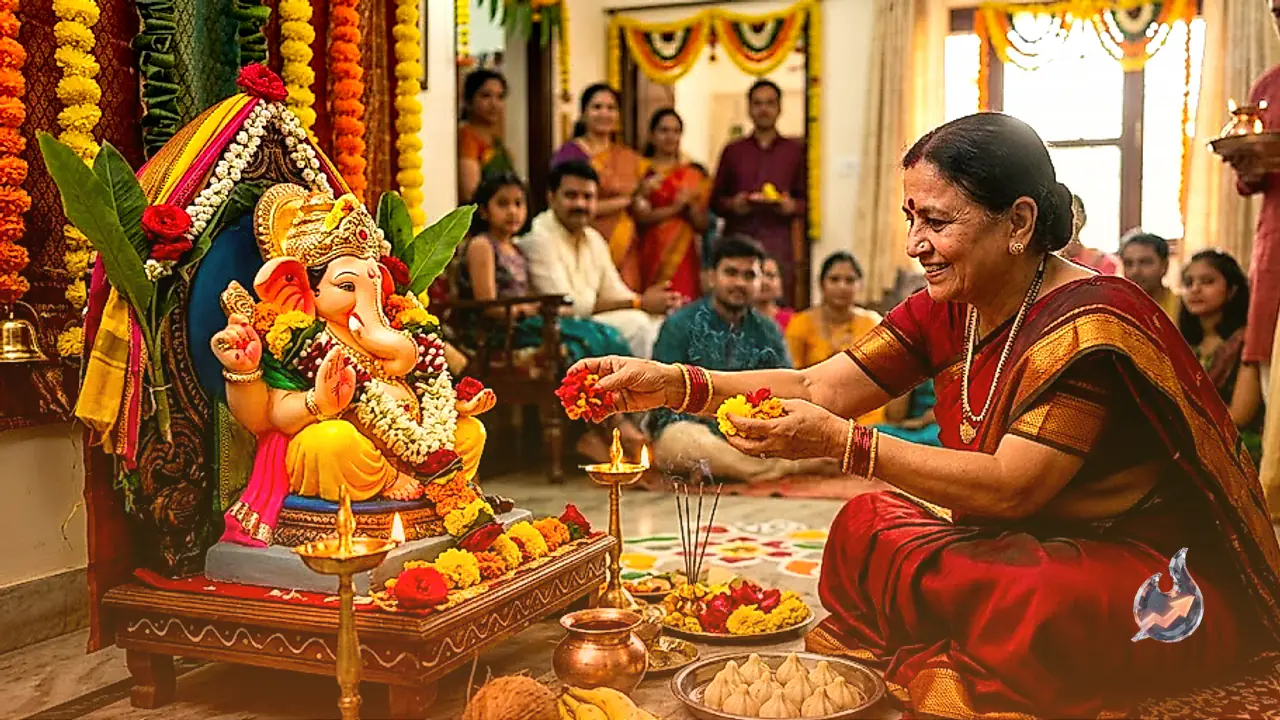























According to the traditional Hindu calendar, the festival of Radha Ashtami is celebrated with immense devotion and grandeur across Barsana and the entire sacred region of Braj on the Ashtami Tithi of Shukla Paksha in the month of Bhadrapada. In the year 2026, this auspicious day falls on Saturday, September 19. On this holy occasion, devotees observe a day-long fast and perform elaborate rituals to worship Lord Krishna and Radharani together, praying for global peace and the well-being of humanity. Religious scriptures state that those who observe fasts on both Krishna Janmashtami and Radha Ashtami are blessed with the fulfillment of all their heartfelt desires and ultimately attain liberation from the cycle of life and death.
Significance of Rituals and Special Offerings
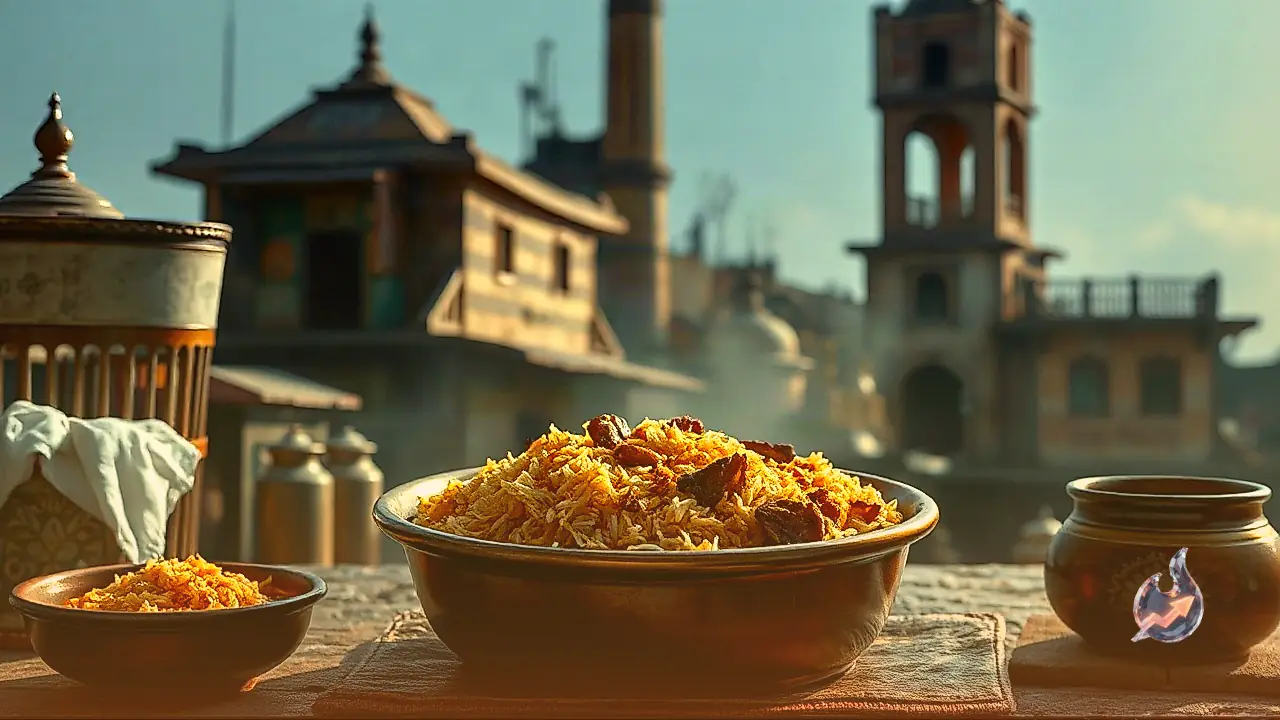
During the joint worship of Radha and Krishna on Radha Ashtami, devotees present unique food offerings that are traditionally believed to be highly favored by Radharani. In the devotional customs of the Braj region, immense importance is given to fresh milk, butter, candy sugar, and various pure vegetarian sweets. It is believed that presenting these clean, home-cooked delicacies to the deity invites spiritual abundance and prosperity into the household. Let us explore the traditional list of food items and sweets that are prepared during this festival to seek the special blessings of Radharani.
Radharani’s Most Beloved Vegetarian Delicacies
On Radha Ashtami, a wide range of vegetarian dishes, fresh seasonal fruits, and dairy products are presented as part of the ritual worship. The most popular offerings include
- Makhan-Mishri and Dhaniya Panjiri: The combination of fresh white butter mixed with rock candy is a legendary offering in Braj. Along with this, a special coriander seed powder mixture, known as Dhaniya Panjiri, is also prepared.
- Arbi (Colocasia): A unique aspect of this festival is the offering of Arbi. It is considered one of Radharani's most favorite vegetables and is prepared strictly without onion or garlic.
- Malpua: Deep-fried sweet pancakes soaked in sugar syrup, known as Malpuas, are prepared in several ancient temples of Braj during this festival.
- Kheer: A rich rice pudding made by slow-cooking rice in cow's milk, sweetened with sugar, and flavored with saffron and cardamom.
- Milk and Mishri: A simple yet highly pure offering consisting of warm milk paired with sugar candy, suitable for simple home rituals.
- Peda and Rabri: Traditional milk-based sweets, particularly the famous Mathura Pedas and thickened sweetened milk cream known as Rabri, are widely offered.
- Laddoo: Sweet round balls prepared from gram flour, semolina, or boondi are stacked neatly in the offering platter.
Fresh Fruits and Assorted Dry Fruits
For those who wish to perform a simplified worship ceremony at home, seasonal fruits serve as an excellent option. Fresh bananas, apples, juicy grapes, pomegranates, and whole coconuts are commonly placed before the altar as sacred offerings. Along with these, a combination of dry fruits is presented to the deities. This typically includes a mix of almonds, cashews, raisins, and lightly toasted foxnuts, creating a wholesome and nutritious offering.
The Sacred Panchamrut and Tulsi Leaves
No prayer ritual dedicated to Radha and Krishna is considered complete without the preparation of Panchamrut. This holy mixture is created using five nectar-like ingredients: raw milk, fresh yogurt, honey, clarified butter, and sugar. After using it during the bathing ritual of the deities, it is distributed among the devotees as the primary prasad. Furthermore, placing Tulsi leaves on every food item is a mandatory practice in this tradition, as it is believed that the divine couple only accepts offerings that are adorned with these sacred leaves.
How to Prepare and Distribute the Prasad at Home
To celebrate Radha Ashtami at home, ensure that the kitchen is thoroughly cleaned before beginning the preparation of any food item. Devotees can start by churning fresh cream at home to make butter, mixing it with candy sugar, and offering it in a clean vessel. Follow this by preparing simple sweets like kheer or malpua. Once the prayers are concluded, this sanctified food should be distributed with respect among family members and neighbors, fostering a sense of harmony and spiritual joy within the community.