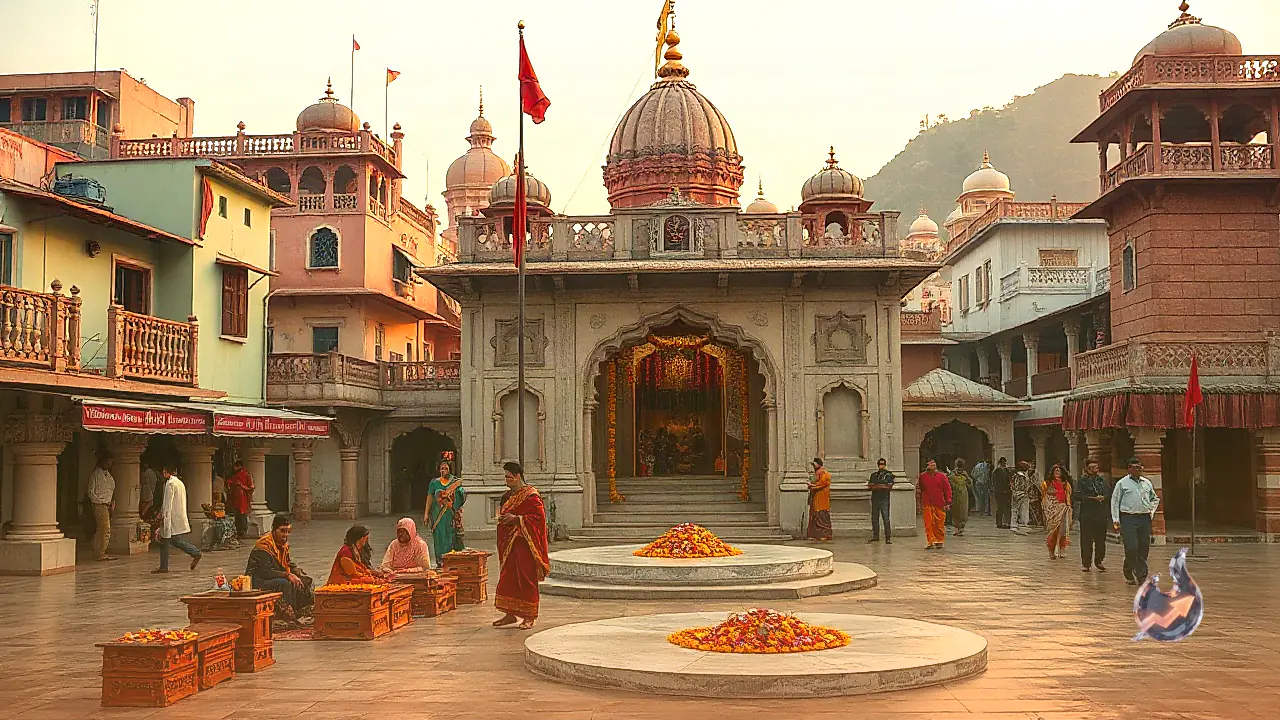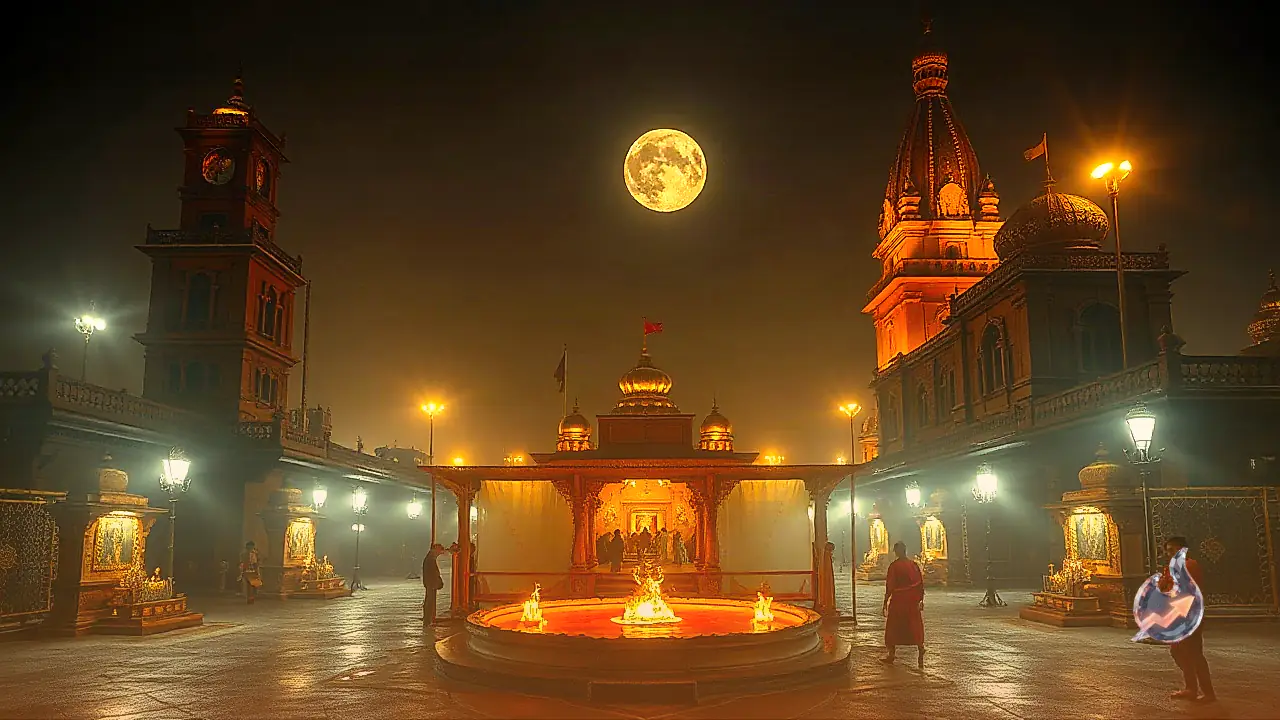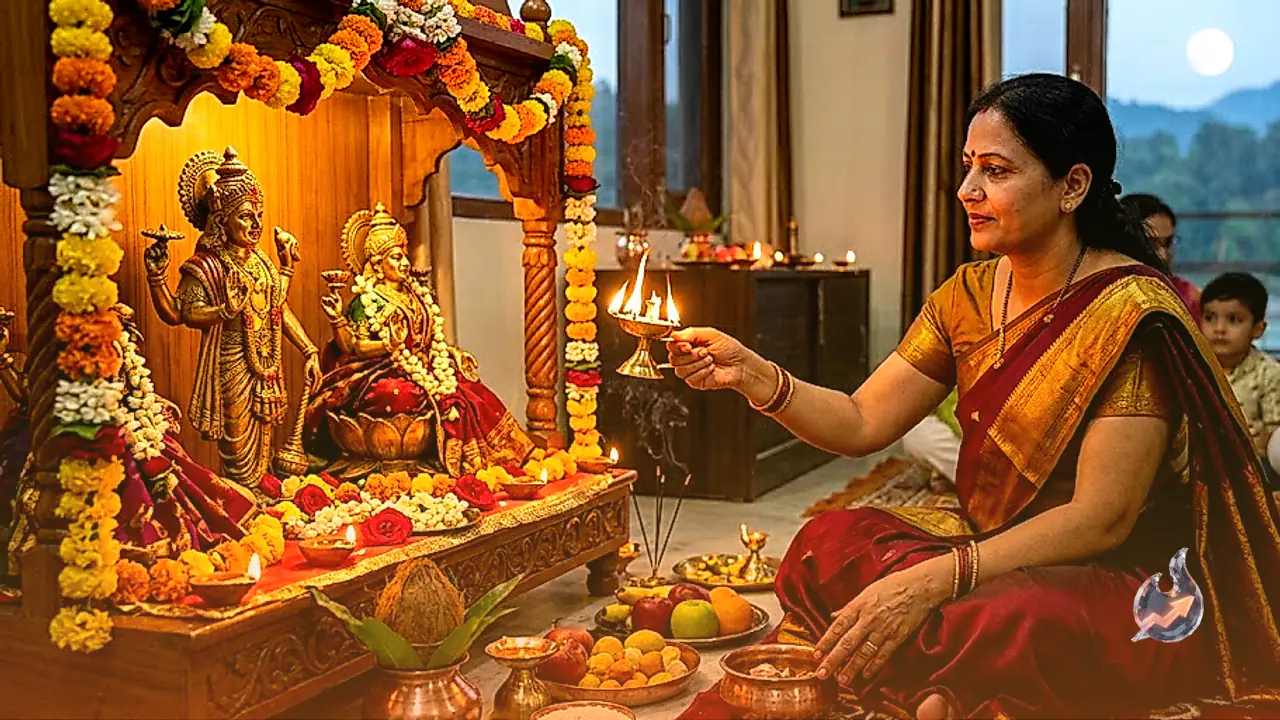



















Devotion to Bhagwan Shiv takes center stage during the holy month of Sawan, and this year features four Mondays dedicated to fasting and special worship. Among these, the third Sawan Somwar fast falling on 17 August 2026 is considered extraordinary and spiritually rewarding. On this auspicious date, the third Monday fast coincides directly with the festival of Nag Panchami. According to astrological calculations, this rare alignment occurs after a gap of 23 years, with the last such concurrence taking place in 2003. Worshipping Mahadev alongside Nag Devta on this day offers immense spiritual merit to devotees.
Rare Alignment of Nag Panchami and Somwar After 23 Years
According to religious beliefs, Nag Panchami is observed on the Panchami tithi of the Shukla Paksha in the month of Sawan. On 17 August, both the third Sawan Monday fast and the Shukla Paksha Panchami tithi coincide seamlessly. Astrologers highlight that such a rare combination last occurred 23 years ago in the year 2003. Performing Jalabhishekh and Rudrabhishekh for Bhagwan Shiv and Nag Devta on this occasion carries elevated spiritual weight. Participating in special rituals on this day is especially beneficial for mitigating astrological afflictions such as Kaal Sarp Dosh and Nag Dosh, as well as alleviating the adverse planetary influences of Shani, Rahu, and Ketu.
Five Major Auspicious Yogas Including Singh Sankranti
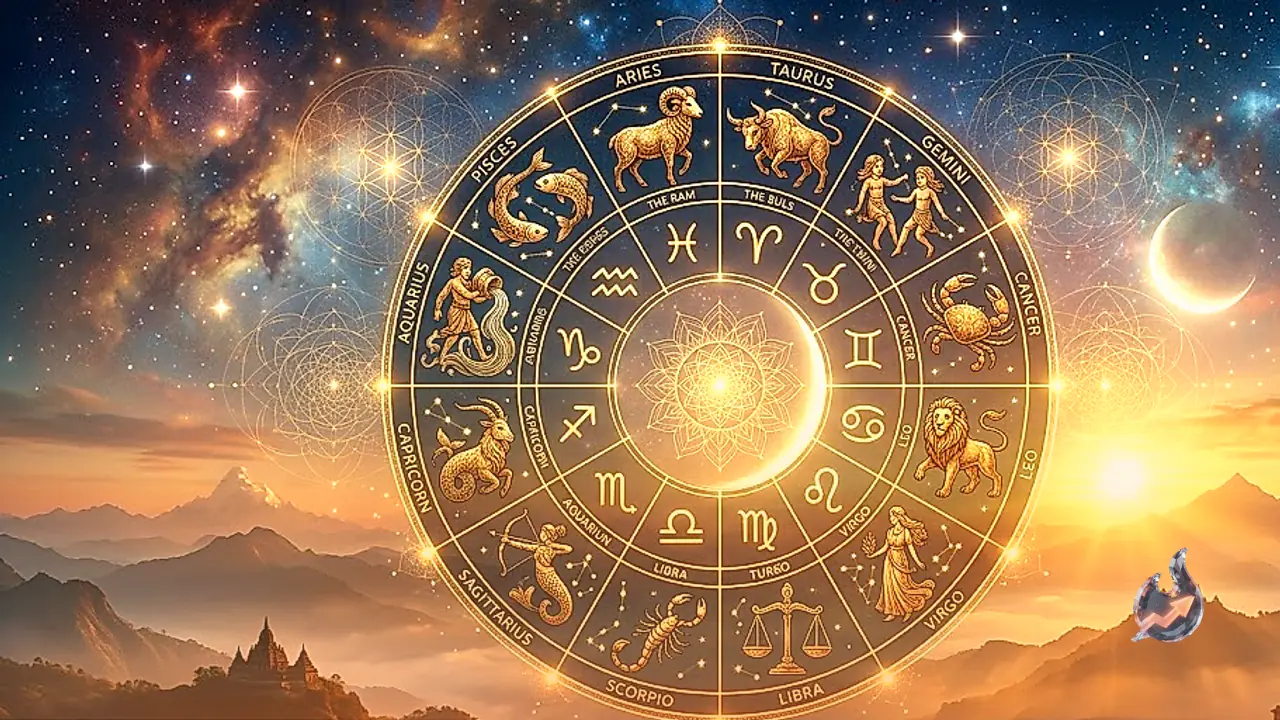
Beyond the convergence of Sawan Somwar and Nag Panchami, 17 August features several key celestial configurations. On this day, the Sun transits into Leo (Singh Rashi), marking Singh Sankranti. Alongside Singh Sankranti, five powerful auspicious yogas form simultaneously
- Ravi Yog: A celestial combination associated with success in endeavors and good health through the blessings of Sun.
- Trigrahi Yog: A rare planetary alignment formed by the presence of three major planets in a single zodiac sign.
- Hansraj Yog: An auspicious yoga that enhances honor, wisdom, and professional elevation.
- Budhaditya Yog: A favorable combination boosting intellect, commercial success, and career progression.
Observing a fast and performing ceremonial worship of Bhagwan Shiv and Mata Parvati during these celestial conditions is believed to eliminate negative influences from households while fostering peace, harmony, and prosperity.
The Deep Connection Between Lord Shiva and Nag Devta
Worship of serpent deities on Nag Panchami holds deep roots in Sanatan tradition. Serpent iconography is closely associated with Bhagwan Shiv, who wears the serpent Vasuki around his neck. Consequently, the simultaneous arrival of Nag Panchami and Sawan Somwar is regarded as sacred. Devotees visit Shiv temples to offer water on the Shivling while also offering reverent prayers to Nag Devta. Worshippers pray for family well-being, protection from crises, and domestic harmony on this day.
The Legend of Samudra Manthan and Ritual Worship Rules
The tradition of offering water to Shivling during Sawan traces back to the mythological event of Samudra Manthan. As legends recount, when lethal poison (Vish) emerged during the churning of the ocean, Lord Shiva consumed and held it in his throat to protect creation. To cool the intense heat caused by the poison, devtas performed abhishekh of Lord Shiva using sacred water and holy substances. This initiated the ongoing practice of offering water on the Shivling throughout the month of Sawan.
For the Sawan Somwar fast, devotees begin the day early with a ritual bath and take a solemn vow (sankalp) for fasting. Visiting a Shiv temple, they perform Jalabhishekh by offering water, milk, Gangajal, Belpatra, Dhatura, Bhasma, and fresh flowers on the Shivling. Reciting the Om Namah Shivaya mantra and reading the Shiv Chalisa during worship completes the traditional observance, seeking Lord Shiva's blessings for the fulfillment of all righteous desires.