















The joyous occasion of Sri Krishna Janmashtami fills devotees with immense devotion as they spend the entire day immersed in prayers. When the clock strikes midnight and the auspicious moment of Kanha's divine birth arrives, a common dilemma arises among those keeping the fast: should the fast be broken right away at midnight, or is it better to wait until sunrise the following day? Understanding the traditions and rituals associated with breaking this sacred fast helps devotees observe the festival with complete peace of mind and adherence to age-old customs.
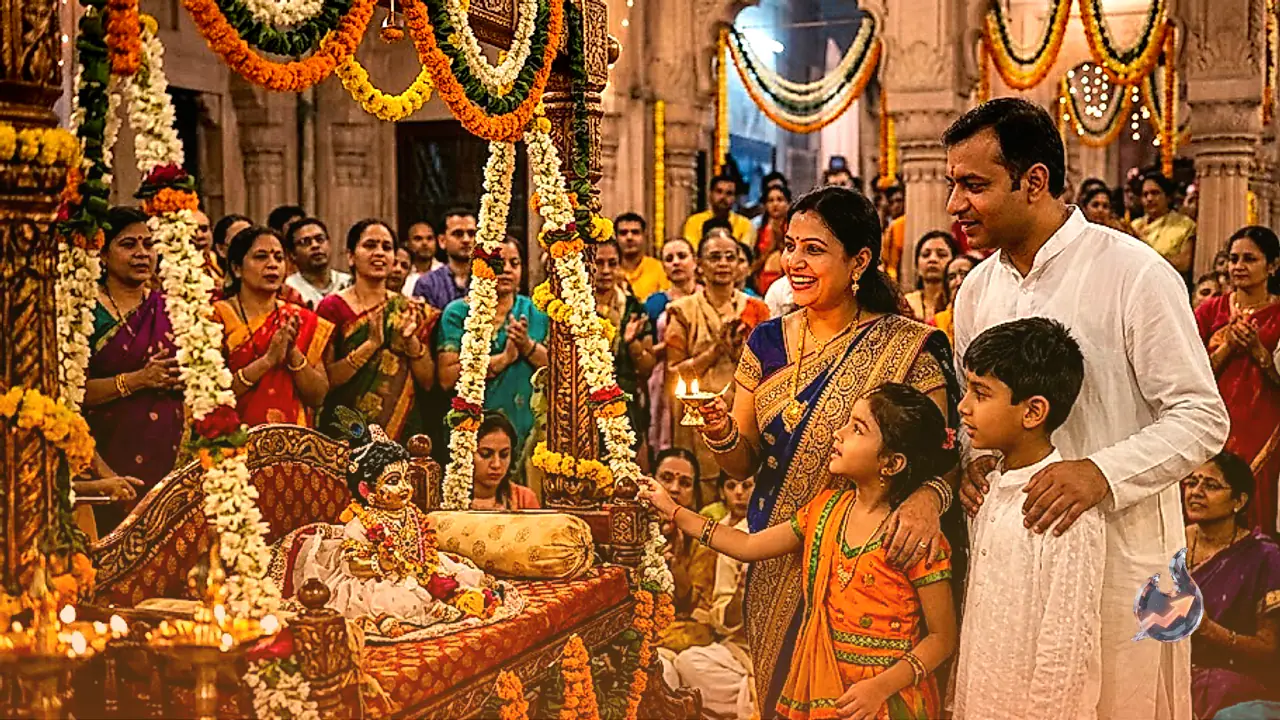
According to ancient scriptures, Lord Krishna manifested during the Ashtami tithi of the Krishna Paksha in the month of Bhadrapada under the Rohini nakshatra. This is precisely why Laddoo Gopal is bathed with panchamrit, adorned in new attire, and worshipped with grand aartis right around midnight. Following the rituals, Lord Krishna is offered makhan-mishri, panjeeri, and fresh fruits. This joyous celebration sets a deeply spiritual tone, allowing families to follow their ancestral traditions regarding when and how the fast should be concluded.
Breaking the Fast at Midnight or Sunrise
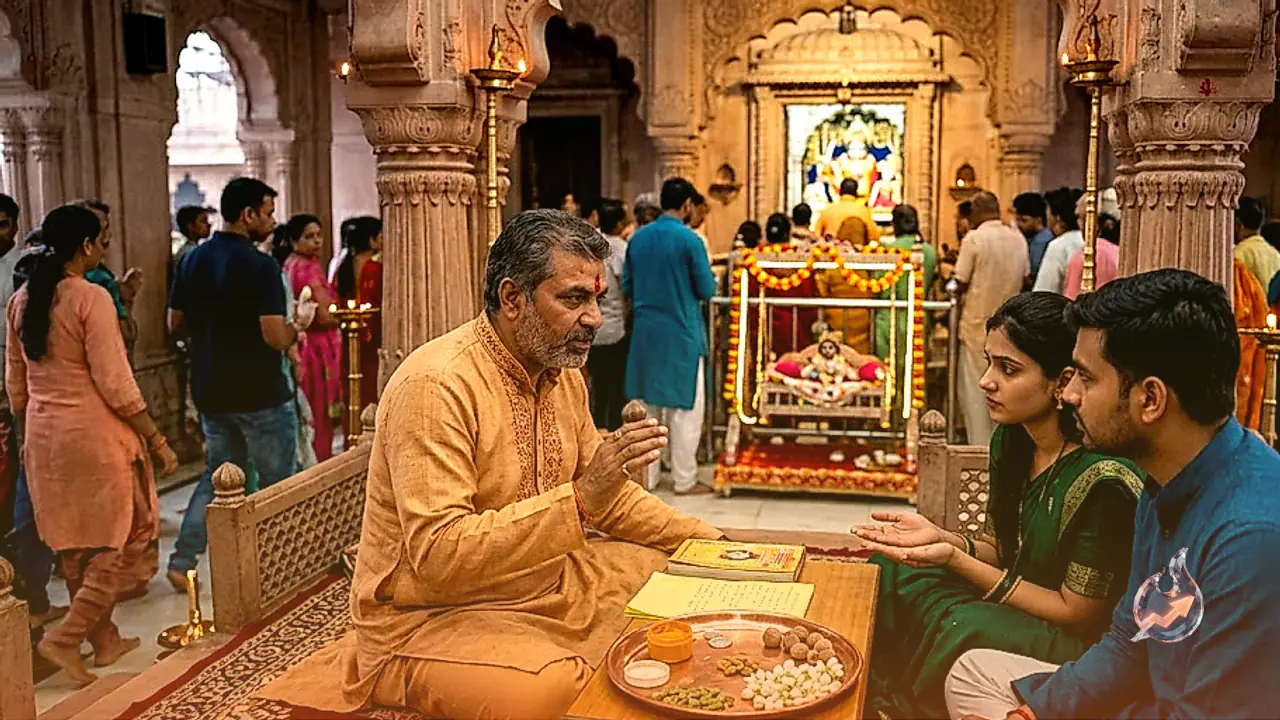
Many worshippers choose to break their fast immediately after the midnight birth celebration and worship conclude. On the other hand, some families strictly prefer to wait until sunrise the next morning for the parana. For this year, the auspicious time to open the fast is noted as after 6:08 AM on September 5, 2026. Concluding the fast after the completion of the Ashtami tithi and Rohini nakshatra is considered highly auspicious, though the final decision often rests on regional and familial customs.
Start With Sacred Prasad
When the time comes to break the fast, it is considered essential to consume the Prasad offered to Lord Krishna first. Partaking in charanamrit or panchamrit is the traditional way to begin, followed by makhan-mishri, coriander panjeeri, fresh fruits, or other light foods. Since the body has remained without regular food for a prolonged period, heavy meals should be strictly avoided immediately to ensure proper digestion and well-being.
Guidelines for Fasting and Dietary Choices
Devotees observe Janmashtami fasts either without water or with fruits, depending on their personal health and family traditions. Permissible items during a fruit-based fast include fresh fruits, milk, curd, makhana, and rock salt, while regular grains and lentils are kept away from the diet. Those who observe a strict nirjala fast go without any food or water throughout the day, dedicating every single moment to prayers and spiritual reflection.
Nightlong Vigil and Celebrations
Remaining awake throughout the night until the birth celebration is a core tradition of Janmashtami. Throughout the night, devotees engage in devotional singing, chanting hymns, and remembering the divine playful acts of the Lord. The midnight arrival brings joyous celebrations, conch shell blowing, and elaborate aartis, making the nightlong vigil a spiritually uplifting experience for everyone involved.