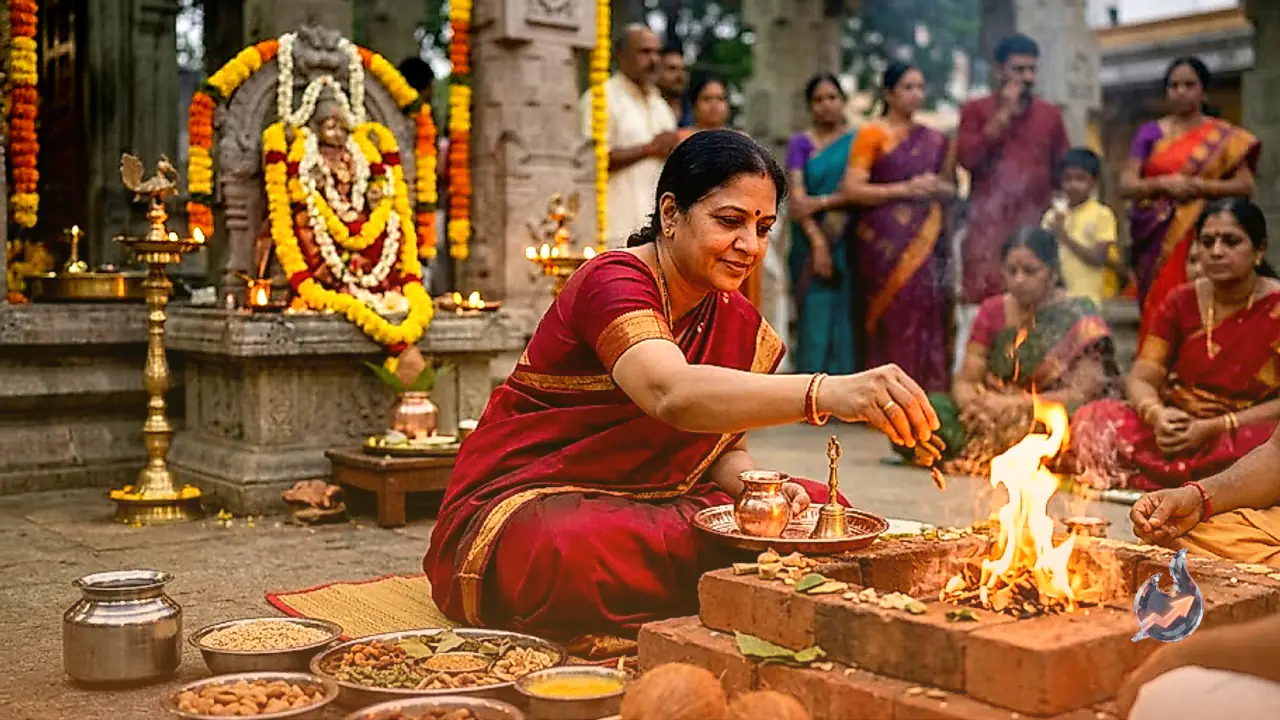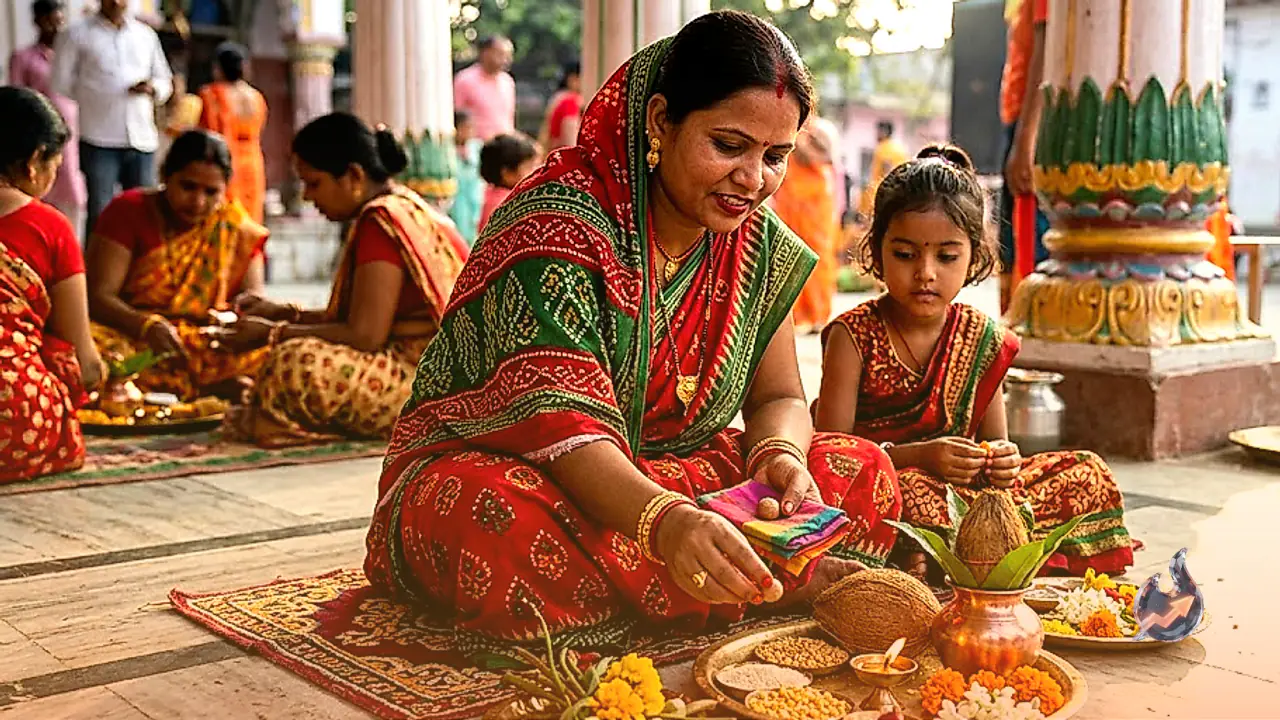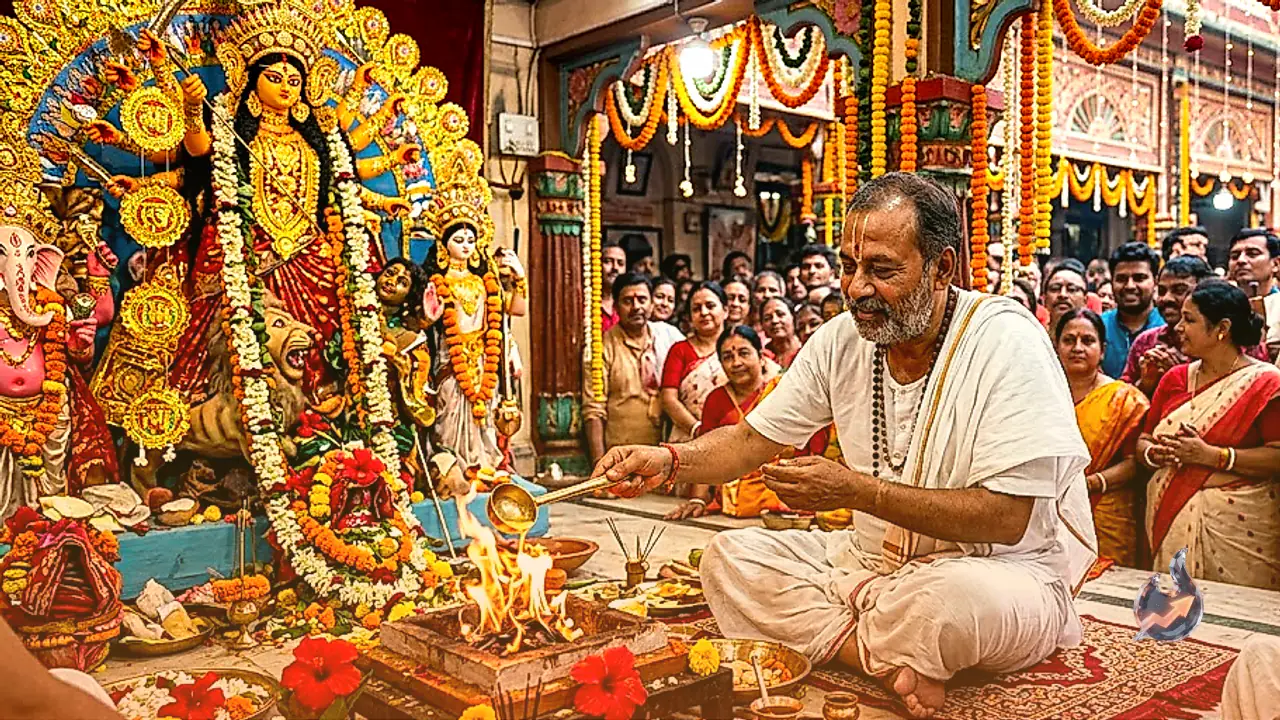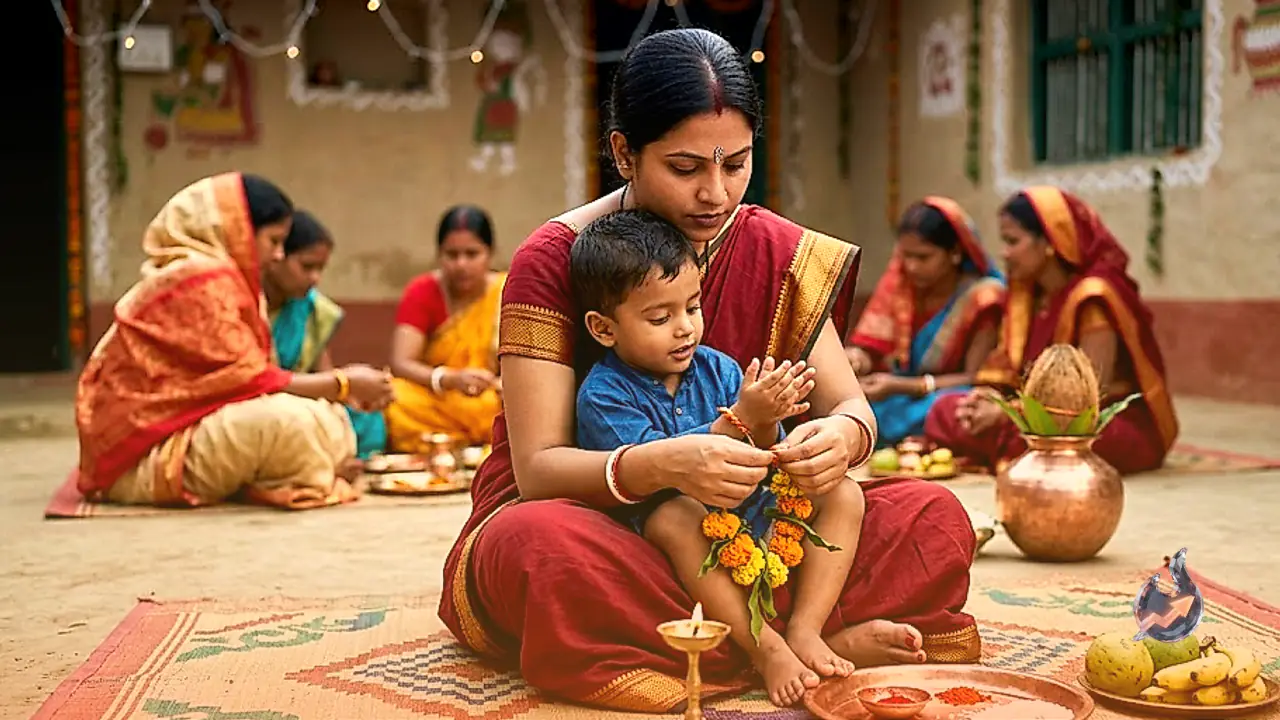

















Observed with deep devotion and maternal dedication, the Jitiya festival represents an intense spiritual austerity where mothers observe a waterless fast for the longevity, health, and prosperity of their children. Dedicated to Lord Jimutavahana, this revered ritual is celebrated widely across Bihar, Jharkhand, Uttar Pradesh, and adjoining areas. Tradition holds that carrying out these prayers with genuine devotion blesses children with a long life, vibrant health, and protection against adversities. A pivotal element of this spiritual practice is the strict adherence to the correct timing for breaking the fast, as scriptural traditions dictate that the concluding ritual must take place only within an auspicious period.
Auspicious Timing for Jitiya Paran
According to the traditional calendar, Jitiya fast concludes on the Navami tithi following the end of Ashtami. For the year 2026, the strict waterless observance takes place on October 3, while the concluding fast-breaking ceremony, known as Paran, will be carried out on Sunday, October 4, 2026. The prescribed auspicious time to perform Paran begins after 7:28 AM on the morning of October 4. Completing the fast during the Navami tithi is regarded as the most auspicious practice. Fasting mothers should formally conclude their penance only after this specific hour by sipping consecrated water and subsequently partaking in food.
Step-by-Step Ritual to Break the Fast
On the morning of Paran, devotees should wake up prior to sunrise and perform their morning ablutions before changing into clean clothes. Take a copper vessel filled with clean water, add unbroken raw rice grains and fresh red flowers, and offer Arghya to the rising Sun. Following the solar tribute, light an incense stick and a sacred lamp in the household prayer space.
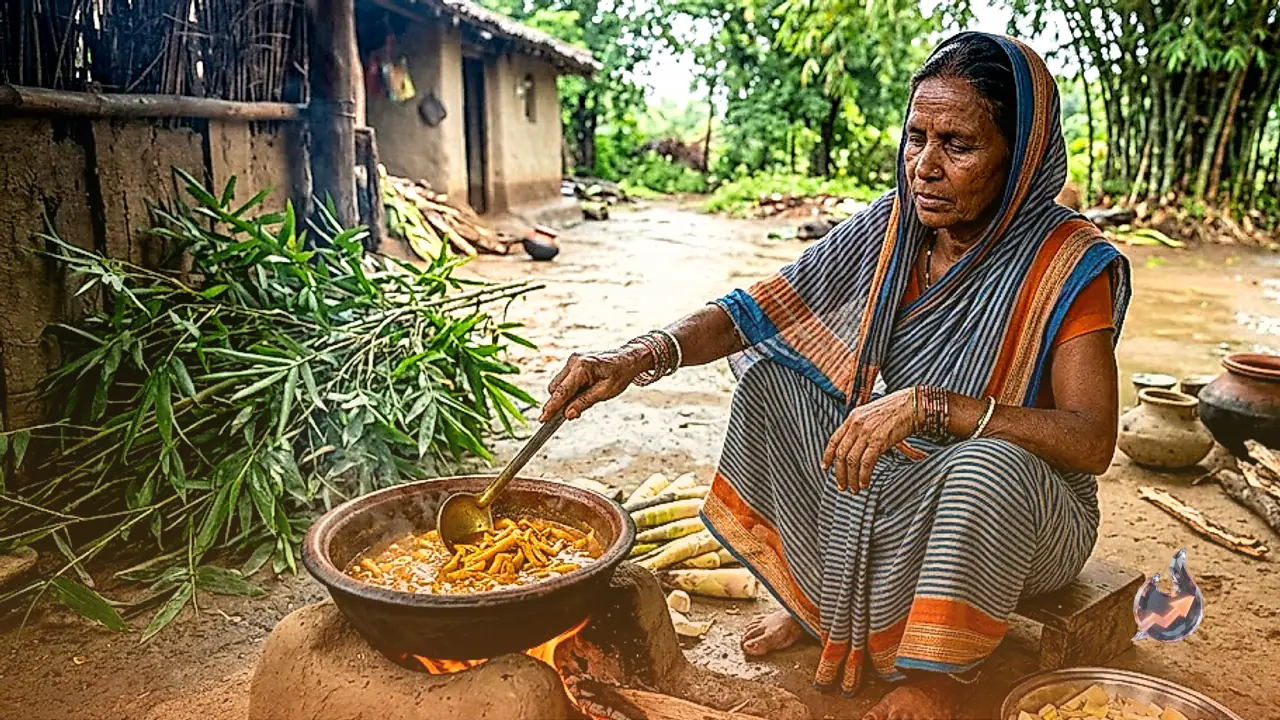
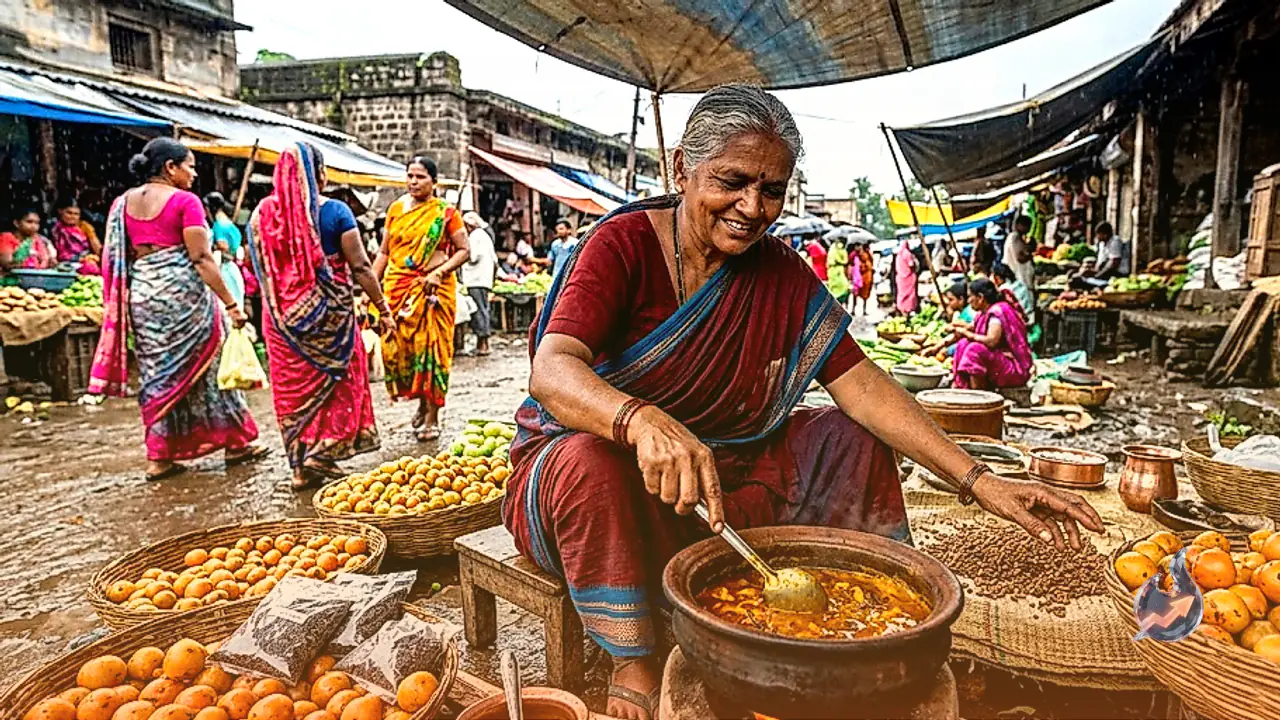
Offer deep reverence to Lord Jimutavahana while also invoking the memory of the eagle and the female jackal from the sacred legend, presenting them with fresh water and sacred offerings. Once the worship concludes, distribute the consecrated prasad among family members first. Fasting mothers should then officially break their fast using the water and sanctified food offered to the deity. After tasting the prasad, a wholesome sattvic meal is consumed. Traditional culinary customs mandate including Noni saag and a curry made of Jhingni, also known as ridge gourd, in the post-fasting meal.
Essential Guidelines and Observance Rules
Several vital customs must be honored during the concluding phase of the fast. All food prepared on the day of Paran must remain strictly vegetarian and sattvic, entirely free from garlic and onions. Before sitting down to eat, fasting women are expected to set aside food, grain, or financial charity for an indigent person or a Brahmin, ensuring that charitable acts precede personal sustenance.
Crucially, traditional codes prohibit breaking the fast while Ashtami tithi is still in effect. Devotees must ensure they break the fast only after 7:28 AM on October 4, as waiting for the designated astrological timing ensures the completeness and spiritual merits of the rigorous penance.