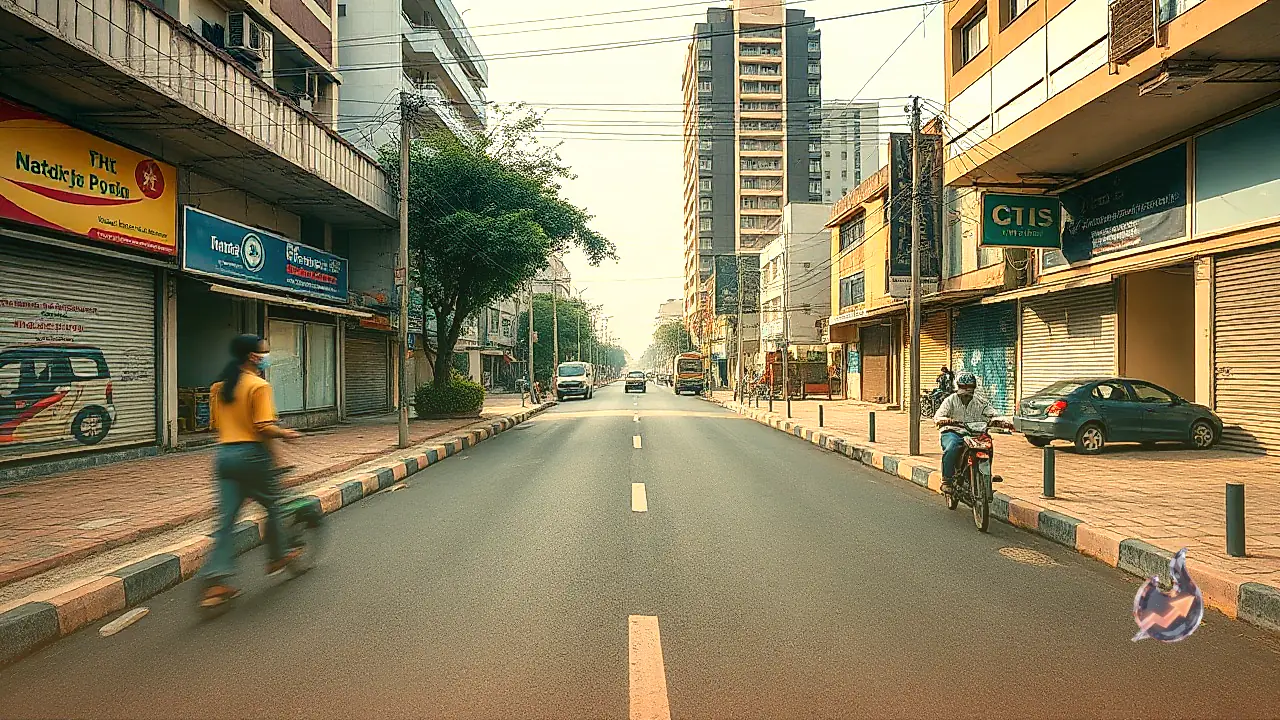




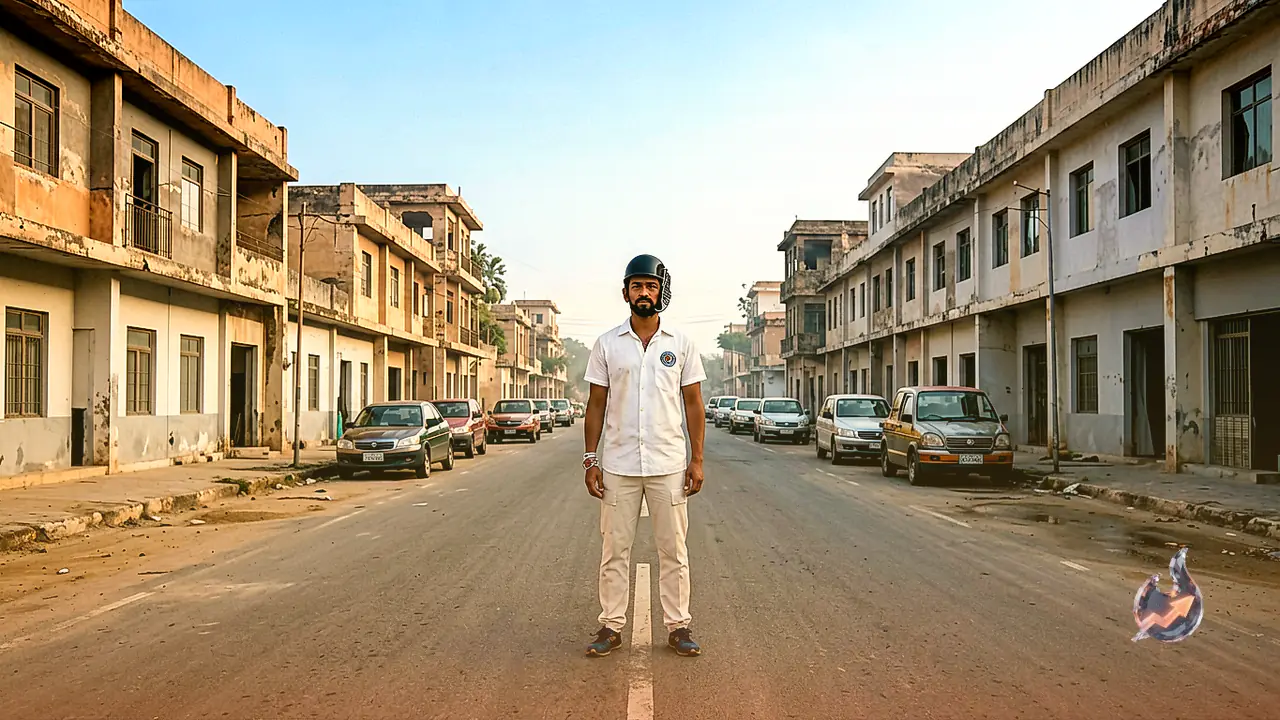
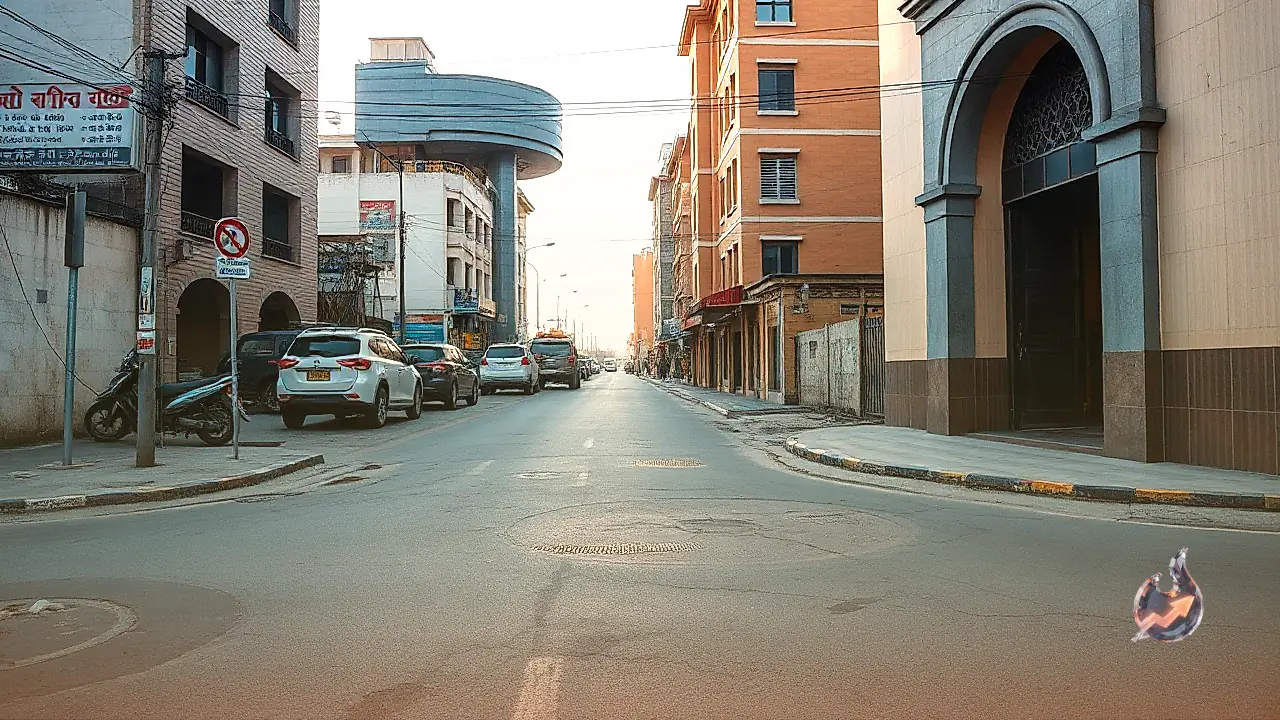


















In Bihar, traditional roasted grain snacks, locally known as bhuja, hold a cherished position in regional food culture. Near the Collectorate in Samastipur, right beside Columbus, a modest street food stall has established itself as a staple destination for local snack enthusiasts. For the past two decades, this popular eatery has been serving freshly prepared, piping-hot snacks from afternoon until late evening, providing residents with an authentic taste that closely mirrors home-cooked food.
Salt Roasting Method Replaces Traditional Sand Technique
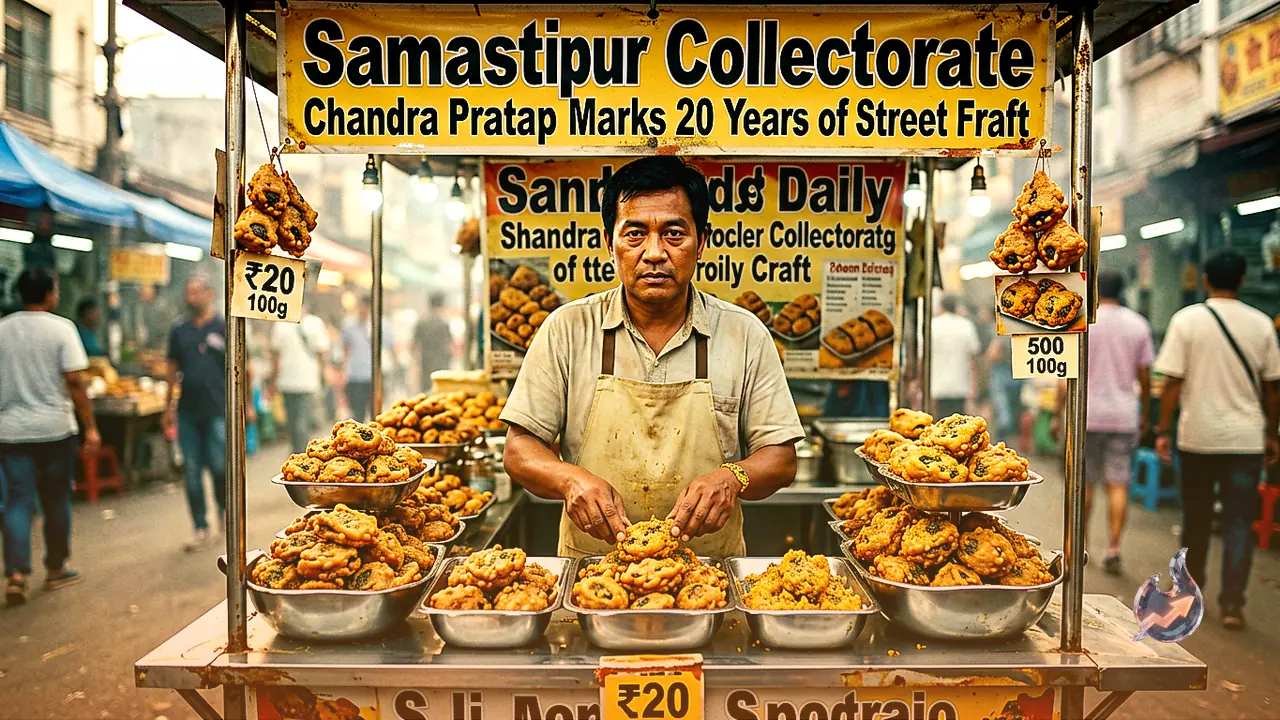
In traditional households across northern India, grains are typically roasted using hot river sand. However, vendor Chandra Pratap, who originally hails from Uttar Pradesh, has popularized an alternative roasting method at his Samastipur stall for nearly 20 years. Instead of sand, he utilizes coarse salt as the heating medium to roast his ingredients. This salt-roasting technique ensures that the grains become exceptionally crisp without retaining gritty residue, yielding a distinct flavor profile. Explaining his approach, Chandra Pratap notes, "People at home prepare bhuja in sand, but I roast it in salt to serve people hot snacks."
A Nutritious 12 Ingredient Mix Served With Tangy Chutney
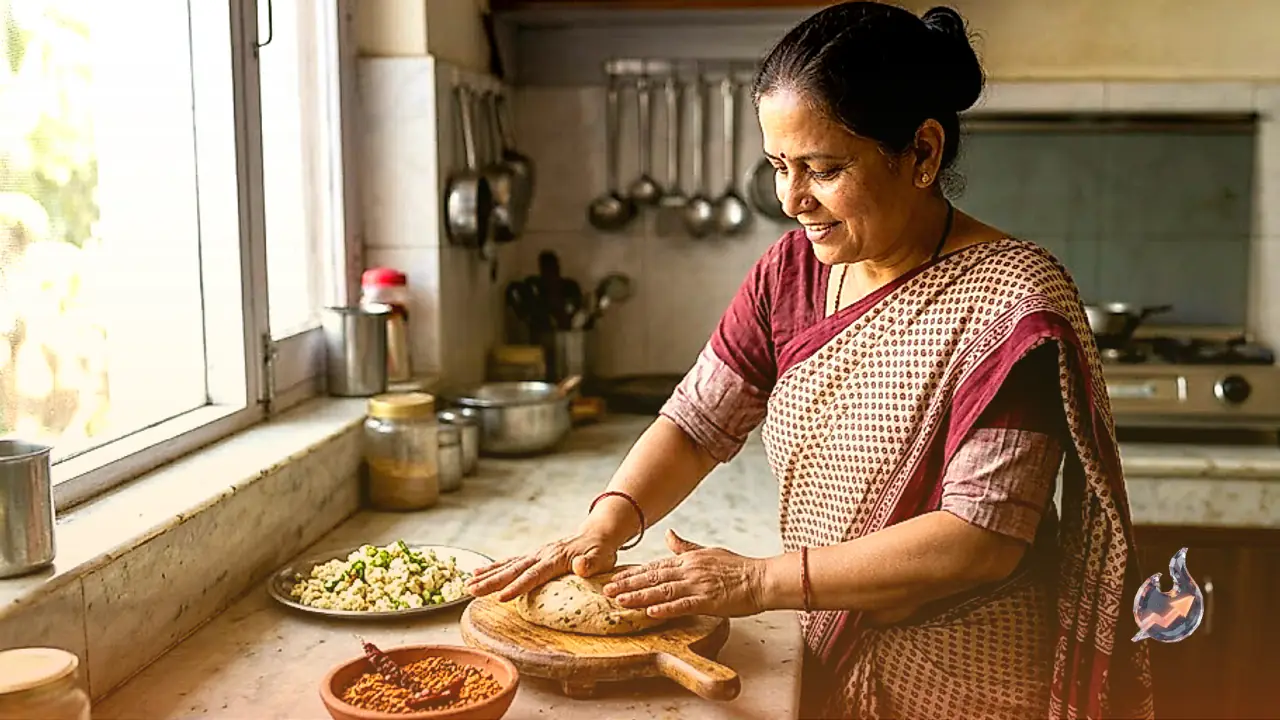
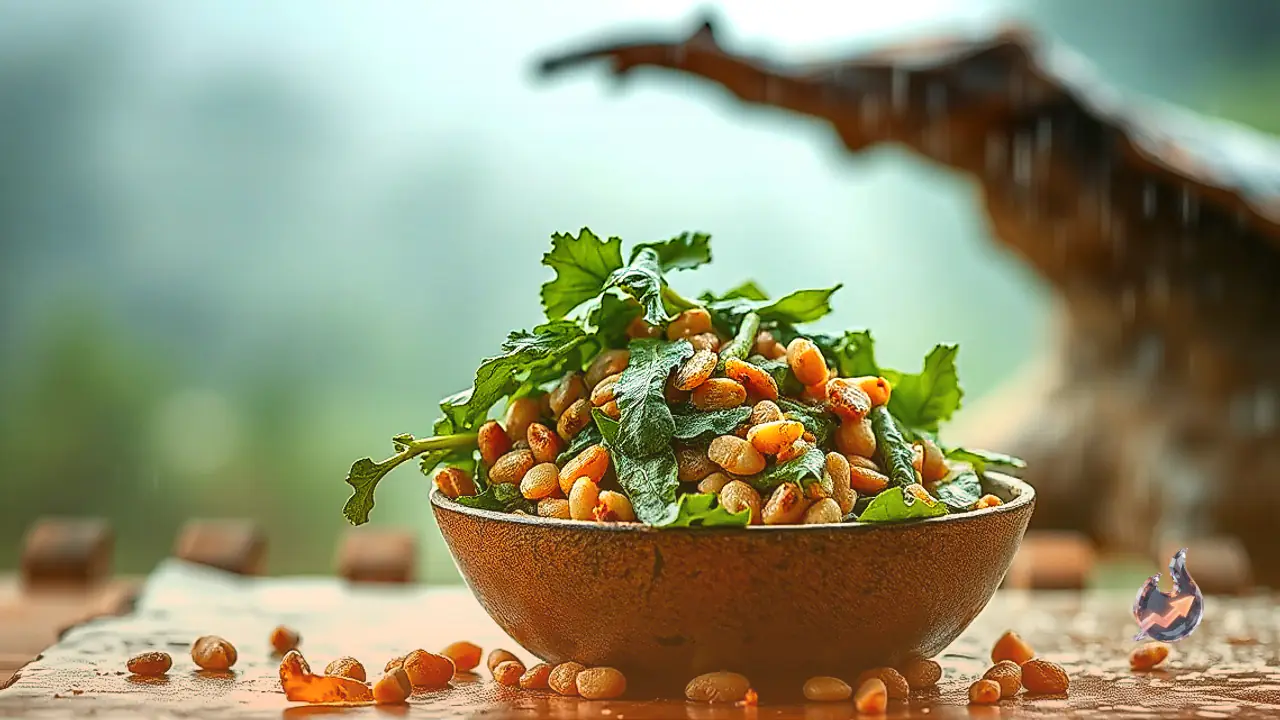
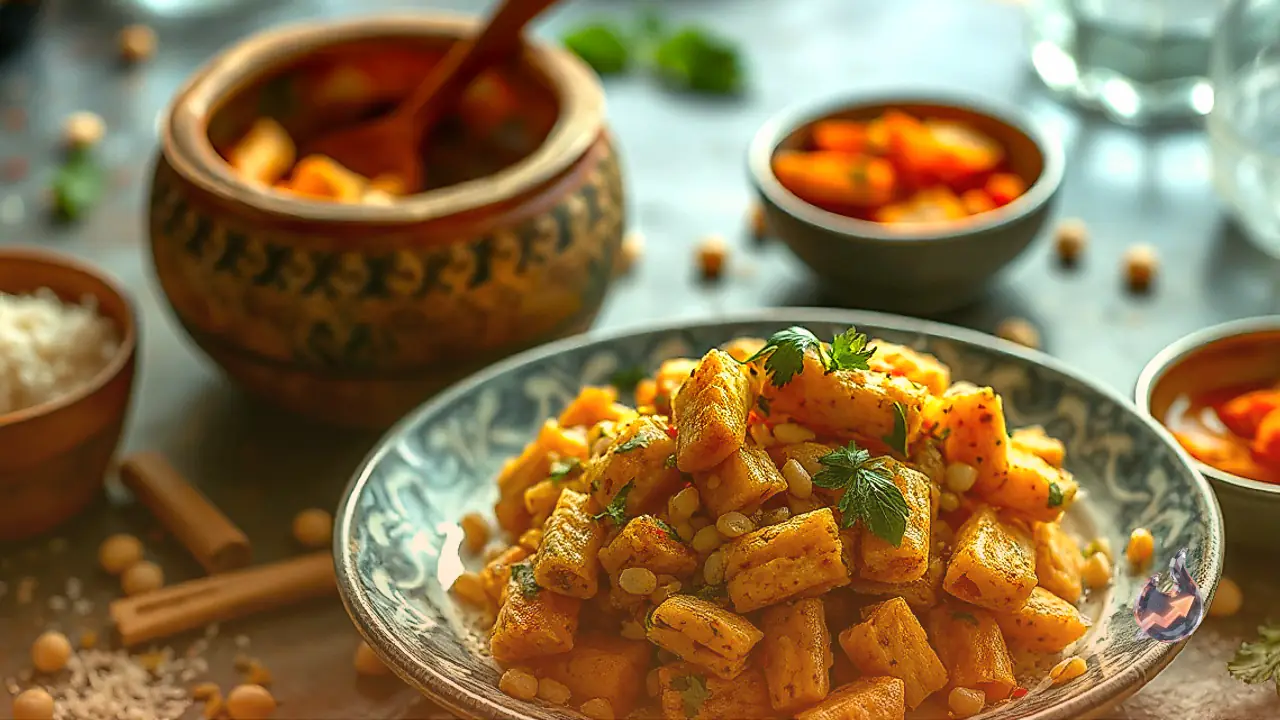
The specialty of this local snack lies in its rich composition. Rather than relying on a single ingredient, Chandra Pratap combines approximately 12 distinct components to create his signature recipe. Key ingredients in the mix include roasted chickpeas, peanuts, flattened rice, wheat, and corn. Every portion is roasted live upon ordering, ensuring that customers receive fresh, steaming snack batches rather than pre-packaged or stale items. To enhance the culinary experience, the warm roasted mix is accompanied by a flavorful, spicy chutney, adding an extra layer of taste that keeps patrons returning.
Daily Footfall of 500 to 1,000 Customers From Afternoon to Night
Operating daily from afternoon until around 8 PM, the stall offers generous portions priced accessibly at 20 rupees per 100 grams. According to Chandra Pratap, the stall caters to a steady stream of patrons every day, serving anywhere between 500 and 1,000 customers daily. Maintaining operations at the exact same spot near the Collectorate for 20 years, Chandra Pratap views his work as more than just a source of livelihood; it represents two decades of building trust, goodwill, and a recognizable culinary identity among the people of Samastipur.