





















In the rural expanses of Jharkhand and around Jamshedpur, traditional rustic chutneys remain an indispensable element of daily dining, effortlessly transforming simple meals into flavorful feasts. In regional food culture, a chutney is much more than a mere side condiment; it serves as an emblem of local culinary heritage and a deep connection to traditional roots. The true beauty of these village recipes lies in their sheer simplicity, requiring no modern kitchen gadgets or rare ingredients. By combining a handful of basic pantry staples, households create a tangy, vibrant blend that elevates the taste of any meal.
Essential Ingredients and Their Ideal Proportions
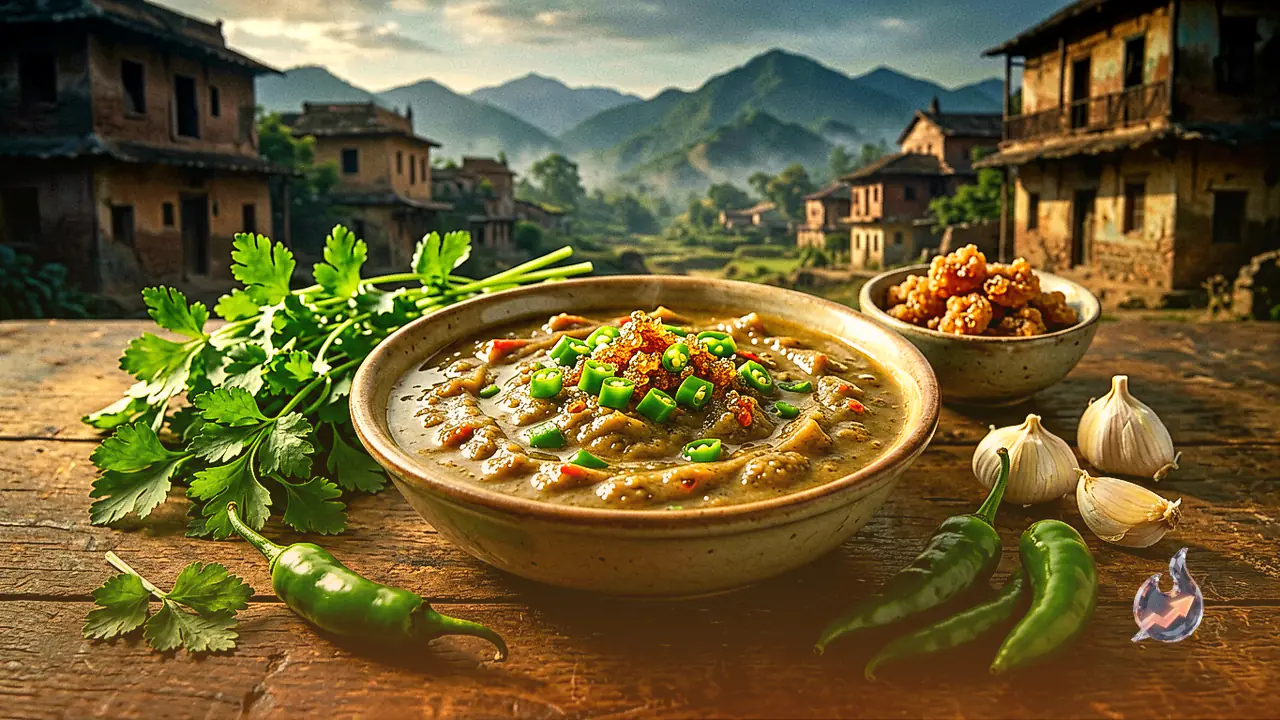
The primary ingredient of this classic Jharkhand chutney is fresh coriander leaves. To impart the necessary kick, three to four green chillies are added to the mix. For those who prefer a milder flavor profile, the quantity of chillies can easily be adjusted downwards according to individual spice tolerance. Additionally, three to four garlic cloves are included to lend a sharp aroma and robust punch to the recipe.
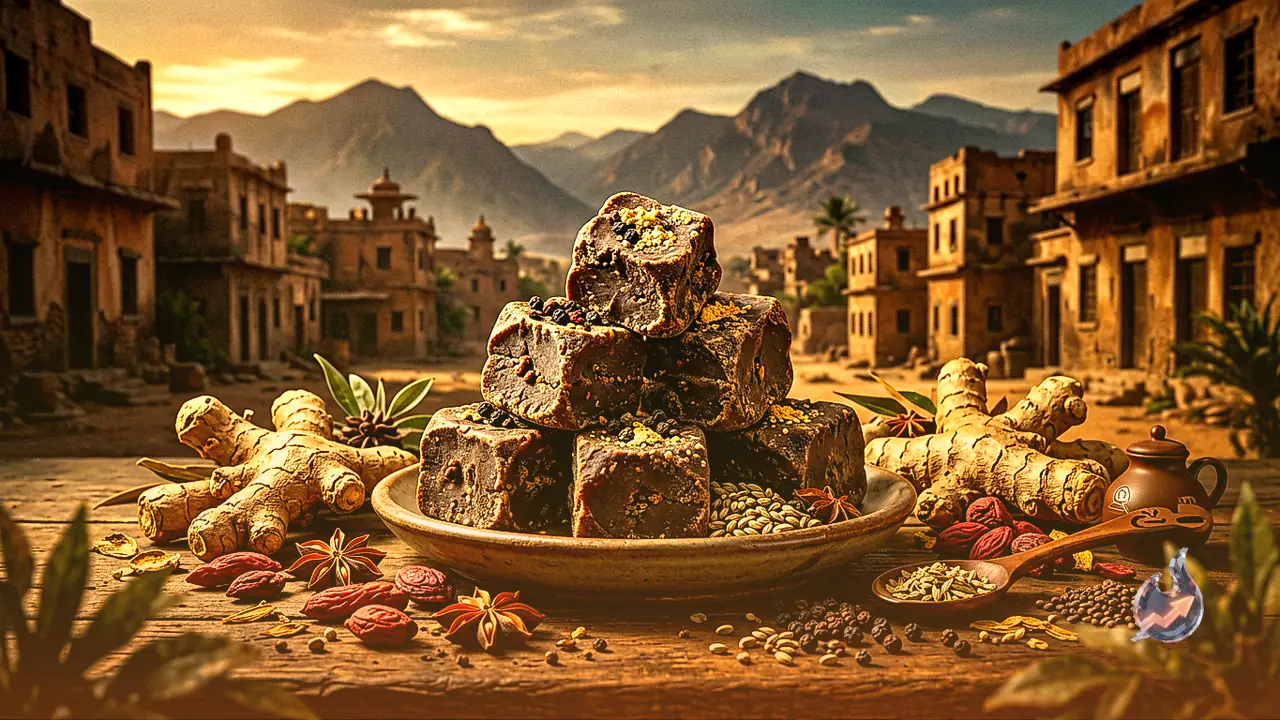
The standout feature of this preparation is the addition of jaggery, which acts as the hero ingredient. A subtle hint of jaggery introduces a gentle sweetness that perfectly balances the intense heat of the green chillies and the pungent notes of raw garlic. This harmony between sweet and spicy flavors is precisely what sets this village style chutney apart from standard recipes.
Preparation Steps and Traditional Stone Grinding
To begin preparing the recipe, fresh coriander leaves must be thoroughly cleaned and sorted. It is crucial to wash the coriander under clean water multiple times to ensure that all traces of dirt, mud, or residual soil are completely removed. Once cleaned, remove the stems from the green chillies and peel the garlic cloves.
In rural households, grinding is traditionally performed on a sil-batta, a classic flat stone and mortar tool. The cleaned coriander leaves, green chillies, garlic cloves, and jaggery are placed onto the stone and crushed steadily into a fine paste. Grinding on a stone allows the natural oils of the ingredients to release and blend seamlessly together. If a sil-batta is not available, alternative kitchen grinding tools may be used, though traditional stone grinding yields the most authentic texture and depth of flavor.
Final Seasoning with Salt and Raw Mustard Oil
Once all the primary components are ground into a smooth, uniform texture, salt is added according to personal taste. The final and most critical step in completing the chutney involves incorporating raw mustard oil into the mixture.
A small pour of raw mustard oil is drizzled over the chutney and mixed thoroughly. The sharp, pungent aroma and distinct taste of mustard oil impart an undeniable rustic character to the dish. Beyond enhancing the aroma, the oil unifies all the distinct spice elements while giving the chutney a rich, appealing texture.
Serving Suggestions and Regional Cultural Importance
This freshly prepared tangy and sweet chutney pairs exceptionally well with hot dal-bhat, a staple meal of rice and lentils. It is equally delightful when served alongside warm rotis, stuffed parathas, or traditional vegetable dishes. Across rural Jharkhand, such time-honored chutneys are not merely food accessories but a celebration of local produce and traditional culinary wisdom. Quick to prepare with minimal ingredients, this recipe offers a genuine taste of authentic countryside cooking.