


















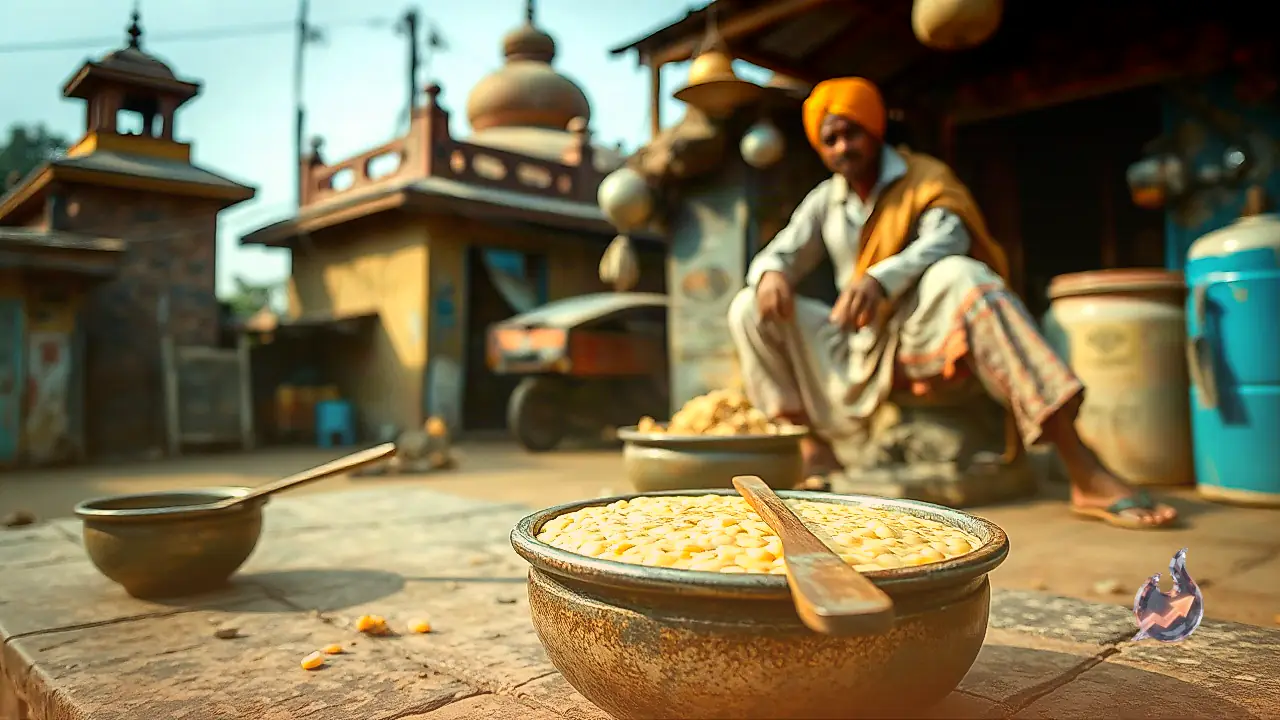

Traditional regional cooking in India has long celebrated the art of transforming humble grains into memorable culinary creations. In the Baghelkhand belt of Madhya Pradesh, everyday pantry staples are routinely turned into nourishing, deeply flavorful dishes that leave a lasting impression on the palate. A sweet porridge made from coarsely ground corn stands out as one of the region's most beloved rural specialties, requiring barely 10 minutes of active kitchen preparation. Whether planned as an energizing morning breakfast or served during the late afternoon to quiet a light craving, this warm preparation provides a wholesome and comforting taste of traditional village cooking right at home.
Simple Pantry Ingredients Create Exceptional Flavor
One of the primary appeals of this Baghelkhandi staple is its reliance on everyday domestic ingredients rather than specialty commercial items. A balanced combination of dried corn, unrefined jaggery, and pure desi ghee is all that is required to achieve its rich flavor profile. When coarse corn is roasted gently in ghee and married with melted jaggery water, the natural sweetness and toasted aroma fuse together seamlessly. Anjali Chaturvedi, a resident of Satna, points out that cooking sweet corn porridge at home is straightforward, noting that when the dish is simmered properly, its satisfying flavor tempts people to ask for repeat servings.
Grinding the Corn to the Right Consistency
The success of the porridge hinges on getting the grain texture exactly right before any heat is applied. Whole dried corn kernels must be broken down into a coarse grind rather than reduced to fine flour. Retaining small, granular bits is essential, as this distinct pebbly grain gives the cooked porridge its hearty consistency and enjoyable bite. Home cooks who already keep pre-cracked corn grits in their pantry can bypass the grinding step and use them directly. The coarse corn must be carefully sifted and cleaned to remove any husk particles before moving to the cooking vessel, ensuring smooth, unhindered roasting.
Slow Roasting in Pure Desi Ghee
The cooking process begins by melting a measured portion of pure desi ghee over gentle heat in a sturdy, heavy-bottomed pan. Once the ghee is sufficiently warm, the cleaned cracked corn is tipped into the pan. Heat regulation at this stage is critical. Rather than rushing the grain over a fierce flame, the corn needs to be stirred continuously over low heat. As the grains warm through the ghee, a rich toasted fragrance begins to fill the kitchen, and the color of the corn shifts subtly toward a warm golden tone. Slow roasting guarantees that the corn cooks through to its core without remaining raw, while preventing the delicate grains from over-browning or scorching.
Preparing the Sweet Jaggery Infusion
While the cracked corn roasts quietly in the first pan, water is brought to heat in a separate saucepan nearby. Small chopped pieces of natural jaggery are dropped into the simmering water. The mixture is left to bubble gently for roughly 5 to 7 minutes, allowing the jaggery blocks to dissolve entirely into an amber syrup. Because raw or minimally processed jaggery can occasionally contain fine cane residues or stray particles, passing the warm syrup through a fine mesh strainer is recommended before use. Once fully dissolved and clarified, the hot sweetened liquid is poured straight into the pan holding the roasted corn.
Gentle Simmering to a Thick Consistency
Once the sweet jaggery liquid meets the roasted grains, the mixture must be blended together thoroughly. Maintaining low to moderate heat, the cook must stir the pan regularly to prevent the corn from catching at the bottom and to stop lumps from developing. Gradually, the corn granules absorb the moisture, softening up while the liquid thickens around them. Once the corn turns tender and yields a smooth, spoonable texture, additional jaggery can be added if a sweeter profile is preferred. A brief final simmer follows, allowing the extra sweetener to melt and distribute its caramel notes evenly throughout the porridge.
Optional Aromatics and Warm Serving Suggestions
For those looking to introduce subtle aromatic accents to the finished dish, a pinch of freshly powdered green cardamom can be folded into the porridge toward the end of cooking. Thinly sliced dry coconut and chopped nuts of personal choice, such as cashews or almonds, can also be sprinkled into the pan. These additions contribute a pleasant crunch and an enriched aroma. Even so, purists of the Baghelkhand style maintain that the straightforward alliance of earthy corn, pure ghee, and rustic jaggery requires no embellishment to shine.
Once fully cooked, this sweet corn porridge is best dished out steaming hot into bowls. The unrefined sweetness of jaggery, the fragrance of melted ghee, and the textured bite of indigenous corn come together to form a distinctive regional classic. In Baghelkhand, crafting such meals from ordinary kitchen staples serves as an enduring reminder of the comforts found in traditional village foodways. It fits effortlessly into the morning routine as a warm breakfast or serves as an undemanding evening snack, with the added benefit that sweetness and garnishes can be adjusted freely to match individual household tastes.