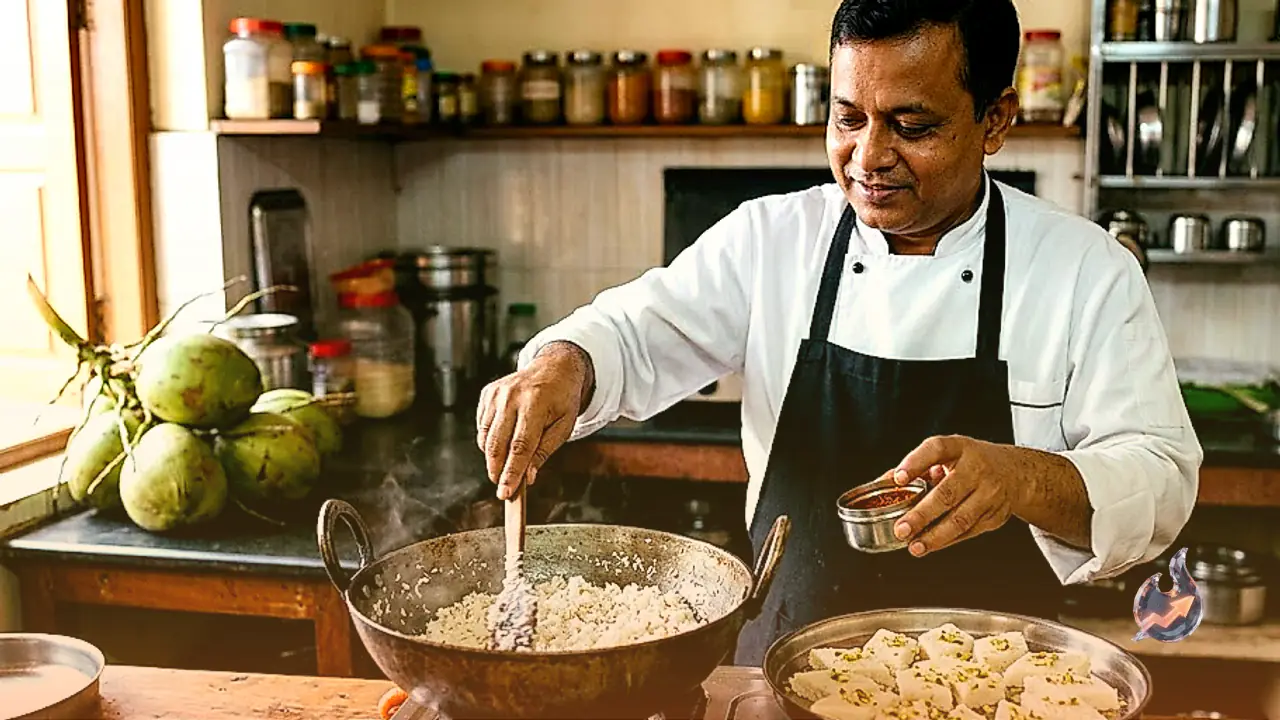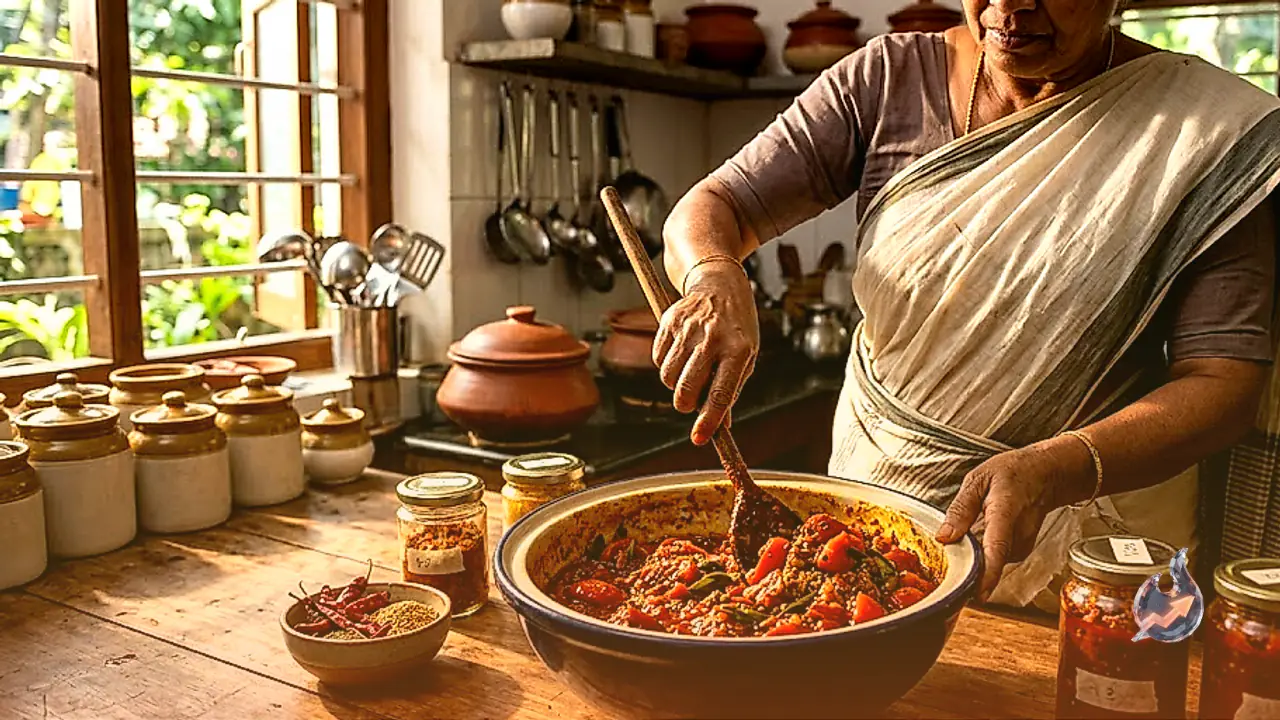






















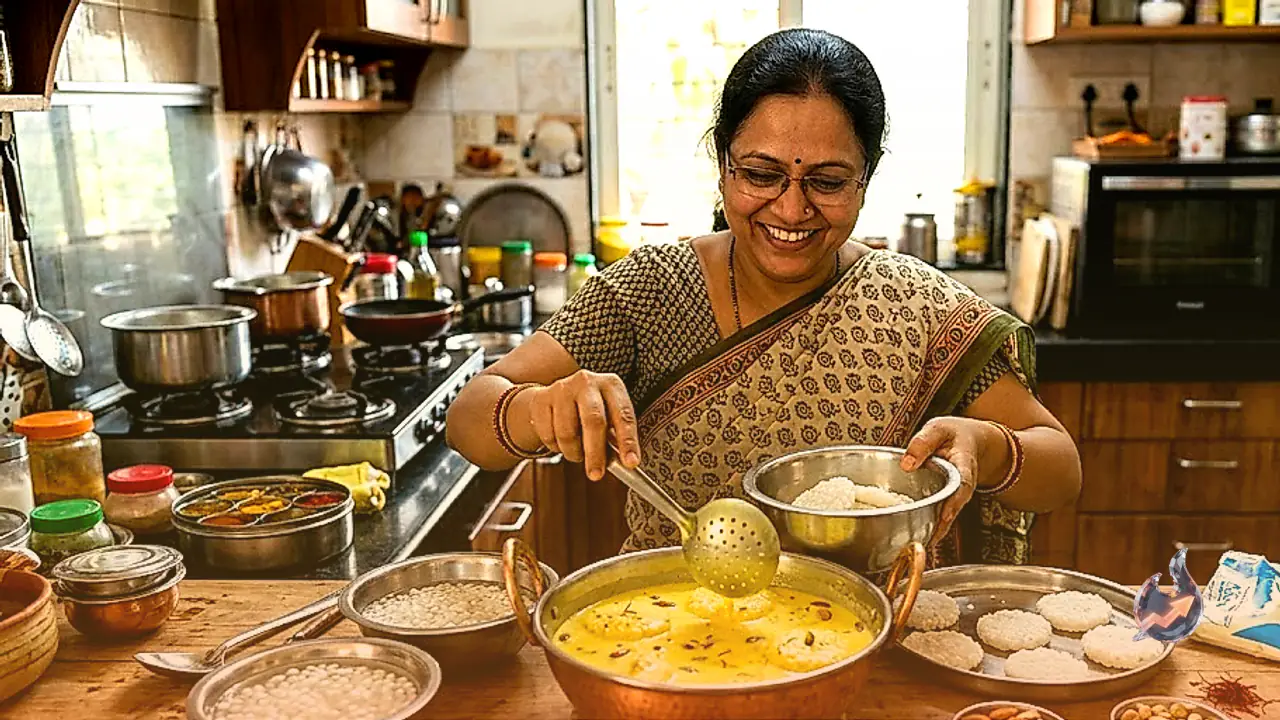

Rasmalai has long held a revered spot among traditional Indian sweets, celebrated for its rich milk base infused with cardamom, saffron, and tender flattened dumplings. While the classic version traditionally relies on cottage cheese patties, introducing tapioca pearls into the recipe offers an innovative and delectable variation. Sabudana rasmalai combines delightful texture with the comforting flavours of creamy rabdi, requiring only everyday pantry essentials and minimal effort to prepare in a domestic kitchen.
Essential Ingredients for the Recipe
Preparing this festive dessert requires a concise selection of standard dairy and pantry ingredients
- Tapioca pearls: 1 cup sabudana
- Dairy: 1 litre full-cream milk
- Sweetener: 4-5 tablespoons sugar
- Aromatics: 4-5 green cardamoms and 1 teaspoon rose water
- Saffron: A few strands of saffron soaked in 1-2 tablespoons milk
- Garnish: 8-10 sliced almonds and 8-10 chopped pistachios
Preparing and Shaping the Sabudana Discs
The preparation begins with conditioning the tapioca pearls. Rinse 1 cup of sabudana thoroughly under running water to clear surface starch, then let it soak in adequate water for 3 to 4 hours. Once the pearls have swelled completely and softened, strain away any leftover liquid completely. Gently knead the softened pearls by hand into a cohesive mixture that holds its shape when pressed.
Next, lightly coat your palms with water or ghee to prevent sticking, and pinch small portions of the sago dough to roll into small spheres. Flatten each ball gently between your hands to create neat discs. Ensure the patties remain relatively thin, as excessively thick discs require significantly longer cooking times and may not cook through evenly in water.
Simmering the Milk and Cooking the Discs
Pour 1 litre of full-cream milk into a heavy-bottomed vessel and place it over medium heat. Once it reaches a rolling boil, reduce the flame to let the milk thicken gently. Stir in 4-5 tablespoons of sugar, 4-5 crushed cardamoms, and the pre-soaked saffron milk, blending the ingredients thoroughly. Continue stirring intermittently so the milk does not stick to the bottom or scorch.
Simultaneously, bring water to a boil in a separate saucepan and gently slide the shaped sabudana patties into the bubbling water. Allow them to cook until they turn slightly translucent and firm. Carefully retrieve the cooked discs with a slotted spoon and press them gently between paper towels or flat spatulas to drain any remaining surface water.
Infusion, Garnish, and Serving Chilled
Transfer the boiled tapioca discs directly into the simmering aromatic milk. Let them cook over low heat for a few minutes so the spongy pearls can soak up the rich, sweet flavours. Finally, stir in 1 teaspoon of rose water for a floral finish and remove the pot from the heat.
Garnish the prepared sabudana rasmalai with 8-10 sliced almonds, 8-10 chopped pistachios, and additional strands of saffron. Allow the dessert to cool to room temperature before placing it into the refrigerator. Serving it chilled enhances both its creamy mouthfeel and fragrant sweetness.