


















Jalore Quinoa Production Scales to 3500 Tonnes With Global Exports Across 15 CountriesRajasthan
20 Sept 2026, 6:56 am (43 min ago)· 1

Jalore Quinoa Production Scales to 3500 Tonnes With Global Exports Across 15 Countries

Farmers in Rajasthan's Jalore district have transformed local agriculture through low-water quinoa cultivation, expanding output from 100 tonnes to roughly 3500 tonnes shipped globally.

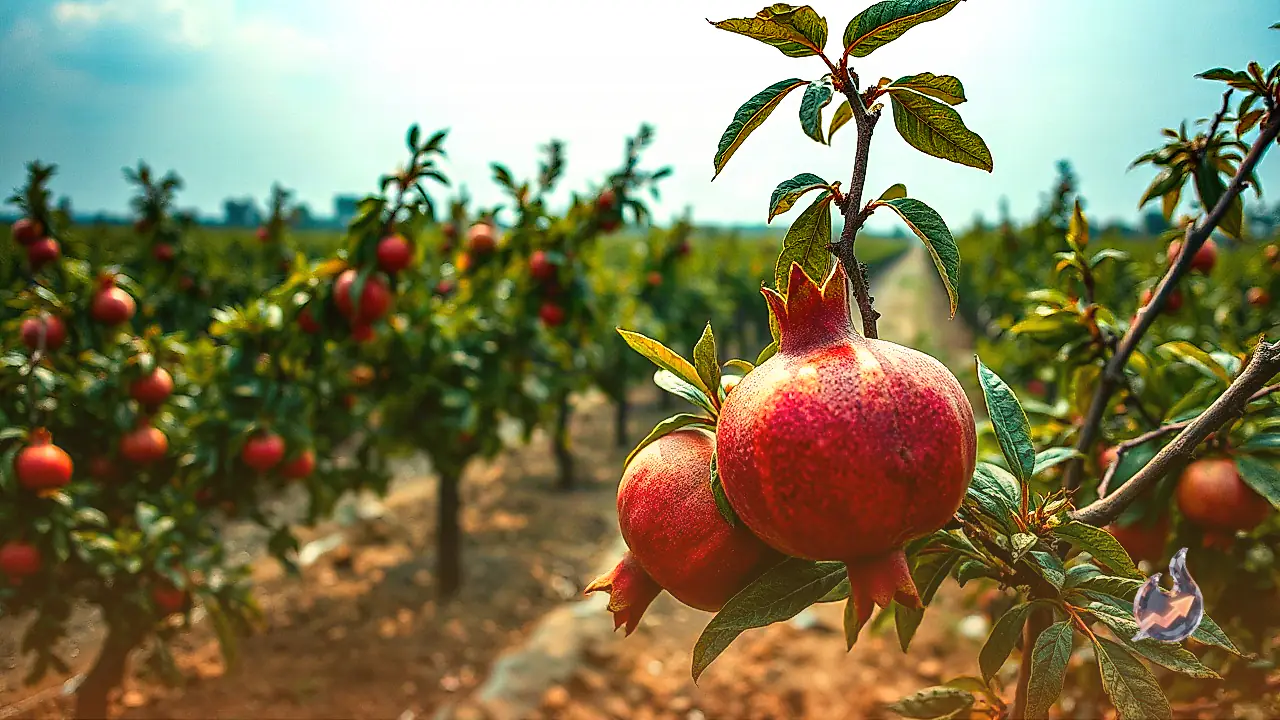
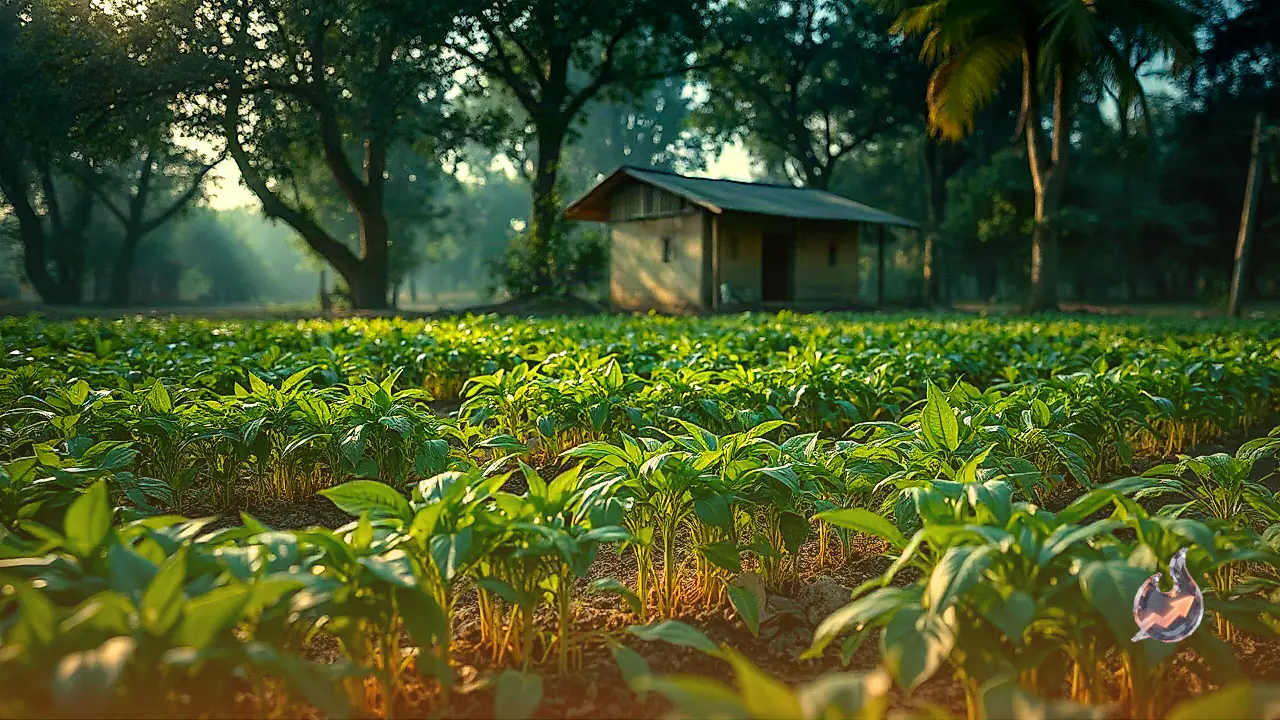
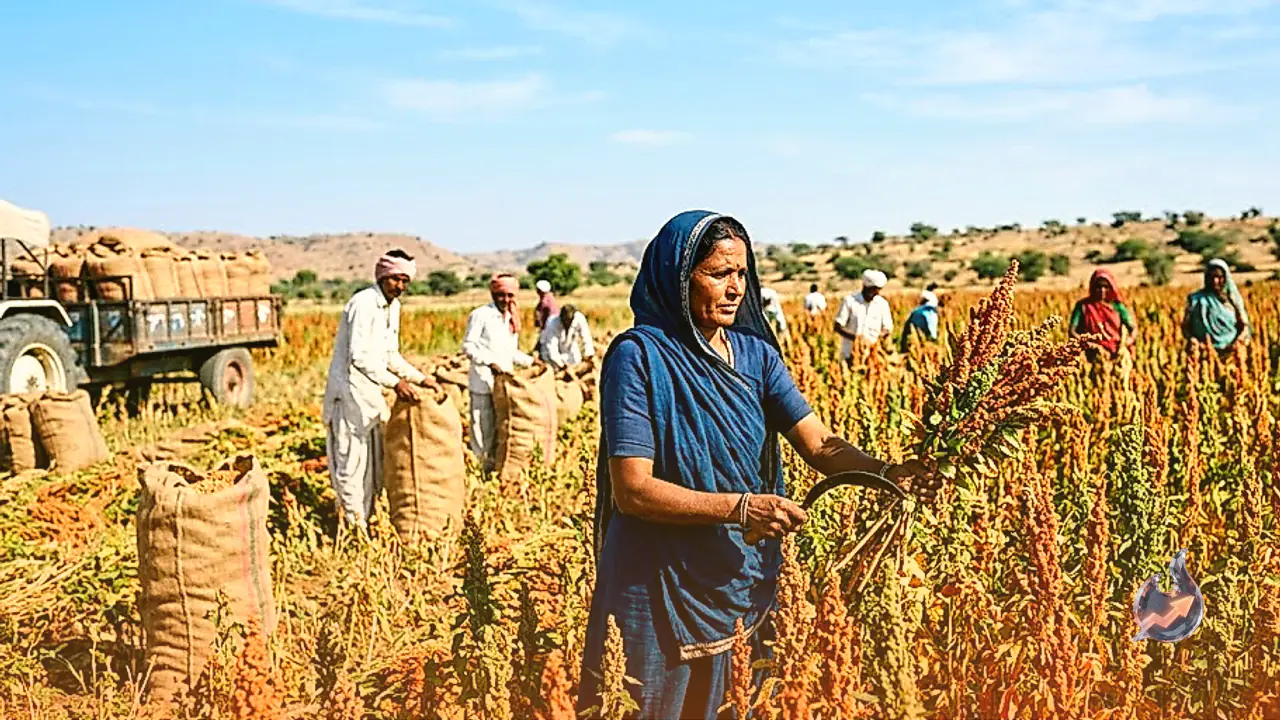
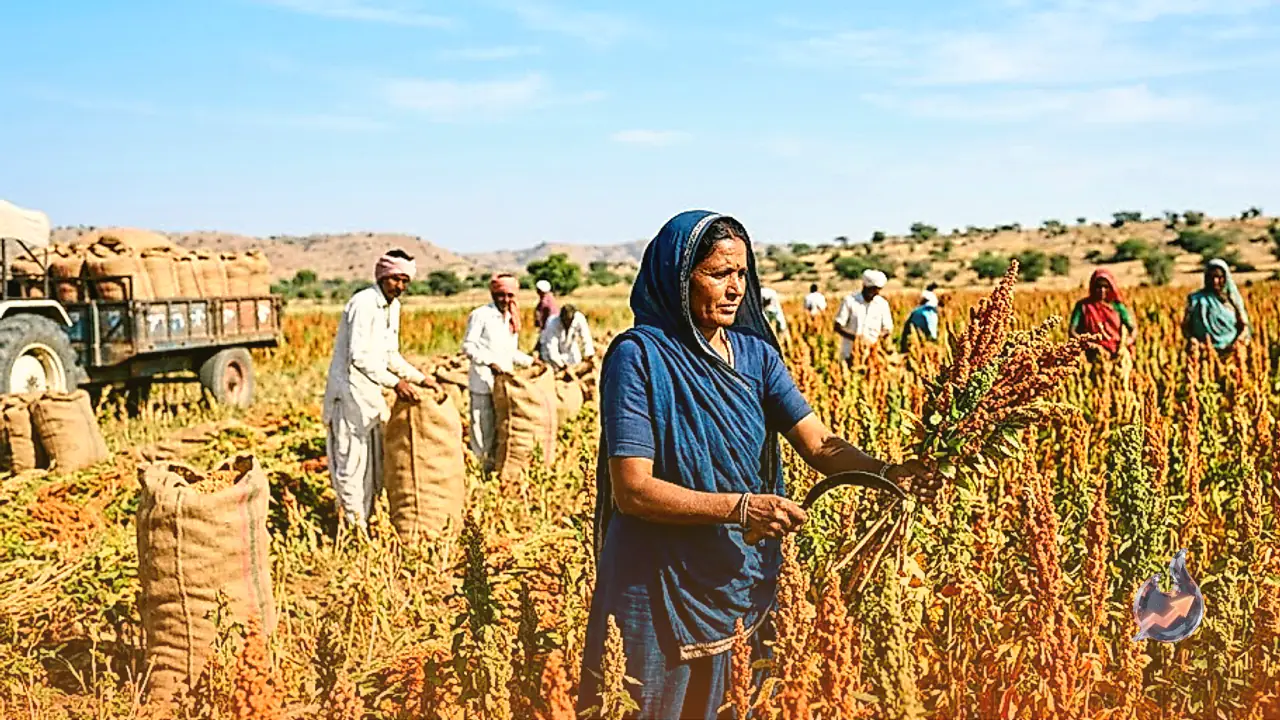
A remarkable agricultural shift is underway across Rajasthan's Jalore district, where farmers are turning toward quinoa alongside their traditional crop rotations. Once confined largely to foreign markets, this resilient crop has found a strong foothold in regional fields. Because it thrives with minimal irrigation, quinoa has introduced local growers to an entirely new commercial market and provided a viable alternative in arid conditions.

Processing and Value Addition Drive Market Reach

Harvested quinoa in Jalore does not go straight from the farmland to wholesale buyers. Instead, it undergoes a meticulous value-addition routine at dedicated processing units. The raw grains are cleaned, thoroughly washed, dried, and graded across multiple quality tiers before final packaging. This careful preparation guarantees export-grade standards, allowing the finished product to move seamlessly into major domestic metropolitan centers as well as lucrative overseas destinations.

Also read

Global Nutritional Profile Fuels Everyday Consumption

Around the world, quinoa has earned a reputation as a nutrient-dense grain, finding favor among health-conscious consumers. Packed with dietary fiber and plant-based protein, it also supplies essential minerals such as iron and magnesium. Because of its versatility, households regularly incorporate it into everyday meals including salads, porridge, pilaf, and various wholesome recipes, steadily boosting worldwide retail demand.

Local Employment Generation and Commercial Expansion

Beyond increasing farm revenues, quinoa processing has stimulated the rural economy by generating substantial on-ground employment. The supply chain requires skilled and semi-skilled labor at each stage, from sorting and drying to grading, packaging, and logistics management. What began as a modest enterprise handling just 100 tonnes has expanded into an operation yielding between 3000 and 3500 tonnes. With shipments now reaching more than 15 countries, Jalore's agricultural sector has firmly positioned itself on the international trade stage.


Questions & Answers

Why is quinoa cultivation beneficial for farmers in Jalore?
Quinoa requires minimal water to grow, making it ideal for arid conditions while providing farmers access to a profitable new market.
How is quinoa processed after harvest?
Instead of being sold raw, the crop is taken to processing units where it is cleaned, washed, dried, graded, and packaged into export-ready products.
What key nutrients does quinoa contain?
Quinoa is rich in plant-based protein, dietary fiber, iron, magnesium, and other vital nutrients.
In what dishes can quinoa be consumed?
It can be prepared in various healthy meals including fresh salads, porridge, savory pilaf, and other wholesome recipes.
How much has Jalore's quinoa production volume grown?
Starting from an initial volume of 100 tonnes, trade has expanded to roughly 3000 to 3500 tonnes.
To how many countries is Jalore's quinoa exported?
Processed quinoa from Jalore is currently shipped to more than 15 countries worldwide.

Comments 2

Rohan Verma@rohan-verma·12m ago

The success of quinoa cultivation on water-scarce land in Jalore proves how proper processing and value addition can elevate agriculture globally, even under adverse geographical conditions. Scaling from 100 tonnes to an annual turnover of 3,500 tonnes across 15 countries demonstrates that local job creation and export-driven farming hold the complete potential to reshape the rural economy.

Karan Malhotra@karan-malhotra·11m ago

The success of quinoa in Jalore is not merely an agricultural milestone, but a vital link connected to the rural economy and public security. When economic transformation occurs on arid lands, forced migration declines, and the rise in local employment opportunities helps curb potential criminal vulnerabilities. Spanning across 15 countries, this enterprise proves that with proper supply chains and administrative support, agricultural ventures can effectively secure both rural prosperity and community stability.

Citizen journalism

Become a TrendKia journalist

Voice of the people

Share news, photos and videos from your area with TrendKia and let your voice reach the nation. Every citizen a journalist.

Join now
CH 01 LIVE
TrendKia TV ON AIR
Chamar no WhatsApp