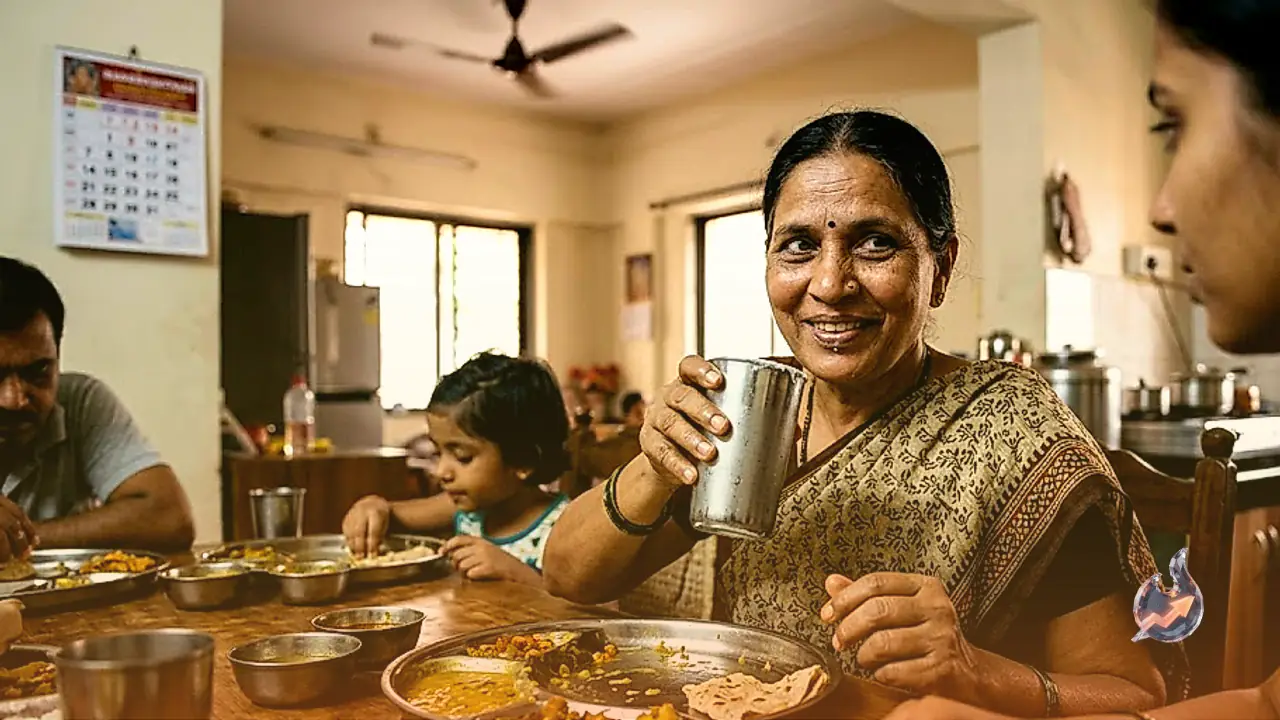




















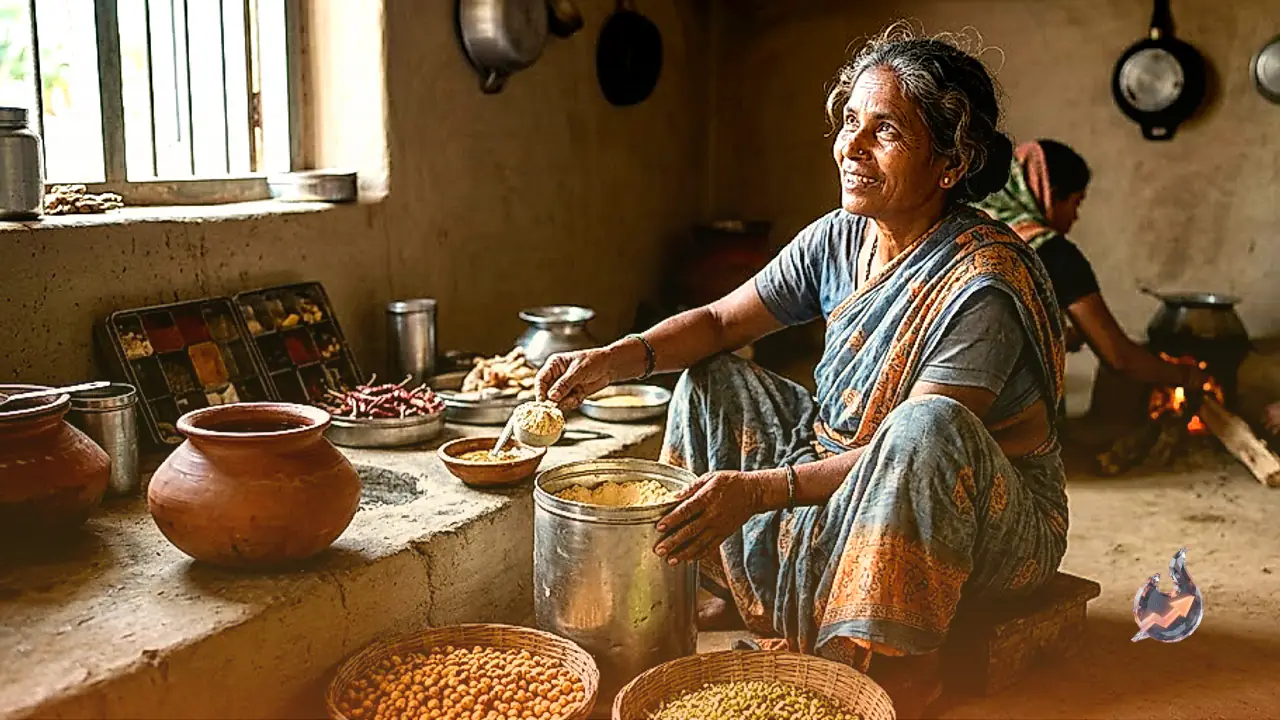

In today's wellness and fitness culture, protein has become one of the most widely discussed dietary nutrients. Modern store shelves are packed with protein bars, specialized shakes, and fortified packaged snacks. However, long before these processed supplements became popular, traditional kitchens in Indian villages relied on wholesome, locally sourced foods that naturally provided abundant protein. Generally, healthy adults require about 0.8 grams of protein per kilogram of body weight each day, though individual requirements vary depending on age, overall health, and daily physical activity levels. These 5 traditional rural staples stand out for being affordable, easily accessible, and exceptionally rich in natural nutrition.
Understanding Daily Protein Requirements
Protein plays a vital role in muscle repair, tissue building, and maintaining a robust immune system. Dietary recommendations suggest a baseline of 0.8 grams per kilogram of body weight for average healthy adults, while individuals engaging in strenuous physical labor or high-intensity sports require higher intake. Unlike expensive synthetic supplements, traditional plant-based foods provide unadulterated nourishment without synthetic additives or heavy processing. Rural Indian food traditions have long emphasized balanced nutrition drawn directly from farm-fresh produce.
Sattu: The Original Plant-Based Energy Drink
Decades before commercial protein powders were formulated, sattu was a dietary mainstay in Indian rural households. Prepared by grinding roasted Bengal gram, sattu is dense in nutrients and exceptionally filling. The classic preparation involves mixing sattu powder in cold water with a pinch of salt and a splash of lemon juice to create a cooling, energizing beverage. Beyond drinks, it is widely used to stuff parathas and prepare traditional regional delicacies. During hot summer months, sattu sharbat remains a preferred natural beverage to prevent heat exhaustion and keep the body hydrated.
Roasted Chana: The Durable On-the-Go Rural Snack
Roasted chana served as the ultimate convenient snack for farmers and manual laborers heading to the fields. Requiring no cooking or thermal preparation, even a small handful of roasted chickpeas provides lasting satiety. In addition to being budget-friendly, roasted chana has an extended shelf life, remaining fresh without refrigeration for long periods. It continues to be recognized as one of the most practical and nutrient-dense vegetarian snacks available.
Sprouted Moong: A Light and Refreshing Nutrient Powerhouse
Soaking and sprouting whole green gram is an age-old culinary practice across Indian homes. Sprouted moong is commonly consumed raw or lightly tossed with minimal spices as a breakfast salad. Adding chopped onions, green chillies, and freshly squeezed lemon juice enhances both its flavor profile and digestive benefits. Light on the stomach, sprouted moong delivers a substantial dose of protein, dietary fiber, and essential micronutrients that support smooth metabolic function.
Peanuts: Combining Healthy Fats and High Protein
Despite being simple and inexpensive, peanuts hold a central place in traditional rural diets. Typically consumed roasted or boiled, peanuts are also used to make savory chutneys or blended with jaggery to make traditional sweets like chikki. In addition to plant protein, peanuts contain heart-healthy monounsaturated and polyunsaturated fats, which slow down digestion and maintain steady satiety levels over extended hours.
Moong Dal Cheela: A Savory Protein-Packed Breakfast
Moong dal cheela remains a favored, wholesome breakfast dish across households. It is made by soaking whole or split moong dal, grinding it into a smooth batter, and cooking it on a hot griddle like a savory pancake. Incorporating finely chopped onions, green chillies, fresh coriander, and mixed vegetables enriches its texture and nutrient density. It serves as a delicious, easily digestible, and balanced protein meal to start the day.
The Value of Indigenous Food Wisdom
The key advantage of these traditional food choices lies in their simplicity, affordability, and minimal ecological footprint. Achieving optimal daily protein intake does not require expensive imported products or heavily marketed synthetic powders. Traditional Indian village cuisine proves that optimal health and daily nourishment can be achieved through time-tested, locally available whole foods that feed both the body and the palate naturally.