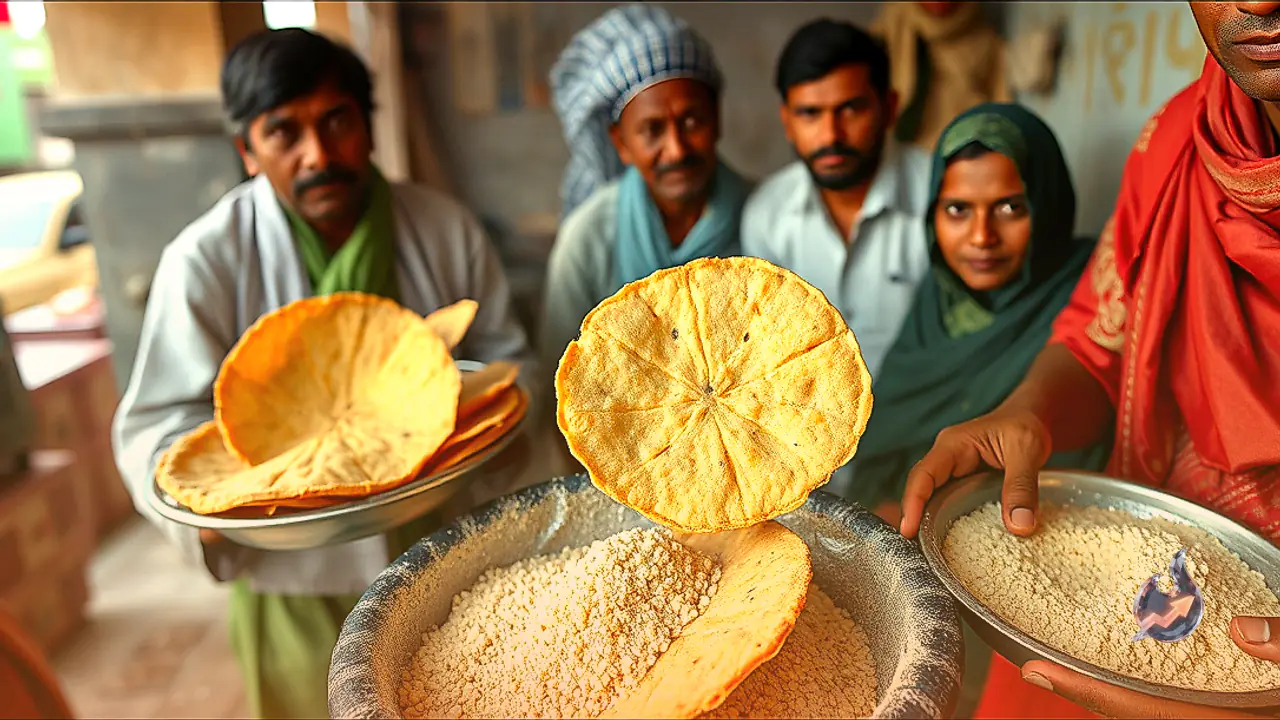

























Making daily flatbreads might appear straightforward, yet achieving perfectly circular and consistently tender rotis is a skill that frequently challenges home cooks. Very often, freshly prepared rotis lose their softness shortly after leaving the griddle, turning either brittle and dry or unpleasantly chewy like rubber. When regular dough yields stiff rotis, modifying the kneading method provides a dependable fix. Introducing mashed boiled potatoes alongside milk during the kneading phase transforms the dough texture, ensuring that the rotis retain their delicate softness for hours without drying out.
An Ideal Solution for Travel and Lunchboxes
This culinary approach proves especially practical when meals are meant to be packed rather than eaten straight off the pan. Whether packing lunches for school children or preparing food for extended outdoor journeys, these rotis stay completely fresh and pliable throughout the day. Because the combination of dairy and potato creates an exceptionally tender crumb, these flatbreads are easy to chew, making them a wonderful meal option for very young children as well as elderly family members who lack strong teeth.
Step-by-Step Method for Potato and Milk Rotis
To prepare this version, begin by boiling 1 to 2 potatoes and mashing them thoroughly until no lumps remain. Add 1/4 cup of milk into the mashed potato base. Gradually introduce the necessary quantity of whole wheat flour, a pinch of salt, and 1 teaspoon of cooking oil, then knead everything into a uniform dough. If the moisture seems insufficient, add only a small splash of water as needed. Once fully kneaded, lightly coat the dough surface with oil and allow it to rest covered for about 10 minutes to settle properly.
After resting, divide the dough into medium-sized portions and roll them out evenly just like regular rotis. Cook each flatbread on a heated flat pan over medium flame until pleasant golden brown spots appear on both sides. Remove from heat and spread a light layer of ghee over the hot surface. Prepared this way, the rotis will not harden from morning until evening, preserving their tender bite throughout the day.
Alternative Tricks for Tender Flatbreads
For those who prefer not to mix potatoes into their dough, using milk on its own still produces noticeably softer flatbreads. Kneading the flour exclusively with milk alongside 1 teaspoon of oil yields a gentle, pliable dough. The natural fats in the milk lock in moisture, effectively preventing the finished rotis from drying out even after extended storage.
Alternatively, if you wish to skip both milk and potatoes, adjusting the hydration level by kneading a softer, looser dough works wonders. A more hydrated dough naturally produces tender rotis that resist hardening on the griddle. Simply mixing 1 teaspoon of any standard cooking oil into the flour during kneading also enhances elasticity and helps maintain lasting softness.