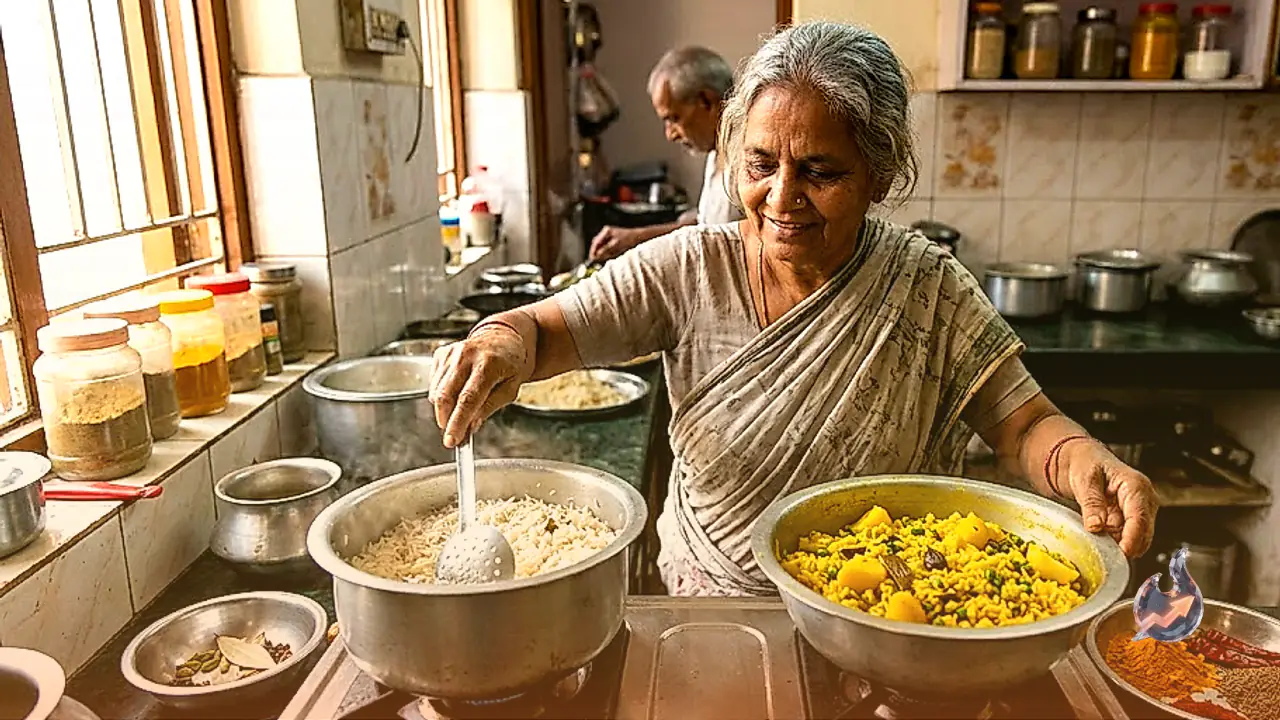























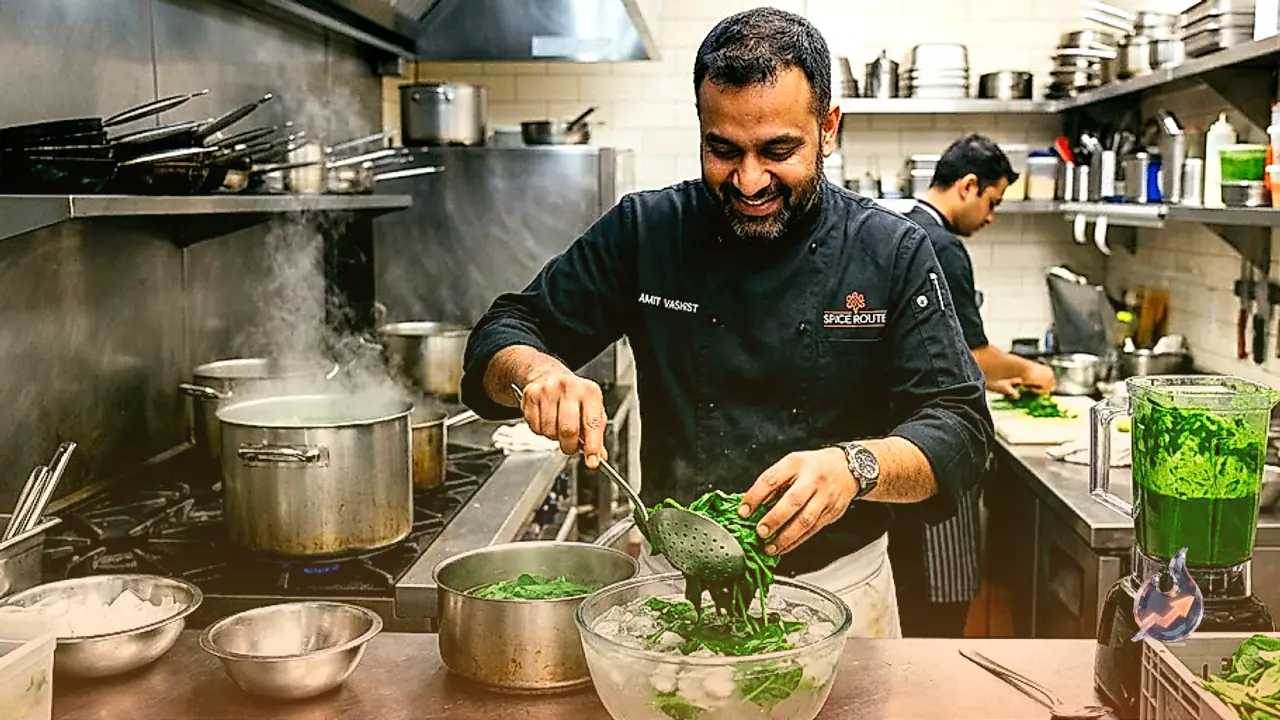

Spinach dishes such as palak paneer, palak kofta, and dal palak are celebrated for their nutritional richness as well as their appetizing, vibrant presentation on the dining table. However, home cooks frequently encounter a frustrating culinary hurdle whenever they blend spinach into a gravy base. The moment the freshly pureed leaves hit the hot pan, the bright, luminous green tone often fades away, turning into an unappealing dark green or murky brownish shade. To address this persistent kitchen problem, Chef Amit Vashist has outlined a practical and reliable approach that allows anyone to retain that vibrant restaurant-style green color at home.
The Science Behind Chlorophyll Breakdown in Cooked Greens
Spinach owes its characteristic bright green shade to a natural plant pigment known as chlorophyll. When fresh spinach leaves are submerged in boiling liquid for extended periods or left simmering under high heat in a pan, the natural acids and heat cause the chlorophyll molecules to break down chemically. As this degradation occurs, the lively emerald shade deteriorates into a lifeless, dull coloration. Therefore, understanding heat exposure and strictly regulating cooking time is the foundational step in preserving the natural vitality of leafy greens.
Mastering the Blanching and Ice Bath Routine
According to Chef Amit Vashist, the primary technique to protect the natural pigment involves a strict blanching procedure paired immediately with an ice bath. The preparation begins by thoroughly rinsing the spinach leaves in clean water to wash away dirt and impurities. Next, bring a pot of water to a rolling boil and stir in a small amount of salt along with a single pinch of sugar.
Drop the cleaned spinach leaves into the boiling water for strictly 1 to 2 minutes, turning off the heat immediately once the brief window elapses. The crucial secret lies in transferring the blanched leaves straight from the hot water into a bowl filled with ice-cold water. This sudden temperature drop, known as an ice bath, immediately halts the internal cooking process. Halting the heat locks in the natural chlorophyll pigment so the leaves stay vivid even after they are blended into a smooth paste.
Blending Safeguards and Pan Cooking Guidelines
After chilling the greens, careful handling during blending is equally necessary. When transferring the cooled spinach into the mixer jar, dropping in a single ice cube prevents the mechanical heat generated by the fast-spinning blades from dulling the puree. This step neutralizes blade friction and keeps the blend cool throughout the grinding cycle.
Once the puree is ready to be cooked with oil or butter, avoiding overcooking becomes the final rule. Prepare the gravy base of aromatics and spices first, letting them cook completely before stirring in the spinach puree. Cook the puree only until the raw grassy taste dissipates, avoiding prolonged simmering. Additionally, incorporating a mild acidic element such as fresh lemon juice or dry mango powder helps support color retention. Applying these measured kitchen steps ensures a rich, restaurant-quality visual appeal in everyday home cooking.