



















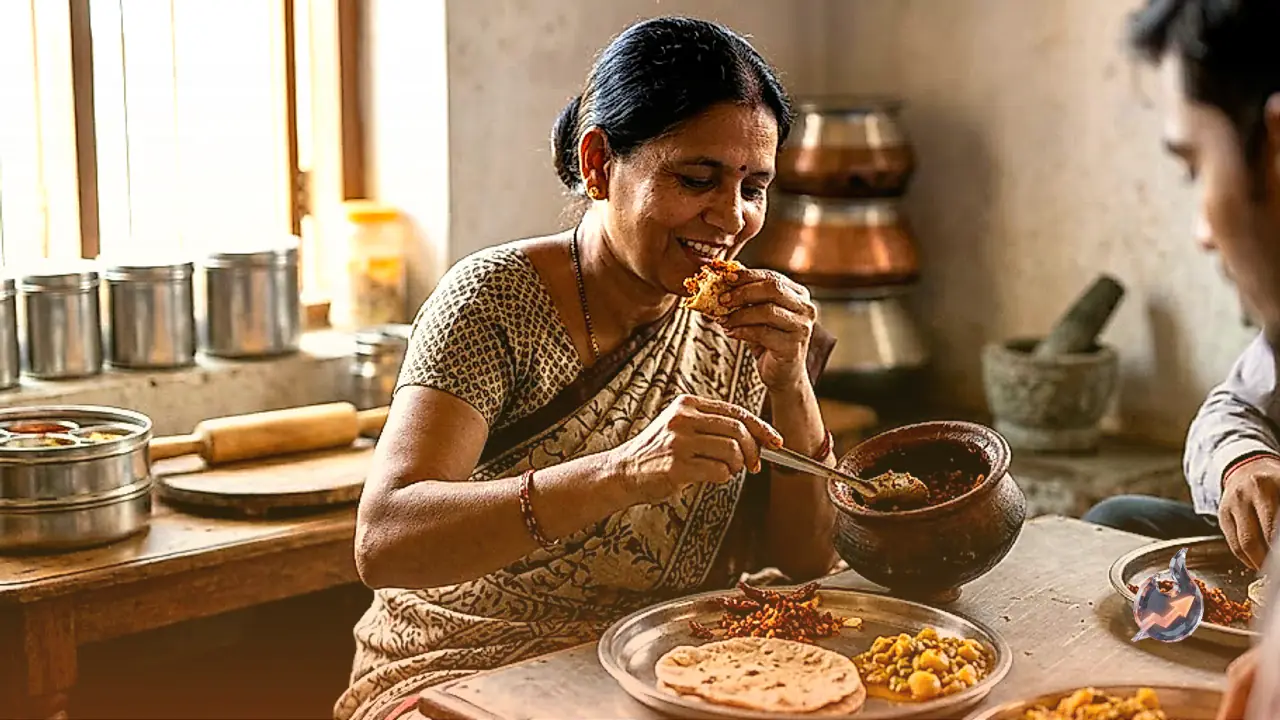

In the regional kitchens of Nimar, simple ingredients are often transformed into culinary staples that elevate everyday dining. Among these traditional preparations, the region's famous dry chutney stands out for its bold, fiery, and tangy profile that appeals across generations. The preparation requires neither complex culinary techniques nor rare, expensive ingredients. Instead, it relies entirely on basic pantry staples readily found in ordinary households, coming together in mere minutes without prolonged effort. From young children to older adults, dinner tables across the region routinely feature this spicy accompaniment alongside daily meals.
Essential Ingredients for the Blend
Preparing this authentic rural condiment calls for an austere and focused set of ingredients. The core foundation consists of fresh garlic cloves and whole onions. For the sharp, punchy heat, dried red chilies are combined into the mix. The preparation is then rounded out using standard table salt measured to taste, alongside an appropriate quantity of cooking oil. This modest lineup ensures that the sharp aroma of alliums and the rustic heat of the chilies remain the undisputed focal point of the dish.
Traditional Step-by-Step Preparation Method
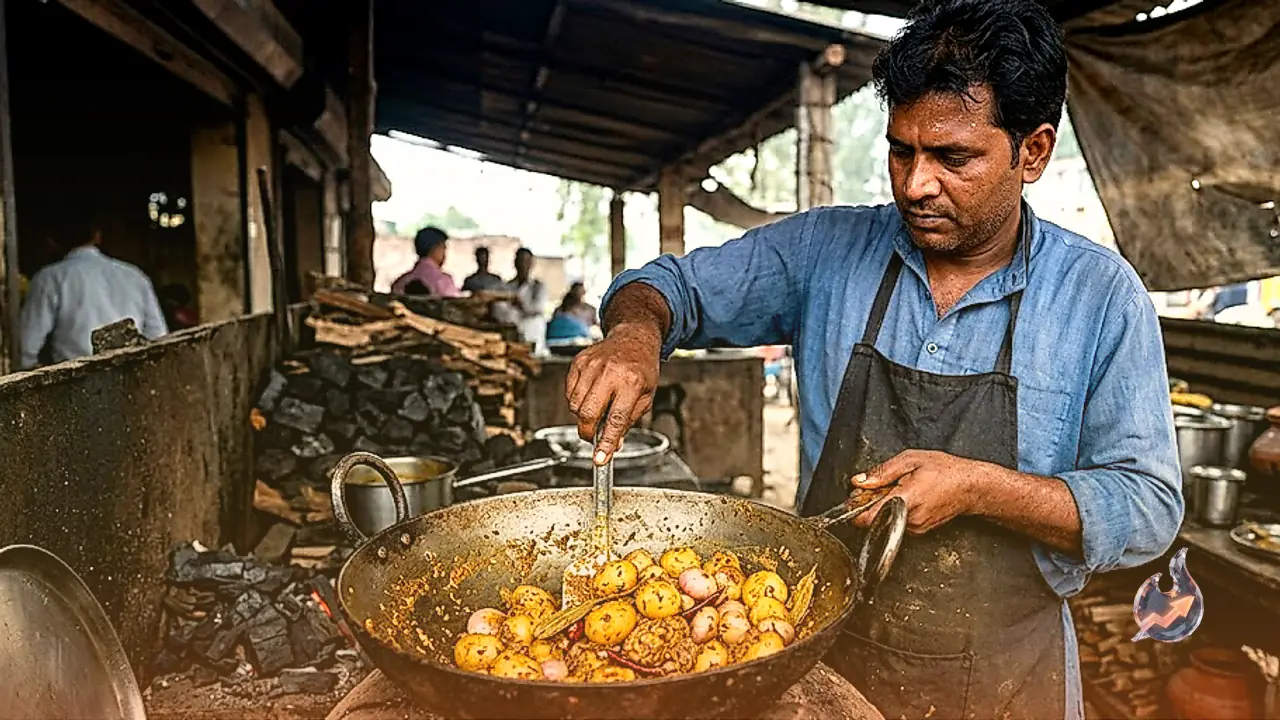
The culinary process begins with cleaning and prepping the produce. Garlic cloves are peeled, and onions are trimmed and cleaned thoroughly. Once readied, the garlic, onions, and dried red chilies are combined and either pounded together using a mortar and pestle in the classic village style or ground down into a coarse mixture. After achieving a uniform texture, salt is sprinkled into the blend along with a controlled drizzle of oil. The entire mixture is then worked thoroughly to ensure the oil binds the aromatics and distributes the seasoning evenly throughout the paste.
Texture Profile and Serving Traditions
A defining characteristic of this regional specialty is its dry and dense texture. Unlike runny or water-heavy condiments, this chutney is deliberately kept thick, textured, and relatively dry. This distinctive body is widely regarded as its culinary hallmark. Once finished, it is served alongside freshly baked wheat rotis, traditional thick bhakris made from coarse grains, layered parathas, or standard family platters. During the rainy monsoon months, the intense, warming heat of this chutney served with steaming-hot meals becomes a regional favorite.
Portability and Cultural Significance in Burhanpur
Beyond its culinary appeal, this dry preparation offers practical travel advantages. Because it contains little to no water, it resists spoilage far better than watery chutneys, making it a reliable staple for travelers packing food for journeys. In towns and rural villages across Burhanpur and wider Nimar, local households continue to make this condiment using these time-honored methods. It represents more than just a quick flavor enhancer; it reflects the deep-rooted food traditions and resourceful culinary heritage of the Nimar region.